

Tortoiseshell Cat Price: What You Need to Know
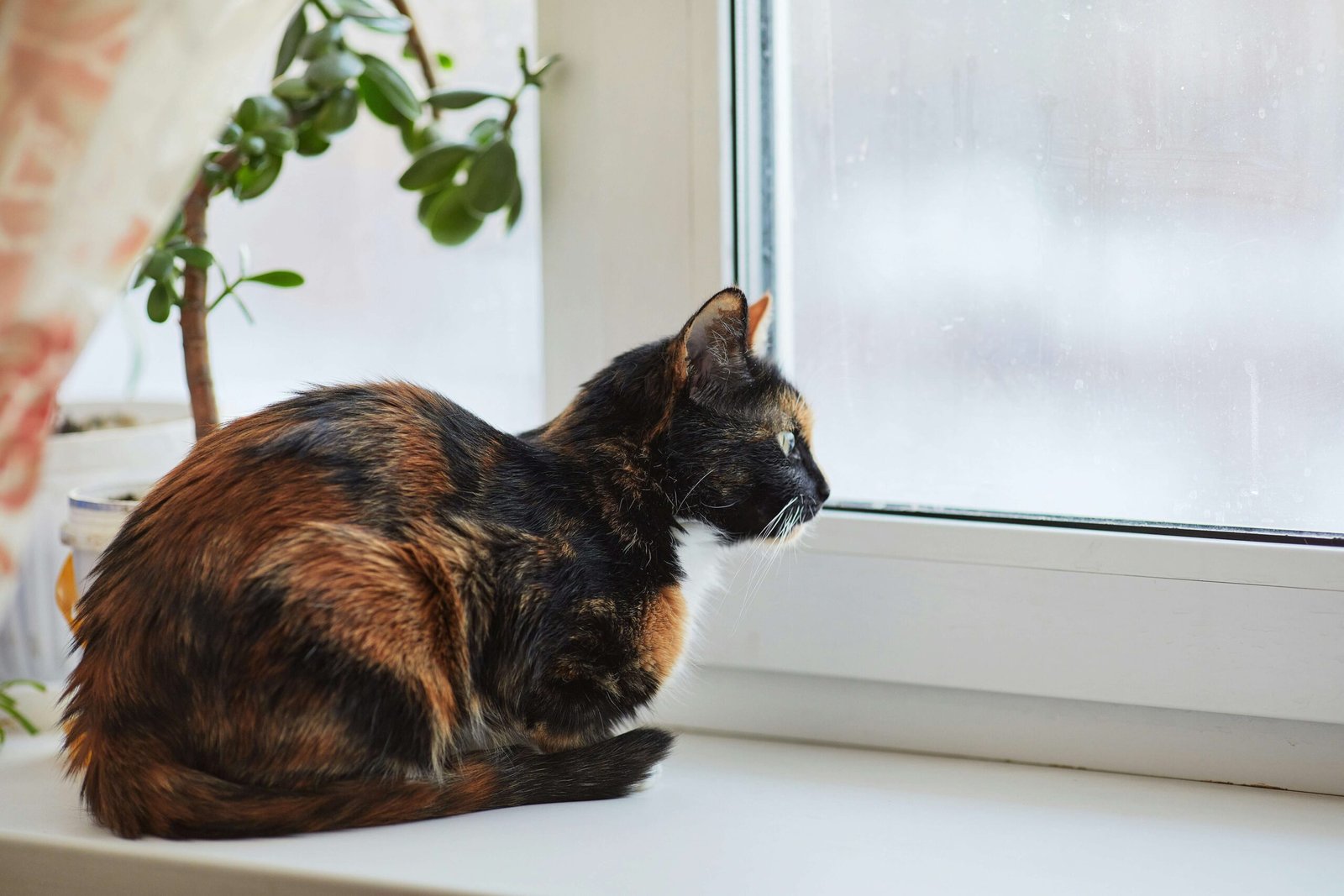
Tortoiseshell cats, with their striking patchwork coats and unique personalities, have long captured the hearts of cat lovers worldwide. Often referred to as “torties,” these felines are not a specific breed but rather a distinct coat pattern characterized by mottled black and orange hues. Many people wonder about the cost of adopting or purchasing a tortoiseshell cat, as prices can vary widely depending on several factors. Whether you’re considering bringing a tortie into your home or simply curious about their value, this guide will explore everything from pricing influences to the joys of owning one of these remarkable cats. Let’s dive in!
Factors That Influence Tortoiseshell Cat Prices
The price of a tortoiseshell cat is influenced by various factors, ranging from lineage to location. Understanding these elements can help you make an informed decision when searching for your perfect feline companion.
Breed Background:
While tortoiseshell is a coat pattern, some purebred cats may exhibit this coloring. Purebreds like Maine Coons or British Shorthairs with tortie patterns can command higher prices due to their pedigree.Age of the Cat:
Kittens typically cost more than adult cats because they are in higher demand and often require less time to adapt to new homes.Health and Vaccinations:
Cats that come fully vaccinated, dewormed, and spayed/neutered from reputable shelters or breeders may have a higher upfront cost.Location and Availability:
Prices can vary significantly based on geographic region. Urban areas or regions with fewer tortoiseshell cats available may see higher adoption fees.Adoption vs. Breeder Purchase:
Adopting a tortoiseshell cat from a shelter is generally more affordable than buying from a breeder, who may charge premium rates for rare traits or pedigrees.
Considering these factors ensures you understand what contributes to the overall cost of a tortoiseshell cat.
Where to Find Tortoiseshell Cats for Adoption or Purchase
Finding the right tortoiseshell cat involves knowing where to look and what options are available. Here are some common avenues to explore when searching for your new furry friend.
Local Animal Shelters:
Many shelters have tortoiseshell cats available for adoption at reasonable fees. Adoption also gives a deserving cat a second chance at happiness.Rescue Organizations:
Specialized rescue groups focused on cats or specific breeds often take in tortoiseshell cats, providing them with care until they find forever homes.Reputable Breeders:
If you’re looking for a purebred tortoiseshell cat, seek out ethical breeders who prioritize the health and well-being of their animals.Online Pet Platforms:
Websites dedicated to pet adoption or sales listings can connect you with local owners or organizations offering tortoiseshell cats.Community Networks:
Word-of-mouth referrals from friends, family, or social media groups can lead you to trustworthy sources for adopting or purchasing a tortie.
Exploring these options increases your chances of finding a healthy, happy tortoiseshell cat that fits your lifestyle and budget.
Check this guide 👉Tortoiseshell Cat vs Calico: Best 7 Expert Tips!
Check this guide 👉Tabby Cat vs Tortoiseshell: Best 7 Expert Tips!
Check this guide 👉Chimera Tortoiseshell Cat: Best 7 Expert Tips!
Adoption Options for Tortoiseshell Cats | Average Costs (USD) |
|---|---|
Local Animal Shelter | $50 – $150 |
Rescue Organization | $100 – $200 |
Reputable Breeder | $500 – $1,500+ |
Online Pet Listings | Varies widely |
Community Referrals | Free to moderate costs |
Hidden Costs of Owning a Tortoiseshell Cat
While the initial price of acquiring a tortoiseshell cat is important, it’s equally crucial to consider ongoing expenses associated with their care. Being prepared for these hidden costs ensures long-term financial stability.
Food and Nutrition:
High-quality cat food tailored to your tortie’s age, size, and dietary needs can add up over time. Budget for monthly food expenses accordingly.Veterinary Care:
Routine check-ups, vaccinations, dental cleanings, and unexpected medical emergencies require additional funds. Pet insurance can help mitigate these costs.Grooming Supplies:
While tortoiseshell cats typically groom themselves, occasional baths, nail trimming tools, and grooming brushes may still be necessary investments.Toys and Enrichment:
Keeping your tortie mentally stimulated requires toys, scratching posts, and other forms of environmental enrichment, which come with recurring costs.Litter Box Maintenance:
Regular purchases of litter, cleaning supplies, and litter box replacements contribute to ongoing expenses.
Understanding these hidden costs helps you plan effectively for your tortoiseshell cat’s lifelong care.
Personality Traits of Tortoiseshell Cats
Tortoiseshell cats are known not only for their vibrant coats but also for their distinctive personalities. These traits make them beloved companions, though they may not suit every household dynamic.
Independent Nature:
Tortoiseshell cats often display a strong sense of independence, preferring to explore and entertain themselves rather than constantly seeking attention.Playful Energy:
Many torties possess playful, energetic personalities, enjoying interactive games and activities that stimulate their curiosity.Affectionate Bonding:
Despite their independent streaks, tortoiseshell cats frequently form deep bonds with their owners, showing affection through purring and cuddling.Strong-Willed Behavior:
Known for their “tortitude,” these cats can sometimes exhibit stubbornness or sassiness, making them both challenging and endearing.Vocal Communication:
Some tortoiseshell cats are highly vocal, using meows and chirps to communicate their needs and desires effectively.
These personality traits highlight why tortoiseshell cats are cherished for their uniqueness and charm.
Health Considerations for Tortoiseshell Cats
Before welcoming a tortoiseshell cat into your home, it’s essential to be aware of potential health considerations. While torties are generally robust and healthy, certain factors warrant attention.
Genetic Conditions:
Some purebred tortoiseshell cats may inherit genetic disorders common to their breed, such as hypertrophic cardiomyopathy in Maine Coons.Spaying/Neutering Needs:
Most tortoiseshell cats are female, and spaying is recommended to prevent health issues like uterine infections or mammary tumors.Dental Health:
Like all cats, tortoiseshell cats are prone to dental problems such as gingivitis or periodontal disease if proper oral hygiene isn’t maintained.Obesity Risks:
Overfeeding can lead to obesity, which increases the risk of diabetes, arthritis, and other serious conditions. Monitor portion sizes carefully.Stress Sensitivity:
Tortoiseshell cats can be sensitive to changes in their environment, which may cause stress-related behaviors like excessive grooming or hiding.
Addressing these health considerations ensures your tortoiseshell cat enjoys a long, happy life by your side.
Fun Facts About Tortoiseshell Cats
Tortoiseshell cats are surrounded by fascinating myths and facts that add to their allure. Learning about their quirks and history deepens your appreciation for these captivating creatures.
Symbol of Good Luck:
In many cultures, tortoiseshell cats are considered good luck charms, often referred to as “money cats” or symbols of prosperity.Rare Male Torties:
Male tortoiseshell cats occur in only 1 out of every 3,000 torties, making them incredibly rare and sought after by collectors.Unique Coat Patterns:
No two tortoiseshell cats have identical markings, ensuring each tortie has a one-of-a-kind appearance.Cultural Legends:
Japanese folklore associates tortoiseshell cats with protection against ghosts and evil spirits, highlighting their mystical reputation.Nicknamed “Tortitude”:
The term “tortitude” was coined to describe the feisty, bold, and sassy personalities often exhibited by tortoiseshell cats.
These fun facts showcase the enchanting qualities that make tortoiseshell cats so extraordinary.
Tips for Caring for Your Tortoiseshell Cat
Proper care is essential to keep your tortoiseshell cat healthy and content. Follow these practical tips to create a nurturing environment for your feline companion.
Provide Scratching Surfaces:
Offer sturdy scratching posts or pads to satisfy your tortie’s natural urge to scratch and maintain healthy claws.Create Vertical Spaces:
Tortoiseshell cats love climbing and perching. Install cat trees or shelves to give them access to elevated spaces.Maintain a Balanced Diet:
Feed your tortie high-quality food rich in protein and nutrients to support their energy levels and overall health.Engage in Playtime:
Dedicate daily play sessions to bond with your cat and burn off excess energy, reducing the likelihood of destructive behaviors.Monitor Behavioral Changes:
Sudden shifts in behavior, appetite, or activity could indicate underlying health issues. Consult a vet promptly if concerns arise.
By implementing these tips, you can provide a loving and supportive home that meets all your tortoiseshell cat’s needs.
Frequently Asked Questions About Tortoiseshell Cat Prices
Why are some tortoiseshell cats more expensive than others?
Factors such as pedigree, coat pattern rarity, and breeder reputation can significantly impact the price.
Can I adopt a tortoiseshell cat instead of buying one?
Yes, many shelters and rescue organizations have tortoiseshell cats available for adoption at lower costs.
Are male tortoiseshell cats more expensive?
Male tortoiseshell cats are extremely rare due to genetic factors, making them more valuable if they do occur.
What is included in the adoption fee from a shelter?
Adoption fees typically cover vaccinations, spaying/neutering, microchipping, and a health check-up.
How can I ensure I’m not overpaying for a tortoiseshell cat?
Research average prices, compare multiple sources, and verify the cat’s health and documentation before committing.
Is a Tortoiseshell Cat Right for You?
Bringing a tortoiseshell cat into your life is a rewarding experience filled with love, laughter, and unforgettable moments. While their price tag reflects various factors such as breed, age, and acquisition method, the true value of a tortie lies in their companionship and unique character. By understanding the costs involved and preparing for their care, you can ensure a harmonious relationship with your new feline friend. Whether adopted or purchased, a tortoiseshell cat brings vibrancy and joy to any home—making them truly priceless.
Understanding Bone Supplement for Cats: Best 7 Expert Tips! – Safe, vet-approved guidance for strong feline bones & balanced nutrition.
Bone Supplement for Dogs: Best 7 Expert Tips! – Expert guide to calcium, collagen & bone health for every life stage.
Understanding Can Cats Get Sunburn: Best 7 Expert Tips! – Protect your feline from UV damage with vet-backed prevention strategies.
How to Train a Seizure Alert Dog: Best 7 Expert Tips! – Learn expert-backed steps to nurture natural instincts into reliable, life-saving seizure alerts.


