
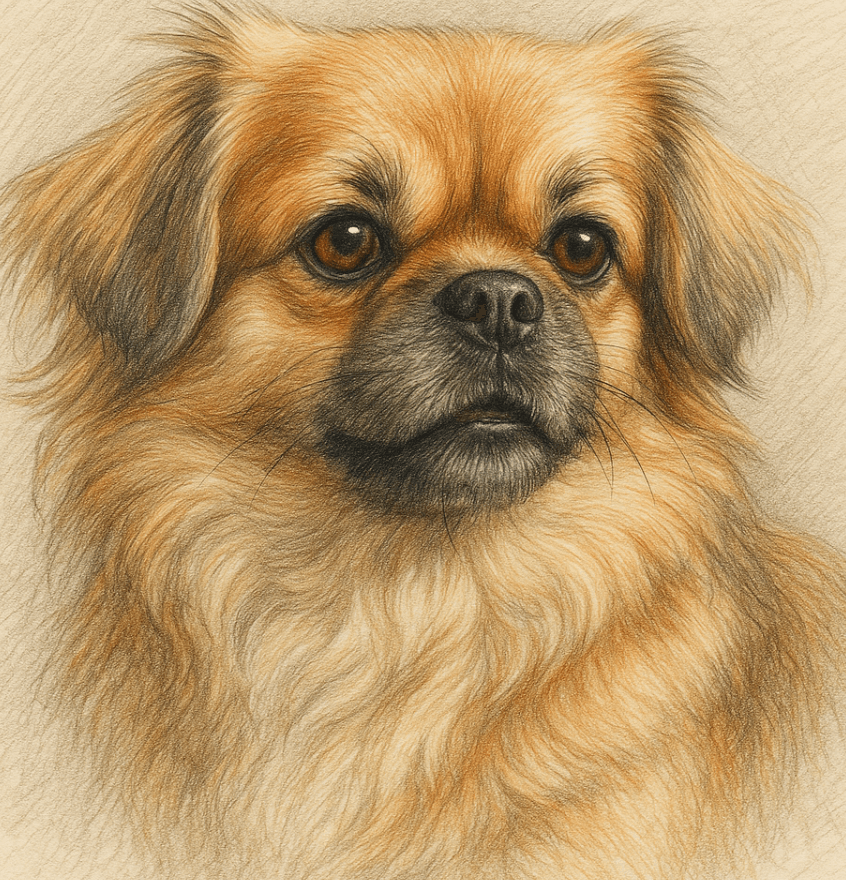

Tibetan Spaniel Dog: Best 7 Expert Tips!

Tibetan Spaniel Dog: Best 7 Expert Tips!

Discover the Charm of the Tibetan Spaniel Dog


The Tibetan Spaniel, often referred to as the “Tibbie,” is a small yet spirited breed with a rich history and an even richer personality. Originating in the Himalayan monasteries of Tibet, these dogs were cherished by monks and nobility alike for their companionship, loyalty, and watchful nature. Despite their compact size, Tibetan Spaniels are bursting with character, making them an ideal choice for families, singles, or seniors looking for a devoted four-legged friend. In this blog post, we’ll explore everything you need to know about the Tibetan Spaniel dog, from their unique traits to tips on caring for this delightful breed.

Key Characteristics of the Tibetan Spaniel Dog


The Tibetan Spaniel is a breed that stands out not just for its adorable appearance but also for its remarkable personality. Here’s a closer look at what makes this dog so special.

 
  • Small but Mighty:
    Weighing between 9 to 15 pounds, the Tibetan Spaniel is a toy breed with a sturdy build and a confident demeanor.

  • Distinctive Coat:
    Their long, silky double coat comes in a variety of colors, including gold, cream, white, and black, giving them a regal appearance.

  • Alert and Watchful:
    Known for their keen senses, Tibetan Spaniels make excellent watchdogs, always ready to alert their owners to any unusual activity.

  • Intelligent and Independent:
    This breed is highly intelligent but also has a streak of independence, requiring patience and consistency during training.

  • Affectionate Companions:
    Despite their aloofness with strangers, Tibetan Spaniels form deep bonds with their families, thriving on love and attention.


These characteristics highlight why the Tibetan Spaniel is both a joy to live with and a breed that demands thoughtful care.

Caring for Your Tibetan Spaniel Dog


Owning a Tibetan Spaniel comes with responsibilities to ensure their physical and emotional well-being. Here are some essential care tips to keep your Tibbie happy and healthy.

 
  • Grooming Needs:
    Their luxurious coat requires regular brushing—at least twice a week—to prevent tangles and matting.

  • Exercise Requirements:
    While they don’t need hours of exercise, daily walks and playtime are crucial to keep them physically fit and mentally stimulated.

  • Dietary Considerations:
    Feed your Tibetan Spaniel high-quality dog food formulated for small breeds to meet their nutritional needs.

  • Socialization:
    Early socialization helps them become more comfortable around strangers and other pets, reducing anxiety in new situations.

  • Health Monitoring:
    Regular vet check-ups can help detect potential issues like patellar luxation or progressive retinal atrophy (PRA), which are common in the breed.


By following these guidelines, you can provide a nurturing environment where your Tibetan Spaniel will thrive.

Tibetan Spaniel Dog: Best 7 Expert Tips!
Pros of Owning a Tibetan Spaniel
Cons of Owning a Tibetan Spaniel
Loyal and affectionate companion
Can be stubborn during training
Excellent watchdog abilities
Requires regular grooming
Adaptable to apartment living
May bark excessively if bored
Intelligent and quick to learn
Reserved with strangers
Long lifespan (12–15 years)
Prone to certain genetic conditions

Training Tips for Tibetan Spaniel Dogs


Training a Tibetan Spaniel can be a rewarding experience, provided you approach it with patience and consistency. These tips will help you navigate their unique temperament effectively.

 
  • Start Early:
    Begin training and socialization as puppies to establish good habits and build trust.

  • Use Positive Reinforcement:
    Reward-based methods work best with this sensitive breed; avoid harsh corrections.

  • Keep Sessions Short:
    Tibetan Spaniels have short attention spans, so aim for 5–10 minute training sessions multiple times a day.

  • Be Patient with Independence:
    Their independent streak means they may test boundaries—stay calm and consistent.

  • Focus on Recall Training:
    Teaching reliable recall ensures their safety during outdoor adventures.


With dedication and understanding, training your Tibetan Spaniel can strengthen your bond and bring out their best qualities.

Fun Facts About Tibetan Spaniel Dogs


Beyond their charming personalities, Tibetan Spaniels have fascinating histories and quirks that make them truly one-of-a-kind.

 
  • Ancient Heritage:
    Tibetan Spaniels date back over 2,000 years and were once considered sacred companions in Tibetan monasteries.

  • Lion-Like Appearance:
    Their fluffy mane and proud posture give them a lion-like resemblance, earning them admiration throughout history.

  • Gifted Ambassadors:
    Monks often gifted Tibetan Spaniels to visiting dignitaries, spreading their popularity across Asia and Europe.

  • Versatile Workers:
    Historically, they served as watchdogs, perched atop monastery walls to alert monks of approaching visitors.

  • Playful Tricksters:
    Known for their playful antics, Tibetan Spaniels love entertaining their humans with clever behaviors.


These fun facts showcase the depth and charm of the Tibetan Spaniel, adding to their allure as a beloved pet.


Common Health Issues in Tibetan Spaniel Dogs


Like all breeds, Tibetan Spaniels are prone to certain health conditions that owners should be aware of. Early detection and preventive care can significantly improve their quality of life.

 
  • Patellar Luxation:
    A condition where the kneecap dislocates, causing lameness or discomfort. Surgery may be required in severe cases.

  • Progressive Retinal Atrophy (PRA):
    A genetic eye disorder leading to gradual vision loss. Regular eye exams can help monitor this condition.

  • Allergies:
    Tibetan Spaniels may develop skin or food allergies, requiring dietary adjustments or medication.

  • Dental Problems:
    Small breeds like Tibetan Spaniels are prone to dental issues, emphasizing the importance of regular teeth cleaning.

  • Hip Dysplasia:
    Though less common, hip dysplasia can occur, affecting mobility and comfort.


Understanding these risks allows you to take proactive steps to safeguard your Tibetan Spaniel’s health.


Activities That Keep Tibetan Spaniels Happy


Tibetan Spaniels may be small, but they have big personalities and plenty of energy. Engaging them in activities tailored to their needs keeps them content and well-behaved.

 
  • Interactive Toys:
    Puzzle toys challenge their minds and satisfy their curiosity, preventing boredom.

  • Agility Training:
    Short agility courses designed for small breeds boost their confidence and physical fitness.

  • Daily Walks:
    Even a leisurely stroll around the neighborhood provides essential mental and physical stimulation.

  • Fetch Games:
    Playing fetch indoors or outdoors taps into their natural instincts and burns off excess energy.

  • Cuddle Time:
    Tibetan Spaniels adore spending quality time with their humans, whether lounging or snuggling.


Incorporating these activities ensures your Tibbie remains happy, healthy, and entertained.


Tips for Grooming Your Tibetan Spaniel Dog


The Tibetan Spaniel’s beautiful coat requires regular maintenance to keep it looking its best. Follow these grooming tips to simplify the process and keep your dog comfortable.

 
  • Brush Regularly:
    Use a slicker brush or comb to detangle their coat and remove loose hair, especially behind the ears and legs.

  • Bathe Sparingly:
    Bathe your Tibbie only when necessary to avoid stripping their coat of natural oils.

  • Trim Hair Around Paws:
    Keep the fur between their paw pads trimmed to prevent matting and improve traction.

  • Check Ears Weekly:
    Inspect their ears for dirt or signs of infection, cleaning them gently with a vet-approved solution.

  • Nail Trimming:
    Trim their nails every few weeks to prevent overgrowth and discomfort.


A well-groomed Tibetan Spaniel not only looks stunning but feels great too!

Frequently Asked Questions About Tibetan Spaniel Dogs

 
Are Tibetan Spaniels good with children?

Yes, they generally get along well with kids who treat them kindly and respectfully.

They require moderate exercise, such as a daily walk and some playtime, to stay healthy and happy.

They shed moderately year-round and heavily during seasonal changes, requiring extra grooming during those times.

They are intelligent but can be stubborn, so consistent, reward-based training works best.

With proper care, they typically live 12–15 years, making them a long-term commitment.

Why the Tibetan Spaniel Dog Could Be Your Perfect Companion


The Tibetan Spaniel is a breed that combines elegance, intelligence, and a loving nature into a pint-sized package. Whether you’re drawn to their historical significance, their playful demeanor, or their loyal companionship, there’s no denying the unique appeal of the Tibbie. By understanding their needs and embracing their quirks, you can create a fulfilling partnership with this remarkable dog. If you’re ready for a furry friend who will fill your life with joy and devotion, the Tibetan Spaniel might just be the perfect match for you.

 
Is Rawhide Bad for Cats? Best 7 Expert Tips!

Is Rawhide Bad for Cats? Best 7 Expert Tips! – Discover the risks, safe alternatives, and expert advice to keep your feline friend healthy and happy.

Is Rawhide Bad for Dogs? Best 7 Expert Tips!

Is Rawhide Bad for Dogs? Best 7 Expert Tips! – Discover the risks, benefits, and safer alternatives to rawhides for your dog’s chewing needs.

Understanding Anorexia in Cats: Best 7 Expert Tips!

Understanding Anorexia in Cats: Best 7 Expert Tips! – Learn why cats stop eating, spot warning signs, and discover how to help your feline regain appetite safely.

Understanding Anorexia in Dogs: Best 7 Expert Tips!

Understanding Anorexia in Dogs: Best 7 Expert Tips! – Learn causes, symptoms, and solutions to help your dog regain appetite and stay healthy.

Leave a Reply

Your email address will not be published. Required fields are marked *