
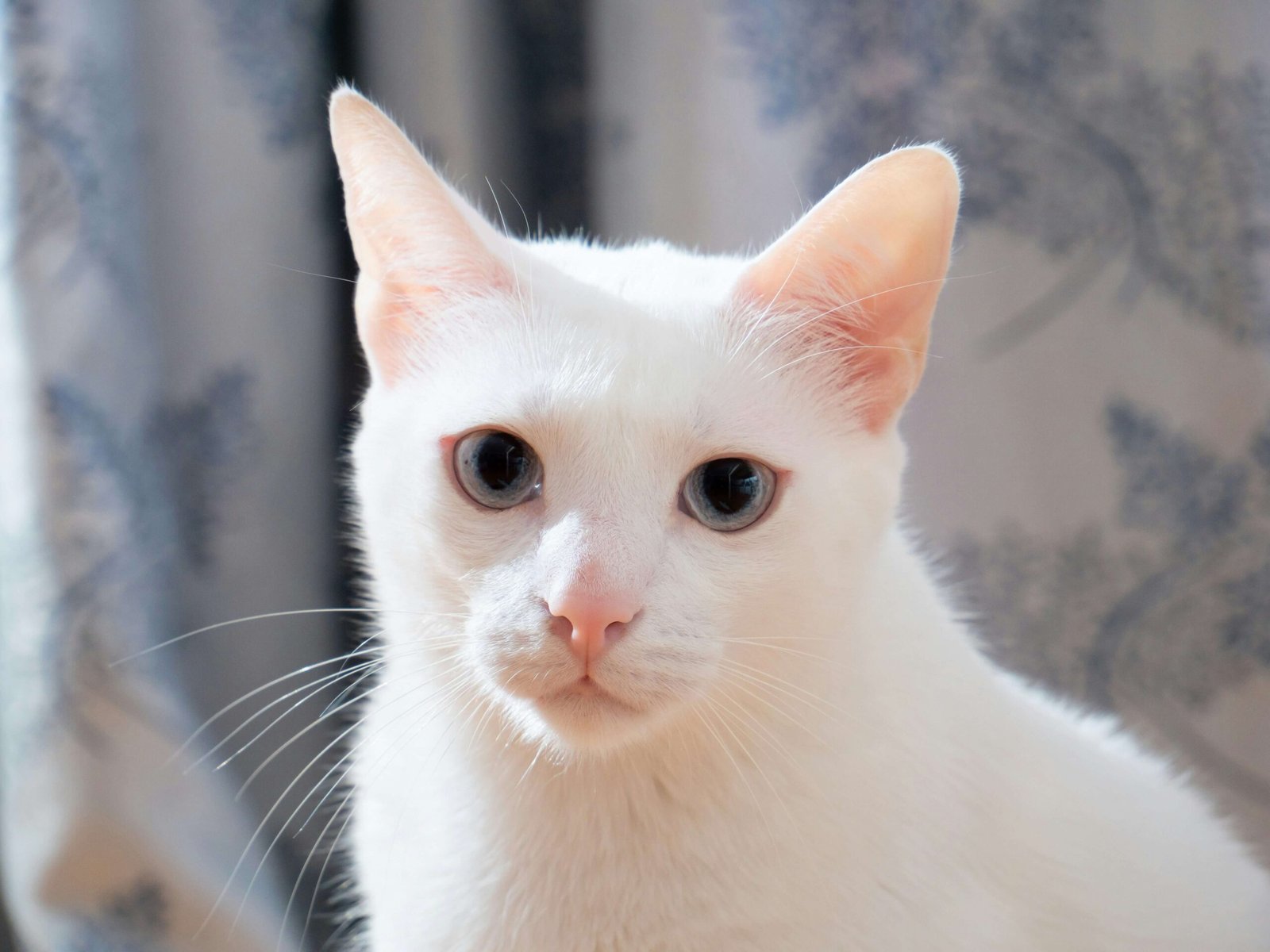
The Surprising World of Cat Saliva
Cats are fascinating creatures, and their unique biology often leaves us intrigued. One of the lesser-known but intriguing aspects of our feline friends is their saliva. While we may not think about it often, cat saliva plays a crucial role in their health, grooming habits, and even their interactions with humans. From its antibacterial properties to its role in wound healing, cat saliva is far more complex than meets the eye. In this blog post, we’ll dive into the science behind cat saliva, explore its benefits and potential risks, and uncover why this seemingly ordinary fluid is anything but mundane.
What Makes Cat Saliva Unique?
Cat saliva is a remarkable biological fluid that serves multiple purposes for our furry companions. Below, we’ll explore some of its most fascinating characteristics:
Natural Antibacterial Properties
Cats have enzymes in their saliva that help combat bacteria and infections. This is particularly useful when they groom themselves or tend to minor wounds.Lysosome Enzymes
These enzymes break down dead tissue and promote faster healing. They are part of the reason cats can often clean their own injuries effectively.Moisturizing Qualities
Cat saliva contains proteins that help distribute natural oils across their fur, keeping it soft and shiny while also regulating body temperature.Wound Cleaning Mechanism
When a cat licks a wound, its saliva helps remove debris and prevents infection, showcasing its innate ability to self-heal.Temperature Regulation
Through evaporation during grooming, saliva helps cool a cat’s body, especially in warmer climates.
In summary, cat saliva is a multifunctional tool that supports both hygiene and health. Its complexity is a testament to the incredible adaptability of these beloved pets.
The Role of Cat Saliva in Grooming
Grooming is an essential part of a cat’s daily routine, and saliva plays a pivotal role in this process. Here’s how cat saliva contributes to their impeccable grooming habits:
Dirt Removal
When cats lick their fur, saliva acts as a natural cleanser, removing dirt, dust, and loose hairs.Fur Conditioning
The proteins in saliva help condition the fur, making it sleek and reducing tangles.Parasite Control
Saliva can help dislodge fleas or ticks during grooming, although additional treatments are often necessary for full protection.Scent Marking
By spreading saliva across their fur, cats leave behind their scent, which helps them feel secure in their environment.Stress Relief
Grooming with saliva has a calming effect, similar to how humans might find comfort in repetitive actions like brushing hair.
Clearly, cat saliva is not just about cleanliness—it’s an integral part of their emotional and physical well-being.
Check this guide 👉Why Is My Cat Drooling Thick Saliva? Best 7 Expert Tips!
Check this guide 👉Why Does Your Cat Drool When Purring? Best 7 Expert Tips!
Benefits of Cat Saliva | Potential Risks of Cat Saliva |
|---|---|
Natural antibacterial properties | Risk of transmitting zoonotic diseases |
Promotes wound healing | Allergic reactions in sensitive humans |
Helps regulate body temperature | Possible infection from deep wounds |
Aids in parasite removal | Overgrooming leading to skin irritation |
Enhances fur shine and softness | Spread of bacteria through licking |
How Does Cat Saliva Affect Humans?
While cat saliva has numerous advantages for felines, its interaction with humans can sometimes pose challenges. Here’s what you need to know:
Zoonotic Disease Transmission
Certain bacteria present in cat saliva, such as Pasteurella, can cause infections in humans if transmitted through bites or scratches.Allergies Triggered by Proteins
Some individuals are allergic to proteins found in cat saliva, which can lead to sneezing, itching, or respiratory issues.Risk of Infection from Licks
Although rare, open wounds licked by cats can become infected due to the presence of harmful bacteria.Emotional Bonding Through Contact
Despite the risks, many pet owners feel closer to their cats through interactions that involve saliva, such as gentle head-butts or grooming behaviors.Precautions for Immunocompromised Individuals
People with weakened immune systems should take extra care to avoid direct contact with cat saliva to prevent complications.
Understanding these dynamics ensures a safer coexistence between humans and their feline companions.
Tips for Managing Cat Saliva Around the Home
Living with cats means accepting a certain level of exposure to their saliva. However, there are ways to minimize potential risks while maximizing the joy of having a cat. Consider the following tips:
Regular Veterinary Check-Ups
Ensure your cat receives routine vaccinations and dental care to reduce harmful bacteria in their saliva.Proper Wound Care
If scratched or bitten, clean the area immediately with soap and water to prevent infection.Discourage Aggressive Behavior
Teach your cat not to bite or excessively lick humans to reduce saliva-related incidents.Keep Living Spaces Clean
Regularly wash bedding, toys, and surfaces where your cat spends time to limit bacterial spread.Monitor Overgrooming Habits
Excessive grooming could indicate stress or skin problems; consult a vet if you notice unusual behavior.
By implementing these strategies, you can enjoy a harmonious relationship with your cat while staying safe.
The Healing Properties of Cat Saliva
While cat saliva is often misunderstood, its healing properties are worth exploring. Cats have evolved to use their saliva as a natural first-aid kit, and here’s how it works:
Antibacterial Enzymes
Cat saliva contains enzymes like lysozyme, which can break down the cell walls of certain bacteria, reducing the risk of infection.Wound Debridement
When cats lick their wounds, their saliva helps remove dead tissue, promoting faster healing and preventing complications.Natural Pain Relief
Some studies suggest that compounds in cat saliva may have mild analgesic effects, helping to soothe discomfort during the healing process.Stimulating Blood Flow
The act of licking increases blood circulation around the wound area, which aids in recovery.Reducing Inflammation
Certain proteins in saliva may help reduce swelling and redness, contributing to a quicker healing process.
In conclusion, while not a substitute for professional medical care, cat saliva demonstrates remarkable natural healing abilities that benefit our feline friends.
Why Do Cats Spread Their Saliva on Objects?
Cats often leave traces of their saliva on objects, and this behavior has deeper meanings rooted in their instincts. Here’s what you need to know:
Territorial Marking
Cats spread saliva on objects to mark their territory, as saliva contains scent glands that communicate ownership to other animals.Comfort and Familiarity
By leaving their scent on items, cats create a sense of security and familiarity in their environment.Social Bonding
When cats groom each other or share saliva, it strengthens social bonds within a group or household.Exploration Tool
Cats sometimes lick unfamiliar objects to gather information about them through taste and scent receptors in their saliva.Calming Mechanism
Spreading saliva on objects can also serve as a self-soothing behavior during times of stress or anxiety.
This behavior highlights the intricate ways cats interact with their surroundings and underscores their reliance on saliva for communication and comfort.
Common Misconceptions About Cat Saliva
Despite its fascinating qualities, cat saliva is surrounded by myths and misconceptions. Let’s debunk some of these misunderstandings:
“Cat Saliva Heals Human Wounds”
While cat saliva has antibacterial properties, it is not a safe or effective treatment for human wounds due to the risk of infection.“All Cats Have Identical Saliva”
The composition of cat saliva can vary depending on factors like age, diet, and overall health, making it unique to each individual.“Cat Saliva Causes Allergies Directly”
Most allergies are triggered by proteins found in a cat’s skin (dander), not their saliva, although saliva can spread these allergens.“Licking Is Always a Sign of Affection”
While licking can indicate affection, it may also signify curiosity, territorial marking, or even stress.“Cat Saliva Is Harmless to Other Pets”
In rare cases, cat saliva can transmit infections to other animals, especially if they have open wounds or weakened immune systems.
By addressing these misconceptions, we gain a clearer understanding of cat saliva and its true role in the lives of both cats and their human companions.
FAQ
Is cat saliva dangerous for humans?
While generally harmless, cat saliva can carry bacteria that may cause infections in humans, particularly through bites or scratches.
Can I get sick from my cat licking me?
It’s unlikely, but people with open wounds or compromised immune systems should avoid contact with cat saliva to prevent infections.
Why do cats lick themselves so much?
Cats groom themselves frequently to stay clean, regulate body temperature, and mark their territory with scent.
Are there any benefits to cat saliva?
Yes, it has natural antibacterial properties and aids in wound healing for cats.
How can I reduce exposure to cat saliva at home?
Regular cleaning, discouraging aggressive licking, and maintaining your cat’s health through vet visits can help minimize risks.
Final Thoughts on Cat Saliva
Cat saliva is a marvel of nature, serving countless functions that contribute to a cat’s health and well-being. From its antibacterial prowess to its role in grooming and temperature regulation, it’s clear that this unassuming fluid is anything but ordinary. However, it’s equally important to recognize the potential risks associated with cat saliva, especially for humans. By understanding its complexities and taking appropriate precautions, we can continue to cherish our feline companions without compromising safety. After all, the bond between humans and cats is one of life’s greatest joys—and even something as simple as saliva reminds us of how extraordinary these animals truly are.
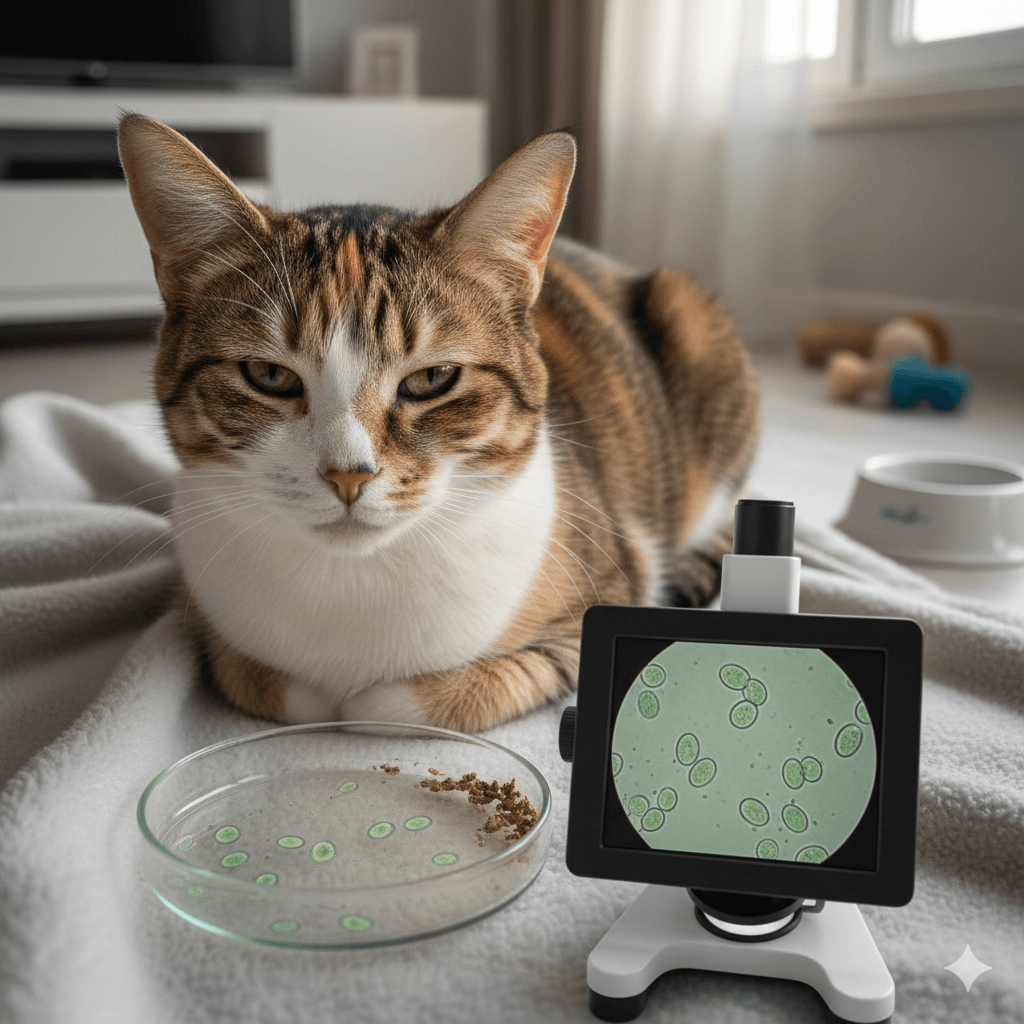
Understanding Cryptosporidium in Cats: Best 7 Expert Tips! – Spot symptoms, treat safely, and stop parasite spread in your home.
Understanding Cryptosporidium in Dogs: Best 7 Expert Tips! – Learn symptoms, treatment & prevention for this stubborn gut parasite.
Understanding Syringomyelia in Cats: Best 7 Expert Tips! – Recognize signs, manage pain, and support your cat’s neurological health with vet-backed guidance.

Understanding Syringomyelia in Dogs: Best 7 Expert Tips! – Expert insights on symptoms, MRI diagnosis, pain management & quality of life.