
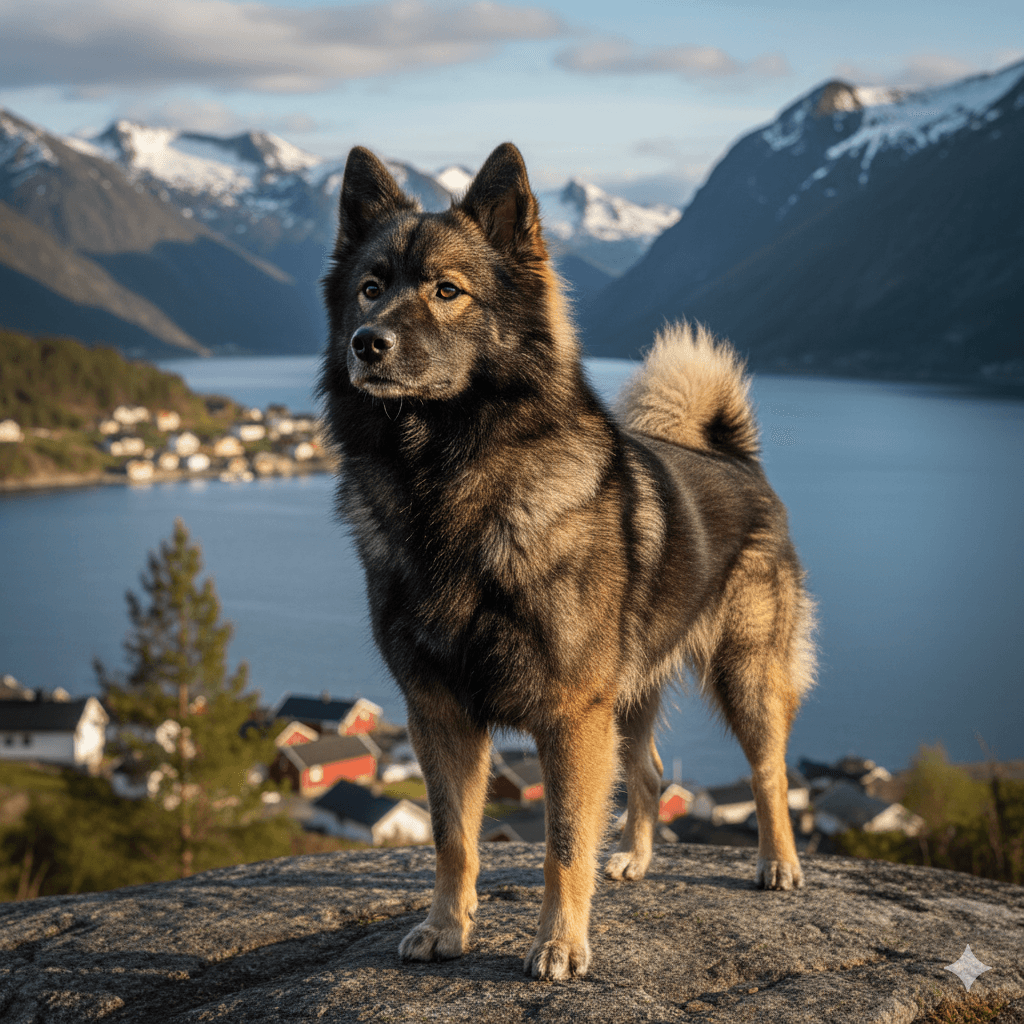

The Norwegian Spitz Dog: Best 7 Expert Tips!

The Norwegian Spitz Dog: Best 7 Expert Tips!

The Norwegian Spitz Dog: A Loyal, Fluffy Guardian from the North

Imagine a bright-eyed, pure-white dog with a fox-like face, a plumed tail curled over its back, and an alert, cheerful demeanor—this is the Norwegian Spitz. Though lesser-known outside Scandinavia, this breed blends the intelligence of a working farm dog with the affection of a devoted family companion. Bred for versatility in Norway’s rugged terrain, the Norwegian Spitz is alert, hardy, and naturally protective without being aggressive. If you’re drawn to a cheerful, low-shedding (yes, really!) Nordic breed with strong instincts and a loving heart, the Norwegian Spitz may be your ideal match.

Origins and History of the Norwegian Spitz

Long overshadowed by its more famous Nordic cousins like the Norwegian Elkhound, the Norwegian Spitz has quietly served Norwegian farmsteads for centuries. Its history is woven into rural life, where versatility and vigilance were essential traits.

 
  • Farmstead Watchdog Roots:
    Norwegian Spitz dogs guarded homes, barns, and livestock across rural Norway, barking to alert owners of strangers or predators.
     
  • Near Extinction and Revival:
    By the mid-20th century, the breed nearly vanished due to declining farm populations—dedicated enthusiasts revived it in the 1950s and 1960s.
     
  • Distinct from Other Spitz Breeds:
    Though similar in appearance to the Finnish Spitz or Japanese Shiba, the Norwegian Spitz is a separate, native Norwegian breed with unique lineage.
     
  • Official Recognition Timeline:
    The Norwegian Kennel Club recognized the breed in 1955, but international kennel clubs (like the FCI and AKC) have yet to grant full recognition.
     
  • Cultural Symbol of Resilience:
    In Norway, the breed symbolizes self-reliance and rustic charm—often featured in children’s books and folk tales as a clever, loyal helper.
 

Though modest in global presence, the Norwegian Spitz carries a proud legacy of rural guardianship and quiet companionship.

The Norwegian Spitz Dog: Best 7 Expert Tips!

Distinctive Physical Traits of the Norwegian Spitz

Compact, snow-white, and built for Nordic climates, the Norwegian Spitz turns heads with its striking simplicity and functional elegance. Every physical feature reflects its role as an alert, all-weather farm dog.

 
  • Pure White Double Coat:
    A thick, weather-resistant outer coat and soft undercoat keep it warm in winter—uniquely, it sheds minimally year-round and is often allergy-friendly.

     
  • Fox-Like Head and Expression:
    Almond-shaped dark eyes, small erect ears, and a slightly tapered muzzle give it an intelligent, perpetually curious look.

     
  • Compact and Balanced Build:
    Standing 16–20 inches tall and weighing 25–35 pounds, it’s medium-small with a square, agile frame ideal for quick movement.

     
  • Plumed Tail Over the Back:
    The tail curls tightly over the spine—a classic spitz hallmark that adds to its expressive silhouette.

     
  • Light, Efficient Gait:
    Its movement is smooth and effortless, covering ground quickly without wasted energy—perfect for patrolling large farmsteads.
 

These traits aren’t just beautiful—they’re the result of generations shaped by Norway’s demanding landscape and practical needs.

Temperament Highlights
Care Considerations
Cheerful and alert family companion
Weekly brushing (more during seasonal blowouts)
Naturally watchful—excellent watchdog
Rarely needs professional grooming
Good with respectful children
Moderate exercise: 45–60 minutes daily
Reserved but not aggressive with strangers
Thrives in cool climates; avoid hot summers
Intelligent but independent-minded
Early training essential to prevent barking habits

Personality and Temperament: Bright, Watchful, and Deeply Devoted

The Norwegian Spitz strikes a rare balance: it’s both a vigilant guardian and a gentle, playful family friend. It bonds closely with its people but retains the dignified independence typical of Nordic breeds.

 
  • Loyal Family Member:
    Once bonded, it follows its favorite humans from room to room, offering quiet companionship without clinginess.
     
  • Natural Watchdog Instincts:
    It will bark confidently at unfamiliar sounds or visitors—making it an excellent early-alert system for homes or farms.
     
  • Gentle with Trusted Children:
    While affectionate, it prefers calm interaction; best with older kids who understand respectful pet handling.
     
  • Calm Indoors, Energetic Outdoors:
    Inside the home, it’s typically relaxed and quiet; outside, it loves exploring, hiking, or playing fetch with focus and joy.
     
  • Reserved with Strangers:
    Not shy or fearful—but cautious until properly introduced. Early socialization prevents excessive wariness.
 

This breed doesn’t seek constant attention, but its quiet presence and steady loyalty make it a deeply rewarding companion.

Training and Socialization Tips for Norwegian Spitz Owners

Training the Norwegian Spitz requires patience, consistency, and respect for its thoughtful nature. It’s quick to learn but won’t obey blindly—it needs to understand “why.”

 
  • Start Socialization Early:
    Expose puppies to varied people, surfaces, sounds, and other animals before 16 weeks to build confidence and prevent aloofness.
     
  • Use Positive, Reward-Based Methods:
    Harsh corrections backfire; instead, use treats, praise, and play to motivate. Keep sessions upbeat and under 15 minutes.
     
  • Address Barking Proactively:
    Teach a reliable “quiet” command early—its watchdog nature means it will bark unless trained otherwise.
     
  • Focus on Recall Training:
    Strong prey drive may trigger chasing; practice off-leash recall in secure areas using high-value rewards.
     
  • Incorporate Mental Challenges:
    Puzzle toys, scent games, or agility basics satisfy its intelligence and prevent boredom-related behaviors.
 

With the right approach, the Norwegian Spitz becomes a responsive, well-mannered partner who retains its dignified spark.

Grooming and Health Needs of the Norwegian Spitz

Despite its lush coat, the Norwegian Spitz is surprisingly low-maintenance—thanks to its unique, non-matting fur and robust health.

 
  • Coat Care Made Easy:
    Brush once a week with a slicker brush; during spring/fall shedding peaks, brush 2–3 times weekly to remove loose undercoat.
     
  • Bathing Only as Needed:
    Natural oils protect the skin—bathe only every 2–3 months or when visibly dirty to avoid dryness.
     
  • Dental and Ear Hygiene:
    Check ears weekly for wax or odor; brush teeth 2–3 times weekly to support long-term health.
     
  • Generally Healthy Genetics:
    Few known hereditary issues; reputable breeders screen for hip dysplasia and eye conditions as a precaution.
     
  • Longevity and Wellness:
    With proper care, this breed lives 12–15 years—supported by balanced nutrition, regular vet visits, and mental engagement.
 

Its coat may look high-effort, but in reality, the Norwegian Spitz is one of the most manageable Nordic breeds to groom.

Living with a Norwegian Spitz: Ideal Home and Lifestyle Fit

This breed adapts well to various homes—but thrives only when its instincts and emotional needs are honored.

 
  • Excellent for Suburban or Rural Homes:
    Its alert nature suits homes with yards or farms; it’s less ideal for dense urban apartments due to barking tendencies.
     
  • Loves Outdoor Activity:
    Daily walks, hikes, or play sessions in cool weather keep it physically and mentally fulfilled—especially in fall or winter.
     
  • Not a High-Maintenance Companion:
    Unlike clingy breeds, it’s content with quiet companionship and doesn’t demand constant interaction.
     
  • Good with Other Pets (If Socialized):
    Can coexist with cats or dogs if raised together, but may chase small animals due to strong prey drive.
     
  • Allergy-Friendly Surprise:
    Its minimal shedding and low dander production often make it suitable for mild allergy sufferers—uncommon among double-coated breeds.
 

The Norwegian Spitz isn’t flashy or demanding—but for the right owner, it’s the perfect blend of beauty, brains, and quiet devotion.

Potential Challenges of Owning a Norwegian Spitz

While deeply rewarding, this breed isn’t for everyone. Understanding its nuances ensures a happier life for both dog and owner.

 
  • Barking Tendency:
    Its watchdog instinct means it will vocalize frequently—training and management are essential in noise-sensitive areas.
     
  • Independent Thinking:
    It assesses commands before obeying; patience and consistency are key to building trust and cooperation.
     
  • Heat Sensitivity:
    Thick coat makes it prone to overheating—limit activity in summer and provide cool, shaded rest areas.
     
  • Rarity Outside Norway:
    Finding a reputable breeder can be difficult in North America or Asia; expect waiting lists or import considerations.
     
  • Need for Mental Engagement:
    Without stimulation, it may resort to digging, barking, or escaping—daily mental exercise is non-negotiable.
 

Acknowledging these traits upfront helps you prepare—and ultimately fosters a stronger, more respectful bond with your Nordic friend.

Frequently Asked Questions About the Norwegian Spitz Dog

Is the Norwegian Spitz rare?

Yes—especially outside Scandinavia. It’s recognized in Norway and parts of Europe but remains uncommon globally.

Surprisingly, no. It blows its undercoat twice a year but sheds minimally otherwise—making it one of the cleaner spitz breeds.

Generally yes, especially if socialized early. However, it may be aloof rather than overly friendly with unfamiliar dogs.

Possible with dedicated exercise and barking management—but it’s happiest with outdoor access in a quieter setting.

Not technically—but its low dander and minimal shedding often make it tolerable for people with mild allergies.

A Nordic Treasure Waiting to Be Discovered

The Norwegian Spitz may not parade in dog shows or star in movies—but for those who value quiet loyalty, natural beauty, and steadfast vigilance, it’s a hidden gem. With its snow-white coat, fox-like intelligence, and gentle heart, this breed offers companionship that’s both practical and profoundly heartfelt. If you’re seeking a dog that’s alert without being anxious, affectionate without being needy, and resilient without being rugged, the Norwegian Spitz might just be your perfect Nordic soulmate. After all, sometimes the best companions aren’t the loudest—but the ones who stand by you, steady and sure, through every season.

Do Cats Have Taste Buds? Best 7 Expert Tips!

Do Cats Have Taste Buds? Best 7 Expert Tips! – Discover how cats experience flavors and why their taste is so unique.

Do Dogs Have Taste Buds? Best 7 Expert Tips!

Do Dogs Have Taste Buds? Best 7 Expert Tips! – Discover how dogs experience taste, their preferences, and what it means for their diet and health.

Can Cats Taste Sweet? Best 7 Expert Tips!

Can Cats Taste Sweet? Best 7 Expert Tips! – Discover why cats can’t taste sweetness, how it affects their diet, and tips to keep them healthy and happy.

Can Dogs Taste Sweet? Best 7 Expert Tips!

Can Dogs Taste Sweet? Best 7 Expert Tips! – Discover how dogs perceive sweetness, which foods are safe, and tips to manage their sweet cravings responsibly.

Leave a Reply

Your email address will not be published. Required fields are marked *

Recent Post

Post Category


