
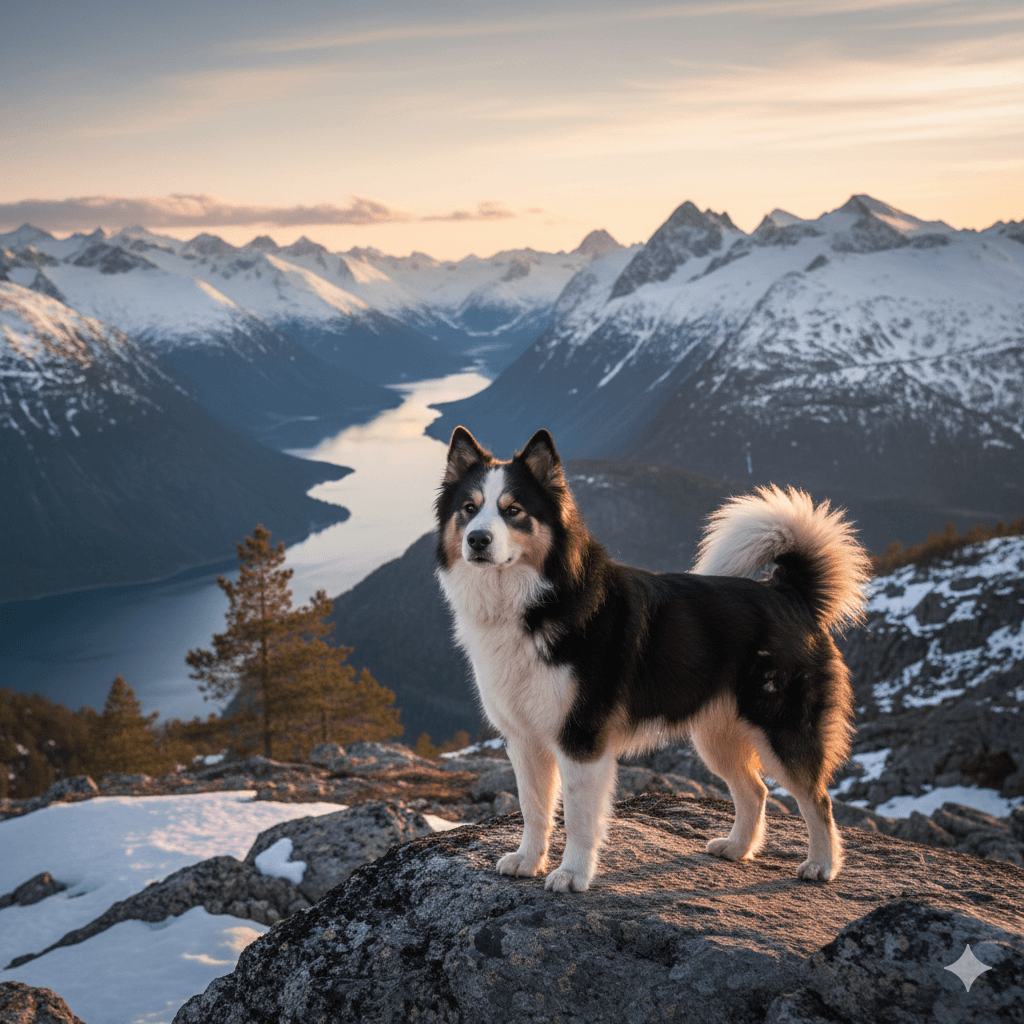

The Norwegian Mountain Dog: Best 7 Expert Tips!
Discover the rugged charm and loyal spirit of the Norwegian Mountain Dog—a versatile, hardy breed built for endurance, companionship, and working life in Scandinavia’s demanding landscapes. Though not officially recognized by major kennel clubs under this exact name, the term often refers to native Nordic spitz-type dogs like the Norwegian Buhund or regional farm guardians long valued for their intelligence and resilience. These dogs combine alertness with affection, making them exceptional partners for active households. If you’re drawn to a canine with a thick coat, sharp instincts, and a heart full of devotion, the Norwegian Mountain Dog may be your ideal match.
Origins and History of the Norwegian Mountain Dog
Rooted in the fjords, forests, and farms of Norway, the Norwegian Mountain Dog descends from ancient spitz-type canines that accompanied Vikings over a thousand years ago. Archaeological evidence, including burial sites with dog remains, confirms their long-standing role as all-purpose helpers in rural Scandinavian life.
- Viking-Era Heritage:
Skeletal remains found in Norse burial grounds suggest these dogs served as hunters, herders, and protectors as far back as 900 AD. - Farm and Fjord Workhorse:
For centuries, they guarded livestock, herded sheep and cattle, and alerted homesteaders to strangers or predators in remote mountain terrain. - Spitz Family Ties:
Genetically and physically linked to other Nordic breeds like the Icelandic Sheepdog and Swedish Lapphund, they share pointed ears, curled tails, and weather-resistant coats. - Near Extinction and Revival:
By the early 20th century, modernization threatened these landrace dogs; dedicated enthusiasts helped preserve their type through careful breeding. - Modern Identity:
While not a formal AKC breed, “Norwegian Mountain Dog” is often used colloquially to describe traditional working dogs of Western Norway—valued more for function than pedigree.
Though rarely seen outside Scandinavia, their legacy lives on in every bark that echoes through Norway’s valleys and every loyal gaze turned toward their human.
Distinctive Physical Traits of the Norwegian Mountain Dog
Compact yet sturdy, the Norwegian Mountain Dog boasts a build designed for agility, cold resistance, and all-day stamina. Its appearance reflects centuries of natural and functional selection—every feature serves a purpose.
- Medium, Athletic Frame:
Typically 16–20 inches tall and weighing 25–45 pounds, they’re agile enough for rocky trails yet strong enough to manage livestock. - Double-Layered Weatherproof Coat:
A dense undercoat and straight, medium-length outer coat shield against snow, rain, and wind—ideal for subarctic climates. - Wedge-Shaped Head and Pricked Ears:
Their fox-like face, dark almond eyes, and erect ears give them an ever-alert expression, crucial for spotting game or danger. - Curled or Sickle Tail:
The tail often curls over the back when the dog is alert or moving—a classic spitz trait that also helps conserve warmth. - Color and Markings:
Common colors include black, wolf-gray, wheaten, or red, sometimes with white markings on the chest, feet, or tail tip for visibility in snow.
These aren’t just aesthetic choices—they’re survival adaptations honed over generations in Norway’s unforgiving highlands.
Check this guide 👉Dog Sledding in Norway: Best 7 Expert Tips!
Check this guide 👉Black Formosan Mountain Dog: Best 7 Expert Tips!
Check this guide 👉Alaskan Mountain Dog: Best 7 Expert Tips!
Temperament Highlights | Care Considerations |
|---|---|
Alert and naturally watchful | Weekly brushing (daily during shedding seasons) |
Loyal and deeply bonded to family | Needs mental stimulation to prevent boredom |
Independent but trainable | Moderate to high exercise needs (60+ mins/day) |
Good with respectful children | Sensitive to hot climates—avoid summer midday walks |
Reserved with strangers | Early socialization essential to prevent shyness |
Personality and Temperament: Loyal, Intelligent, and Resilient
The Norwegian Mountain Dog is neither a clingy lapdog nor a distant working machine—it strikes a rare balance between independence and devotion. Deeply attuned to its environment, it thrives when given a job, whether that’s hiking, herding, or simply guarding the home with quiet vigilance.
- Natural Guardian Instincts:
They’ll alert you to anything unusual but rarely show aggression without cause—making them excellent watchdogs, not attack dogs. - Strong Bond with Family:
Once trust is earned, they’re affectionate, gentle, and often follow their favorite person from room to room. - Thinkers, Not Just Doers:
Bred to make split-second decisions in the field, they assess situations before acting—sometimes mistaken for stubbornness. - Playful with Purpose:
Games involving scent, retrieval, or problem-solving engage them far more than repetitive fetch. - Calm Indoors, Energetic Outdoors:
They’re often quiet and composed at home but transform into tireless adventurers on trails or open land.
This breed isn’t for everyone—but for the right owner, it offers unwavering loyalty wrapped in quiet confidence.
Training and Socialization Tips for Norwegian Mountain Dog Owners
Training this intelligent Nordic dog requires respect for its heritage. Harsh methods backfire; instead, consistency, clarity, and positive reinforcement unlock their full potential.
- Begin Socialization Early:
Introduce puppies to diverse people, animals, sounds, and surfaces before 14 weeks to build confidence and reduce wariness. - Use Reward-Based Methods:
High-value treats, praise, and play work best—this breed shuts down with yelling or punishment. - Incorporate Real-World Tasks:
They excel in dog sports like tracking, barn hunt, or rally obedience that mimic their original working roles. - Establish Calm Leadership:
They respond to quiet authority, not dominance—be firm, fair, and predictable in your expectations. - Focus on Recall and Impulse Control:
Their prey drive is strong; a reliable “come” command is non-negotiable for off-leash safety.
With the right approach, your Norwegian Mountain Dog becomes a responsive, well-mannered, and deeply cooperative companion.
Grooming and Health Needs of the Norwegian Mountain Dog
Their rugged coat demands regular care, and while generally robust, they have breed-specific health considerations rooted in their working lineage.
- Seasonal Shedding Management:
They “blow coat” twice a year—brushing daily during these periods prevents mats and reduces indoor fur buildup. - Bathing Only When Necessary:
Over-bathing strips natural oils; use mild, dog-specific shampoos and dry thoroughly to avoid skin issues. - Dental and Ear Hygiene:
Check ears weekly for moisture or debris; brush teeth regularly to support lifelong oral health. - Common Genetic Concerns:
Watch for hip dysplasia, patellar luxation, and certain eye conditions—responsible breeders screen for these. - Longevity and Vitality:
With proper care, they often live 12–15 years, remaining active well into their senior years.
Preventive care and grooming aren’t chores—they’re moments of bonding that keep your dog healthy and happy.
Living with a Norwegian Mountain Dog: Ideal Home and Lifestyle Fit
This breed thrives in homes that honor its energy, intelligence, and need for purpose. Urban apartments can work only with significant daily exercise and mental engagement.
- Best for Active, Outdoorsy Owners:
Hikers, farmers, or sport enthusiasts who can offer physical challenges and fresh air will find a perfect match. - Not Suited for Sedentary Lifestyles:
Without sufficient activity, they may develop destructive habits or excessive barking from boredom. - Cold-Weather Lovers:
They adore snow and chilly mornings but overheat easily—always provide shade and water in warm weather. - Good with Other Pets (When Raised Together):
Early exposure helps, but their prey drive means caution around small animals like rabbits or rodents. - Low Allergen, Moderate Maintenance:
While they shed heavily seasonally, they don’t drool or emit strong odors—ideal for tidy, active homes.
They’re not décor—they’re dynamic partners who demand involvement, respect, and shared adventure.
Potential Challenges of Owning a Norwegian Mountain Dog
Despite their many strengths, this breed isn’t without complexities. Honest awareness of these traits ensures a lasting, joyful relationship.
- High Energy Needs:
They require both physical exercise and mental puzzles—ignoring either leads to behavioral issues. - Reserved with Strangers:
Their natural caution can tip into shyness without early, positive exposure to new people. - Vocal When Alerted:
A loud, sharp bark is part of their watchdog DNA; training helps manage—but never eliminates—this trait. - Grooming During Shedding Seasons:
Twice-yearly “fur storms” require commitment; vacuum cleaners and lint rollers become household essentials. - Rare Outside Scandinavia:
Finding a true Norwegian Mountain-type dog may require patience, research, or travel to ethical Nordic breeders.
Understanding these challenges isn’t a deterrent—it’s preparation for a deeply rewarding partnership.
Frequently Asked Questions About the Norwegian Mountain Dog
Is the Norwegian Mountain Dog a recognized breed?
Not formally by major kennel clubs, but it refers to traditional Norwegian spitz-type farm dogs, often resembling the Buhund or local landrace types.
Do they get along with children?
Yes—with proper socialization and respectful interaction. They’re best with older kids who understand gentle handling.
How much do they shed?
Moderately year-round, heavily in spring and fall. Regular brushing is essential during peak shedding.
Are they good off-leash?
Only with excellent recall training. Their prey drive and independence can lead them to chase or wander in open areas.
Can they live in hot climates?
With caution—provide AC, early/late walks, cooling mats, and never leave them in cars or direct sun during summer.
A Heritage Breed for the Modern Adventurer
The Norwegian Mountain Dog may not grace dog shows under a standardized name, but its spirit is unmistakable: resilient, observant, and steadfast. For those who value a dog that’s more partner than pet—one who thrills at mountain trails, stands guard with quiet dignity, and curls up beside you with a contented sigh—this Nordic treasure offers a lifetime of loyalty. In a world of fleeting trends, the Norwegian Mountain Dog remains a timeless reminder that the best companions are those forged by function, history, and heart.
Understanding Bone Supplement for Cats: Best 7 Expert Tips! – Safe, vet-approved guidance for strong feline bones & balanced nutrition.
Bone Supplement for Dogs: Best 7 Expert Tips! – Expert guide to calcium, collagen & bone health for every life stage.
Understanding Can Cats Get Sunburn: Best 7 Expert Tips! – Protect your feline from UV damage with vet-backed prevention strategies.
How to Train a Seizure Alert Dog: Best 7 Expert Tips! – Learn expert-backed steps to nurture natural instincts into reliable, life-saving seizure alerts.


