
The Norfolk Terrier: Best 7 Expert Tips!
Origins and History of the Norfolk Terrier
- Development as a Hunting Dog:
Norfolk Terriers were bred to work alongside larger dogs, entering tight spaces to chase foxes, rats, and other pests. Their compact size and fearless nature made them indispensable on farms. - Recognition as a Distinct Breed:
In the early 20th century, the Norfolk Terrier was grouped with the Norwich Terrier under the name “Norwich Terrier.” It wasn’t until 1964 that the Kennel Club officially separated the two breeds based on ear carriage—Norfolks have drop ears, while Norwich Terriers have erect ears. - Popularity Among Urban Families:
Despite their rural beginnings, Norfolk Terriers quickly gained popularity among city dwellers due to their adaptability, small size, and friendly temperament. - Role in Modern Times:
Today, Norfolk Terriers are primarily kept as companion animals, though their hunting instincts remain strong. They excel in agility sports, obedience training, and even therapy work. - Cultural Significance:
The breed’s charm and spunk have earned it a loyal following worldwide. Norfolk Terriers often appear in literature and media as symbols of resilience and loyalty.
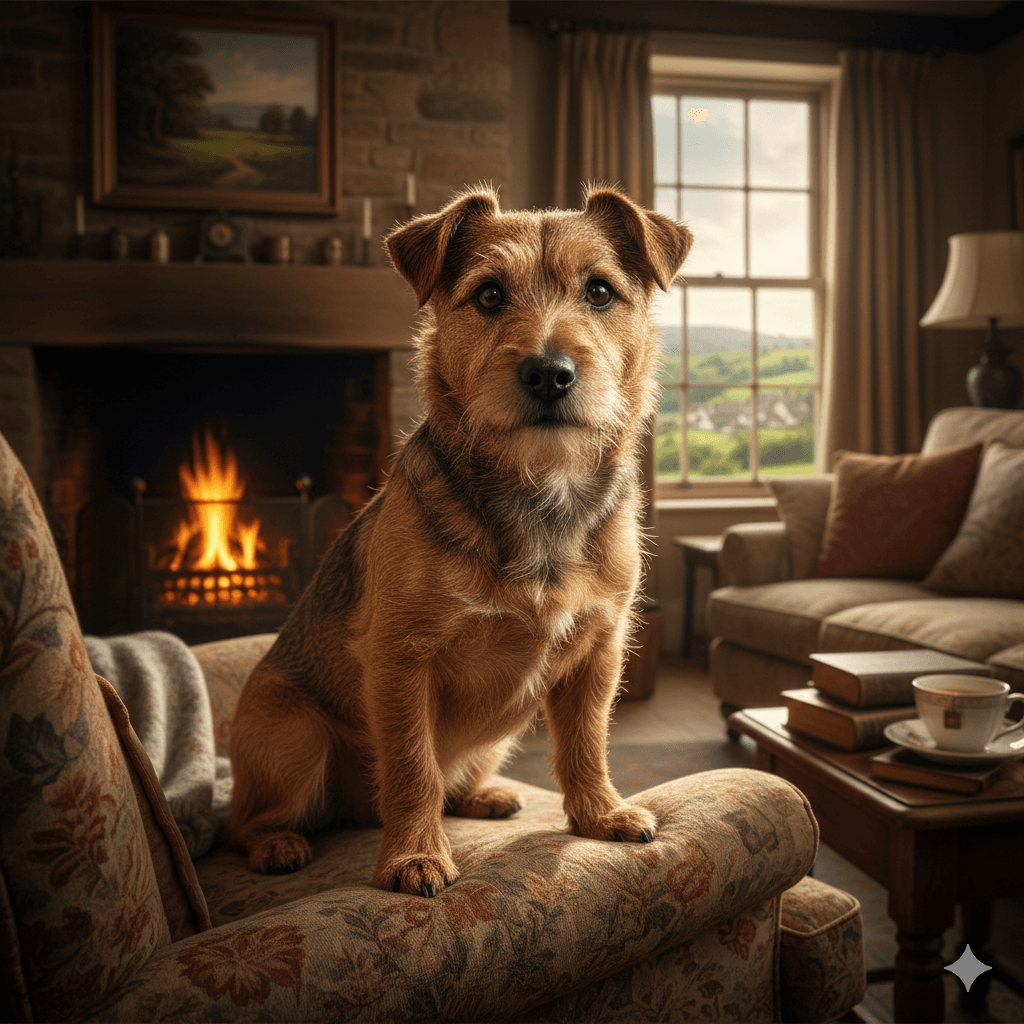
Distinctive Physical Traits of the Norfolk Terrier
- Compact and Sturdy Build:
Weighing between 11–12 pounds and standing about 10 inches tall, Norfolk Terriers are small but muscular, built for endurance and agility. - Wiry Double Coat:
Their outer coat is harsh and weather-resistant, while the soft undercoat provides insulation. This combination protects them from harsh climates during outdoor activities. - Drop Ears and Expressive Eyes:
Unlike their Norwich cousins, Norfolk Terriers have folded, drop-style ears that frame their alert, intelligent eyes, giving them an endearing look. - Tail Carriage and Purpose:
Their medium-length tail is carried upright, resembling a flagpole. Historically, this helped hunters spot them in tall grass or dense terrain. - Color Variations:
Norfolk Terriers come in shades of red, wheaten, black and tan, or grizzle. Each color variation adds to the breed’s charm and individuality.
Check this guide 👉Lakeland Terrier Dog: Best 7 Expert Tips!
Check this guide 👉Sealyham Terrier Dog: Best 7 Expert Tips!
Check this guide 👉Bedlington Terrier Dog: Best 7 Expert Tips!
Key Traits of Norfolk Terriers | Care Tips for Owners |
|---|---|
Small size, sturdy build | Provide at least 30–60 minutes of daily exercise |
Wiry, weather-resistant coat | Brush weekly and hand-strip every few months |
Fearless and affectionate temperament | Use positive reinforcement during training |
Lifespan of 12–15 years | Schedule annual vet check-ups for preventive care |
Minimal shedding, high grooming needs | Feed a balanced diet tailored to small breeds |
Temperament Highlights of the Norfolk Terrier
- Fearless and Confident:
Despite their diminutive stature, Norfolk Terriers exhibit remarkable courage, often taking on challenges much larger than themselves. - Affectionate and Loyal:
They form strong bonds with their families and thrive on attention, making them excellent lap dogs despite their energetic tendencies. - Playful and Energetic:
Norfolk Terriers love interactive play, whether fetching toys, chasing balls, or exploring outdoors. Their high energy levels require regular exercise. - Alert and Watchful:
With keen senses and a natural instinct to protect, Norfolk Terriers make excellent watchdogs, quick to alert owners of unusual activity. - Independent Thinkers:
While devoted, they can also be stubborn at times, requiring patient training and consistent reinforcement to channel their intelligence effectively.
Care Considerations for Norfolk Terrier Owners
- Regular Grooming Routine:
Their wiry coat requires weekly brushing and hand-stripping every few months to maintain texture and prevent matting. Professional grooming may be necessary. - Daily Exercise Needs:
At least 30–60 minutes of daily exercise, including walks, playtime, and mental stimulation, prevents boredom and destructive behaviors. - Balanced Diet Requirements:
High-quality dog food tailored to small breeds supports their metabolism and maintains optimal weight; avoid overfeeding to prevent obesity. - Dental Hygiene Practices:
Small breeds like Norfolk Terriers are prone to dental issues; brush their teeth regularly and provide chew toys to promote oral health. - Socialization and Training:
Early socialization and positive reinforcement-based training foster good behavior and reduce anxiety around strangers or other animals.
Health Concerns Specific to Norfolk Terriers
- Patellar Luxation:
A common condition where the kneecap slips out of place, causing lameness or discomfort; surgery may be required in severe cases. - Mitral Valve Disease:
This heart condition affects older Norfolk Terriers, leading to murmurs or congestive heart failure if untreated. Regular vet check-ups help monitor symptoms. - Allergies and Skin Issues:
Sensitive skin and allergies to food, pollen, or fleas can cause itching, redness, or hair loss; hypoallergenic diets and medicated shampoos alleviate symptoms. - Collapsed Trachea:
Small breeds are prone to weakened tracheal cartilage, resulting in coughing or breathing difficulties; weight management reduces risk factors. - Eye Disorders:
Conditions like cataracts or progressive retinal atrophy (PRA) affect vision; annual eye exams detect problems early for better outcomes.
Training Tips for Norfolk Terrier Owners
- Start Early with Basic Commands:
Teaching commands like “sit,” “stay,” and “come” establishes boundaries and reinforces good behavior from puppyhood onward. - Use Positive Reinforcement:
Reward-based methods using treats, praise, or toys motivate Norfolk Terriers more effectively than punishment-based approaches. - Incorporate Mental Stimulation:
Puzzle toys, scent games, and obedience classes challenge their intellect and satisfy their curiosity, reducing boredom-related mischief. - Address Stubbornness Strategically:
When faced with resistance, break tasks into smaller steps and celebrate incremental progress to build confidence and willingness. - Focus on Socialization:
Expose your Norfolk Terrier to diverse people, pets, and environments early to prevent fear-based aggression or shyness later in life.
Why the Norfolk Terrier Makes a Great Family Pet
- Kid-Friendly Nature:
Norfolk Terriers adore children and enjoy playing gently with them, provided kids respect their boundaries and handle them carefully. - Compatibility with Other Pets:
When properly socialized, they coexist peacefully with cats and other dogs, though supervision is advised due to their prey drive. - Adaptability to Living Spaces:
Their compact size and moderate exercise needs allow them to thrive in apartments or houses, provided they receive sufficient daily activity. - Low Aggression Levels:
Known for their friendly disposition, Norfolk Terriers rarely display aggression unless provoked or frightened. - Lifelong Companionship:
With lifespans of 12–15 years, Norfolk Terriers offer years of unwavering loyalty, joy, and shared adventures with their families.
“Alert, gregarious, fearless and loyal. Never aggressive.”
– American Kennel Club
Frequently Asked Questions About Norfolk Terriers
How much exercise does a Norfolk Terrier need daily?
Are Norfolk Terriers good with children?
Do Norfolk Terriers shed a lot?
No, Norfolk Terriers have minimal shedding thanks to their wiry coat, but regular grooming is essential to keep it healthy and tangle-free.
What health issues should I watch for in Norfolk Terriers?
Common concerns include patellar luxation, mitral valve disease, allergies, and eye disorders. Regular vet visits help catch problems early.
Can Norfolk Terriers live in apartments?
Absolutely! Their small size and adaptable nature make them ideal for apartment living, provided they get enough exercise and attention.
A Lifelong Bond with Your Norfolk Terrier

Is Rawhide Bad for Cats? Best 7 Expert Tips! – Discover the risks, safe alternatives, and expert advice to keep your feline friend healthy and happy.

Is Rawhide Bad for Dogs? Best 7 Expert Tips! – Discover the risks, benefits, and safer alternatives to rawhides for your dog’s chewing needs.

Understanding Anorexia in Cats: Best 7 Expert Tips! – Learn why cats stop eating, spot warning signs, and discover how to help your feline regain appetite safely.

Understanding Anorexia in Dogs: Best 7 Expert Tips! – Learn causes, symptoms, and solutions to help your dog regain appetite and stay healthy.