
Discovering the Majestic Bullmastiff: A Gentle Giant
The Bullmastiff is a breed that perfectly blends strength, loyalty, and a calm demeanor, making it an ideal companion for families and protectors alike. Known for their muscular build and confident presence, these dogs are as impressive in appearance as they are in temperament. Whether you’re considering adding a Bullmastiff to your home or simply curious about this remarkable breed, understanding their unique traits is key to appreciating their charm.
Origins and History of the Bullmastiff
The Bullmastiff’s history is deeply rooted in its role as a guardian and protector, originating in 19th-century England. Bred to assist gamekeepers in deterring poachers, this breed was specifically engineered to combine the strength of the Mastiff with the agility of the Bulldog. Understanding their origins sheds light on their temperament, physical traits, and suitability as family pets today.
- Guardian Roots:
Gamekeepers needed a dog that could track poachers silently, hold them without biting, and remain calm under pressure—a role perfectly suited for the Bullmastiff. - Crossbreeding Beginnings:
The breed was created by crossing Bulldogs (for tenacity) with Mastiffs (for size), resulting in a dog that was both powerful and obedient. - Recognition by Kennel Clubs:
By the early 20th century, the Bullmastiff gained recognition from major kennel clubs, solidifying its status as a distinct breed with standardized characteristics. - Transition to Family Companion:
As poaching declined, the Bullmastiff transitioned from working dog to beloved family pet, prized for its loyalty and protective instincts. - Cultural Impact:
The Bullmastiff has appeared in literature, films, and even as mascots for sports teams, symbolizing strength and reliability across generations.
Their storied past explains why the Bullmastiff remains one of the most revered breeds among dog enthusiasts worldwide.
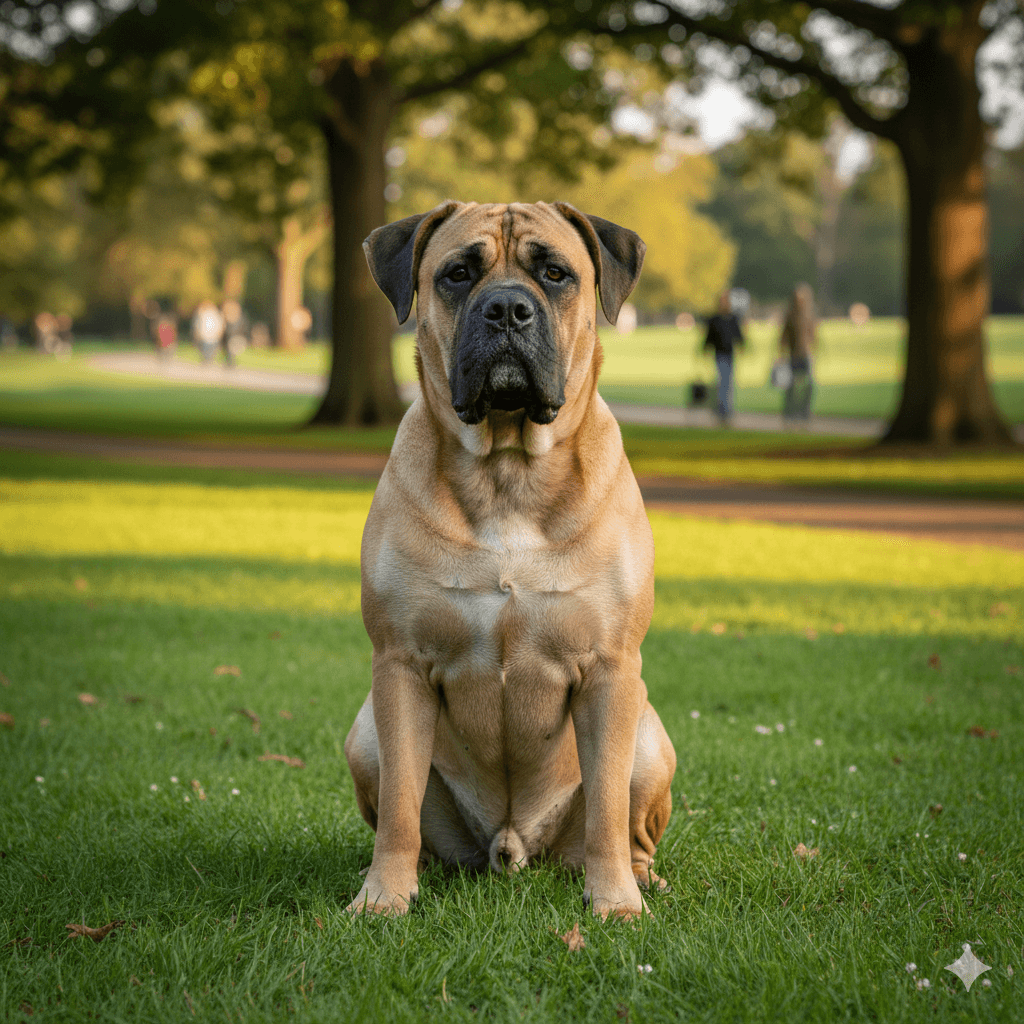
Distinctive Physical Traits of the Bullmastiff
The Bullmastiff’s imposing stature and muscular build make it instantly recognizable. However, their appearance is not just about aesthetics—it reflects their historical purpose as protectors and guardians. These physical traits also come with specific care requirements to ensure they remain healthy and happy throughout their lives.
- Size and Weight:
Male Bullmastiffs typically weigh between 110–130 pounds, while females range from 100–120 pounds, making them one of the larger dog breeds. - Coat and Colors:
Their short, dense coat comes in fawn, red, or brindle, with a distinctive black mask around the face adding to their striking look. - Facial Features:
A broad skull, strong jawline, and deep-set eyes give the Bullmastiff an alert yet gentle expression despite their formidable size. - Health Considerations:
Due to their large frame, they are prone to joint issues like hip dysplasia and require regular exercise to maintain mobility. - Grooming Needs:
While their coat is low-maintenance, regular brushing reduces shedding, and routine ear cleaning prevents infections due to their floppy ears.
These traits highlight the importance of understanding the Bullmastiff’s physical needs to provide proper care and support.
Check this guide 👉Dog Mastiff Breeds: Best 7 Expert Tips!
Check this guide 👉How Much Does a Mastiff Dog Weigh? Best 7 Expert Tips!
Check this guide 👉The Neapolitan Mastiff: Best 7 Expert Tips!
Physical Characteristics | Temperament and Behavior |
|---|---|
Large, muscular build (100–130 lbs) | Calm and gentle indoors |
Short, dense coat (fawn, red, brindle) | Protective yet non-aggressive |
Broad skull with a black mask | Loyal and forms strong bonds |
Lifespan of 8–10 years | Reserved with strangers |
Prone to joint issues (e.g., hip dysplasia) | Intelligent but can be stubborn |
Temperament Highlights: What Makes the Bullmastiff Unique
The Bullmastiff’s personality is a blend of confidence, gentleness, and unwavering loyalty. Often described as “gentle giants,” these dogs form strong bonds with their families but remain vigilant protectors when necessary. Their temperament makes them excellent companions, provided their socialization and training needs are met early on.
- Protective Nature:
Bullmastiffs have a natural instinct to guard their loved ones, often placing themselves between perceived threats and their family members. - Calm Demeanor Indoors:
Despite their size, they are surprisingly docile indoors, preferring to lounge near their owners rather than engage in constant activity. - Good with Children:
Known for their patience and tolerance, Bullmastiffs are generally great with kids, though supervision is advised due to their sheer size. - Reserved with Strangers:
While not aggressive, they tend to be aloof around unfamiliar people until properly introduced, showcasing their discerning nature. - Training Challenges:
Though intelligent, their independent streak can make training challenging; consistency, positive reinforcement, and early socialization are crucial.
Understanding their temperament ensures a harmonious relationship between you and your Bullmastiff.
Health Concerns Every Bullmastiff Owner Should Know
Like many large breeds, the Bullmastiff is predisposed to certain health conditions that require proactive management. Awareness of these potential issues enables owners to take preventive measures and ensure their dog enjoys a long, healthy life.
- Hip and Elbow Dysplasia:
These joint disorders are common in large breeds and can lead to arthritis if untreated; maintaining a healthy weight minimizes risks. - Bloat (Gastric Torsion):
A life-threatening condition where the stomach twists; feeding smaller meals and avoiding vigorous exercise after eating helps prevent it. - Cardiac Issues:
Some Bullmastiffs develop heart diseases such as dilated cardiomyopathy; annual vet check-ups help detect problems early. - Skin Allergies:
Prone to allergies triggered by food, pollen, or environmental factors; identifying triggers through testing aids in managing symptoms. - Lifespan Expectancy:
With proper care, Bullmastiffs live 8–10 years—a relatively short lifespan compared to smaller breeds, emphasizing quality time together.
Proactive healthcare ensures your Bullmastiff thrives despite breed-specific challenges.
Training Tips for Raising a Well-Behaved Bullmastiff
Training a Bullmastiff requires patience, consistency, and a firm yet gentle approach. While they are intelligent and eager to please, their independent nature means they benefit from structured guidance from puppyhood onward. Proper training fosters good behavior and strengthens the bond between you and your dog.
- Start Early Socialization:
Expose your Bullmastiff puppy to various environments, sounds, and people to reduce fear-based reactions later in life. - Use Positive Reinforcement:
Reward-based methods work best; treats, praise, and playtime motivate them to learn commands and behaviors effectively. - Focus on Leash Training:
Their powerful build demands control during walks; teaching loose-leash walking prevents pulling and ensures safety. - Teach Basic Commands:
Commands like “sit,” “stay,” and “leave it” establish boundaries and reinforce your role as the leader of the pack. - Address Stubbornness Calmly:
If resistance arises, remain patient—punishment only damages trust and slows progress.
Training transforms the Bullmastiff into a well-mannered companion capable of adapting to various situations.
Caring for Your Bullmastiff: Daily Needs and Long-Term Commitments
Owning a Bullmastiff involves meeting their daily needs while planning for long-term commitments. Providing consistent care ensures they stay physically fit, mentally stimulated, and emotionally content throughout their lives.
- Exercise Requirements:
Daily walks and playtime are essential, though excessive running should be avoided to protect their joints. - Nutritional Balance:
High-quality protein-rich diets tailored to large breeds support muscle maintenance and overall vitality. - Mental Stimulation:
Interactive toys, puzzle games, and obedience drills keep their minds sharp and prevent boredom-related behaviors. - Veterinary Care Routine:
Regular vaccinations, dental cleanings, and parasite prevention safeguard against illnesses and infections. - Emotional Connection:
Spend quality time bonding—whether cuddling on the couch or engaging in fun activities—to nurture their loyal spirit.
Meeting these needs creates a fulfilling partnership between you and your Bullmastiff.
Special Considerations for First-Time Bullmastiff Owners
For those new to the breed, owning a Bullmastiff comes with unique responsibilities that require careful thought and preparation. From space requirements to financial considerations, being aware of these factors ensures a smooth transition into Bullmastiff ownership.
- Space Needs:
Despite their adaptability, Bullmastiffs thrive in homes with ample indoor and outdoor space to move comfortably. - Financial Commitment:
Large breeds incur higher costs for food, grooming, and medical care; budget accordingly to avoid unexpected expenses. - Time Investment:
They crave attention and companionship, so dedicating sufficient time to their care and interaction is non-negotiable. - Supervision Around Other Pets:
While generally tolerant, their prey drive may surface; supervised introductions mitigate potential conflicts. - Long-Term Planning:
Given their shorter lifespan, cherish every moment and plan for their senior years with love and compassion.
Thoughtful preparation ensures first-time owners are ready to embrace all aspects of Bullmastiff ownership fully.
“Fearless and confident yet docile. The dog combines the reliability, intelligence, and willingness to please required in a dependable family companion and protector.” — American Kennel Club
Frequently Asked Questions About Bullmastiffs
What is the lifespan of a Bullmastiff?
Bullmastiffs typically live 8–10 years, which is relatively short compared to smaller breeds; providing excellent care can maximize their quality of life.
Are Bullmastiffs good with children?
Yes, Bullmastiffs are known for their patience and tolerance, making them great companions for kids; however, supervision is recommended due to their large size.
Do Bullmastiffs require a lot of exercise?
While they need daily walks and playtime, excessive running or strenuous activity should be avoided to protect their joints and overall health.
How much does a Bullmastiff eat per day?
Adult Bullmastiffs usually consume 3–4 cups of high-quality dog food daily, divided into two meals to prevent bloat and maintain energy levels.
Are Bullmastiffs aggressive?
No, Bullmastiffs are not inherently aggressive; they are loyal, protective, and reserved with strangers but rarely display unprovoked aggression.
A Lifeline in Every Moment of Companionship
The Bullmastiff is more than just a dog—it’s a steadfast companion, a devoted protector, and a source of unconditional love. Whether you’re drawn to their imposing presence or captivated by their gentle soul, owning a Bullmastiff is a journey filled with joy, responsibility, and unforgettable memories. By understanding their needs, respecting their nature, and committing to their care, you create a bond that enriches both your lives. Remember, every wag of their tail and every nuzzle against your hand is a testament to the trust and loyalty they offer—a true gift from a gentle giant.

Is Rawhide Bad for Cats? Best 7 Expert Tips! – Discover the risks, safe alternatives, and expert advice to keep your feline friend healthy and happy.

Is Rawhide Bad for Dogs? Best 7 Expert Tips! – Discover the risks, benefits, and safer alternatives to rawhides for your dog’s chewing needs.

Understanding Anorexia in Cats: Best 7 Expert Tips! – Learn why cats stop eating, spot warning signs, and discover how to help your feline regain appetite safely.

Understanding Anorexia in Dogs: Best 7 Expert Tips! – Learn causes, symptoms, and solutions to help your dog regain appetite and stay healthy.