

The Majestic Blue Bengal Cat: Best 7 Expert Care Tips!

The Majestic Blue Bengal Cat: Best 7 Expert Care Tips!

Blue Bengal Cat: A Stunning Feline Marvel


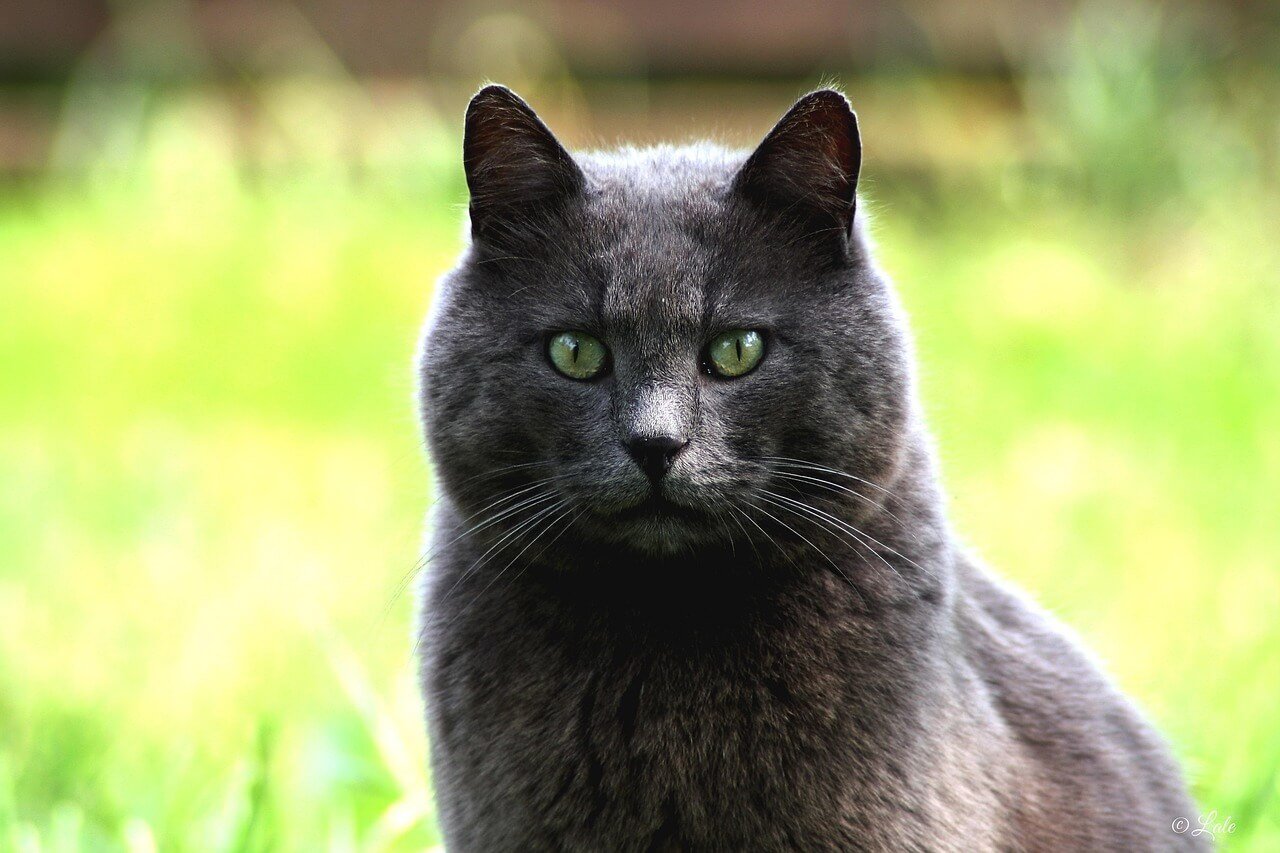
The Blue Bengal Cat is a mesmerizing variation of the Bengal breed, known for its striking coat and captivating personality. With their shimmering bluish-gray fur adorned with intricate rosettes, these felines are often compared to miniature wildcats. Beyond their exotic appearance, Blue Bengal Cats boast intelligence, energy, and charm that make them exceptional companions. Whether you’re a seasoned cat owner or considering your first feline friend, understanding the unique qualities of the Blue Bengal Cat can help you decide if this remarkable breed is the right fit for your home. Let’s dive into what makes these cats so extraordinary and how to care for them properly.

Physical Characteristics of the Blue Bengal Cat


The Blue Bengal Cat’s appearance is nothing short of breathtaking, blending elegance with a touch of untamed beauty. Here are some defining traits that set this breed apart.

 
  • Distinctive Blue-Grey Coat:
    The coat’s bluish-gray hue is soft and luxurious, giving it an almost metallic sheen under light.

  • Rosette Patterns:
    Unlike traditional tabby markings, Blue Bengals feature bold, leopard-like rosettes that enhance their wildcat resemblance.

  • Muscular Build:
    These cats have a sleek, athletic physique, reflecting their high energy levels and agility.

  • Piercing Eyes:
    Their almond-shaped eyes, often golden or green, add to their mysterious allure and intense gaze.

  • Medium to Large Size:
    Adult Blue Bengals typically weigh between 8-15 pounds, with males being larger than females.


These physical attributes not only make the Blue Bengal Cat visually stunning but also highlight their connection to their wild ancestors.

The Majestic Blue Bengal Cat: Best 7 Expert Care Tips!

Personality Traits of the Blue Bengal Cat


Beyond their striking looks, Blue Bengal Cats are beloved for their vibrant personalities. Understanding their behavior can help you build a strong bond with your pet.

 
  • Playful and Energetic:
    Known for their boundless energy, Blue Bengals thrive on interactive play and mental stimulation.

  • Intelligent and Curious:
    These cats are quick learners who enjoy solving puzzles and exploring every corner of their environment.

  • Affectionate Companions:
    Despite their independent streak, Blue Bengals form deep bonds with their owners and love spending time together.

  • Vocal Communicators:
    They aren’t shy about expressing themselves through chirps, meows, and other vocalizations.

  • Adaptable Nature:
    With proper socialization, Blue Bengals adjust well to various living situations, from apartments to spacious homes.


Their dynamic personalities ensure there’s never a dull moment when sharing your life with a Blue Bengal Cat.

 
Pros of Owning a Blue Bengal Cat
Cons of Owning a Blue Bengal Cat
Unique and eye-catching appearance
Requires significant attention and care
Intelligent and easy to train
Highly active; may become destructive without stimulation
Affectionate and loyal companion
Expensive upfront cost due to rarity
Adapts well to different environments
Not ideal for first-time cat owners
Great with families and kids
May demand more space and enrichment

Caring for Your Blue Bengal Cat


Proper care ensures your Blue Bengal Cat stays healthy, happy, and thriving. From grooming to exercise, here are essential tips to keep in mind.

 
  • Regular Grooming Sessions:
    Brush their coat weekly to reduce shedding and maintain its glossy shine.

  • Interactive Playtime:
    Dedicate at least 30 minutes daily to engaging activities like chasing toys or climbing structures.

  • Balanced Diet:
    Feed them high-quality protein-rich food to support their active lifestyle and overall health.

  • Mental Stimulation:
    Provide puzzle feeders or training exercises to challenge their sharp minds.

  • Routine Vet Checkups:
    Schedule annual visits to monitor their health and address any concerns promptly.


With consistent care and attention, your Blue Bengal Cat will flourish as a cherished member of your household.

Choosing the Right Environment for Your Blue Bengal Cat


Creating a suitable environment is crucial for ensuring your Blue Bengal Cat feels safe, stimulated, and content. Consider these factors when setting up your home.

 
  • Ample Space to Roam:
    These energetic cats need plenty of room to run, jump, and explore to burn off excess energy.

  • Cat Trees and Perches:
    Vertical spaces allow them to climb and observe their surroundings from above.

  • Scratching Posts:
    Place sturdy scratching posts around the house to satisfy their natural urge to scratch.

  • Safe Outdoor Access (Optional):
    If possible, create a secure outdoor enclosure or “catio” where they can safely experience the outdoors.

  • Quiet Retreat Areas:
    Designate cozy spots where your cat can retreat and relax when feeling overwhelmed.


By tailoring your home to their needs, you’ll provide an enriching environment that brings out the best in your Blue Bengal Cat.

Health Considerations for Blue Bengal Cats

Like all breeds, Blue Bengal Cats have specific health considerations that potential owners should be aware of. Addressing these proactively ensures a long and healthy life for your furry companion.

 
  • Prone to Hypertrophic Cardiomyopathy (HCM):
    Regular cardiac screenings can help detect this genetic condition early.

  • Sensitive Digestive Systems:
    Stick to premium cat food and avoid sudden dietary changes to prevent digestive upset.

  • Dental Care Importance:
    Brush their teeth regularly to prevent periodontal disease and maintain oral hygiene.

  • Obesity Risks:
    Monitor portion sizes and encourage exercise to prevent weight gain and related issues.

  • Allergies and Skin Conditions:
    Watch for signs of allergies, such as excessive itching or hair loss, and consult your vet if needed.


Staying informed about these health aspects allows you to provide the best care for your Blue Bengal Cat.

Fun Facts About Blue Bengal Cats

Blue Bengal Cats are full of surprises, and learning fun facts about them deepens your appreciation for this remarkable breed.

 
  • Wild Ancestry:
    They descend from the Asian Leopard Cat, which contributes to their wild appearance and agile nature.

  • Water Lovers:
    Unlike most cats, Blue Bengals often enjoy playing in water and may even join you in the shower!

  • Unique Vocalizations:
    Their wide range of sounds includes chirps, trills, and growls, making communication fascinating.

  • Highly Trainable:
    Many Blue Bengals can learn tricks, walk on leashes, and even respond to commands like dogs.

  • Rare Color Variation:
    The blue-gray coat is rarer than the classic brown spotted pattern, adding to their exclusivity.


These intriguing details highlight why Blue Bengal Cats stand out among feline enthusiasts worldwide.


Tips for Bonding with Your Blue Bengal Cat

Building a strong bond with your Blue Bengal Cat enhances your relationship and creates lifelong memories. Follow these tips to foster trust and affection.

 
  • Spend Quality Time Together:
    Engage in daily play sessions and cuddles to strengthen your connection.

  • Use Positive Reinforcement:
    Reward good behavior with treats or praise to encourage trust and cooperation.

  • Respect Their Independence:
    Allow them to explore and initiate interactions on their terms to build mutual respect.

  • Incorporate Training:
    Teach basic commands or tricks to stimulate their mind and deepen your partnership.

  • Create Shared Rituals:
    Establish routines like feeding times or bedtime snuggles to establish consistency and comfort.


By prioritizing bonding, you’ll cultivate a loving and lasting relationship with your Blue Bengal Cat.

Frequently Asked Questions About Blue Bengal Cats

Are blue Bengal cats hypoallergenic?

While no cat is completely hypoallergenic, blue Bengals produce fewer allergens compared to other breeds, making them a good option for allergy sufferers.

Due to their high energy levels, they require at least 30 minutes of structured playtime daily to stay physically and mentally stimulated.

Yes, they are known for their friendly and tolerant nature, making them great companions for families with kids.

Not at all! Their intelligence and eagerness to please make them highly trainable, whether it’s learning tricks or using a litter box.

With proper care, they typically live between 12 to 16 years, providing many joyful years of companionship.

Embracing Life with a Blue Bengal Cat


A Blue Bengal Cat is more than just a pet—it’s a vibrant addition to your family that brings joy, beauty, and endless entertainment. Their striking appearance and spirited personality make them truly one of a kind. By understanding their unique needs and providing a nurturing environment, you can enjoy a fulfilling relationship with this extraordinary feline. Whether you’re captivated by their shimmering coat or charmed by their playful antics, a Blue Bengal Cat promises to leave an indelible mark on your heart.

Understanding Cryptosporidium in Cats: Best 7 Expert Tips!

Understanding Cryptosporidium in Cats: Best 7 Expert Tips! – Spot symptoms, treat safely, and stop parasite spread in your home.

Understanding Cryptosporidium in Dogs: Best 7 Expert Tips!

Understanding Cryptosporidium in Dogs: Best 7 Expert Tips! – Learn symptoms, treatment & prevention for this stubborn gut parasite.

Understanding Syringomyelia in Cats: Best 7 Expert Tips!

Understanding Syringomyelia in Cats: Best 7 Expert Tips! – Recognize signs, manage pain, and support your cat’s neurological health with vet-backed guidance.

Understanding Syringomyelia in Dogs: Best 7 Expert Tips!

Understanding Syringomyelia in Dogs: Best 7 Expert Tips! – Expert insights on symptoms, MRI diagnosis, pain management & quality of life.

Leave a Reply

Your email address will not be published. Required fields are marked *


