
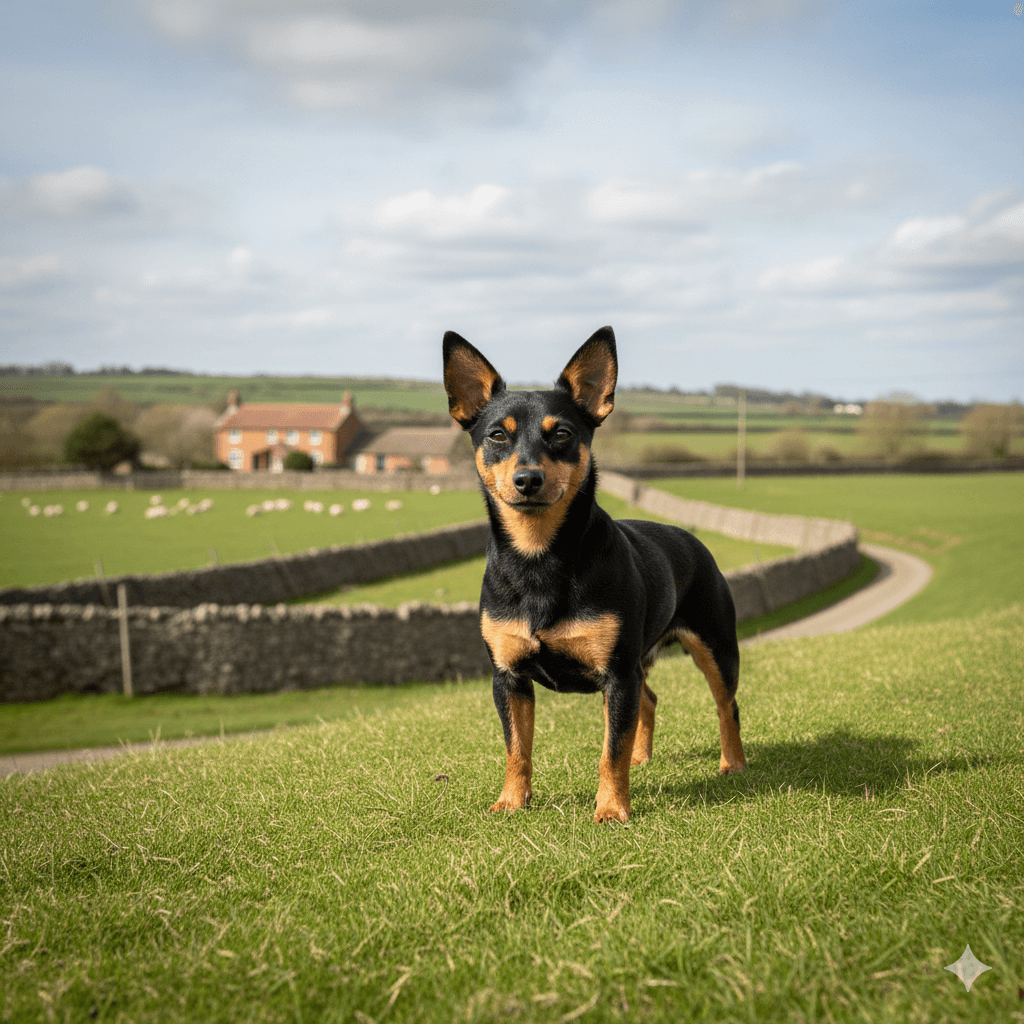

The Lancashire Heeler Dog: Best 7 Expert Tips!
Compact, clever, and full of cheerful energy, the Lancashire Heeler is a rare British herding gem with a mischievous twinkle in its eye. Originally bred to drive cattle and hunt vermin on farms, this pint-sized working dog combines intelligence, loyalty, and surprising stamina in a body no bigger than a house cat. Though not widely known, those who share their lives with a Lancashire Heeler quickly discover a devoted, playful, and endlessly entertaining companion. If you appreciate a dog with history, heart, and a dash of boldness, this spirited little herder might just steal yours.
Origins and History of the Lancashire Heeler
The Lancashire Heeler’s roots run deep in the rural farmlands of 17th-century England, where practicality shaped its purpose and personality. Despite its humble beginnings, this breed played a vital role in agricultural life—earning respect long before show rings or social media.
- Cattle-Droving Heritage:
Lancashire Heelers were used to herd cattle by nipping at their heels—a task requiring speed, courage, and precision in a small frame. - Vermin Hunter on Farms:
Beyond herding, they doubled as ratters, keeping barns and kitchens free of mice and rats with impressive tenacity. - Possible Welsh Corgi Influence:
Some historians believe the breed resulted from crosses between local terriers and Welsh Corgis brought by traveling drovers. - Near Extinction and Revival:
By the mid-20th century, the breed neared disappearance, but dedicated enthusiasts like Gwen Mackintosh helped revive it through careful breeding. - Late Official Recognition:
The Kennel Club (UK) recognized the breed in 1981, and the AKC granted full recognition only in 2023—making it one of the newest AKC breeds.
Though rare, the Lancashire Heeler’s legacy as a hardworking farm dog lives on in its alert gaze, springy gait, and “can-do” attitude.
Distinctive Physical Traits of the Lancashire Heeler
Don’t let its size fool you—the Lancashire Heeler is built for action. Every feature, from its wedge-shaped head to its powerful hindquarters, reflects its working origins and rugged practicality.
- Compact and Sturdy Frame:
Standing just 10–12 inches tall and weighing 9–17 pounds, it’s low to the ground yet muscular and agile—ideal for quick turns and bursts of speed. - Short, Weather-Resistant Coat:
Its dense double coat comes in black-and-tan or liver-and-tan, lying close to the body to repel rain and dirt during field work. - Alert, Fox-Like Expression:
Dark, oval eyes and pricked ears give it a keen, intelligent look, always tuned into its surroundings. - Natural Tail and Strong Build:
The tail is long and carried low or with a slight curve; the body is slightly longer than tall, with a deep chest for endurance. - Efficient, Ground-Covering Gait:
Despite short legs, it moves with smooth, powerful strides—a necessity for keeping up with livestock all day.
These traits aren’t just aesthetic—they’re functional adaptations that made the Lancashire Heeler an indispensable farmhand for centuries.
Check this guide 👉Blue Heeler Dachshund Mix: Best 7 Expert Tips!
Check this guide 👉Cane Corso Blue Heeler Mix: Best 7 Expert Tips!
Check this guide 👉Blue Heeler Husky Mix: Best 7 Expert Tips!
Temperament Highlights | Care Considerations |
|---|---|
Bright, quick learner with strong opinions | Needs mental stimulation to prevent boredom |
Affectionate with family, reserved with strangers | Early socialization crucial for confidence |
Playful and often clownish at home | Moderate shedding—brush 2–3 times weekly |
Natural watchdog with a sharp bark | Sensitive to heat; avoid midday exercise in summer |
Energetic but not hyperactive | Prone to patellar luxation—monitor joint health |
Personality and Temperament: Smart, Spirited, and Slightly Sassy
The Lancashire Heeler may look like a sweet lapdog, but beneath that tidy coat beats the heart of a bold, independent thinker. Friendly yet feisty, it thrives on interaction and thrills on a job well done—whether that’s learning a trick or chasing a leaf.
- Highly Intelligent and Observant:
This breed picks up commands quickly but may choose to obey only when it sees value—training requires creativity and consistency. - Loyal and Family-Oriented:
Deeply bonded to its people, it enjoys being involved in daily routines and often shadows its favorite human from room to room. - Mildly Stubborn with a Sense of Humor:
Known for its “smile” (a lifted lip that shows teeth without aggression), it often charms its way out of trouble with cheeky antics. - Good with Respectful Children:
While playful, its herding instincts may lead to nipping at running kids—best suited for families who teach gentle handling. - Cautious Around Strangers:
Not overtly shy but naturally reserved, it takes time to warm up to new people, making it an excellent informal watchdog.
In the right home, the Lancashire Heeler is more than a pet—it’s a clever, cheerful teammate with endless personality.
Training and Socialization Tips for Lancashire Heeler Owners
Training a Lancashire Heeler is rewarding but demands respect for its heritage as an independent problem-solver. Harsh methods backfire; instead, engagement, fairness, and fun win its trust and cooperation.
- Begin Socialization Early:
Expose your puppy to diverse people, sounds, and environments before 14 weeks to build confidence and prevent wariness. - Use Positive, Varied Reinforcement:
Mix treats, praise, and play—this breed gets bored with repetition, so keep sessions novel and upbeat. - Channel Herding Instincts Positively:
Teach “leave it” and “watch me” commands to redirect nipping or chasing urges into appropriate outlets like agility or fetch. - Keep Training Sessions Brief:
5–10 minutes, 2–3 times a day, works better than long drills—mental fatigue sets in fast for sharp minds. - Crate and House Training Patience:
Generally clean dogs, they respond well to consistent potty schedules, but occasional accidents may occur during teething or stress.
With the right balance of structure and fun, your Lancashire Heeler will shine as both a well-mannered housemate and a joyful companion.
Grooming and Health Needs of the Lancashire Heeler
Low-maintenance doesn’t mean no-maintenance—the Lancashire Heeler’s coat and conformation come with specific care needs that support lifelong wellness.
- Weekly Brushing Suffices:
A slicker brush or grooming mitt removes loose hair and distributes natural oils; increase to twice weekly during seasonal sheds. - Bathing Only as Needed:
Their coat repels dirt, so baths every 2–3 months (or when smelly) are enough—over-bathing can dry the skin. - Dental and Ear Care:
Brush teeth several times a week and check ears weekly for wax or odor, especially after outdoor play. - Common Genetic Concerns:
Primary Lens Luxation (PLL) and patellar luxation are seen in the breed—DNA testing and vet screenings are essential. - Longevity with Proper Care:
With good nutrition, dental hygiene, and joint support, Lancashire Heelers often live 12–15 healthy years.
Proactive care ensures this rare breed stays active, comfortable, and by your side for over a decade.
Living with a Lancashire Heeler: Ideal Home and Lifestyle Fit
Though small, the Lancashire Heeler isn’t a passive lapdog—it’s a dynamic partner that thrives in homes ready to match its curiosity and energy.
- Adapts Well to Apartments:
Its modest size suits city living, but it still needs daily walks and mental challenges to stay content. - Thrives with Active or Engaged Owners:
Whether hiking, playing fetch, or solving puzzle toys, it wants to be involved—not left alone for hours. - Tolerant of Cold, Sensitive to Heat:
Its double coat handles cool weather well, but summer walks should be early or late to avoid overheating. - Can Live with Other Pets:
Early socialization helps it coexist with cats or dogs, though its prey drive may trigger chasing of small, fast-moving animals. - Low-Shedding but Not Hypoallergenic:
While not heavy shedders, they do release dander—regular grooming helps allergy-prone owners cope better.
This breed fits best in a home that values intelligence, activity, and a touch of old-world charm.
Potential Challenges of Owning a Lancashire Heeler
Like all breeds, the Lancashire Heeler comes with quirks that prospective owners should embrace—or prepare for.
- Strong-Willed Nature:
It may test boundaries or “negotiate” commands, requiring calm, consistent leadership without harshness. - Prone to Boredom Barking:
Left under-stimulated, it may bark at passing cars, squirrels, or shadows—mental enrichment is non-negotiable. - Rare Breed, Limited Availability:
Finding a reputable breeder can take time and travel; avoid pet stores or online sellers offering “designer” mixes. - Herding Instincts Can Be Tricky:
May try to herd children, bikes, or other dogs by nipping—a behavior that must be redirected early. - Sensitive to Harsh Correction:
Responds poorly to yelling or punishment; builds trust through respect, not fear.
Understanding these traits upfront turns challenges into opportunities for a deeper, more rewarding bond.
“Courageous, happy, affectionate to owner.”
— The Kennel Club (UK)
Frequently Asked Questions About the Lancashire Heeler Dog
Is the Lancashire Heeler a good dog for first-time owners?
It can be—with dedication to training and socialization. Their intelligence requires engagement, not just affection.
Do Lancashire Heelers shed a lot?
No—they shed moderately, mostly during spring and fall. Weekly brushing manages loose hair effectively.
How much exercise does a Lancashire Heeler need?
About 45–60 minutes daily, split into walks, play, and mental games. They’re active but not marathon runners.
Are Lancashire Heelers aggressive?
Not typically—but their reserved nature with strangers and herding instincts require early socialization and guidance.
Where can I find a Lancashire Heeler puppy?
Through reputable breeders affiliated with national clubs (like the AKC or UKC) who health-test parents and prioritize temperament.
A Rare Gem Full of Heart and Grit
The Lancashire Heeler may be one of the dog world’s best-kept secrets—but those lucky enough to know it understand its magic. Packed with intelligence, loyalty, and just enough cheekiness to keep life interesting, this tiny herder proves that greatness isn’t measured in size. If you’re seeking a dog that’s both companion and character—one who’ll herd your slippers, smile on command, and guard your heart with quiet devotion—the Lancashire Heeler could be your perfect match. Just be ready: once you’ve been charmed by that fox-like grin, there’s no going back.
Is Rawhide Bad for Cats? Best 7 Expert Tips! – Discover the risks, safe alternatives, and expert advice to keep your feline friend healthy and happy.

Is Rawhide Bad for Dogs? Best 7 Expert Tips! – Discover the risks, benefits, and safer alternatives to rawhides for your dog’s chewing needs.

Understanding Anorexia in Cats: Best 7 Expert Tips! – Learn why cats stop eating, spot warning signs, and discover how to help your feline regain appetite safely.

Understanding Anorexia in Dogs: Best 7 Expert Tips! – Learn causes, symptoms, and solutions to help your dog regain appetite and stay healthy.