
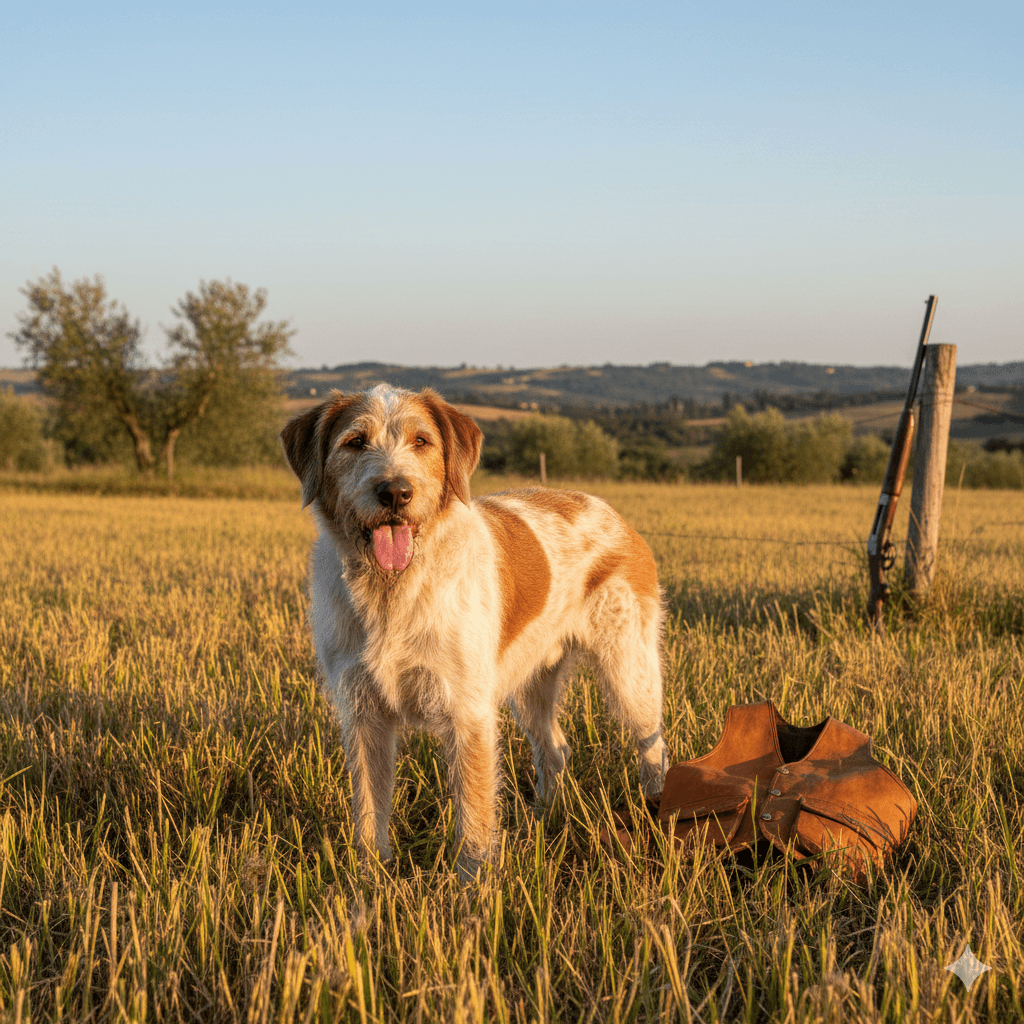

The Italian Spinone Dog: Best 7 Expert Tips!

The Italian Spinone Dog: Best 7 Expert Tips!

The Italian Spinone Dog: Best 7 Expert Tips!

Gentle, rugged, and deeply loyal, the Italian Spinone is a centuries-old pointing breed with a heart as warm as its wiry coat. Originally bred for hunting in Italy’s diverse terrain, this dog combines intelligence with a famously easygoing temperament. Whether you’re drawn to its expressive eyebrows or calm companionship, understanding the Spinone’s needs is key to a joyful life together. From grooming quirks to exercise essentials, these insights will help you care for this unique and sensitive breed.

Origins and History of the Italian Spinone

The Italian Spinone’s roots stretch back to ancient times, with theories linking it to wire-coated pointers brought by Greek or Celtic travelers. Revered in Renaissance Italy, the breed was refined by nobility for its versatility in dense brush and cold water. Despite nearly vanishing during world wars, dedicated enthusiasts preserved its legacy. Today, it remains a cherished gundog and family companion worldwide.

 
  • Ancient Ancestry:
    Artwork and writings from 15th-century Italy depict dogs strikingly similar to the modern Spinone, suggesting deep historical continuity.
     
  • Purpose-Bred Versatility:
    Unlike specialized gun dogs, the Spinone was designed to point, retrieve, and track on both land and water—often working alone or at a slow, methodical pace.
     
  • Near Extinction and Revival:
    Population declines during WWII led to careful crossbreeding (possibly with Griffons or Setters), followed by strict breed standard restoration in the 1950s.
     
  • Slow, Thorough Hunter Style:
    Known as a “thinking hunter,” the Spinone moves deliberately, making it ideal for dense cover but less flashy in field trials than faster pointers.
     
  • Official Recognition:
    While long established in Europe, the breed gained AKC full recognition only in 2000, helping boost its global profile among hunters and families alike.
 

This rich heritage explains the Spinone’s thoughtful nature and adaptability—traits that shine both in the field and at home.

 
The Italian Spinone Dog: Best 7 Expert Tips!

Distinctive Physical Traits of the Italian Spinone

With its rugged build, wiry coat, and soulful eyes, the Italian Spinone is unmistakable among pointing breeds. Every feature reflects its working origins, from weather-resistant fur to powerful limbs built for endurance.

 
  • Dense, Wiry Coat:
    Medium-length, coarse hair protects against thorns and cold water; requires regular brushing but minimal trimming.
     
  • Expressive Facial Furnishings:
    Bushy eyebrows, beard, and mustache give the Spinone a wise, almost human-like expression—and help shield its eyes during hunting.
     
  • Strong, Square Build:
    Muscular and balanced, standing 22–27 inches tall, with a deep chest for stamina and lung capacity in varied terrain.
     
  • Liver or Orange Markings:
    Coat colors include solid white with liver or orange patches, or roan (mixed white and colored hairs)—always with a pinkish-brown nose in liver dogs.
     
  • Webbed Feet:
    Slightly webbed toes enhance swimming ability, a rare trait among pointing breeds that underscores its all-terrain utility.
 

These physical hallmarks make the Spinone not just functional, but also endearingly distinctive in appearance.

Temperament Highlights
Care Considerations
Calm and patient with children
Needs consistent socialization from puppyhood
Naturally gentle and non-aggressive
Prone to separation anxiety if left alone too long
Eager to please but sensitive to tone
Responds poorly to harsh training—use positive reinforcement
Low prey drive compared to other pointers
Can coexist peacefully with cats and small pets
Thoughtful, not hyperactive
Moderate exercise needs—long walks or field time suffice

Training the Italian Spinone Successfully

Training a Spinone requires patience, consistency, and kindness. This sensitive breed shuts down with forceful methods but blossoms with encouragement and clear guidance. Their intelligence means they learn quickly—but they’ll also remember how you made them feel.

 
  • Start Early with Socialization:
    Expose your puppy to diverse people, sounds, and environments before 16 weeks to build confidence and prevent shyness.
     
  • Use Positive Reinforcement Only:
    Reward desired behaviors with treats, praise, or play; yelling or punishment can cause withdrawal or anxiety.
     
  • Keep Sessions Short and Fun:
    Spinones have moderate focus spans—5–10 minute training bursts work better than long drills.
     
  • Leverage Their Natural Instincts:
    Incorporate scent games or gentle pointing exercises to engage their innate hunting drive in a controlled way.
     
  • Be Consistent with Boundaries:
    While easygoing, they need clear house rules; without structure, they may become stubborn or overly independent.
 

With the right approach, your Spinone becomes not just obedient, but a willing and joyful partner in daily life.

Grooming and Coat Maintenance Essentials

The Spinone’s rugged coat is low-shedding but not low-maintenance. Regular care prevents matting and keeps skin healthy, especially in ears and leg feathering.

 
  • Weekly Brushing Required:
    Use a slicker brush and metal comb to remove debris and prevent tangles, especially behind ears and under legs.
     
  • Hand-Stripping vs. Clipping:
    For show dogs, dead hairs should be hand-stripped to preserve texture; pet owners may clip, but it softens the coat over time.
     
  • Ear and Eye Cleaning:
    Floppy ears trap moisture—clean weekly with vet-approved solution to prevent infections. Wipe tear stains gently with a damp cloth.
     
  • Bathing Only When Necessary:
    Bathe every 6–8 weeks or after muddy outings using a mild, oatmeal-based shampoo to avoid drying the skin.
     
  • Nail and Dental Care:
    Trim nails monthly and brush teeth several times a week to support overall health and comfort.
 

A well-groomed Spinone isn’t just handsome—he’s happier and healthier too.

Exercise and Mental Stimulation Needs

Despite its calm demeanor indoors, the Italian Spinone thrives with purposeful activity. Mental engagement is just as vital as physical exercise for this thoughtful breed.

 
  • Daily Walks Are Essential:
    Aim for 60–90 minutes of walking or off-leash exploration in safe areas to satisfy natural curiosity.
     
  • Scent Work Activities:
    Hide treats or toys for your dog to find—this taps into their hunting heritage and prevents boredom.
     
  • Swimming Opportunities:
    Take advantage of their love for water; swimming is excellent low-impact exercise, especially for older dogs.
     
  • Avoid High-Intensity Sports:
    Not built for agility or sprinting; focus on endurance-based activities like hiking or field trials at their own pace.
     
  • Interactive Puzzle Toys:
    Use treat-dispensing toys to keep their mind sharp when you’re busy or away.
 

A mentally and physically fulfilled Spinone is far less likely to develop destructive or anxious behaviors.

Health Considerations and Longevity

Generally robust, the Italian Spinone enjoys a lifespan of 12–14 years but can inherit certain genetic conditions. Proactive care helps ensure a long, vibrant life.

 
  • Hip and Elbow Dysplasia:
    Responsible breeders screen for these joint issues—maintain healthy weight and avoid excessive jumping in youth.
     
  • Cerebellar Ataxia:
    A rare but serious neurological disorder; DNA testing of breeding stock has greatly reduced its prevalence.
     
  • Bloat (GDV) Risk:
    Like deep-chested breeds, they’re susceptible—feed smaller meals twice daily and avoid vigorous exercise around mealtimes.
     
  • Skin and Allergy Sensitivities:
    Some develop food or environmental allergies; watch for itching and consult your vet for dietary trials if needed.
     
  • Annual Veterinary Check-Ups:
    Early detection of issues like ear infections or thyroid imbalance supports long-term wellness.
 

With informed care, most Spinones live full, active lives well into their senior years.


Why the Italian Spinone Stands Out Among Sporting Breeds

While many pointing dogs are known for speed or intensity, the Italian Spinone offers a rare blend of calm confidence, rugged endurance, and emotional sensitivity. Its unique profile makes it an exceptional choice for hunters who value methodical work—and families who seek a serene yet devoted companion. Here’s what truly sets this breed apart in the sporting group:

 
  • Thoughtful Pacing Over Speed:
    Unlike high-drive pointers, the Spinone works slowly and deliberately, making fewer mistakes and covering thick terrain with quiet efficiency.
     
  • Exceptional Soft Mouth:
    Bred to retrieve game undamaged, Spinones have an innate gentleness with objects in their mouths—ideal for both hunting and safe play at home.
     
  • Strong Bonding Instinct:
    They form deep attachments to their humans and prefer to stay within sight, making them less likely to roam than more independent gun dogs.
     
  • Adaptable to Non-Hunting Homes:
    Despite their working roots, Spinones thrive as companion animals when given structure, affection, and moderate activity.
     
  • Rare Among Pointers for Temperament:
    Their low aggression, high tolerance, and gentle demeanor with strangers and other animals distinguish them from more intense sporting breeds.
 

These qualities make the Italian Spinone not just a capable hunter, but a truly well-rounded and emotionally intelligent partner for life.

“The Spinone Italiano, a densely-coated hunting dog, is sociable, docile, and patient, sometimes stubborn but always endearing.” — American Kennel Club

Frequently Asked Questions About the Italian Spinone

Are Italian Spinones good with children?

Yes—they’re known for exceptional patience and gentleness with kids, especially when raised together from puppyhood.

Generally quiet; they may alert to strangers but aren’t nuisance barkers, making them suitable for suburban homes.

Possibly, if given ample daily exercise and mental enrichment—but a house with a yard is ideal for their size and instincts.

With solid recall training, yes—but their hunting drive means off-leash freedom should only occur in secure areas.

No—they’re low-shedding and often tolerated by allergy sufferers, though regular grooming is still necessary.

Welcoming the Italian Spinone Into Your Life

Bringing an Italian Spinone into your home means gaining a devoted, soulful companion who values quiet moments as much as outdoor adventures. Their unhurried pace, affectionate nature, and deep loyalty make them ideal for families, hunters, or retirees seeking a thoughtful friend. By honoring their sensitivity, respecting their working heritage, and meeting their moderate needs with consistency, you’ll unlock a bond that’s both calming and deeply rewarding. More than just a dog, the Spinone offers a gentle presence—one that listens, understands, and stays by your side through every season of life.

Is Rawhide Bad for Cats? Best 7 Expert Tips!

Is Rawhide Bad for Cats? Best 7 Expert Tips! – Discover the risks, safe alternatives, and expert advice to keep your feline friend healthy and happy.

Is Rawhide Bad for Dogs? Best 7 Expert Tips!

Is Rawhide Bad for Dogs? Best 7 Expert Tips! – Discover the risks, benefits, and safer alternatives to rawhides for your dog’s chewing needs.

Understanding Anorexia in Cats: Best 7 Expert Tips!

Understanding Anorexia in Cats: Best 7 Expert Tips! – Learn why cats stop eating, spot warning signs, and discover how to help your feline regain appetite safely.

Understanding Anorexia in Dogs: Best 7 Expert Tips!

Understanding Anorexia in Dogs: Best 7 Expert Tips! – Learn causes, symptoms, and solutions to help your dog regain appetite and stay healthy.

Leave a Reply

Your email address will not be published. Required fields are marked *