

The Enchanting World of the Russian White Cat: Best 7 Tips!

The Enchanting World of the Russian White Cat: Best 7 Tips!

The Enchanting Russian White Cat: A Majestic Feline Companion


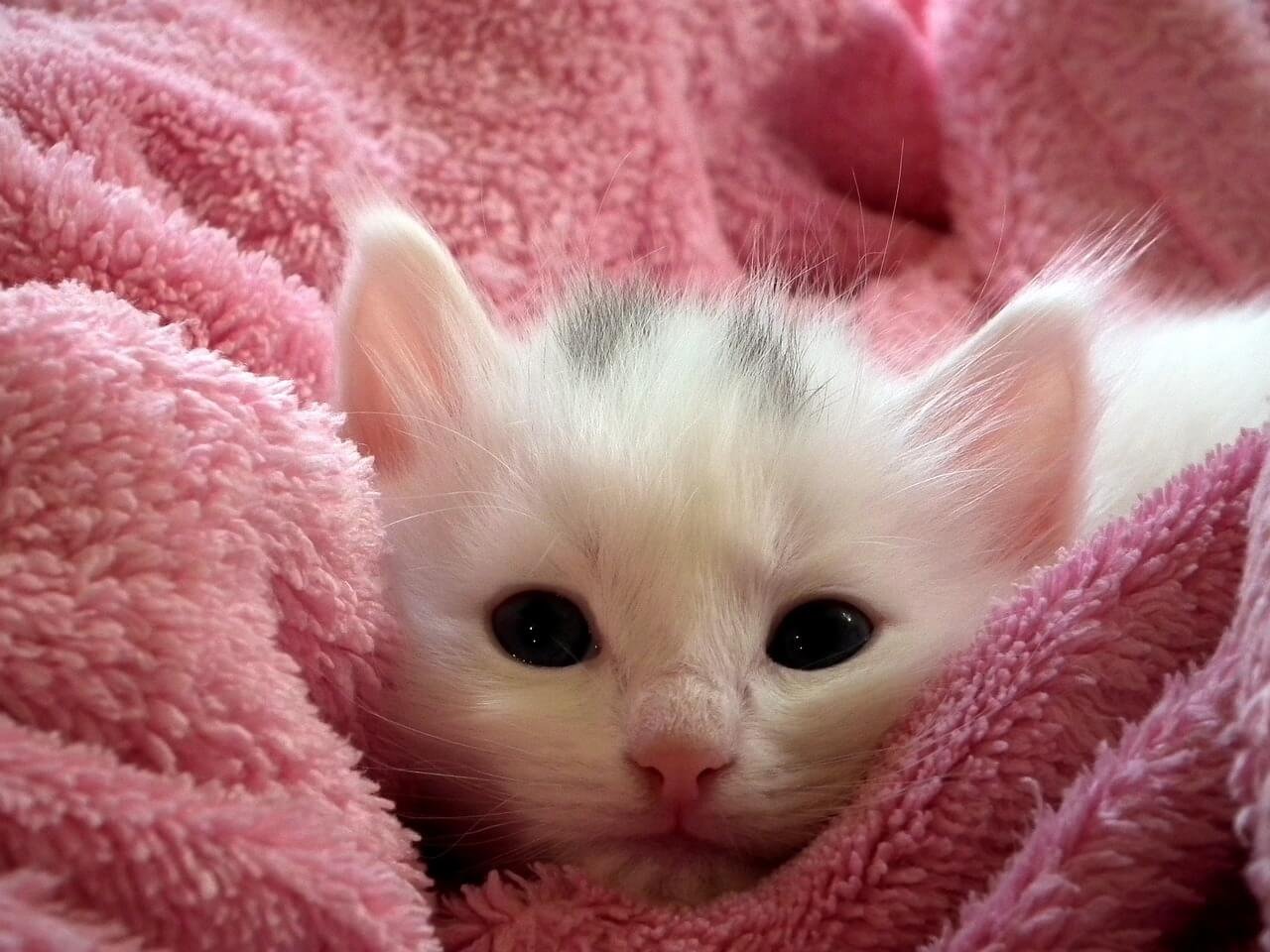
The Russian White cat is a breed that exudes elegance and charm, captivating cat lovers with its striking appearance and gentle demeanor. Known for its luxurious snow-white coat, piercing emerald-green eyes, and graceful demeanor, this feline is a true treasure of the cat world. Originating from Russia, the Russian White shares its lineage with the more famous Russian Blue but stands out with its unique snowy fur and warm personality. Whether you’re considering adding a Russian White to your family or simply curious about this stunning breed, this guide will explore everything you need to know about their history, characteristics, care requirements, and more.

Key Characteristics of the Russian White Cat


The Russian White cat is admired for its distinctive traits, which make it a beloved companion for many households. Here are some of the standout features that define this elegant breed.

 
  • Snowy White Coat:
    The Russian White’s most iconic feature is its soft, plush coat, which is pure white and has a silky texture. This coat requires regular grooming to maintain its luster.

  • Emerald-Green Eyes:
    Their vivid green eyes are mesmerizing and add to their regal appearance, making them stand out even among other beautiful cats.

  • Medium-Sized Build:
    These cats have a sleek, athletic build that makes them agile and playful while still being affectionate lap companions.

  • Gentle and Friendly Nature:
    Russian Whites are known for their calm and loving personalities, making them ideal pets for families and individuals alike.

  • Intelligent and Curious:
    These cats are highly intelligent and enjoy exploring their surroundings, often forming strong bonds with their owners.


With their unique combination of beauty and temperament, Russian White cats are truly a joy to have as part of any home.

The Enchanting World of the Russian White Cat: Best 7 Tips!

Caring for Your Russian White Cat


Owning a Russian White cat comes with responsibilities to ensure their health, happiness, and well-being. Proper care can help them thrive and remain a cherished member of your family.

 
  • Regular Grooming Sessions:
    Despite their short coat, Russian Whites benefit from weekly brushing to remove loose hair and prevent matting.

  • Balanced Diet and Nutrition:
    Provide high-quality cat food rich in protein and essential nutrients to support their active lifestyle and maintain a healthy weight.

  • Playtime and Mental Stimulation:
    Engage your cat with interactive toys and puzzles to satisfy their curiosity and keep them physically fit.

  • Routine Veterinary Check-Ups:
    Schedule regular vet visits to monitor their health and address any potential issues early on.

  • Safe Indoor Environment:
    While they enjoy adventure, keeping your Russian White indoors protects them from outdoor dangers like traffic or predators.


By meeting these care needs, you’ll ensure your Russian White stays happy, healthy, and thriving for years to come.

Physical Traits
Temperament and Personality
Pure white, short plush coat
Gentle and affectionate
Bright emerald-green eyes
Intelligent and curious
Medium-sized, athletic build
Playful yet calm
Sleek and elegant appearance
Bonds closely with family members
Soft, silky fur texture
Adaptable to various living environments

Health Considerations for Russian White Cats


Like all breeds, Russian White cats have specific health considerations that owners should be aware of to ensure their longevity and vitality. Understanding these factors helps provide the best possible care.

 
  • Low Genetic Health Risks:
    The breed is generally healthy with few hereditary conditions, thanks to careful breeding practices over the years.

  • Dental Hygiene:
    Regular teeth cleaning can prevent dental diseases, which are common in cats of all breeds.

  • Weight Management:
    Monitor their diet and activity levels to avoid obesity, which can lead to other health complications.

  • Ear and Eye Care:
    Clean their ears and check their eyes regularly to prevent infections or irritations.

  • Parasite Prevention:
    Keep up with flea and tick treatments, especially if they spend time outdoors in a controlled environment.


By staying proactive about their health, you can help your Russian White live a long and fulfilling life.

Training Tips for Russian White Cats


Russian White cats are intelligent and eager to please, making them excellent candidates for training. With patience and consistency, you can teach them basic commands and behaviors.

 
  • Start with Positive Reinforcement:
    Use treats, praise, or toys to reward desired behaviors, encouraging them to repeat those actions.

  • Teach Basic Commands:
    Simple commands like “sit,” “stay,” or “come” can be taught using clicker training or verbal cues.

  • Litter Box Training:
    Most Russian Whites instinctively use a litter box, but reinforcing good habits ensures consistent behavior.

  • Redirect Scratching Behavior:
    Provide scratching posts and gently redirect unwanted scratching to appropriate surfaces.

  • Introduce New Experiences Gradually:
    Acclimate your cat to new people, pets, or environments slowly to reduce stress and anxiety.


With their intelligence and willingness to learn, Russian Whites can become well-behaved and adaptable companions.


Fun Facts About Russian White Cats

The Russian White cat is full of surprises, with fascinating traits that set them apart from other breeds. Here are some fun facts about these enchanting felines.

 
  • Rare Breed Status:
    The Russian White remains one of the rarer cat breeds, adding to its exclusivity and allure.

  • Close Relative of the Russian Blue:
    They share ancestry with the Russian Blue but were selectively bred for their white coats and green eyes.

  • Natural Hunters:
    Despite their refined appearance, they retain strong hunting instincts passed down from their ancestors.

  • Adaptable to Various Climates:
    Originally from Russia, they handle colder temperatures well but adapt equally to warmer climates.

  • Quiet Communicators:
    Unlike some chatty breeds, Russian Whites express themselves subtly, often relying on body language over vocalization.


These intriguing facts showcase why the Russian White cat continues to captivate cat enthusiasts worldwide.

How to Prepare Your Home for a Russian White Cat

Bringing a Russian White cat into your home requires some preparation to ensure they feel safe and comfortable. Follow these tips to create a welcoming environment.

 
  • Designate a Safe Space:
    Set up a cozy corner with a bed, toys, and food/water bowls where they can retreat when feeling overwhelmed.

  • Provide Scratching Posts:
    Place sturdy scratching posts around the house to satisfy their natural urge to scratch.

  • Secure Hazardous Areas:
    Remove toxic plants, small objects, and cords that could pose risks to your curious feline.

  • Install Window Perches:
    Give them access to windowsills or perches so they can observe the outside world safely.

  • Stock Up on Toys:
    Offer a variety of toys to keep them entertained and mentally stimulated throughout the day.


Preparing your home thoughtfully ensures your Russian White settles in smoothly and feels right at home.

The History and Origins of the Russian White Cat

The Russian White cat has a rich history rooted in its native land, where it developed its distinct features and personality. Understanding their origins adds depth to their story.

 
  • Origins in Russia:
    The breed originated in Russia alongside the Russian Blue, though selective breeding emphasized their white coats.

  • Development in the 20th Century:
    Breeders in Australia played a key role in refining the Russian White’s characteristics during the mid-1900s.

  • Recognition by Cat Associations:
    While still rare, the breed has gained recognition from organizations like the GCCF (Governing Council of the Cat Fancy).

  • Symbol of Elegance:
    Historically prized for their aristocratic appearance, they were favored by Russian nobility and elites.

  • Modern Popularity:
    Today, their charm and uniqueness continue to attract admirers globally, despite their rarity.


Exploring their history reveals how the Russian White became the remarkable breed we celebrate today.

Frequently Asked Questions About Russian White Cats

 
Are Russian White cats hypoallergenic?

While no cat is completely hypoallergenic, their short coat produces fewer allergens compared to long-haired breeds.

Yes, they are generally sociable and can coexist peacefully with dogs and other cats.

Moderate exercise is sufficient. Daily play sessions and access to climbing spaces will keep them content.

They are generally healthy but should be monitored for common feline conditions like dental disease or obesity.

Prices vary depending on breeder reputation and location, but expect to pay between 1,500 for a purebred kitten.

Why the Russian White Cat Makes an Ideal Companion


The Russian White cat is a perfect blend of beauty, intelligence, and affection, making them an exceptional addition to any household. From their stunning snow-white coat and dazzling green eyes to their gentle nature and playful spirit, these cats bring joy and warmth wherever they go. By understanding their unique needs and characteristics, you can create a loving environment where they thrive. Whether you’re looking for a loyal lap cat or an adventurous playmate, the Russian White cat promises to be a lifelong friend who enriches your life in countless ways.

Understanding Bone Supplement for Cats: Best 7 Expert Tips!

Understanding Bone Supplement for Cats: Best 7 Expert Tips! – Safe, vet-approved guidance for strong feline bones & balanced nutrition.

Bone Supplement for Dogs: Best 7 Expert Tips!

Bone Supplement for Dogs: Best 7 Expert Tips! – Expert guide to calcium, collagen & bone health for every life stage.

Understanding Can Cats Get Sunburn: Best 7 Expert Tips!

Understanding Can Cats Get Sunburn: Best 7 Expert Tips! – Protect your feline from UV damage with vet-backed prevention strategies.

How to Train a Seizure Alert Dog: Best 7 Expert Tips!

How to Train a Seizure Alert Dog: Best 7 Expert Tips! – Learn expert-backed steps to nurture natural instincts into reliable, life-saving seizure alerts.

Leave a Reply

Your email address will not be published. Required fields are marked *


