

The Deerhound Dog: Best 7 Expert Tips!

The Deerhound Dog: Best 7 Expert Tips!

The Deerhound Dog: Grace, Speed, and Quiet Dignity in a Gentle Giant

Few breeds embody nobility quite like the Deerhound. Towering yet tender, swift yet serene, this ancient Scottish sighthound was once reserved for nobility who hunted red deer across misty Highlands. With a flowing coat, deep chest, and calm eyes, the Deerhound moves with silent grace—equally at home sprinting across moors or lounging at your feet. If you seek a loyal, low-drama companion with the soul of a poet and the legs of a racer, the Deerhound may steal your heart without making a sound.

Origins and History of the Deerhound

Long before modern dog shows and suburban backyards, the Deerhound ruled the rugged landscapes of Scotland as a skilled and respected hunter. Revered not just for its ability but for its character, this breed held a place of honor in Celtic culture and law.

 
  • Royal Hunting Companion:
    In medieval Scotland, only nobles of earl rank or higher could own a Deerhound—so prized was its skill in coursing red deer.
     
  • Near Extinction and Revival:
    As deer hunting declined in the 19th century, the breed nearly vanished, saved only by devoted enthusiasts like Captain Graham who rebuilt bloodlines.
     
  • Ancestor to Other Sighthounds:
    The Deerhound shares deep roots with the Irish Wolfhound and Greyhound, contributing size and stamina to both lineages.
     
  • Literary and Cultural Legacy:
    Poets like Sir Walter Scott and artists of the Victorian era celebrated the Deerhound as a symbol of loyalty, courage, and quiet strength.
     
  • Modern Preservation Efforts:
    Today, breed clubs worldwide work to maintain genetic diversity and promote responsible ownership of this rare and majestic dog.
 

While no longer chasing stags through the Highlands, the Deerhound carries its regal past in every dignified step and gentle glance.

The Deerhound Dog: Best 7 Expert Tips!

Distinctive Physical Traits of the Deerhound

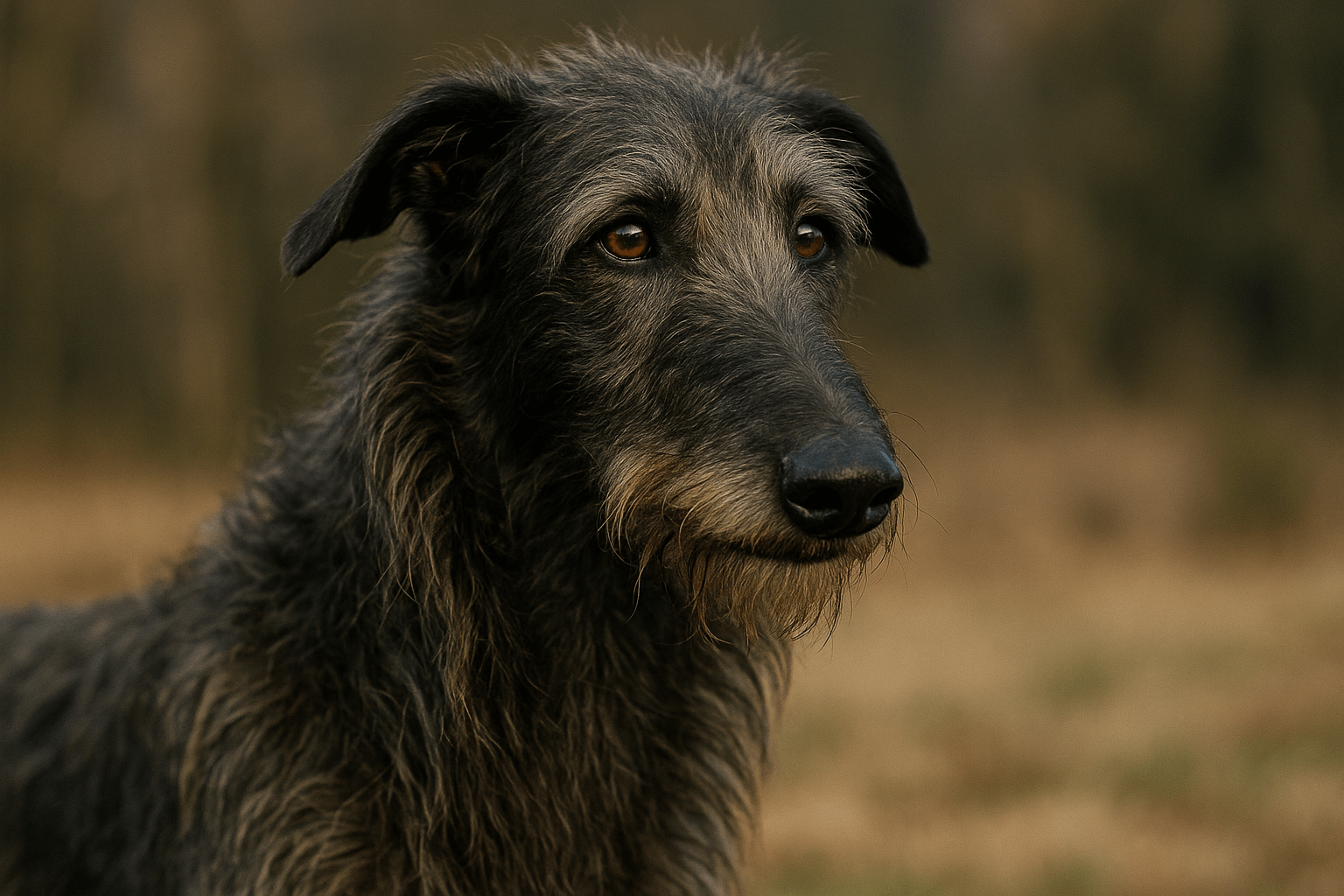
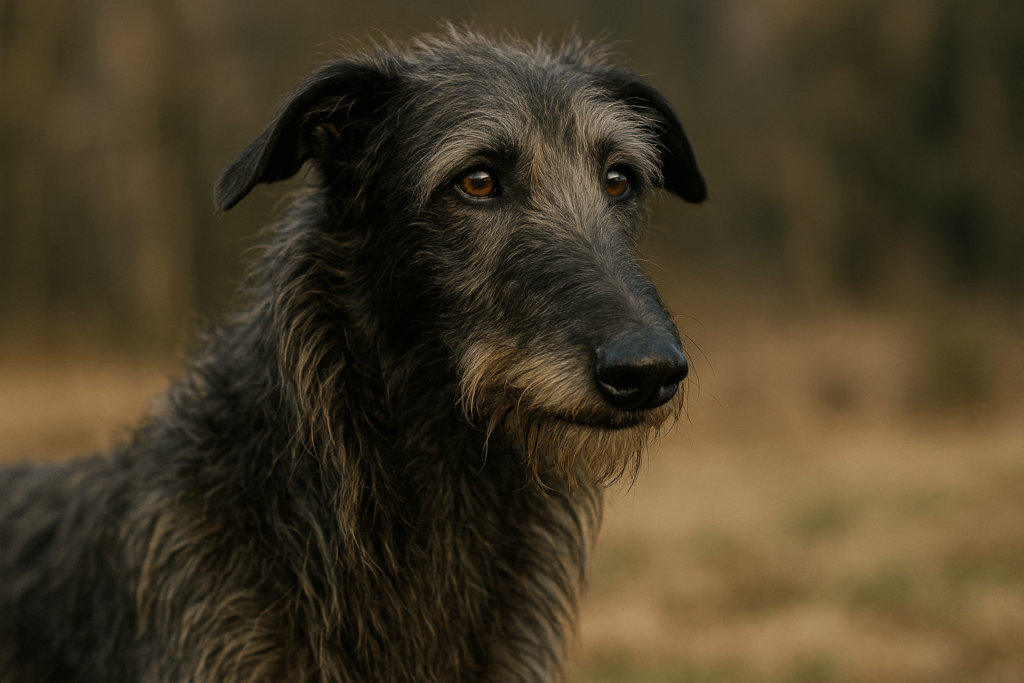
The Deerhound is built for both beauty and function—its sleek silhouette and wiry coat are perfectly adapted to cold, wet terrain and high-speed pursuit. Every line of its body speaks of endurance, agility, and aristocratic bearing.

 
  • Impressive Size and Stature:
    Males stand 30–32 inches tall and weigh 85–110 pounds; females are slightly smaller but equally elegant.
     
  • Rough, Wiry Coat:
    A harsh, medium-length coat in shades of gray, blue, or brindle protects against wind and rain—a necessity for Highland hunters.
     
  • Lean, Muscular Frame:
    Deep chest, tucked abdomen, and long legs allow for explosive acceleration and sustained galloping over rough ground.
     
  • Tail and Head Structure:
    The tail hangs low with a slight curve, while the head is long and level, topped with small, folded ears that rise when alert.
     
  • Subtle Expression of Calm Intelligence:
    Dark eyes and a slightly arched muzzle give the Deerhound a thoughtful, serene expression—never harsh or nervous.
 

These aren’t just ornamental traits; they’re the legacy of a dog bred to work tirelessly in some of Europe’s harshest environments.

Check this guide 👉Red Hound Dog Breeds: Best 7 Expert Tips!

Check this guide 👉Italian Greyhound Dog: Best 7 Expert Tips!

Check this guide 👉Elkhound Dog: Best 7 Expert Tips!

Temperament Highlights Care Considerations
Quiet and reserved with strangers Needs soft bedding—prone to pressure sores
Gentle and patient with family Weekly brushing to manage shedding
Low barking tendency Sensitive stomach—requires high-quality diet
Independent but affectionate Needs secure fencing—strong chase instinct
Excellent with respectful children Prone to bloat—feed multiple small meals

Personality and Temperament: The Noble Heart of a Gentle Giant

Beneath its imposing frame, the Deerhound possesses a soul of remarkable gentleness. Known for its “quiet dignity,” this breed rarely demands attention but offers unwavering companionship to those it trusts.

 
  • Calm and Composed Indoors:
    Unlike many large breeds, the Deerhound is exceptionally well-mannered in the home—content to lounge quietly beside you.
     
  • Deeply Loyal Without Clinginess:
    It forms strong bonds but respects personal space, making it ideal for owners who value a peaceful, low-drama pet.
     
  • Gentle with Children:
    While not overly playful, it’s famously patient and kind with older, considerate kids—never rough or boisterous.
     
  • Reserved Around Strangers:
    The Deerhound doesn’t bark unnecessarily or greet every visitor with enthusiasm—but remains alert and aware.
     
  • Sensitive to Tone and Mood:
    Harsh voices or chaotic environments can unsettle this thoughtful breed; it thrives in calm, consistent households.
 

In a world of noisy demands, the Deerhound’s quiet presence is a rare and grounding gift.

Training and Socialization Tips for Deerhound Owners

Training a Deerhound requires patience, respect, and an understanding of its sighthound instincts. Bred to think independently while hunting, it responds best to gentle guidance—not force.

 
  • Start Socialization Early:
    Introduce puppies to varied people, sounds, and surfaces before 14 weeks to build confidence and reduce shyness.
     
  • Use Positive, Reward-Based Methods:
    Harsh corrections shut down this sensitive breed; use treats, praise, and play to motivate learning.
     
  • Keep Training Sessions Brief:
    Attention spans are moderate—aim for 5–10 minute sessions, repeated throughout the day.
     
  • Focus on Recall Above All:
    With a powerful prey drive, off-leash freedom is risky unless rock-solid recall is established in safe areas.
     
  • Be Consistent with Boundaries:
    Though polite, Deerhounds test limits subtly—clear, calm rules prevent unwanted behaviors like counter-surfing.
 

Remember: you’re guiding a thoughtful partner, not commanding a soldier. Mutual respect yields the best results.

Grooming and Health Needs of the Deerhound

Despite its size, the Deerhound is relatively low-maintenance—but not without specific care needs tied to its physiology and coat type.

 
  • Coat Care Routine:
    Brush once or twice weekly with a slicker brush; hand-stripping preserves texture, though many owners opt for light trimming.
     
  • Nail and Ear Attention:
    Long feet mean fast-growing nails—trim every 3–4 weeks; check ears weekly for wax or odor.
     
  • Dental and Digestive Health:
    Brush teeth 2–3 times weekly; feed a high-quality, grain-inclusive diet to support sensitive digestion.
     
  • Common Genetic Concerns:
    Screen for osteosarcoma, cardiomyopathy, and gastric dilatation-volvulus (bloat)—leading causes of reduced lifespan.
     
  • Lifespan and Preventive Care:
    Average lifespan is 8–10 years; biannual vet visits, joint supplements, and weight management improve quality of life.
 

Proactive care helps this noble breed enjoy its golden years with comfort and dignity.

Living with a Deerhound: Ideal Home and Lifestyle Fit

The Deerhound adapts surprisingly well to modern life—but only if its physical and emotional needs are honored.

 
  • Best Suited for House Living:
    Apartments are too confining; a home with a soft bed and room to stretch is essential.
     
  • Moderate Exercise Needs:
    Daily walks plus 1–2 opportunities to sprint safely in a fenced area satisfy both physical and mental needs.
     
  • Not for High-Energy or Noisy Households:
    This breed dislikes chaos; calm, predictable routines foster security and trust.
     
  • Cold-Weather Tolerance:
    The wiry coat handles cool climates well, but extreme cold or wet requires a coat and dry shelter.
     
  • Low-Shedding but Not Hypoallergenic:
    While shedding is light, dander and saliva can still trigger allergies—regular grooming helps reduce allergens.
 

The Deerhound isn’t a “project dog”—it’s a serene companion for those who appreciate quiet strength.

Potential Challenges of Owning a Deerhound

Despite its grace, the Deerhound isn’t for everyone. Prospective owners should understand these realities before committing.

 
  • High Cost of Care:
    From food to vet bills, large-breed expenses add up quickly—budget accordingly for quality nutrition and preventive care.
     
  • Fragile Build for a Large Dog:
    Slender bones and deep chests make them prone to injury; avoid stairs, jumping, and rough play.
     
  • Strong Prey Drive:
    Small pets like cats, rabbits, or birds may be seen as prey—early socialization helps but doesn’t guarantee safety.
     
  • Emotional Sensitivity:
    Yelling, punishment, or frequent rehoming deeply affects this breed—it needs stability and kindness.
     
  • Shorter Lifespan:
    At 8–10 years, time with your Deerhound may feel fleeting—cherish every moment of its quiet companionship.
 

Acknowledging these challenges ensures you’re prepared to offer the respectful, loving home this dignified dog deserves.

Frequently Asked Questions About the Deerhound Dog

Is the Deerhound a good family dog?

Yes—especially in calm homes with older children. It’s gentle, patient, and deeply loyal, though not overly playful.

They need daily walks plus occasional off-leash sprints in secure areas. Indoors, they’re famously couch-loving.

They’re intelligent but independent. Consistency, positivity, and patience yield the best results—never force.

Moderately. Weekly brushing keeps loose hair under control; seasonal shedding occurs but isn’t excessive.

With caution. They’re prone to overheating—provide shade, AC, and avoid exercise during peak heat.

A Quiet Majesty That Stays With You Forever

The Deerhound doesn’t bark for attention, perform tricks for praise, or demand constant interaction. Instead, it offers something rarer: steady, silent companionship grounded in ancient grace. To live with a Deerhound is to share your days with a creature of profound calm—a dog that watches the world with wise eyes and follows you not out of need, but out of choice. If you’re ready to welcome a gentle giant whose presence speaks louder than words, the Deerhound will walk beside you with dignity, loyalty, and quiet love—until the very last hill is climbed.

Is Rawhide Bad for Cats? Best 7 Expert Tips!

Is Rawhide Bad for Cats? Best 7 Expert Tips! – Discover the risks, safe alternatives, and expert advice to keep your feline friend healthy and happy.

Is Rawhide Bad for Dogs? Best 7 Expert Tips!

Is Rawhide Bad for Dogs? Best 7 Expert Tips! – Discover the risks, benefits, and safer alternatives to rawhides for your dog’s chewing needs.

Understanding Anorexia in Cats: Best 7 Expert Tips!

Understanding Anorexia in Cats: Best 7 Expert Tips! – Learn why cats stop eating, spot warning signs, and discover how to help your feline regain appetite safely.

Understanding Anorexia in Dogs: Best 7 Expert Tips!

Understanding Anorexia in Dogs: Best 7 Expert Tips! – Learn causes, symptoms, and solutions to help your dog regain appetite and stay healthy.

Leave a Reply

Your email address will not be published. Required fields are marked *