
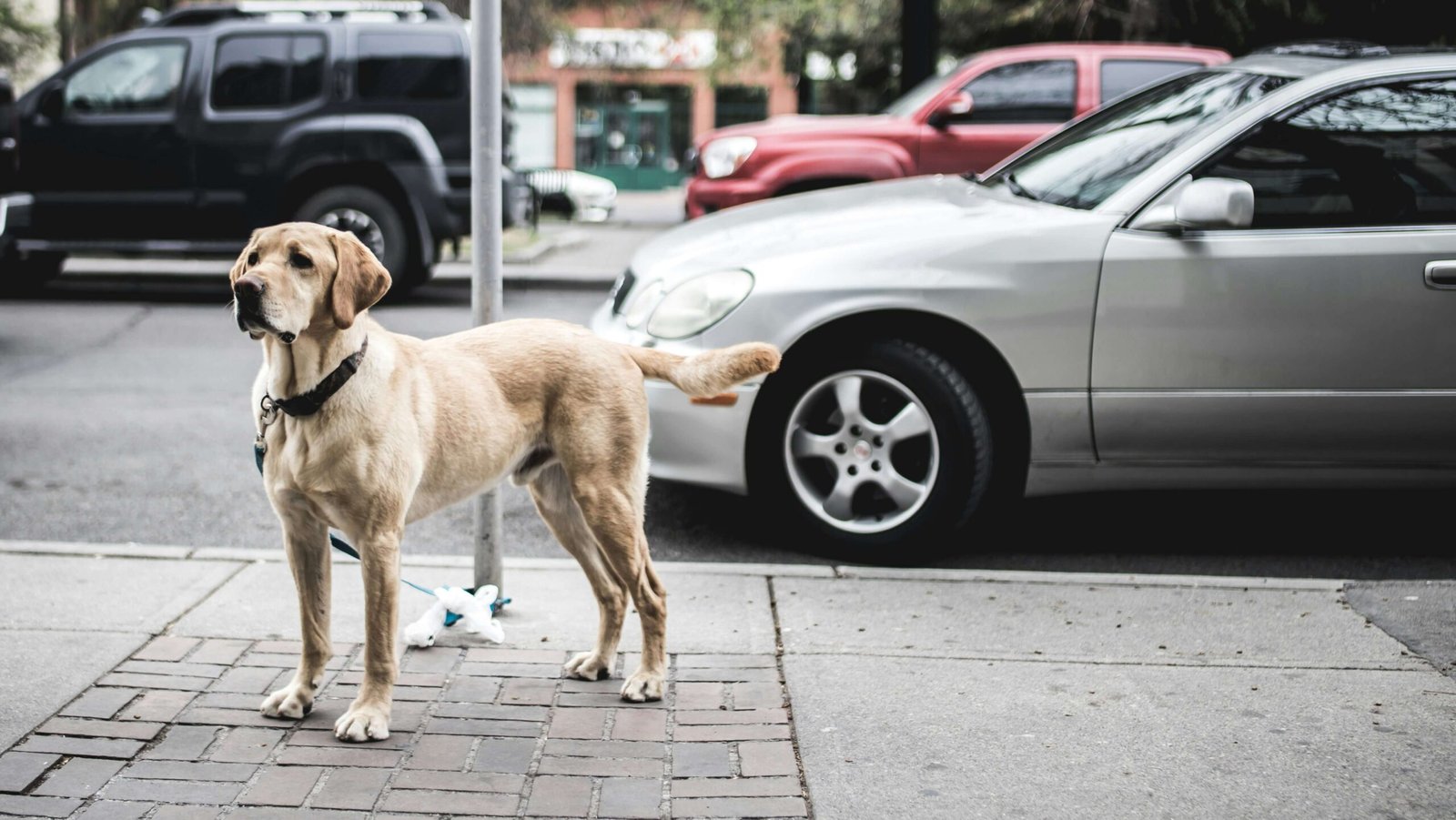

The Curious Case of Dog Head Bobbing Slowly
Have you ever noticed your furry friend bobbing their head slowly, almost as if they’re grooving to an invisible beat? While it might seem adorable or even amusing at first glance, this behavior can sometimes be a sign of something more significant. Dogs communicate not just through barks and wagging tails but also through subtle body language—and head bobbing is one such cue. Whether it’s a momentary quirk or a recurring habit, understanding why your dog engages in this behavior is essential for ensuring their well-being. In this blog post, we’ll explore the possible reasons behind this fascinating action, how to interpret it, and what steps you can take to address any underlying concerns.
Common Reasons Behind Dog Head Bobbing Slowly
Dogs are known for their expressive behaviors, and head bobbing can mean different things depending on the context. Here’s a breakdown of some common explanations for this peculiar movement:
Playfulness or Excitement
When dogs are excited or trying to engage with their surroundings, they may bob their heads slowly as part of their playful repertoire.Curiosity About Sounds
Dogs have an incredible sense of hearing. They might tilt or bob their heads when trying to pinpoint the source of an intriguing sound.Attention-Seeking Behavior
Sometimes, dogs use head bobbing as a way to get their owner’s attention, especially if they’ve learned it elicits a reaction.Balance or Coordination Issues
In rare cases, slow head bobbing could indicate problems with balance or coordination due to inner ear issues or neurological conditions.Response to Discomfort or Pain
If a dog is experiencing discomfort in their neck, ears, or head, they may bob their head as a way to alleviate the sensation.
Understanding these potential causes can help you better interpret your dog’s actions. However, if the behavior seems unusual or persistent, it’s always wise to consult a veterinarian to rule out any health-related concerns.
How to Respond When You Notice Dog Head Bobbing Slowly
If your dog starts bobbing their head slowly, there are several steps you can take to determine whether it’s harmless or requires further investigation. Consider the following tips:
Observe Their Surroundings
Check if there’s anything unusual in the environment that might be triggering the behavior, such as loud noises or unfamiliar objects.Monitor Frequency and Duration
Keep track of how often and how long the head bobbing occurs. Occasional episodes are less concerning than frequent or prolonged ones.Look for Other Symptoms
Pay attention to additional signs like lethargy, loss of appetite, or changes in behavior, which could indicate an underlying issue.Engage in Playtime
Sometimes distracting your dog with play or exercise can shift their focus away from repetitive movements.Consult a Professional
If the behavior persists or worsens, schedule a visit with your vet to ensure there’s no medical cause behind it.
By taking these steps, you can gain clarity about your dog’s head-bobbing tendencies while keeping their health and happiness top of mind.
Check this guide 👉Why Does My Dog Sleep on My Head? Best 7 Behavior Tips!
Check this guide 👉Why Does My Dog Rest His Head on Me When He Sleeps? Best 7 Tips
Possible Causes | What You Can Do |
|---|---|
Playfulness or excitement | Engage in interactive play sessions |
Curiosity about sounds | Identify and eliminate startling noises |
Attention-seeking behavior | Reward calm behavior instead of head bobs |
Balance or coordination issues | Schedule a vet check-up immediately |
Discomfort or pain | Inspect ears, neck, and head for injuries |
Preventive Measures to Minimize Unusual Behaviors
While occasional head bobbing is usually harmless, taking preventive measures can reduce the likelihood of problematic behaviors developing over time. Here are some strategies to consider:
Provide Mental Stimulation
Interactive toys and puzzles can keep your dog mentally engaged and prevent boredom-induced behaviors.Maintain a Consistent Routine
Dogs thrive on routine. Establishing regular feeding, walking, and play schedules can promote overall stability.Address Anxiety Early On
If your dog shows signs of anxiety, work with a trainer or behaviorist to implement calming techniques.Ensure Proper Nutrition
A balanced diet supports brain health and reduces the risk of neurological issues.Regular Vet Check-Ups
Routine veterinary visits can catch potential health problems before they escalate.
By incorporating these practices into your dog’s daily life, you can foster a happy, healthy companion who’s less likely to exhibit odd behaviors like excessive head bobbing.
Fun Facts About Dog Body Language
Did you know that dogs use a wide range of physical cues to express themselves? Beyond head bobbing, here are some intriguing insights into canine communication:
Tail Wagging Isn’t Always Happy
A wagging tail doesn’t always indicate joy—it can also signal nervousness or aggression depending on its position and speed.Yawning Can Mean Stress
Dogs often yawn when they’re feeling stressed or overwhelmed, not just when they’re tired.Ears Have Stories to Tell
The direction and position of a dog’s ears can reveal their emotional state, from relaxed to alert or fearful.Paw Lifting Signals Focus
When a dog lifts a paw, it usually means they’re concentrating intently on something interesting nearby.Blinking Is a Sign of Trust
Slow blinks exchanged between humans and dogs are considered a gesture of trust and affection.
Understanding these nuances deepens the bond between you and your pet, helping you respond more effectively to their needs.
Understanding Breed-Specific Tendencies in Dog Head Bobbing
While all dogs can exhibit head bobbing behavior, certain breeds may be more prone to it due to their physical traits or temperament. Below are some examples of breeds that might show this behavior more frequently and why:
Basset Hounds
Known for their long ears and droopy faces, Basset Hounds often engage in head tilting or bobbing to adjust their field of vision or investigate sounds.Cocker Spaniels
With their sensitive ears, Cocker Spaniels are prone to ear infections, which can lead to discomfort and subsequent head bobbing as they try to alleviate irritation.Greyhounds
These elegant sighthounds may bob their heads slowly when observing distant movements, showcasing their heightened focus and curiosity.Border Collies
Highly intelligent and energetic, Border Collies sometimes use head bobbing as part of their playful or herding instincts during interactions.Dachshunds
Their elongated bodies and unique posture can sometimes affect balance, making them more likely to display subtle head movements like slow bobbing.
By recognizing breed-specific tendencies, you can better understand whether your dog’s head bobbing is typical or warrants further investigation.
How Breed Size Influences Head Bobbing Behaviors
The size of a dog can play a significant role in how and why they exhibit head bobbing behaviors. Larger and smaller breeds may have distinct reasons for this action, as outlined below:
Large Breeds (e.g., Great Danes, Mastiffs)
Due to their size, large breeds may bob their heads to compensate for limited neck mobility or to interact with objects at lower levels.Medium Breeds (e.g., Beagles, Bulldogs)
Medium-sized dogs often bob their heads during play or exploration, using the movement to express excitement or curiosity about their surroundings.Small Breeds (e.g., Chihuahuas, Pugs)
Smaller dogs might tilt or bob their heads to get a better view of things above them, as their stature limits their natural line of sight.Toy Breeds (e.g., Shih Tzus, Yorkshire Terriers)
These tiny companions may bob their heads as a way to seek attention from their owners or to signal interest in nearby activities.Mixed Breeds
Dogs with mixed heritage might combine traits from both larger and smaller breeds, leading to unique head bobbing patterns influenced by their diverse genetic makeup.
Understanding how size impacts behavior helps paint a clearer picture of why your dog might engage in head bobbing and what it could signify.
Breed Temperament and Its Role in Head Bobbing
A dog’s temperament, which is often breed-specific, can also influence their likelihood of head bobbing. Here’s how different temperaments across breeds can manifest in this behavior:
Playful Breeds (e.g., Labrador Retrievers, Golden Retrievers)
These friendly and energetic dogs often use head bobbing as part of their playful repertoire, especially when interacting with humans or other animals.Alert Breeds (e.g., German Shepherds, Doberman Pinschers)
Highly vigilant breeds may bob their heads slowly while assessing unfamiliar sounds or movements in their environment.Anxious Breeds (e.g., Whippets, Italian Greyhounds)
Dogs prone to anxiety might exhibit head bobbing as a self-soothing mechanism or as a response to stress triggers.Independent Breeds (e.g., Basenjis, Chow Chows)
More aloof breeds may use head bobbing sparingly, often reserving it for moments of intense focus or curiosity rather than frequent expression.Affectionate Breeds (e.g., Cavalier King Charles Spaniels, French Bulldogs)
Dogs that crave human connection might bob their heads to initiate interaction or convey affection toward their owners.
Recognizing the link between temperament and behavior provides valuable insights into your dog’s personality and strengthens your ability to interpret their actions accurately.
FAQ
Why does my dog bob his head slowly?
There are various reasons, including excitement, curiosity, attention-seeking, or even discomfort. Observing other symptoms can help pinpoint the cause.
Should I be worried if my dog bobs their head frequently?
Frequent head bobbing could indicate an underlying issue, so consulting a vet is recommended to rule out medical concerns.
Can ear infections cause head bobbing in dogs?
Yes, ear infections or irritations can lead to head bobbing as dogs attempt to relieve discomfort.
How can I tell if my dog’s head bobbing is playful or concerning?
Look for accompanying signs—if your dog seems otherwise happy and energetic, it’s likely playful. Persistent or paired with lethargy, it may require attention.
Are certain breeds more prone to head bobbing?
While all breeds can exhibit this behavior, those with long ears or predispositions to ear issues might show it more often due to increased sensitivity.
Final Thoughts on Dog Head Bobbing Slowly
From playful quirks to potential health signals, dog head bobbing slowly is a multifaceted behavior that deserves thoughtful observation. By staying attuned to your dog’s unique personality and habits, you can decipher what their actions truly mean. Remember, every wag, tilt, or bob tells a story—your job is to listen closely and act accordingly. With patience, care, and professional guidance when needed, you can ensure that your beloved companion remains happy, healthy, and full of life. So the next time you notice your dog’s head bobbing slowly, take a moment to appreciate the complexity of their communication—it’s yet another reminder of the incredible bond we share with our four-legged friends.
Newfoundland Dog Personality: Best 7 Expert Tips! – Discover the gentle, loyal, and protective nature of this giant breed perfect for families.
Can Hot Pavement Burn Your Cats Paws? Best 7 Expert Tips! – Learn how to protect your cat’s paws from hot surfaces and prevent painful burns this summer.
Can Hot Pavement Burn Your Dogs Paws? Best 7 Expert Tips! – Learn how to protect your dog’s paws from hot surfaces and ensure safe summer walks.
Irish Wolfhound Size: Best 7 Expert Tips! – Discover the ideal height, weight, and care tips for this majestic giant breed. Learn how to manage their impressive stature responsibly.