
The Art of Protection Dog Training: Best 7 Expert Tips!

The Art of Protection Dog Training: Best 7 Expert Tips!

The Art of Protection Dog Training


Protection dog training is more than just teaching a dog to bark or bite—it’s about creating a well-rounded, disciplined companion capable of safeguarding their handler and property. Whether for personal security, law enforcement, or competitive sports, protection training requires skill, patience, and a deep understanding of canine behavior. This specialized form of training taps into a dog’s natural instincts while fostering trust, discipline, and reliability. In this blog post, we’ll explore the principles, techniques, and benefits of protection dog training, as well as how to ensure your dog becomes both a protector and a loyal friend.

Key Principles of Protection Dog Training


Successful protection dog training is built on foundational principles that prioritize safety, communication, and mutual respect. Understanding these core elements ensures effective training without compromising the dog’s well-being.

 
  • Start with Obedience Training:
    A well-trained protection dog must first master basic obedience commands like “sit,” “stay,” and “heel.” This establishes control and trust between handler and dog.

  • Focus on Positive Reinforcement:
    Reward-based methods, such as treats, praise, or toys, encourage desired behaviors while maintaining the dog’s enthusiasm for training.

  • Understand Breed Suitability:
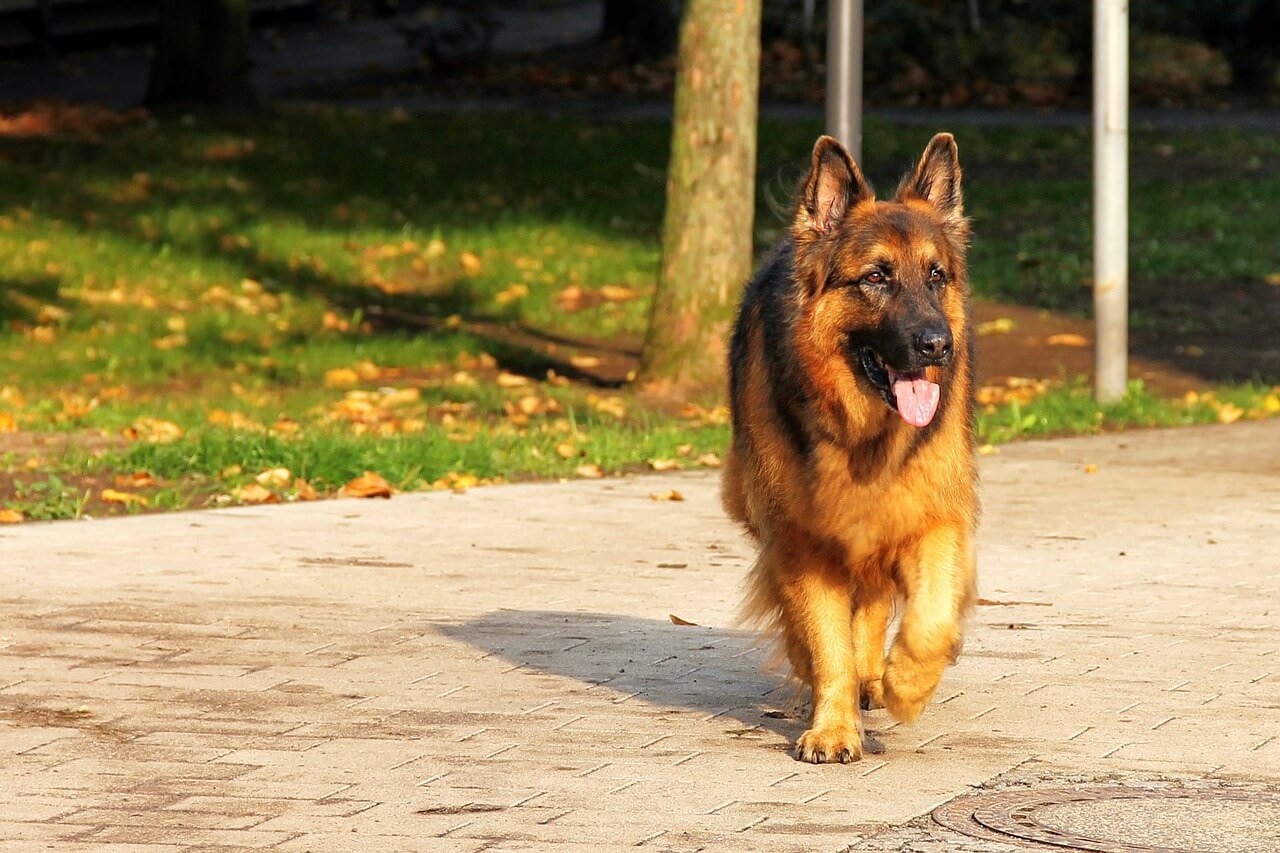
    Not all breeds are suited for protection work. Breeds like German Shepherds, Belgian Malinois, and Rottweilers are often chosen for their intelligence, strength, and protective instincts.

  • Prioritize Socialization:
    Expose your dog to various environments, people, and animals to prevent fear-based aggression and ensure they can distinguish threats from non-threats.

  • Maintain Handler-Dog Bonding:
    The relationship between handler and dog is crucial. Spend time building trust through play, affection, and consistent interaction outside of formal training sessions.


By adhering to these principles, you lay the groundwork for a successful and harmonious protection training journey.

The Art of Protection Dog Training: Best 7 Expert Tips!

Essential Commands in Protection Dog Training


Teaching specific commands tailored to protection work is vital for ensuring your dog responds appropriately in high-stakes situations. These commands form the backbone of effective training.

 
  • “Guard”:
    This command instructs the dog to remain vigilant and protect a designated area or person until further instructions are given.

  • “Bite and Release”:
    The dog learns to apply controlled pressure during a bite and release immediately upon hearing the command, preventing unnecessary harm.

  • “Search”:
    Dogs are trained to systematically search an area for potential threats, using their keen senses to detect intruders or suspicious activity.

  • “Out”:
    This command tells the dog to stop engaging with a target or object, ensuring they can disengage when necessary.

  • “Alert”:
    Instead of attacking, the dog signals the presence of danger by barking or assuming a defensive posture, allowing the handler to assess the situation.


Mastering these commands empowers your dog to act decisively and responsibly in protective scenarios.

Benefits of Protection Dog Training
Challenges to Consider
Enhanced personal and property security
Requires significant time commitment
Improved obedience and discipline
Can be physically demanding for dogs
Strengthened handler-dog bond
Risk of over-aggression if improperly trained
Versatility for sport or professional use
Expensive if hiring professional trainers
Boosts confidence in both dog and owner
Not suitable for all breeds or temperaments

How to Avoid Common Mistakes in Protection Training


Even experienced trainers can encounter pitfalls during protection dog training. Being aware of common mistakes helps prevent setbacks and ensures progress remains steady.

 
  • Skipping Basic Obedience:
    Rushing into advanced protection work without mastering foundational skills can lead to confusion and unreliable performance.

  • Overtraining the Dog:
    Pushing a dog too hard or too often can cause burnout, stress, or even physical injury. Balance training with rest and playtime.

  • Neglecting Socialization:
    Failing to expose the dog to diverse situations may result in fear-based aggression or difficulty distinguishing real threats.

  • Using Harsh Punishments:
    Physical corrections or intimidation can damage the handler-dog bond and create fear rather than respect. Stick to positive reinforcement.

  • Ignoring the Dog’s Temperament:
    Each dog has unique traits—forcing a timid or overly aggressive dog into protection work can lead to behavioral issues.


Avoiding these mistakes fosters a positive and productive training experience for both handler and dog.


Choosing the Right Trainer for Your Dog


Selecting a qualified trainer is critical for achieving success in protection dog training. A skilled professional can guide you through the process while prioritizing your dog’s welfare.

 
  • Look for Certified Trainers:
    Ensure the trainer holds certifications or memberships in reputable organizations related to dog training or behavior.

  • Evaluate Their Experience:
    Choose someone with extensive experience in protection training, particularly with your dog’s breed or temperament.

  • Observe Training Sessions:
    Attend a session to see how the trainer interacts with dogs and handlers—are they patient, clear, and respectful?

  • Ask About Training Methods:
    Confirm that the trainer uses ethical, science-based methods focused on positive reinforcement rather than punishment.

  • Check References and Reviews:
    Speak with past clients or read reviews to gauge the trainer’s reputation and success rate.


Finding the right trainer sets the stage for a rewarding and effective training journey.


Benefits of Early Socialization

Early socialization plays a pivotal role in shaping a protection dog’s behavior and adaptability. Proper exposure ensures they grow into confident, well-adjusted adults ready for advanced training.

 
  • Reduces Fear-Based Aggression:
    Dogs exposed to new experiences early on are less likely to react aggressively out of fear or anxiety.

  • Improves Adaptability:
    A well-socialized dog adjusts easily to different environments, making them reliable in unpredictable situations.

  • Enhances Focus During Training:
    Dogs accustomed to distractions learn to concentrate better on commands and tasks.

  • Builds Trust in Humans:
    Positive interactions with strangers help the dog differentiate between friend and foe.

  • Prepares for Real-Life Scenarios:
    Socialization mimics real-world challenges, preparing the dog for practical protection work.


Socializing your dog early lays the foundation for balanced and effective protection training.

Signs Your Dog Is Ready for Advanced Training

Not every dog progresses at the same pace—knowing when your dog is ready for advanced protection training ensures a smooth transition. Look for these indicators:

 
  • Mastery of Basic Commands:
    Your dog consistently follows commands like “sit,” “stay,” and “come” in various settings.

  • High Energy Levels:
    Dogs with abundant energy and stamina are better equipped for the physical demands of protection work.

  • Strong Bond with Handler:
    A solid relationship built on trust and communication is essential for teamwork during training.

  • Natural Protective Instincts:
    Watch for signs of alertness or guarding behavior around unfamiliar people or sounds.

  • Quick Learning Ability:
    Dogs that pick up new skills rapidly demonstrate readiness for more challenging tasks.


Recognizing these signs ensures you advance at the right pace for your dog’s development.

Maintaining Skills After Training

Once your dog completes protection training, ongoing practice is key to maintaining their skills and keeping them sharp. Consistency prevents regression and reinforces learned behaviors.

 
  • Regular Practice Sessions:
    Schedule weekly drills to keep commands fresh in your dog’s mind and reinforce muscle memory.

  • Simulate Real-Life Scenarios:
    Create mock situations where your dog can practice guarding or alerting to maintain situational awareness.

  • Engage in Play-Based Training:
    Incorporate games like tug-of-war or fetch to channel their energy positively while reinforcing obedience.

  • Monitor Health and Fitness:
    Ensure your dog stays physically fit to handle the rigors of protection work without injury.

  • Revisit Foundational Skills:
    Periodically review basic commands to ensure they remain solid before progressing to advanced exercises.


With consistent effort, you can preserve your dog’s training and continue strengthening your partnership.

Frequently Asked Questions About Protection Dog Training

Is protection dog training suitable for all breeds?

No, not all breeds are suited for protection training. Breeds like German Shepherds, Belgian Malinois, and Rottweilers are commonly preferred due to their temperament and drive.

The duration varies depending on the dog’s age, breed, and prior training. Generally, it can take several months to a year for comprehensive training.

While experienced handlers can train their dogs, hiring a professional ensures proper techniques and reduces the risk of mistakes.

No, a well-trained protection dog will only display aggression when commanded or in response to a genuine threat.

Costs vary based on whether you hire a trainer or do it yourself. Professional training can range from hundreds to thousands of dollars.

Building Confidence Through Protection Dog Training


Protection dog training is a rewarding endeavor that strengthens the bond between handler and dog while enhancing safety and security. By focusing on foundational principles, avoiding common mistakes, and working with qualified professionals, you can unlock your dog’s full potential as a protector and companion. Remember, the goal isn’t just to train a guard dog—it’s to nurture a loyal partner who thrives in their role. With dedication and care, you’ll find that the art of protection dog training enriches both your life and your dog’s.

Dog Seizure Symptoms: Best 7 Expert Tips!

Dog Seizure Symptoms: Best 7 Expert Tips! – Learn to spot signs, respond effectively, and manage seizures in dogs for a healthier, happier life.

Carprofen Dosage for Cats: Best 7 Expert Tips!

Carprofen Dosage for Cats: Best 7 Expert Tips! – Learn safe dosing, risks, and alternatives to manage pain and inflammation in cats effectively.

Africanis Dog Breed: Best 7 Expert Tips!

Africanis Dog Breed: Best 7 Expert Tips! – Explore the resilience, loyalty, and adaptability of this ancient African breed, perfect for diverse lifestyles.

Cruciate Ligament Injury Symptoms in Dogs: Best 7 Tips!

Cruciate Ligament Injury Symptoms in Dogs: Best 7 Tips! – Discover key signs like limping, swelling, and joint instability to ensure prompt treatment.

Leave a Reply

Your email address will not be published. Required fields are marked *

Post Category