

Orange Bengal Cat: A Feline Marvel of Beauty and Personality
The Orange Bengal Cat is a striking feline known for its vibrant coat, bold patterns, and captivating personality. With their wildcat-like appearance and affectionate demeanor, these cats have captured the hearts of cat enthusiasts worldwide. But what makes the Orange Bengal Cat so special? From their unique genetics to their playful nature, this blog post dives deep into everything you need to know about this extraordinary breed. Whether you’re considering adding one to your family or simply curious about their charm, we’ll explore their traits, care requirements, and more in an engaging and informative way.
Distinctive Features of the Orange Bengal Cat
The Orange Bengal Cat stands out not only for its stunning coat but also for its unique physical characteristics that set it apart from other breeds. Here’s what makes them truly remarkable.
Striking Coat Pattern:
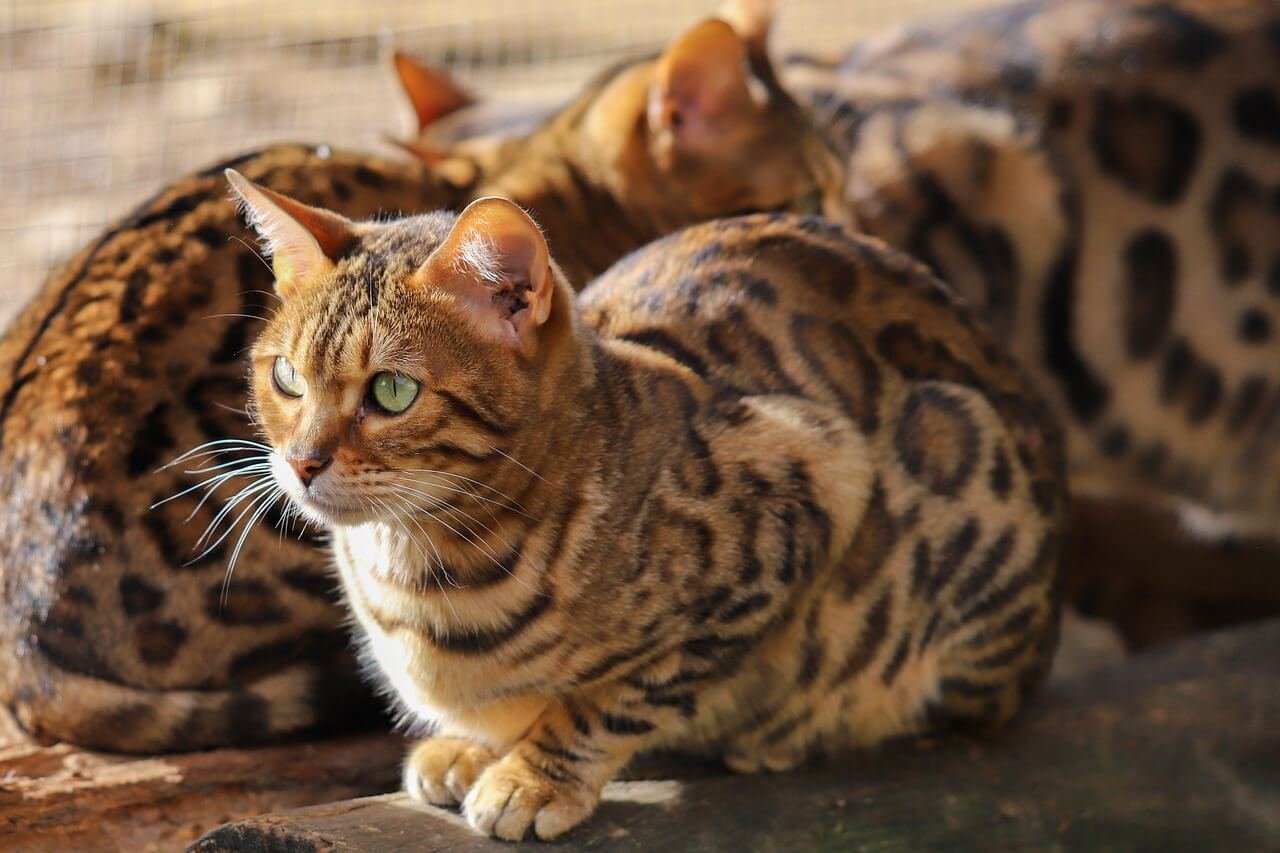
The Orange Bengal’s coat features a shimmering golden-orange base with dramatic black or dark brown rosettes, resembling a miniature leopard.Muscular Build:
These cats have a sleek, athletic body with strong muscles, giving them an agile and powerful appearance.Expressive Eyes:
Their almond-shaped eyes are typically green or gold, adding to their exotic and mesmerizing look.Short, Luxurious Fur:
The Bengal’s fur is soft and dense, often described as feeling like silk, making petting them an absolute delight.Wildcat Heritage:
Descended from the Asian leopard cat, the Orange Bengal retains a touch of its wild ancestry, evident in its confident and adventurous behavior.
These distinctive features make the Orange Bengal Cat a true standout in the feline world, blending beauty with a hint of untamed allure.
Personality Traits of the Orange Bengal Cat
Beyond their striking appearance, Orange Bengal Cats are beloved for their dynamic and engaging personalities. Understanding their temperament can help you determine if they’re the right fit for your home.
Highly Energetic:
Bengals are known for their boundless energy, often leaping, climbing, and exploring every corner of their environment.Intelligent and Curious:
These cats love solving puzzles and figuring out how things work, making interactive toys a must-have for their enrichment.Affectionate Companions:
Despite their independent streak, Bengals form strong bonds with their owners and enjoy being involved in daily activities.Vocal Communicators:
They aren’t shy about expressing themselves through chirps, meows, and other vocalizations to get your attention.Playful and Mischievous:
Their playful nature means they may occasionally get into trouble, but their antics are sure to bring joy and laughter.
With their lively and loving personalities, Orange Bengal Cats bring excitement and warmth to any household lucky enough to have them.
Check this guide 👉Bengal Cat Size: Best 7 Expert Tips!
Check this guide 👉Bengal Cat Health Problems: Best 7 Expert Tips!
Check this guide 👉Bengal Maine Coon Mix: Best 7 Expert Tips!
Physical Characteristics | Temperament and Behavior |
|---|---|
Shimmering orange-gold coat | Highly energetic and active |
Dramatic rosette markings | Intelligent and problem-solving oriented |
Muscular, athletic build | Affectionate and people-oriented |
Almond-shaped green or gold eyes | Vocal and communicative |
Short, silky fur texture | Playful and mischievous |
Caring for Your Orange Bengal Cat
Owning an Orange Bengal Cat requires dedication to meeting their specific needs, ensuring they thrive both physically and emotionally. Here’s how to provide the best care for your feline companion.
Provide Ample Exercise:
Bengals need plenty of opportunities to burn off energy, such as interactive play sessions or access to climbing structures.Offer Mental Stimulation:
Puzzle toys, treat-dispensing games, and training exercises keep their sharp minds engaged and prevent boredom.Maintain a Balanced Diet:
Feed high-quality cat food rich in protein to support their active lifestyle and maintain their glossy coat.Regular Grooming Sessions:
While their short fur requires minimal grooming, occasional brushing helps reduce shedding and keeps their coat shiny.Create a Safe Environment:
Bengal Cats are curious explorers, so secure your home by removing hazards like toxic plants or small objects they might swallow.
By addressing these care essentials, you can ensure your Orange Bengal Cat remains happy, healthy, and well-adjusted.
Common Challenges of Owning an Orange Bengal Cat
While Orange Bengal Cats are undeniably charming, they come with unique challenges that potential owners should consider before bringing one home. Being aware of these factors ensures you’re prepared for the commitment.
Demanding Attention Levels:
Bengals crave interaction and can become destructive or anxious if left alone for long periods.High Energy Needs:
Their relentless activity level requires significant time and effort to keep them entertained and exercised.Expensive Upfront Costs:
Purchasing a Bengal from a reputable breeder can be costly, and ongoing expenses like premium food add up quickly.Potential for Escaping:
Their adventurous nature means they may attempt to escape if given the chance, requiring secure indoor environments.Not Ideal for First-Time Owners:
Bengals’ intelligence and independence can overwhelm inexperienced cat owners who aren’t prepared for their intensity.
Understanding these challenges helps you decide whether an Orange Bengal Cat aligns with your lifestyle and capabilities.
Health Considerations for Orange Bengal Cats
Like all breeds, Orange Bengal Cats are prone to certain health conditions that owners should be aware of to ensure early detection and treatment. Addressing these concerns proactively promotes a long and healthy life for your feline friend.
Hypertrophic Cardiomyopathy (HCM):
This genetic heart condition is common in Bengals, so regular vet check-ups are essential for monitoring cardiac health.Progressive Retinal Atrophy (PRA):
PRA causes gradual vision loss, but responsible breeding practices can minimize the risk of passing it on.Luxating Patellas:
Some Bengals may experience kneecap dislocation, which can range from mild discomfort to severe mobility issues.Allergies and Skin Conditions:
Bengals may develop sensitivities to food or environmental factors, leading to itching or irritation.Dental Health Issues:
Regular dental care prevents gum disease and tooth decay, which can affect their overall health.
Staying informed about these potential health risks empowers you to provide the best possible care for your Bengal.
Fun Facts About Orange Bengal Cats
The Orange Bengal Cat is full of surprises, with fascinating quirks and facts that showcase their uniqueness. Here are some fun tidbits to deepen your appreciation for this incredible breed.
Love for Water:
Unlike most cats, Bengals often enjoy playing in water, thanks to their Asian leopard cat ancestry.Leopard-Like Agility:
Their muscular frame allows them to jump incredible heights—up to three times their own length!Unique Coat Glow:
Under sunlight, their coat takes on a glittery sheen, earning them the nickname “glitter cats.”Historical Significance:
The Bengal breed was developed in the 1960s to combine the beauty of wildcats with the temperament of domestic cats.Pop Culture Icons:
Bengals frequently appear in movies, commercials, and social media due to their photogenic looks and charismatic personalities.
These fun facts highlight why the Orange Bengal Cat continues to fascinate and inspire admiration worldwide.
Tips for Bonding with Your Orange Bengal Cat
Building a strong relationship with your Orange Bengal Cat takes time and effort, but the results are incredibly rewarding. Follow these tips to foster trust and companionship.
Engage in Interactive Play:
Use wand toys or laser pointers to encourage playtime, strengthening your bond while satisfying their hunting instincts.Respect Their Independence:
Allow your Bengal space when they need it, avoiding forced interactions that could damage trust.Use Positive Reinforcement:
Reward good behavior with treats, praise, or affection to reinforce positive habits and strengthen your connection.Talk to Them Often:
Bengals respond well to verbal communication, so chatting with them regularly helps build rapport.Establish a Routine:
Consistent feeding, play, and grooming schedules create a sense of security and predictability for your cat.
By prioritizing these bonding strategies, you’ll cultivate a lifelong partnership filled with mutual love and respect.
Frequently Asked Questions About Orange Bengal Cats
Are orange Bengal cats rare?
No, they aren’t particularly rare, but their stunning appearance makes them appear extraordinary.
Do they shed a lot?
Compared to many other breeds, Bengals shed minimally due to their short, dense coats.
Can they live indoors only?
Yes, as long as they receive sufficient stimulation and space to roam, indoor living suits them perfectly.
How much exercise do they need?
At least 30 minutes of active play per day is recommended to burn off excess energy.
Are they good with other pets?
Generally yes, provided proper introductions and gradual acclimatization.
Understanding Bone Supplement for Cats: Best 7 Expert Tips! – Safe, vet-approved guidance for strong feline bones & balanced nutrition.
Bone Supplement for Dogs: Best 7 Expert Tips! – Expert guide to calcium, collagen & bone health for every life stage.
Understanding Can Cats Get Sunburn: Best 7 Expert Tips! – Protect your feline from UV damage with vet-backed prevention strategies.
How to Train a Seizure Alert Dog: Best 7 Expert Tips! – Learn expert-backed steps to nurture natural instincts into reliable, life-saving seizure alerts.


