

The Allure of Cat Breeds with Orange Eyes: Best 7 Tips!

The Allure of Cat Breeds with Orange Eyes: Best 7 Tips!

Cat Breeds with Orange Eyes: A Glimpse into Feline Beauty


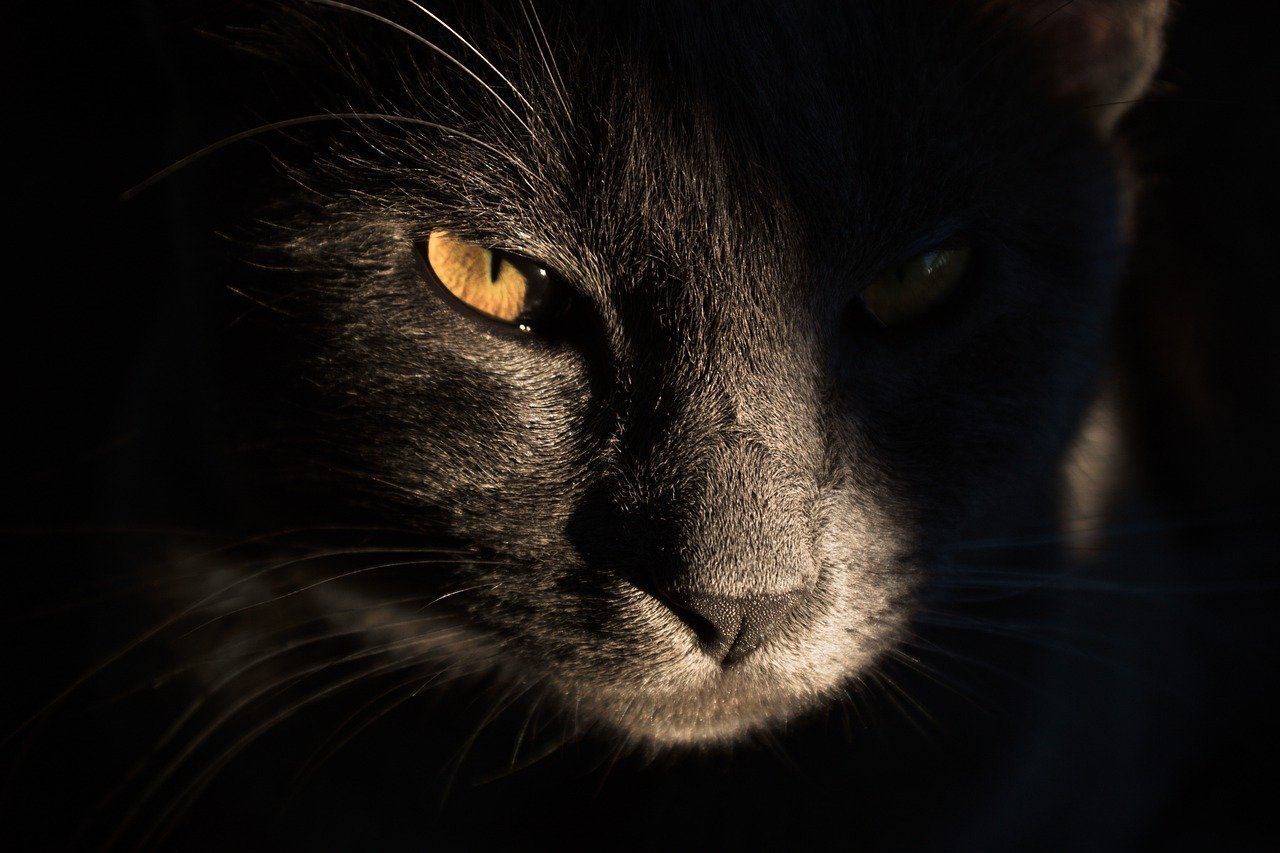
Cats are known for their mesmerizing eyes, which come in a variety of colors, from deep blues to striking greens. Among these captivating hues, orange eyes stand out as a rare and enchanting feature. While not all cat breeds exhibit this fiery eye color, those that do often carry an air of mystery and elegance. From the shimmering glow of their irises to the unique genetics behind their eye color, cats with orange eyes are truly special. In this blog post, we’ll explore the breeds that boast this distinctive trait, delve into the science behind it, and uncover what makes these felines so extraordinary.

Popular Cat Breeds with Orange Eyes


Several cat breeds are renowned for their striking orange eyes, each bringing its own charm and personality to the table. These breeds showcase the beauty of this rare eye color while offering unique characteristics that make them beloved companions.

 
  • Egyptian Mau:
    Known for their spotted coats and sleek physique, Egyptian Maus often have brilliant orange or amber eyes that complement their wild appearance.

  • Siamese Cats (Rare Variations):
    While most Siamese cats have blue eyes, some rare genetic variations can result in stunning orange or golden eyes.

  • Ocicat:
    This breed’s spotted coat resembles that of a wildcat, and its large, almond-shaped orange eyes add to its exotic allure.

  • Bengal Cats:
    Bengals are famous for their leopard-like spots and shimmering coats. Some Bengals exhibit orange or golden eyes that enhance their wild look.

  • Abyssinian Cats:
    With their ticked fur and athletic build, Abyssinians often sport warm, amber-toned eyes that reflect their playful and curious nature.


These breeds highlight the diversity and beauty of cats with orange eyes, making them a favorite among feline enthusiasts.

The Allure of Cat Breeds with Orange Eyes: Best 7 Tips!

The Science Behind Orange Eyes in Cats


The mesmerizing orange eyes seen in certain cat breeds are the result of complex genetic factors and pigmentation processes. Understanding the science behind this phenomenon sheds light on why it’s such a rare and fascinating trait.

 
  • Role of Melanin:
    The amount and type of melanin in a cat’s iris determine its eye color. Orange eyes typically result from a specific balance of pheomelanin, a pigment responsible for red and yellow tones.

  • Genetic Mutations:
    Certain genetic mutations can influence eye color, leading to variations like orange eyes in breeds not commonly associated with this trait.

  • Age and Development:
    Kittens are born with blue eyes, and their true eye color, including orange, develops over several weeks as melanin production increases.

  • Selective Breeding:
    Breeders often select for traits like orange eyes to enhance a breed’s aesthetic appeal, contributing to its prevalence in certain pedigrees.

  • Environmental Factors:
    While genetics play the primary role, environmental influences like diet and health can subtly affect eye color intensity.


This intricate interplay of biology and genetics explains why orange eyes are both rare and highly prized in the feline world.

Breeds with Orange Eyes
Key Characteristics
Egyptian Mau
Spotted coat, agile, loyal
Ocicat
Exotic appearance, friendly, intelligent
Bengal
Wild look, energetic, loves water
Abyssinian
Ticked fur, playful, curious
Siamese (Rare Variation)
Vocal, affectionate, sleek body

How to Care for Cats with Orange Eyes


Cats with orange eyes require the same level of care as other felines, but there are a few considerations to keep in mind to ensure their well-being and preserve their unique features.

 
  • Regular Eye Checkups:
    Schedule routine vet visits to monitor your cat’s eye health and address any issues like irritation or infections promptly.

  • Protect from Sunlight:
    Bright sunlight can sometimes cause discomfort or damage to sensitive eyes. Provide shaded areas for your cat to rest indoors.

  • Clean Around the Eyes:
    Use a damp cloth to gently clean around your cat’s eyes, removing dirt or discharge to prevent irritation.

  • Monitor for Changes:
    Keep an eye out for changes in eye color, clarity, or behavior, as these could indicate underlying health problems.

  • Provide a Balanced Diet:
    Nutrient-rich food supports overall health, including eye function and vibrancy. Look for formulas with essential vitamins like A and E.


By following these tips, you can help maintain the health and beauty of your cat’s orange eyes for years to come.

Personality Traits of Cats with Orange Eyes


Cats with orange eyes are often as captivating in personality as they are in appearance. While individual temperament varies, certain traits are commonly associated with these radiant-eyed felines.

 
  • Playful and Energetic:
    Many cats with orange eyes, like Bengals and Abyssinians, are known for their high energy levels and love of play.

  • Intelligent and Curious:
    These cats often display sharp minds and a keen interest in exploring their surroundings.

  • Affectionate Companions:
    Breeds like the Egyptian Mau and Ocicat form strong bonds with their owners and enjoy being part of family activities.

  • Independent Yet Social:
    While they value their independence, cats with orange eyes also crave interaction and attention from their humans.

  • Loyal Protectors:
    Some orange-eyed cats exhibit protective instincts, often staying close to their loved ones and keeping a watchful eye on their environment.


These personality traits make cats with orange eyes not only visually stunning but also delightful companions.

Unique Markings Paired with Orange Eyes

Cats with orange eyes often have striking markings that complement their eye color, creating a harmonious and breathtaking appearance. These combinations make them stand out even further in the feline world.

 
  • Spotted Patterns:
    Breeds like the Egyptian Mau and Ocicat feature spots that accentuate their orange eyes, giving them a wild and untamed look.

  • Tabby Stripes:
    Orange-eyed tabby cats often have warm, golden stripes that beautifully frame their glowing irises.

  • Solid Coats:
    Solid-colored cats with orange eyes, such as black or white coats, create a bold contrast that draws immediate attention.

  • Ticked Fur:
    Abyssinians’ ticked coats shimmer in the light, enhancing the depth and richness of their amber eyes.

  • Shimmering Highlights:
    Bengals’ glittery coats reflect light onto their orange eyes, amplifying their brilliance.


These markings elevate the natural beauty of cats with orange eyes, making them truly unforgettable.


Myths and Legends Surrounding Orange-Eyed Cats

Throughout history, cats with orange eyes have been the subject of myths and legends, often portrayed as mystical or magical creatures. These stories add a layer of intrigue to their already captivating presence.

 
  • Guardians of Secrets:
    In ancient folklore, orange-eyed cats were believed to guard hidden treasures and sacred knowledge.

  • Symbols of Good Fortune:
    Some cultures viewed orange-eyed cats as bringers of prosperity and luck, especially if they crossed your path.

  • Witches’ Familiars:
    During medieval times, orange-eyed cats were thought to be companions of witches, imbued with supernatural powers.

  • Protectors of the Home:
    Many traditions hold that cats with orange eyes ward off evil spirits and protect households from harm.

  • Messengers of the Divine:
    In certain mythologies, orange-eyed cats were seen as intermediaries between humans and the gods, carrying prayers to the heavens.


These tales enrich the mystique of orange-eyed cats, weaving them into the fabric of human imagination.


Tips for Photographing Cats with Orange Eyes

Capturing the beauty of a cat with orange eyes requires skill and patience, as their glowing irises can be challenging to photograph. Follow these tips to showcase their stunning eyes in photos.

 
  • Use Natural Light:
    Shoot in soft, natural lighting to enhance the warmth and depth of their orange eyes without harsh shadows.

  • Avoid Flash Photography:
    Direct flash can wash out their eye color or cause red-eye effects. Opt for indirect lighting instead.

  • Focus on the Eyes:
    Ensure the camera focuses sharply on the eyes to highlight their vibrant hue and intricate details.

  • Choose Contrasting Backgrounds:
    Dark or neutral backgrounds make orange eyes pop, creating a striking visual impact.

  • Capture Candid Moments:
    Photograph your cat during relaxed or playful moments to capture the natural sparkle in their eyes.


With these techniques, you can immortalize the allure of your orange-eyed feline in stunning photographs.

Frequently Asked Questions About Cats with Orange Eyes

Are orange eyes rare in cats?

Yes, orange eyes are relatively uncommon compared to other eye colors like green or blue. They are most often seen in specific breeds or mixed-breed cats.

No, orange eyes do not inherently impact a cat’s vision. However, proper care is essential to maintain eye health regardless of color.

Kittens are born with blue eyes, which may change to orange or another color as they mature, typically around 8–12 weeks of age.

It depends on the breed and pedigree. Some rare breeds with orange eyes may command higher prices due to their uniqueness.

Healthy orange eyes should be clear, bright, and free of discharge or cloudiness. Any changes should prompt a visit to the vet.

Celebrating the Allure of Cats with Orange Eyes


Cats with orange eyes captivate us with their fiery gaze and mysterious charm. Whether you’re drawn to the elegance of the Egyptian Mau, the exotic allure of the Ocicat, or the playful spirit of the Bengal, these felines embody the perfect blend of beauty and personality. By understanding their unique traits and providing proper care, you can ensure your orange-eyed companion thrives in a loving home. As you marvel at their glowing eyes, remember that these cats are not just pets—they’re living works of art, enriching our lives with their presence.

Is Rawhide Bad for Cats? Best 7 Expert Tips!

Is Rawhide Bad for Cats? Best 7 Expert Tips! – Discover the risks, safe alternatives, and expert advice to keep your feline friend healthy and happy.

Is Rawhide Bad for Dogs? Best 7 Expert Tips!

Is Rawhide Bad for Dogs? Best 7 Expert Tips! – Discover the risks, benefits, and safer alternatives to rawhides for your dog’s chewing needs.

Understanding Anorexia in Cats: Best 7 Expert Tips!

Understanding Anorexia in Cats: Best 7 Expert Tips! – Learn why cats stop eating, spot warning signs, and discover how to help your feline regain appetite safely.

Understanding Anorexia in Dogs: Best 7 Expert Tips!

Understanding Anorexia in Dogs: Best 7 Expert Tips! – Learn causes, symptoms, and solutions to help your dog regain appetite and stay healthy.

Leave a Reply

Your email address will not be published. Required fields are marked *