
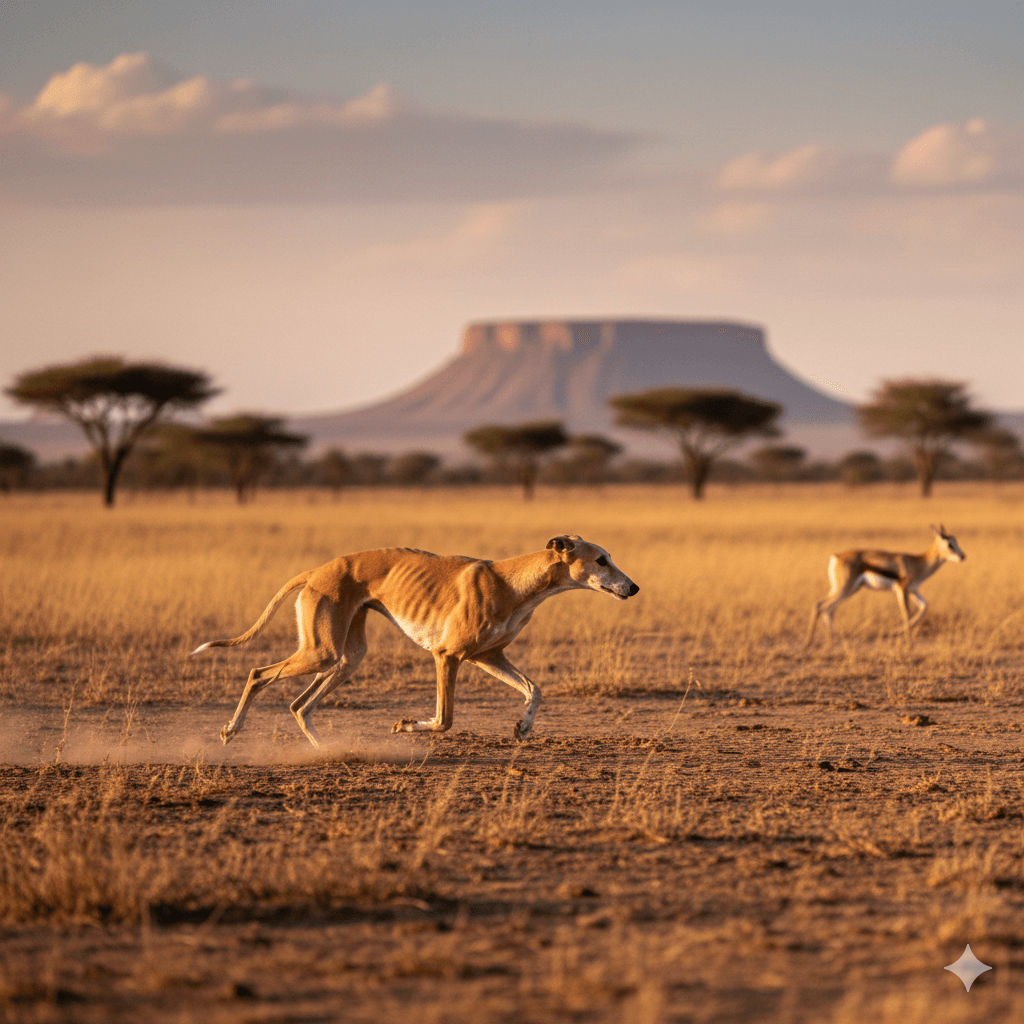

The African Hound Dog: Best 7 Expert Tips!

The African Hound Dog: Best 7 Expert Tips!

The African Hound Dog: Best 7 Expert Tips!

Often overlooked in the global spotlight, the African Hound—commonly referring to breeds like the Basenji or the Africanis—brings ancient lineage, keen intelligence, and striking independence to the canine world. These dogs are more than just hunters or companions; they embody resilience shaped by centuries of survival in diverse African landscapes. With their upright ears, curled tails, and alert expressions, they capture attention wherever they go. Yet owning an African Hound requires understanding their unique instincts and needs. Discover the essential insights that will help you connect with, care for, and celebrate this remarkable dog.

Origins and History

African Hounds aren’t just a single breed but a group of indigenous dogs with deep roots across the continent. Their evolution was shaped by function, climate, and human partnership—long before formal kennel clubs existed. These dogs served as hunters, guardians, and loyal companions to pastoral and nomadic communities:

 
  • Ancient Lineage:
    Genetic studies suggest African village dogs are among the oldest dog populations, with minimal influence from modern European breeds.
     
  • Basenji Recognition:
    Often called the “barkless dog,” the Basenji is the most internationally recognized African Hound, originating from Central Africa and prized by ancient Egyptians.
     
  • Adaptation to Environment:
    Breeds like the Africanis evolved naturally to thrive in harsh conditions—resisting disease, heat, and scarce resources without human intervention.
     
  • Functional Breeding:
    Unlike show-bred dogs, African Hounds were selected for survival traits: scenting ability, endurance, and problem-solving—not looks alone.
     
  • Colonial Oversight:
    Many African Hounds were dismissed as “mutts” during colonial eras, delaying global recognition despite their genetic and cultural significance.
 

Today, efforts to conserve and study these dogs are restoring their rightful place in canine history and biodiversity.

The African Hound Dog: Best 7 Expert Tips!

Distinctive Physical Traits

African Hounds share a lean, athletic build that reflects their working heritage—but details vary by region and breed. Their appearance is functional, efficient, and often strikingly elegant:

 
  • Short, Glossy Coat:
    Most African Hounds have a fine, low-maintenance coat that repels dirt and reflects sunlight—ideal for hot climates.
     
  • Tightly Curled Tail:
    Especially prominent in the Basenji, the curled tail sits high and conveys alertness or excitement.
     
  • Almond-Shaped Eyes:
    Dark, intelligent eyes give these dogs an intense, observant expression that misses nothing.
     
  • Erect, Pointed Ears:
    Large, upright ears provide exceptional hearing—critical for tracking and environmental awareness in the wild.
     
  • Compact, Muscular Frame:
    Lean yet powerful legs support swift movement over varied terrain, from savannas to rocky hills.
 

These physical traits aren’t just aesthetic—they’re survival tools honed by generations of natural selection.

Temperament Highlights
Care Considerations
Highly intelligent and independent
Needs mental stimulation daily
Reserved with strangers
Early socialization is essential
Quiet (some rarely bark)
May vocalize with yodels or howls
Strong prey drive
Secure fencing required
Loyal to family
Forms deep bonds with trusted humans

Behavioral Tendencies and Training Needs

Training an African Hound requires patience, creativity, and respect for their independent nature. They aren’t disobedient—they simply think for themselves. Positive reinforcement works best, but consistency is non-negotiable:

 
  • Problem-Solving Mindset:
    These dogs assess commands before obeying, often asking, “What’s in it for me?” Use high-value rewards like meat or play.
     
  • Sensitivity to Harsh Methods:
    Yelling or punishment shuts them down. They respond best to calm, confident leadership and clear boundaries.
     
  • Early Socialization Priority:
    Expose puppies to diverse people, sounds, and animals before 16 weeks to prevent wariness or shyness later.
     
  • Off-Leash Caution:
    Their strong hunting instinct means recall is unreliable in open areas—always use a long line or secure space.
     
  • Consistency Over Repetition:
    They learn quickly but may choose not to comply if bored. Keep sessions short, varied, and purposeful.
 

Success with an African Hound isn’t about control—it’s about earning cooperation through trust and mutual respect.

Health and Longevity Considerations

African Hounds are generally robust thanks to natural selection, but certain breed-specific and environmental health issues deserve attention. Preventive care ensures a long, vibrant life:

 
  • Fanconi Syndrome (Basenji):
    A hereditary kidney disorder that typically appears between 4–8 years; annual urine glucose tests are crucial.
     
  • Pyruvate Kinase Deficiency:
    A genetic red blood cell condition in some lines, leading to anemia—DNA testing before breeding is recommended.
     
  • Heat Tolerance with Limits:
    While adapted to warm climates, they can still suffer heatstroke—always provide shade and fresh water.
     
  • Low Genetic Diversity Risks:
    Inbreeding in closed populations (like show Basenjis) can amplify inherited conditions; seek health-tested breeders.
     
  • Vaccination Challenges:
    In rural Africa, many village dogs lack access to vaccines—support conservation efforts that include veterinary outreach.
 

With proper care, many African Hounds live 12–16 years, remaining active and alert well into their senior years.

Grooming and Daily Maintenance

One of the joys of owning an African Hound is their minimal grooming needs—thanks to a self-cleaning coat and fastidious habits reminiscent of cats:

 
  • Weekly Brushing Sufficient:
    A soft bristle brush removes loose hair and distributes natural oils; shedding is typically light to moderate.
     
  • Natural Cleanliness:
    Many African Hounds groom themselves like cats, staying odor-free even without frequent baths.
     
  • Dental Care Priority:
    Small mouths can harbor plaque—daily tooth brushing or dental chews help prevent periodontal disease.
     
  • Nail and Ear Checks:
    Trim nails every 3–4 weeks and inspect ears weekly for debris or wax buildup, especially after outdoor adventures.
     
  • Bathing Only When Needed:
    Over-bathing strips essential oils; use gentle, pH-balanced shampoos only when visibly dirty or smelly.
 

Their low-maintenance coat doesn’t mean zero care—just smart, targeted routines that respect their natural hygiene.


Ideal Living Environments and Lifestyles

African Hounds thrive in homes that match their energy, intelligence, and independence. They’re not one-size-fits-all pets—but perfect for the right owner:

 
  • Active Households Preferred:
    Daily walks, scent games, or agility training satisfy their need for physical and mental engagement.
     
  • Secure Yards Essential:
    A 6-foot fence with no gaps is non-negotiable—these dogs are agile escape artists with strong wanderlust.
     
  • Not for First-Time Owners:
    Their independence and selective listening require experienced handlers who understand dog psychology.
     
  • Urban Adaptability (With Effort):
    Apartment living is possible if they get structured exercise and enrichment—but rural settings suit them best.
     
  • Companionship Needs:
    They bond deeply with one or two people and may struggle with prolonged solitude; consider a canine sibling.
 

When their needs are met, African Hounds become quiet, dignified, and deeply devoted members of the family.


Conservation and Ethical Ownership

Owning or advocating for African Hounds goes beyond pet care—it’s part of a larger mission to preserve genetic diversity and cultural heritage:

 
  • Support Africanis Preservation:
    Organizations like the Africanis Society work to protect indigenous dogs from crossbreeding and extinction.
     
  • Avoid Puppy Mills:
    Seek ethical breeders who health-test, socialize properly, and prioritize temperament over appearance.
     
  • Adopt Village Dogs Responsibly:
    International adoption is complex—ensure it doesn’t fuel unsustainable demand or separate dogs from communities.
     
  • Educate Others:
    Challenge stereotypes that label African village dogs as “strays”—they’re landrace breeds with vital ecological roles.
     
  • DNA Research Participation:
    Contributing to canine genome projects helps scientists understand disease resistance and evolutionary history.
 

Honoring these dogs means seeing them not as exotic novelties, but as living links to ancient human-canine partnerships.

“The Rhodesian Ridgeback is a unique creation of southern Africa, resulting from crosses between the native ridged Khoikhoi dog and European breeds brought by Dutch colonists, including Greyhounds and various Terriers.”

Frequently Asked Questions About the African Hound Dog

Do African Hounds bark?

Most famously, the Basenji doesn’t bark but makes unique sounds like yodels, chortles, or screams—other African Hounds may bark softly.

They can be, especially if raised together, but their sensitivity means they prefer calm, respectful kids over rough play.

Their short coat offers little insulation—winter coats, indoor access, and limited outdoor time are necessary in freezing weather.

No—shedding is minimal year-round, making them relatively hypoallergenic compared to double-coated breeds.

They’re highly intelligent but not eager to please—training requires patience, consistency, and creative motivation.

Celebrating the Spirit of the African Hound

The African Hound is more than a dog—it’s a testament to resilience, adaptation, and silent loyalty forged across millennia. To live with one is to earn the trust of a creature who observes the world with ancient eyes and chooses companionship on their own terms. They won’t obey blindly, but when they walk beside you, it’s with quiet dignity and unwavering presence. Whether you’re drawn to the enigmatic Basenji or the noble Africanis, embracing their uniqueness means stepping into a deeper, more thoughtful relationship with the canine world. In a time of standardization, these dogs remind us that some of the most remarkable beings are those who remain beautifully, unapologetically themselves.


Is Rawhide Bad for Cats? Best 7 Expert Tips!

Is Rawhide Bad for Cats? Best 7 Expert Tips! – Discover the risks, safe alternatives, and expert advice to keep your feline friend healthy and happy.

Is Rawhide Bad for Dogs? Best 7 Expert Tips!

Is Rawhide Bad for Dogs? Best 7 Expert Tips! – Discover the risks, benefits, and safer alternatives to rawhides for your dog’s chewing needs.

Understanding Anorexia in Cats: Best 7 Expert Tips!

Understanding Anorexia in Cats: Best 7 Expert Tips! – Learn why cats stop eating, spot warning signs, and discover how to help your feline regain appetite safely.

Understanding Anorexia in Dogs: Best 7 Expert Tips!

Understanding Anorexia in Dogs: Best 7 Expert Tips! – Learn causes, symptoms, and solutions to help your dog regain appetite and stay healthy.

Leave a Reply

Your email address will not be published. Required fields are marked *