
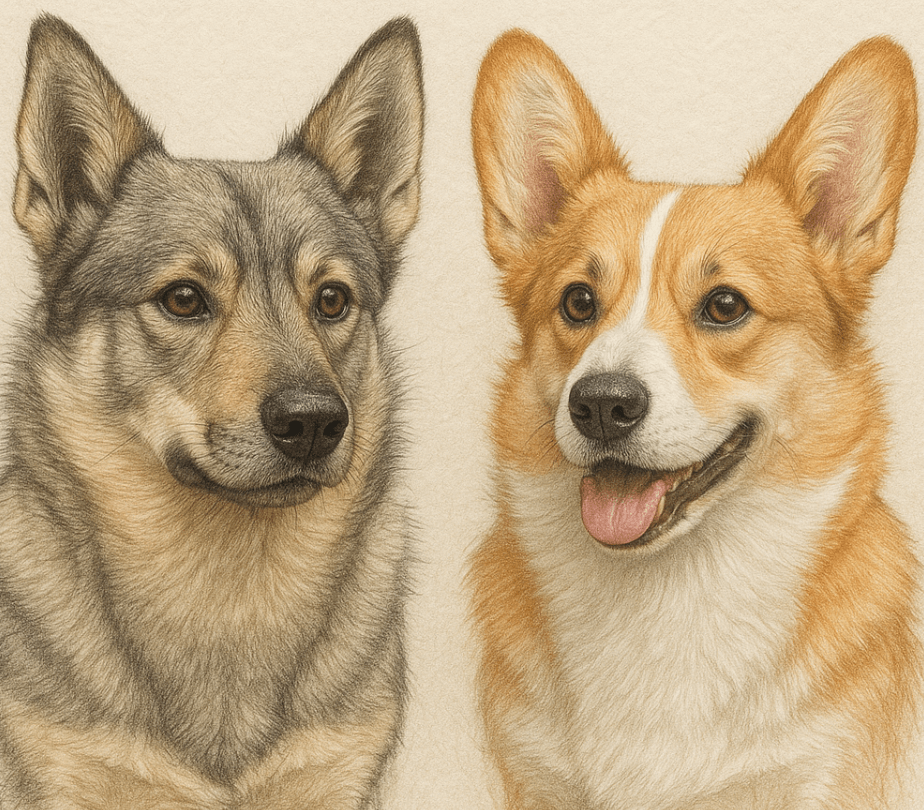

Swedish Vallhund vs Corgi: Best 7 Expert Tips!

Swedish Vallhund vs Corgi: Best 7 Expert Tips!

Swedish Vallhund vs Corgi: Which Herding Dog is Right for You?


When it comes to herding dogs, the Swedish Vallhund and the Corgi are two breeds that often capture the hearts of dog lovers. Both are small to medium-sized, intelligent, and energetic companions with a rich history as working dogs. While they share some similarities, such as their short stature and herding instincts, these breeds also have distinct personalities, appearances, and care requirements. If you’re considering adding one of these adorable pups to your family, it’s essential to understand what sets them apart. In this blog post, we’ll compare the Swedish Vallhund and the Corgi in detail, helping you make an informed decision about which breed suits your lifestyle best.

Key Differences Between the Swedish Vallhund and Corgi


The Swedish Vallhund and the Corgi may look somewhat similar at first glance, but they have unique traits that set them apart. Understanding these differences will help you determine which breed aligns better with your preferences and needs.

 
  • Origin and History:
    The Swedish Vallhund hails from Sweden, where it was bred to herd cattle, while the Corgi originates from Wales, where it worked as a cattle driver and farm helper.

  • Size and Build:
    Swedish Vallhunds are slightly smaller and lighter than Corgis, with a more streamlined body, whereas Corgis tend to have a stockier build and longer backs.

  • Coat Type and Color:
    Swedish Vallhunds have a shorter, harsher coat that comes in shades of gray, brown, or red, while Corgis sport a soft, fluffy double coat available in colors like sable, fawn, and black-and-tan.

  • Temperament and Personality:
    Swedish Vallhunds are known for their bold, confident nature, while Corgis are often described as friendly, affectionate, and slightly more laid-back.

  • Exercise Needs:
    Both breeds are active, but Swedish Vallhunds generally require more intense exercise due to their high energy levels compared to the moderately active Corgi.


These distinctions highlight the unique qualities of each breed, making it easier to choose the right fit for your home.

Physical Characteristics of the Swedish Vallhund and Corgi


Both breeds have charming appearances that make them stand out, but their physical traits differ in subtle yet significant ways. Let’s take a closer look at their features.

 
  • Height and Weight:
    Swedish Vallhunds typically stand 11-14 inches tall and weigh 20-35 pounds, while Corgis range from 10-12 inches in height and weigh 25-38 pounds.

  • Ears and Expression:
    Both breeds have erect ears, but Swedish Vallhunds’ ears are larger and more triangular, giving them a sharp, alert expression, whereas Corgis’ ears are rounded and softer in appearance.

  • Tail Variations:
    Swedish Vallhunds can have full tails, stubby tails, or no tail at all, depending on genetics, while Corgis usually have short bobtails or none at all.

  • Gait and Movement:
    Swedish Vallhunds move with a light, agile stride perfect for herding, while Corgis have a distinctive “waddle” due to their long bodies and short legs.

  • Lifespan Expectancy:
    Both breeds live around 12-15 years, provided they receive proper care, nutrition, and regular veterinary check-ups.


Their physical differences reflect their unique roles as herding dogs and add to their individual charm.

Swedish Vallhund vs Corgi: Best 7 Expert Tips!
Swedish Vallhund Traits
Corgi Traits
Originated in Sweden
Originated in Wales
Short, harsh coat (gray, brown, red)
Soft, double coat (fawn, sable, black)
Bold, energetic, and independent
Friendly, affectionate, and adaptable
Requires high-intensity exercise
Moderate exercise needs
Typically weighs 20-35 pounds
Typically weighs 25-38 pounds

Training Tips for the Swedish Vallhund and Corgi


Both breeds are intelligent and eager to please, but they have different training needs based on their temperaments and energy levels. Here are some tips to help you train either breed effectively.

 
  • Start Early with Socialization:
    Introduce both breeds to various people, animals, and environments during puppyhood to prevent shyness or aggression later in life.

  • Use Positive Reinforcement:
    Reward-based methods work best for these smart dogs; treats, praise, and playtime motivate them to learn quickly.

  • Focus on Mental Stimulation:
    Swedish Vallhunds benefit from challenging tasks and puzzles, while Corgis enjoy learning new tricks and commands to stay engaged.

  • Address Herding Instincts:
    Both breeds have strong herding tendencies, so teach them boundaries to avoid nipping at heels or chasing small animals.

  • Be Consistent but Patient:
    Swedish Vallhunds can be stubborn, requiring firm guidance, while Corgis respond well to gentle, repetitive training sessions.


With the right approach, training becomes a rewarding experience that strengthens your bond with your furry friend.

Living with a Swedish Vallhund vs a Corgi


Choosing between these two breeds also depends on how well they fit into your daily life. Consider the following factors when deciding which breed suits your household.

 
  • Space Requirements:
    Swedish Vallhunds thrive in homes with yards or open spaces, while Corgis adapt well to apartments if given enough exercise.

  • Family Compatibility:
    Corgis are known for their love of children and make excellent family pets, while Swedish Vallhunds do well with older kids who respect their boundaries.

  • Grooming Needs:
    Swedish Vallhunds require minimal grooming, with weekly brushing, while Corgis need more frequent brushing to manage shedding.

  • Suitability for First-Time Owners:
    Corgis are generally easier for novice owners due to their adaptable nature, while Swedish Vallhunds may challenge inexperienced handlers.

  • Noise Levels:
    Both breeds bark occasionally, but Swedish Vallhunds are more vocal, especially when alerting their owners to strangers or unusual sounds.


Understanding these lifestyle considerations ensures harmony between you and your chosen breed.

Health Considerations for Swedish Vallhunds and Corgis


Both breeds are generally healthy, but they are prone to certain genetic conditions that potential owners should be aware of. Proactive care helps ensure a long and happy life for your pet.

 
  • Hip Dysplasia:
    Common in both breeds, this condition causes joint pain and mobility issues; maintaining a healthy weight reduces risk.

  • Progressive Retinal Atrophy (PRA):
    A degenerative eye disease affecting vision; annual eye exams help detect early signs.

  • Intervertebral Disc Disease (IVDD):
    More common in Corgis due to their long backs; avoiding jumping and rough play minimizes injury risks.

  • Dental Health Issues:
    Both breeds are prone to dental problems; regular brushing and professional cleanings are essential.

  • Obesity Risks:
    Without adequate exercise, both breeds can gain weight; monitor food intake and provide ample activity.


Prioritizing their health ensures a vibrant and active companion for years to come.

Fun Activities to Enjoy with Your Herding Dog


Herding breeds like the Swedish Vallhund and Corgi thrive on mental and physical challenges. Engaging in these activities keeps them entertained and strengthens your bond.

 
  • Agility Training:
    Set up obstacle courses in your backyard or enroll in classes to channel their athleticism and focus.

  • Herding Trials:
    Participate in simulated herding events to let them showcase their natural instincts and skills.

  • Fetch and Frisbee Games:
    These high-energy games satisfy their need for speed and movement.

  • Mental Puzzles:
    Interactive toys and treat-dispensing puzzles keep their sharp minds occupied during downtime.

  • Long Walks or Hikes:
    Explore trails together, allowing them to sniff, explore, and burn off excess energy.


These activities ensure a fulfilling and balanced life for your active pup.

Common Misconceptions About Swedish Vallhunds and Corgis


Misunderstandings about these breeds can lead to unrealistic expectations. Clarifying these myths helps set the stage for a successful relationship.

 
  • They Are Low-Energy Dogs:
    Despite their small size, both breeds are highly energetic and require plenty of exercise.

  • Corgis Are Easy to Train:
    While intelligent, Corgis can be stubborn; consistent training is key to success.

  • Swedish Vallhunds Are Aggressive:
    Their boldness is often mistaken for aggression, but proper socialization prevents behavioral issues.

  • They Don’t Need Grooming:
    While Swedish Vallhunds are low-maintenance, Corgis require regular grooming to manage shedding.

  • All Mixes Look the Same:
    Appearance varies widely within each breed, influenced by genetics and lineage.


Dispelling these misconceptions ensures a deeper appreciation for these incredible dogs.

Frequently Asked Questions About Swedish Vallhunds and Corgis

 
Are Swedish Vallhunds good apartment dogs?

They can adapt to apartment living if given sufficient exercise, but they prefer homes with access to outdoor space.

Yes, Corgis shed heavily twice a year and moderately throughout the rest of the year.

Corgis are often considered better for families with young children due to their friendly and patient nature.

They require at least 1-2 hours of vigorous exercise daily to stay happy and healthy.

Both breeds are susceptible to conditions like hip dysplasia and eye problems, so regular vet visits are crucial.

Finding Your Perfect Herding Companion


The Swedish Vallhund and the Corgi are both remarkable breeds with endearing personalities and impressive skills. Whether you’re drawn to the bold and energetic Swedish Vallhund or the affectionate and adaptable Corgi, both dogs bring joy and loyalty to any household. By understanding their differences in temperament, care requirements, and lifestyle compatibility, you can confidently choose the breed that best matches your preferences and abilities. Whichever you decide, welcoming one of these charming herding dogs into your life promises endless love, laughter, and adventure.

Spleen Cancer in Cats: Best 7 Expert Tips!

Spleen Cancer in Cats: Best 7 Expert Tips! – Expert insights on symptoms, care, treatment & quality of life for feline spleen cancer.

Dog Mastitis Treatment: Best 7 Expert Tips!

Dog Mastitis Treatment: Best 7 Expert Tips! – Safe, vet-approved care for nursing moms & prevention strategies.

The Shikoku Ken Dog: Best 7 Expert Tips!

The Shikoku Ken Dog: Best 7 Expert Tips! – Discover expert care, training & health advice for this rare, loyal Japanese mountain breed.

The Cairn Terrier Dog Breed: Best 7 Expert Tips!

The Cairn Terrier Dog Breed: Best 7 Expert Tips! – Discover care, training & health advice for this spirited, loyal Scottish terrier.

Leave a Reply

Your email address will not be published. Required fields are marked *

Recent Post

Post Category


