

Spleen Cancer in Cats: Best 7 Expert Tips!

Spleen Cancer in Cats: Best 7 Expert Tips!

Spleen Cancer in Cats: Understanding the Silent Threat

When it comes to feline health, spleen cancer is a rare but serious condition that often flies under the radar—until it’s advanced. Unlike more obvious illnesses, this disease can progress silently, with vague symptoms that mimic common age-related changes. Yet early awareness can make a profound difference in managing your cat’s comfort and quality of life. In this guide, we’ll break down what spleen cancer in cats really means, how it shows up, and what your options are. Because every purr matters—and knowing what to watch for could give your beloved companion more precious time.

What Is the Spleen—and Why Does It Matter?


The spleen is a small, elongated organ tucked beneath your cat’s stomach, playing a key role in immunity and blood filtration. Though not essential for survival, it helps recycle old red blood cells and fight infections. When cancer strikes this organ, it disrupts these vital functions—often without warning.

 
  • Part of the Lymphatic System:
    The spleen filters blood and stores white blood cells, making it a hub for immune activity—especially during infections.
     
  • Blood Reservoir Function:
    It holds a reserve of red blood cells that can be released during stress or injury, supporting circulation in emergencies.
     
  • Silent Until Compromised:
    Because the spleen compensates well, cats often show no signs of trouble until the organ is significantly enlarged or ruptured.
     
  • Common Cancer Types:
    Lymphoma and hemangiosarcoma are the most frequent malignancies affecting the feline spleen—both aggressive and fast-moving.
     
  • Secondary Involvement Possible:
    Sometimes, the spleen isn’t the origin but becomes involved when cancer spreads from another site, like the intestines or liver.
 

Understanding the spleen’s role helps explain why its cancer can be both stealthy and severe—making vigilance essential for cat owners.

Spleen Cancer in Cats: Best 7 Expert Tips!

Early Warning Signs of Spleen Cancer in Cats


Cats are masters of hiding illness, and spleen cancer is no exception. Subtle shifts in behavior or appetite may be the only clues—until a crisis occurs.

 
  • Lethargy or decreased activity:
    Your once-curious cat may sleep more, play less, or stop greeting you at the door.
     
  • Unexplained weight loss:
    Even with normal eating, a shrinking frame can signal internal disease processes.
     
  • Pale gums:
    A sign of anemia, which may occur if the spleen is destroying red blood cells or if internal bleeding is present.
     
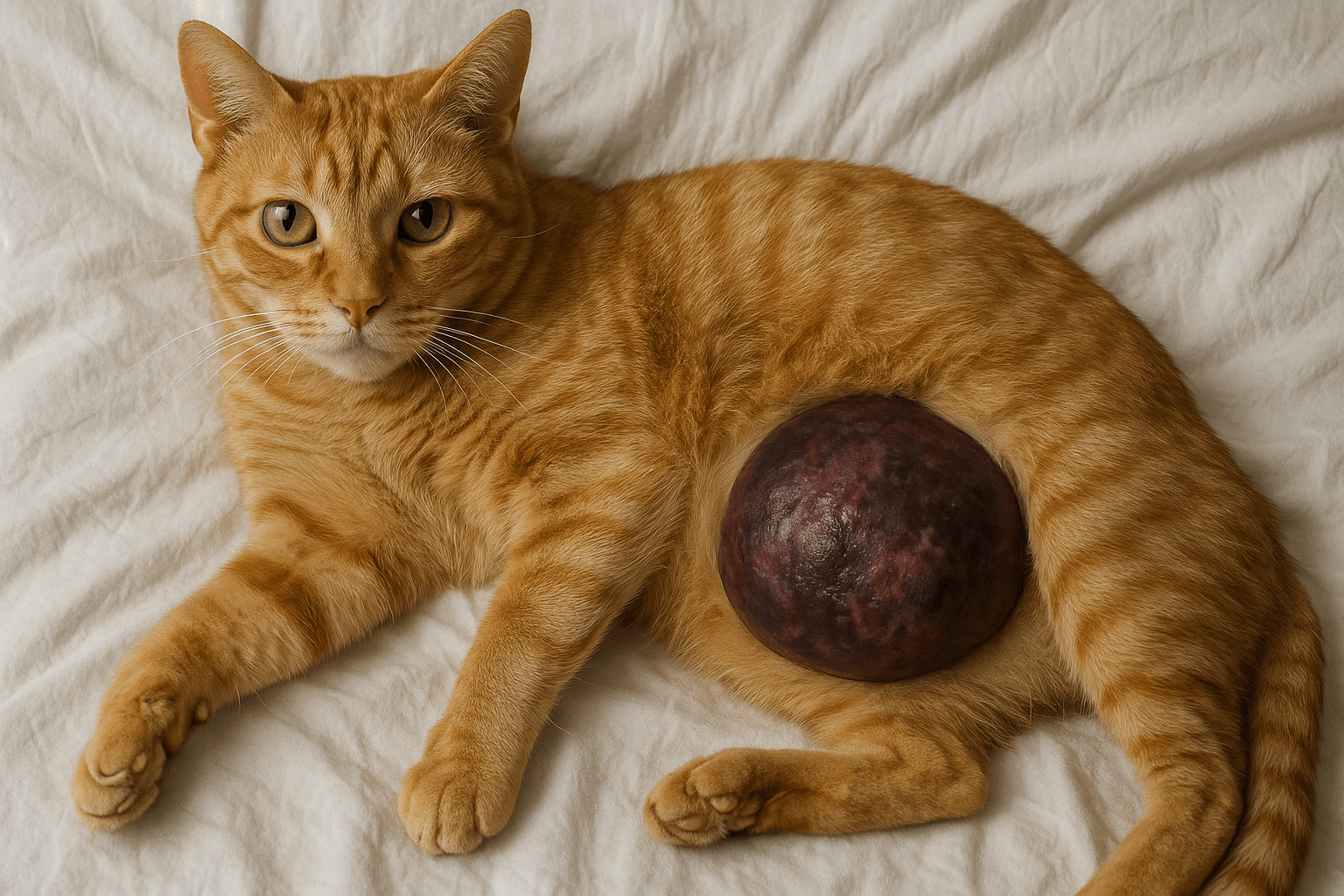
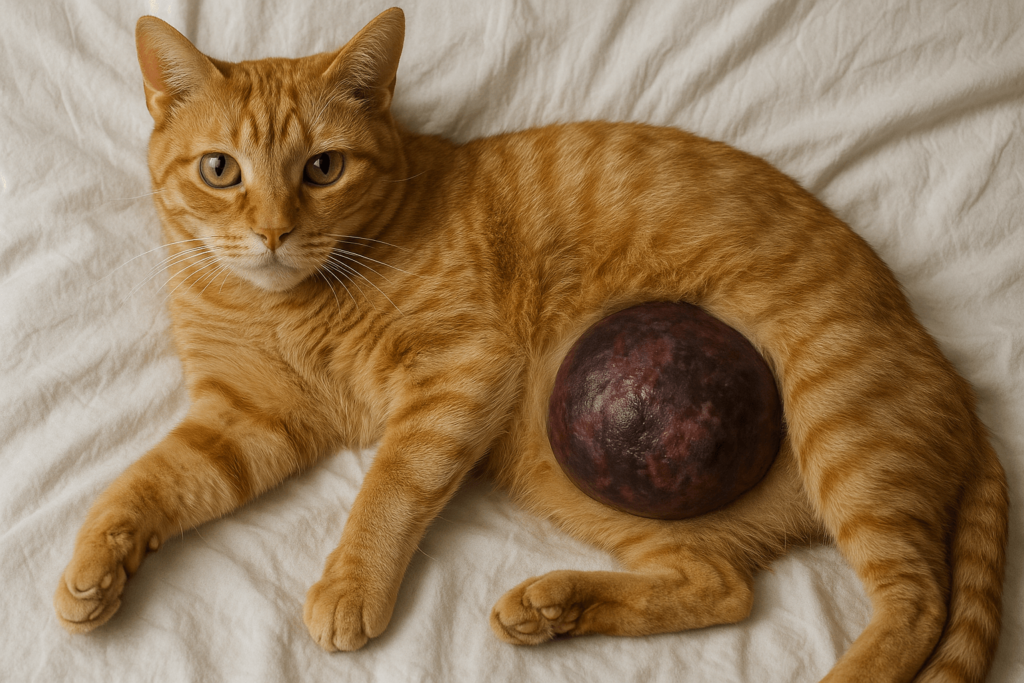
  • Abdominal swelling or discomfort:
    You might notice a firm mass or your cat flinching when picked up—especially around the belly.
     
  • Sudden collapse or weakness:
    This can indicate spleen rupture, a life-threatening emergency requiring immediate veterinary intervention.
 

Because these signs overlap with many other conditions, any persistent change warrants a vet visit—not guesswork.

Supportive Care Options When to Seek Immediate Care
Appetite stimulants (veterinary-approved) Sudden collapse or inability to stand
Hydration support (subcutaneous fluids) Rapid, labored breathing
Soft, easily digestible meals Distended, tense abdomen
Pain management (prescribed only) Pale or white gums
Quiet, low-stress environment Repeated vomiting or weakness

Diagnostic Steps Your Vet May Recommend


If spleen cancer is suspected, your veterinarian will use a combination of tools to confirm the diagnosis and assess spread.

 
  • Physical examination:
    Palpating the abdomen may reveal an enlarged or irregular spleen—though some cats are too tense for accurate assessment.
     
  • Bloodwork (CBC and chemistry panel):
    Helps identify anemia, infection, organ dysfunction, or abnormal white blood cell counts suggestive of lymphoma.
     
  • Abdominal ultrasound:
    The gold standard for visualizing spleen size, texture, and masses—non-invasive and highly informative.
     
  • Fine-needle aspirate or biopsy:
    A small sample of spleen tissue may be collected to determine cancer type, though risks like bleeding must be weighed.
     
  • Chest X-rays or advanced imaging:
    Used to check for metastasis to lungs or lymph nodes, guiding treatment decisions and prognosis.
 

Accurate diagnosis is crucial—not just to confirm cancer, but to rule out treatable mimics like infections or benign cysts.

Treatment Options and Realistic Outcomes


Treatment for spleen cancer in cats depends on the type, stage, and your cat’s overall health. While a cure is rare, comfort and time can often be extended.

 
  • Splenectomy (spleen removal):
    In select cases—especially with localized tumors—surgery can be curative or significantly prolong life.
     
  • Chemotherapy:
    Common for lymphoma; many cats tolerate it well and enjoy months of good-quality life post-treatment.
     
  • Palliative care only:
    For advanced or aggressive cancers, focusing on pain relief, nutrition, and emotional well-being may be the kindest path.
     
  • Blood transfusions:
    If severe anemia is present due to internal bleeding, transfusions can stabilize your cat temporarily.
     
  • Supportive therapies:
    Anti-nausea meds, appetite stimulants, and fluid therapy help maintain comfort during illness.
 

Every cat’s journey is unique—your vet will help you weigh risks, benefits, and your pet’s personality when choosing a path.

What NOT to Do When Facing a Spleen Cancer Diagnosis


Well-meaning actions can sometimes backfire. Avoid these common pitfalls during this difficult time.

 
  • Delaying evaluation due to “old age”:
    Cancer isn’t just “part of aging”—many conditions are treatable, even in senior cats.
     
  • Giving human painkillers (e.g., ibuprofen, acetaminophen):
    These are extremely toxic to cats and can cause fatal liver or kidney damage.
     
  • Assuming surgery is too risky without consultation:
    Many older cats do well with anesthesia when properly screened—don’t rule it out prematurely.
     
  • Ignoring subtle behavioral changes:
    Withdrawal, hiding, or reduced grooming are often early distress signals, not “just getting older.”
     
  • Making decisions based on internet horror stories:
    Every case is different—trust your vet’s assessment of your individual cat’s condition and prognosis.
 

Compassion starts with clarity—not fear or assumptions.

Nutritional Support During Illness


A well-nourished cat copes better with illness, treatment, and stress. Tailoring food to your cat’s needs can boost resilience.

 
  • High-protein, calorie-dense diets:
    Help maintain muscle mass and energy when appetite is low—try veterinary recovery formulas.
     
  • Warming food slightly:
    Enhances aroma, which can stimulate appetite in cats with reduced sense of smell.
     
  • Offering frequent small meals:
    Easier to digest than large portions, especially if nausea is present.
     
  • Hydration is critical:
    Add water to food or offer broths (no onion/garlic!) to prevent dehydration, which worsens fatigue.
     
  • Avoid sudden diet changes:
    Stick to familiar foods unless advised otherwise—stress from new tastes may reduce intake.
 

Never force-feed without guidance; it can create food aversions. Instead, work with your vet on gentle strategies.

Emotional and Ethical Considerations for Cat Owners


A spleen cancer diagnosis isn’t just medical—it’s deeply emotional. Balancing hope, quality of life, and love is never easy.

 
  • Define “good quality of life” early:
    Ask yourself: Is my cat still enjoying food, affection, or favorite routines? Track good moments.
     
  • Involve your whole family:
    Children and other household members need honest, age-appropriate conversations about what’s happening.
     
  • Consider pet hospice or at-home euthanasia:
    These options allow your cat to pass peacefully in familiar surroundings, reducing stress.
     
  • Grieve without guilt:
    Choosing palliative care or euthanasia is an act of love—not failure—when suffering outweighs joy.
     
  • Honor your cat’s legacy:
    Create a memory box, plant a tree, or share stories—acknowledging your bond helps healing begin.
 

Your love has already given your cat a life full of safety and warmth. Now, your wisdom will guide their gentle passage.

Frequently Asked Questions

Is spleen cancer common in cats?

No—it’s relatively rare, but it’s one of the more serious abdominal cancers due to its aggressive nature and late detection.

Yes. The spleen isn’t essential for survival; other organs take over its functions after removal.

It varies widely: lymphoma may respond to chemo (6–12+ months), while hemangiosarcoma often progresses rapidly (weeks to a few months).

There’s no strong breed predisposition, but older cats (10+ years) are more commonly affected.

Focus on soft bedding, easy access to food/water/litter, quiet spaces, and gentle interaction—keeping stress to a minimum.

A Journey of Love, Clarity, and Compassion


Hearing that your cat may have spleen cancer is heartbreaking—but it’s also a moment that calls for your deepest love and clearest thinking. While this disease is often serious, your response can shape your cat’s remaining time with dignity, comfort, and connection. Whether you pursue treatment or choose gentle palliative care, what matters most is that your feline friend feels safe, cherished, and free from suffering. In the end, you’re not just their owner—you’re their advocate, their comfort, and their home. And that bond, no diagnosis can ever diminish.

Spleen Cancer in Cats: Best 7 Expert Tips!

Spleen Cancer in Cats: Best 7 Expert Tips! – Expert insights on symptoms, care, treatment & quality of life for feline spleen cancer.

Dog Mastitis Treatment: Best 7 Expert Tips!

Dog Mastitis Treatment: Best 7 Expert Tips! – Safe, vet-approved care for nursing moms & prevention strategies.

The Shikoku Ken Dog: Best 7 Expert Tips!

The Shikoku Ken Dog: Best 7 Expert Tips! – Discover expert care, training & health advice for this rare, loyal Japanese mountain breed.

The Cairn Terrier Dog Breed: Best 7 Expert Tips!

The Cairn Terrier Dog Breed: Best 7 Expert Tips! – Discover care, training & health advice for this spirited, loyal Scottish terrier.

Leave a Reply

Your email address will not be published. Required fields are marked *

Recent Post

Post Category


