
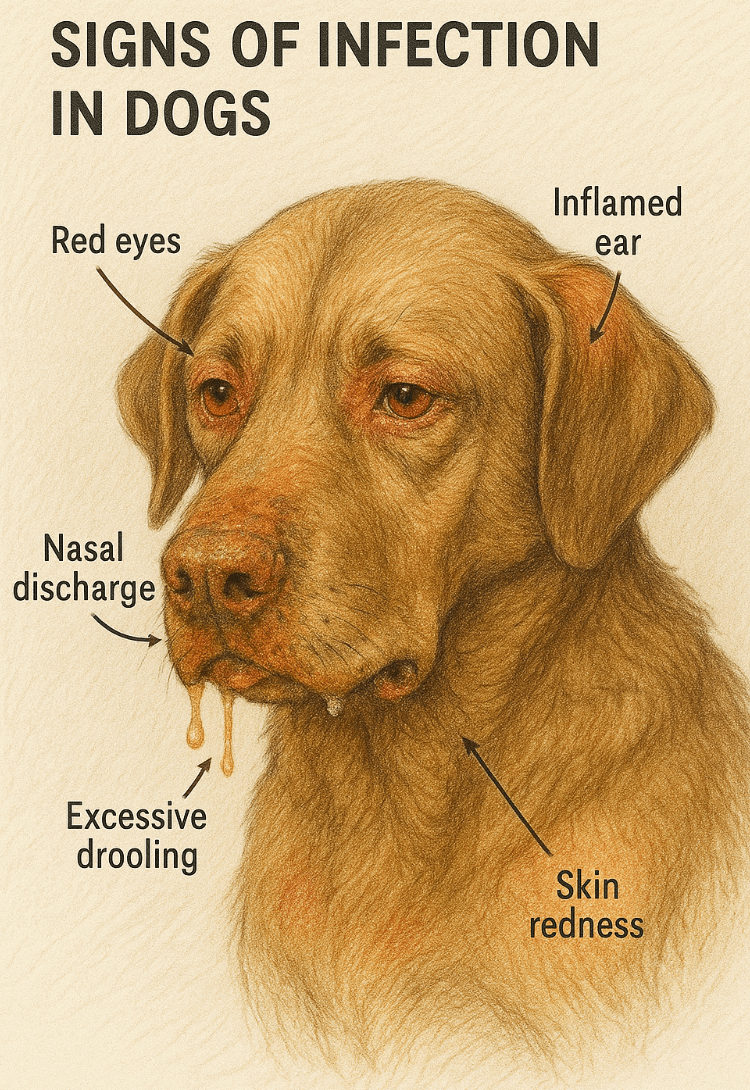

Signs of Infection in Dogs: How to Spot and Address Them Early
As a dog owner, your furry companion’s health is always a top priority. However, infections can strike unexpectedly, and recognizing the signs early is crucial for effective treatment and recovery. From skin irritations to internal illnesses, dogs can suffer from a variety of infections that may go unnoticed if you’re not vigilant. Understanding the common symptoms, causes, and preventive measures can help you act swiftly and ensure your dog stays happy and healthy. In this blog post, we’ll explore everything you need to know about identifying and managing signs of infection in dogs, empowering you to be the best caregiver possible.
Common Signs of Infection in Dogs
Infections in dogs can manifest in various ways, depending on the type and location of the issue. Being familiar with these common signs will help you detect problems early and seek veterinary care promptly.
Lethargy or Weakness:
A sudden lack of energy or reluctance to engage in normal activities could indicate an underlying infection.Loss of Appetite:
If your dog refuses to eat or shows disinterest in food, it may be a sign of discomfort caused by an infection.Fever or Elevated Body Temperature:
A warm, dry nose or unusually warm ears could signal a fever, which often accompanies infections.Swelling or Redness:
Visible swelling, redness, or warmth around a specific area may point to localized infections like abscesses or wounds.Discharge or Oozing:
Pus, blood, or unusual discharge from the eyes, ears, nose, or wounds can indicate an infection requiring attention.
Recognizing these symptoms early allows you to address potential infections before they worsen, ensuring your dog receives timely care.
Types of Infections in Dogs and Their Symptoms
Dogs can suffer from different types of infections, each with its own set of symptoms. Understanding these variations helps you identify the root cause more effectively.
Skin Infections:
Look for excessive scratching, hair loss, scabs, or foul odors emanating from the skin.Ear Infections:
Symptoms include head shaking, ear scratching, redness, or dark, waxy buildup inside the ear canal.Urinary Tract Infections (UTIs):
Frequent urination, straining to urinate, or blood in the urine are common signs of UTIs.Respiratory Infections:
Coughing, sneezing, nasal discharge, or labored breathing may indicate respiratory issues.Dental Infections:
Bad breath, swollen gums, drooling, or difficulty eating can signal dental or gum infections.
Each type of infection requires specific treatment, so consulting a veterinarian is essential for accurate diagnosis and care.
Check this guide 👉Staph Infection in Dogs: Best 7 Expert Tips!
Check this guide 👉Antibiotics for Dog Infections: Best 7 Health Tips!
Check this guide 👉Understanding Dog Sinus Infections: Best 7 Tips!
Preventive Measures for Infections | When to See a Veterinarian |
|---|---|
Regular grooming and hygiene maintenance | Persistent lethargy or weakness |
Keeping ears clean and dry | Unexplained swelling or redness |
Providing a balanced diet and hydration | Loss of appetite lasting more than 24 hours |
Vaccinating against common diseases | Discharge from eyes, ears, or wounds |
Avoiding exposure to contaminated areas | Fever or signs of severe pain |
How to Prevent Infections in Dogs
Prevention is always better than cure when it comes to your dog’s health. Taking proactive measures can significantly reduce the risk of infections and keep your pup in top shape.
Maintain Proper Hygiene:
Bathe your dog regularly and clean their ears, paws, and teeth to prevent bacterial buildup.Provide a Healthy Diet:
A nutrient-rich diet boosts your dog’s immune system, making them less susceptible to infections.Keep Living Spaces Clean:
Regularly disinfect your dog’s bedding, toys, and feeding bowls to eliminate germs.Schedule Routine Vet Checkups:
Regular health screenings help catch potential issues early before they escalate.Limit Exposure to Sick Animals:
Keep your dog away from other animals showing signs of illness to minimize transmission risks.
By incorporating these practices into your routine, you can safeguard your dog’s health and reduce the likelihood of infections.
What to Do If You Suspect an Infection
If you notice any signs of infection in your dog, acting quickly and calmly is key to ensuring their well-being. Follow these steps to address the situation effectively.
Isolate Your Dog:
Keep your dog away from other pets to prevent the spread of potential contagious infections.Monitor Symptoms Closely:
Document changes in behavior, appetite, or physical condition to share with your vet.Avoid Self-Medicating:
Never administer human medications or treatments without veterinary guidance, as they can do more harm than good.Clean Minor Wounds Carefully:
For small cuts or scrapes, gently clean the area with saline solution and apply a pet-safe antiseptic.Contact Your Veterinarian Immediately:
Seek professional advice as soon as possible to determine the best course of action.
Taking these steps ensures your dog receives appropriate care while minimizing complications.
Common Causes of Infections in Dogs
Understanding what triggers infections in dogs can help you take preventive measures and reduce risks. Here are some common causes to be aware of.
Bacterial Exposure:
Bacteria from contaminated water, soil, or surfaces can enter through wounds or mucous membranes.Parasites:
Fleas, ticks, and mites can introduce harmful pathogens or cause secondary infections.Viral Diseases:
Viruses like parvovirus or distemper weaken the immune system, making dogs more vulnerable to infections.Poor Hygiene Practices:
Neglecting grooming or cleaning routines increases the risk of skin, ear, and dental infections.Weakened Immune System:
Stress, poor nutrition, or underlying health conditions can compromise your dog’s ability to fight off infections.
Addressing these causes proactively minimizes the chances of infections developing.
Home Remedies for Minor Infections (Under Veterinary Guidance)
For mild infections, some home remedies can complement professional treatment under your vet’s supervision.
Warm Compresses:
Applying warm compresses to swollen areas can reduce inflammation and promote healing.Saline Rinse:
Use a sterile saline solution to clean minor wounds or irritated eyes safely.Coconut Oil for Skin Issues:
Applied sparingly, coconut oil can soothe dry, itchy skin caused by mild infections.Probiotics for Digestive Health:
Probiotic supplements support gut health and aid recovery from mild gastrointestinal infections.Herbal Teas for Soothing Baths:
Chamomile or calendula tea baths can calm irritated skin and reduce itching.
Always consult your vet before trying home remedies to ensure they’re safe and appropriate.
Signs of Recovery from an Infection
Monitoring your dog’s progress during recovery is just as important as spotting initial symptoms. These signs indicate that your dog is healing well.
Increased Energy Levels:
A return to playful behavior and normal activity levels suggests improvement.Improved Appetite:
Eating normally again is a positive sign that your dog is feeling better.Reduced Swelling or Redness:
Decreased inflammation at the site of infection indicates healing.Clearer Eyes, Ears, or Nose:
Absence of discharge or irritation shows the infection is resolving.Normal Body Temperature:
A stable, normal temperature confirms that the fever has subsided.
Celebrating these milestones reassures you that your dog is on the path to full recovery.
Frequently Asked Questions About Signs of Infection in Dogs
Can dogs recover from infections on their own?
Mild infections may resolve naturally, but most require veterinary intervention to prevent worsening.
How long does it take for an infection to heal?
Healing time varies depending on the type and severity of the infection, ranging from days to weeks.
Are certain breeds more prone to infections?
Yes, some breeds, like those with folded ears or thick coats, are more susceptible to specific infections.
What should I do if my dog has a fever?
Monitor their temperature and contact your vet immediately, as fevers can indicate serious underlying issues.
Can vaccines prevent all types of infections?
While vaccines protect against many diseases, they don’t cover every possible infection, so preventive care is still essential.
Staying Vigilant for Your Dog’s Health
Recognizing the signs of infection in dogs is a vital part of responsible pet ownership. By staying alert to changes in behavior, appearance, and overall health, you can catch potential issues early and provide your dog with the care they need. Prevention, prompt action, and regular veterinary checkups are the cornerstones of maintaining your dog’s well-being. Remember, your furry friend relies on you to advocate for their health—so trust your instincts and seek professional help whenever necessary. With love, attention, and proactive care, you can ensure your dog leads a happy, healthy life.
Understanding Cryptosporidium in Cats: Best 7 Expert Tips! – Spot symptoms, treat safely, and stop parasite spread in your home.
Understanding Cryptosporidium in Dogs: Best 7 Expert Tips! – Learn symptoms, treatment & prevention for this stubborn gut parasite.
Understanding Syringomyelia in Cats: Best 7 Expert Tips! – Recognize signs, manage pain, and support your cat’s neurological health with vet-backed guidance.
Understanding Syringomyelia in Dogs: Best 7 Expert Tips! – Expert insights on symptoms, MRI diagnosis, pain management & quality of life.


