
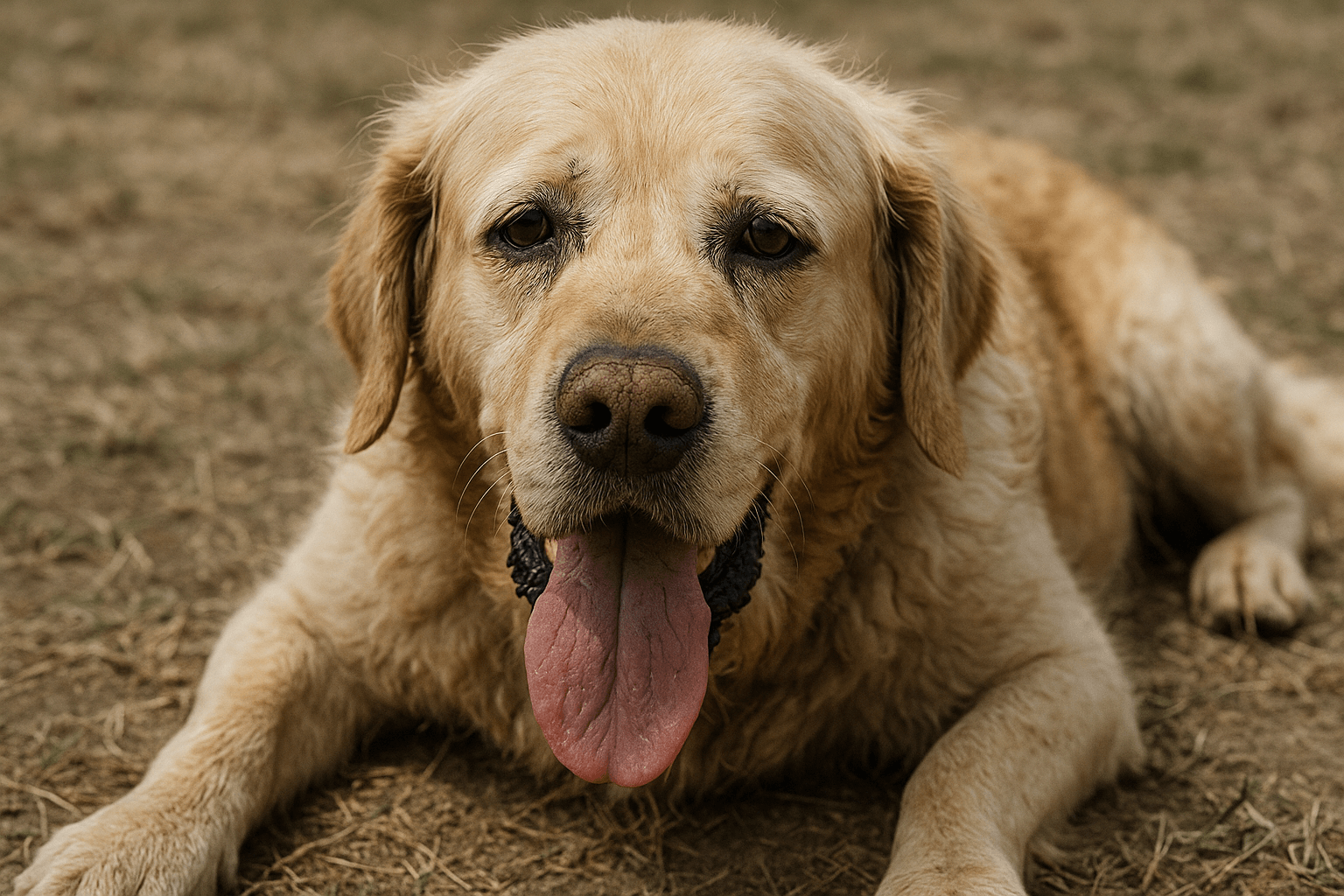
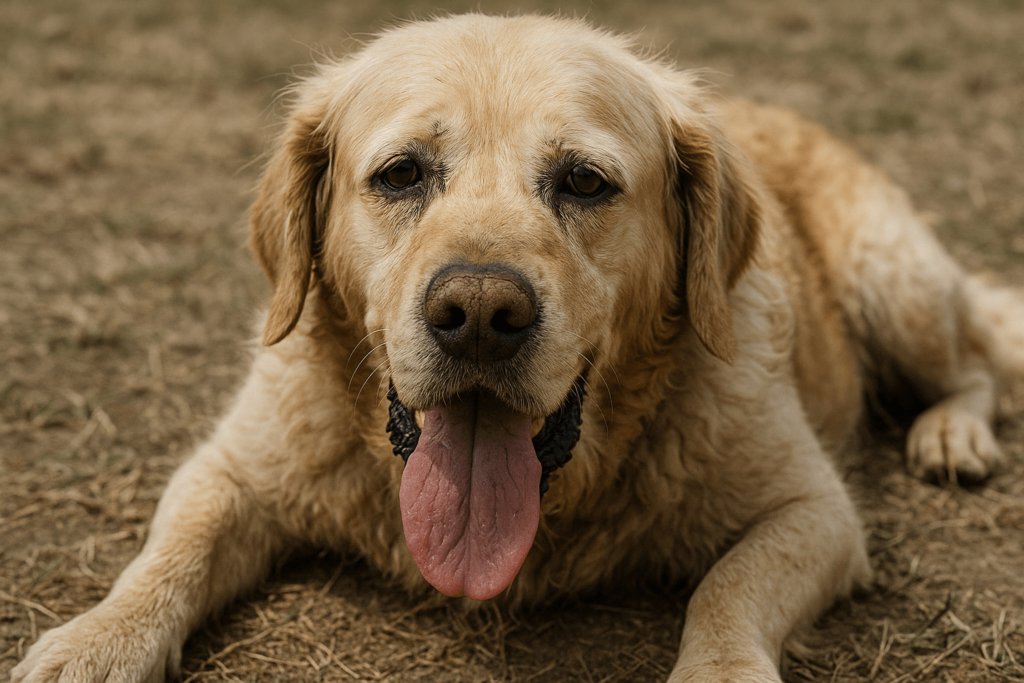

Signs of Dehydration in Dogs: Best 7 Expert Tips!

Signs of Dehydration in Dogs: Best 7 Expert Tips!

Signs of Dehydration in Dogs: Spot the Silent Warning Before It’s Too Late

Dehydration in dogs is more common—and more dangerous—than many pet owners realize. Unlike humans, dogs can’t tell us when they’re feeling thirsty or unwell, making it essential to recognize subtle behavioral and physical cues early. Left unchecked, dehydration can escalate into serious health complications, including organ failure. Whether it’s a hot summer day, a bout of illness, or simply skipped water breaks, your dog depends on you to notice the signs and act fast. With vigilance and care, you can keep your furry friend safe, hydrated, and thriving.

Understanding How Dehydration Develops in Dogs

Dehydration occurs when a dog loses more fluids than it takes in, disrupting essential bodily functions like circulation, digestion, and temperature regulation. Even a 5% drop in body water can trigger noticeable symptoms, and severe dehydration becomes life-threatening quickly. The following factors commonly contribute to fluid imbalance in canines:

 
  • Inadequate Water Access
    Dogs left without fresh water for hours—especially in warm environments—can become dehydrated rapidly.
     
  • Illness with Fluid Loss
    Vomiting, diarrhea, or fever drastically increase fluid loss, often outpacing your dog’s ability to rehydrate naturally.
     
  • Excessive Panting or Exercise
    Intense play or prolonged heat exposure causes heavy panting, which expels moisture and cools the body—but also depletes hydration reserves.
     
  • Underlying Medical Conditions
    Kidney disease, diabetes, or Cushing’s disease can impair a dog’s ability to retain or regulate water, making chronic dehydration a risk.
     
  • Age and Size Factors
    Puppies, senior dogs, and small breeds dehydrate faster due to higher metabolic rates, less body mass, and sometimes reduced thirst awareness.
 

While dehydration can strike any dog, understanding these root causes empowers you to prevent it before symptoms appear.

Signs of Dehydration in Dogs: Best 7 Expert Tips!

Early Warning Signs: What to Watch For

Catching dehydration in its early stages gives your dog the best chance at a quick recovery. These initial signals are often subtle but become clearer with close observation:

 
  • Dry or Sticky Gums
    Healthy gums should feel slick and moist; dehydration turns them tacky or dry to the touch.
     
  • Reduced Skin Elasticity
    Gently pinch the skin between your dog’s shoulder blades—if it doesn’t snap back quickly, hydration levels may be low.
     
  • Mild Lethargy or Sluggishness
    A normally energetic dog may seem unusually tired, slow to respond, or reluctant to play.
     
  • Slight Decrease in Urination
    Fewer bathroom trips or darker, more concentrated urine can indicate fluid conservation.
     
  • Panting Without Obvious Cause
    If your dog pants heavily while resting in a cool space, it may be struggling to regulate internal temperature due to low fluids.
 

These early signs shouldn’t be ignored—they’re your dog’s quiet plea for help before the situation worsens.

Hydration Warning Signs Prevention & Response Tips
Dry or sticky gums Offer fresh water immediately; check water bowl multiple times daily
Sunken eyes Seek veterinary care—this indicates moderate to severe dehydration
Loss of appetite Encourage hydration with ice cubes or low-sodium broth
Weakness or stumbling Keep dog cool and calm; contact vet if unsteady for over an hour
Excessive panting at rest Move to a shaded or cool area and offer small sips of water frequently

Advanced or Severe Dehydration Symptoms

When dehydration progresses beyond the early stage, symptoms become more alarming and require urgent attention. These signs reflect significant fluid loss and potential organ stress:

 
  • Sunken Eyes
    The eyes may appear recessed into the sockets, a classic indicator of severe dehydration in dogs.
     
  • Collapse or Extreme Weakness
    Your dog may struggle to stand, wobble when walking, or lie down and refuse to move.
     
  • Rapid Heartbeat or Breathing
    The body tries to compensate for low fluid volume by increasing heart and respiratory rates.
     
  • Cold Paws or Pale Gums
    Poor circulation due to low blood volume can make extremities feel cool and gums lose their healthy pink hue.
     
  • Loss of Consciousness
    In critical cases, a dog may become unresponsive—a medical emergency requiring immediate veterinary intervention.
 

If you observe any of these advanced signs, treat it as an emergency: contact your vet or nearest animal hospital without delay.

Risk Factors That Increase Dehydration Vulnerability

Not all dogs face the same dehydration risk. Certain conditions and lifestyles make some more susceptible than others:

 
  • Brachycephalic Breeds
    Dogs like Pugs, Bulldogs, and Shih Tzus overheat easily due to restricted airways, leading to faster fluid loss.
     
  • Dogs with Chronic Illnesses
    Conditions like kidney disease, diabetes, or Addison’s disease disrupt normal fluid balance and increase thirst needs.
     
  • Outdoor or Working Dogs
    Canines spending long hours outside—especially in summer—are at high risk without constant water access and shade.
     
  • Post-Surgery or Recovery Periods
    Dogs recovering from procedures may drink less due to nausea or discomfort, requiring extra monitoring.
     
  • Travel or Environmental Changes
    Stress from car rides, new homes, or boarding can reduce water intake, even if water is available.
 

Recognizing these elevated-risk scenarios allows you to take proactive steps before dehydration sets in.

At-Home Hydration Checks Every Owner Should Know

You don’t need a vet degree to assess your dog’s hydration status. These simple, non-invasive tests can be done at home with minimal tools:

 
  • Skin Tent Test
    Gently lift the scruff; if it returns slowly or stays “tented,” your dog may be dehydrated.
     
  • Capillary Refill Time (CRT)
    Press on your dog’s gums until they turn white—color should return within 1–2 seconds if circulation and hydration are good.
     
  • Urine Color Observation
    Light yellow urine suggests proper hydration; dark yellow or amber signals concentration and possible fluid deficit.
     
  • Water Bowl Monitoring
    Track how much your dog drinks daily—sudden drops may indicate illness or dehydration risk.
     
  • Behavioral Baseline Awareness
    Knowing your dog’s normal energy, appetite, and bathroom habits helps you spot deviations quickly.
 

While these checks aren’t a substitute for professional care, they provide valuable real-time insights into your dog’s well-being.

Preventing Dehydration: Practical Daily Strategies

Prevention is always safer—and easier—than treating dehydration after it occurs. Integrating these habits into your routine builds a strong defense:

 
  • Always Provide Fresh, Clean Water
    Refill bowls at least twice daily and clean them regularly to discourage bacterial growth.
     
  • Use Multiple Water Stations
    Place bowls in different rooms or outdoor areas so your dog never has to go far for a drink.
     
  • Add Moisture to Food
    Mix wet food with kibble or add low-sodium broth to meals to boost fluid intake subtly.
     
  • Carry Water on Walks
    Bring a portable bottle and collapsible bowl on outings, especially in warm weather.
     
  • Monitor High-Risk Days Closely
    During heatwaves, travel, or illness, check hydration cues hourly and encourage sipping.
 

Consistent, thoughtful hydration habits create a safety net that protects your dog year-round.

When to Call the Vet: Knowing the Red Flags

Some dehydration cases can be managed at home, but others demand professional care immediately. Seek veterinary help if you notice:

 
  • No improvement after offering water for 1–2 hours
    If your dog refuses to drink or shows worsening symptoms, medical support is needed.
     
  • Vomiting or diarrhea lasting more than 12 hours
    Ongoing fluid loss requires electrolyte replacement and possibly IV fluids.
     
  • Signs of shock (weak pulse, pale gums, collapse)
    These indicate critical dehydration and possible organ compromise.
     
  • Underlying health conditions
    Dogs with kidney issues, diabetes, or heart disease dehydrate faster and need tailored care.
     
  • Puppies or senior dogs showing any dehydration signs
    Their bodies are less resilient; early intervention is crucial for recovery.
 

Never wait “just to see”—when in doubt, a vet call can be life-saving.

Frequently Asked Questions About Dehydration in Dogs

Can dogs get dehydrated indoors?

Yes. Even inside, dogs can dehydrate due to illness, lack of water access, overheating from poor ventilation, or simply not drinking enough—especially if they’re stressed or unwell.

Most healthy dogs show early dehydration signs within 24 hours without water. Puppies, seniors, or ill dogs may dehydrate in under 12 hours.

Only under veterinary guidance. Human sports drinks contain sugar and sodium levels unsafe for dogs. Pet-specific electrolyte formulas may be recommended in mild cases.

Not always—panting is normal after exercise or in warm weather. But if panting is excessive, occurs at rest, or is paired with other symptoms, dehydration may be the cause.

Yes. Severe or repeated dehydration can strain the kidneys, reduce blood flow to vital organs, and lead to chronic health issues if not addressed promptly.

Hydration Is Love: A Final Word on Protecting Your Pup

Dehydration in dogs is a silent but serious threat—one that’s often overlooked until it’s advanced. Yet with awareness, routine checks, and simple preventive habits, you can ensure your dog stays safely hydrated through every season and life stage. Your vigilance isn’t just about water; it’s about honoring your dog’s trust in you to safeguard their health when they can’t speak for themselves. By tuning into their subtle cues and acting with care, you give them the greatest gift: a resilient, joyful, and well-hydrated life by your side.

Understanding Cryptosporidium in Cats: Best 7 Expert Tips!

Understanding Cryptosporidium in Cats: Best 7 Expert Tips! – Spot symptoms, treat safely, and stop parasite spread in your home.

Understanding Cryptosporidium in Dogs: Best 7 Expert Tips!

Understanding Cryptosporidium in Dogs: Best 7 Expert Tips! – Learn symptoms, treatment & prevention for this stubborn gut parasite.

Understanding Syringomyelia in Cats: Best 7 Expert Tips!

Understanding Syringomyelia in Cats: Best 7 Expert Tips! – Recognize signs, manage pain, and support your cat’s neurological health with vet-backed guidance.

Understanding Syringomyelia in Dogs: Best 7 Expert Tips!

Understanding Syringomyelia in Dogs: Best 7 Expert Tips! – Expert insights on symptoms, MRI diagnosis, pain management & quality of life.

Leave a Reply

Your email address will not be published. Required fields are marked *


