

Signs a Dog Is Uncomfortable with a Child: Best 7 Tips!

Signs a Dog Is Uncomfortable with a Child: Best 7 Tips!

Signs a Dog Is Uncomfortable with a Child


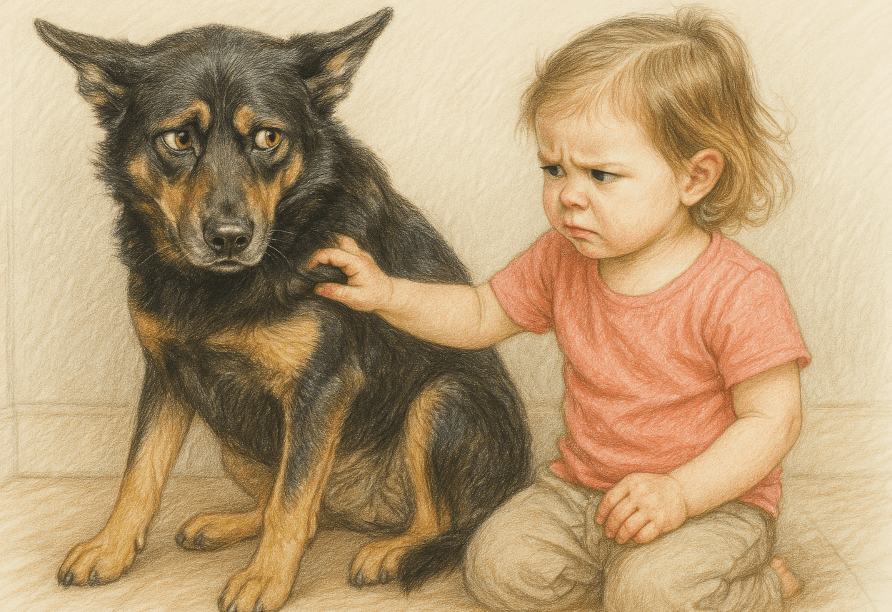
Dogs are often referred to as “man’s best friend,” and their bond with children can be incredibly rewarding. However, not every interaction between a dog and a child is positive or safe. Dogs communicate their feelings primarily through body language, and it’s crucial for parents, guardians, and caregivers to recognize when a dog is uncomfortable around a child. Ignoring these signs can lead to stress for the dog and potentially dangerous situations for the child. In this blog post, we’ll explore the subtle and overt signs of discomfort in dogs, how to interpret them, and what steps you can take to ensure safe and harmonious interactions between dogs and children.

Subtle Signs of Discomfort in Dogs Around Children


Dogs often show early warning signs of discomfort that can easily go unnoticed if you’re not paying close attention. Recognizing these subtle cues allows you to intervene before the situation escalates.

 
  • Turning the Head Away:
    A dog may turn its head or look away from the child to avoid direct eye contact, signaling unease or a desire for space.

  • Lip Licking or Yawning:
    Excessive lip licking or yawning, even when the dog isn’t tired, can indicate stress or anxiety in the presence of a child.

  • Freezing or Stiffening:
    A dog that suddenly becomes still or rigid may be feeling threatened or unsure about the interaction.

  • Raised Hackles:
    When the hair along a dog’s back stands up, it’s a sign of heightened arousal, which could stem from fear or discomfort.

  • Avoiding Proximity:
    If a dog moves away from a child or tries to hide, it’s a clear indication that they want distance and are not comfortable.


These subtle behaviors are your dog’s way of communicating their boundaries. Addressing them promptly helps prevent escalation into more serious issues.


Overt Signs of Stress or Aggression in Dogs


When a dog’s subtle signals are ignored, they may resort to more obvious behaviors to express their discomfort. These overt signs should never be taken lightly.

 
  • Growling or Snarling:
    Growling is a vocal warning that the dog feels threatened and needs space. It’s important to respect this boundary immediately.

  • Baring Teeth:
    Showing teeth is a defensive posture meant to deter further interaction. It’s a clear sign that the dog is feeling cornered or unsafe.

  • Snapping or Air Biting:
    A dog that snaps or bites at the air near a child is issuing a final warning before potentially escalating to biting.

  • Whining or Whimpering:
    Vocalizations like whining or whimpering indicate distress and should be addressed by removing the child from the situation.

  • Attempting to Escape:
    If a dog tries to flee or retreat but is restrained, their stress levels will increase, making the situation more volatile.


These overt signs are critical warnings that demand immediate attention to protect both the dog and the child.

Signs a Dog Is Uncomfortable with a Child: Best 7 Tips!
Signs of Comfort in Dogs Around Children
Signs of Discomfort in Dogs Around Children
Relaxed body posture
Stiff or frozen stance
Wagging tail (loose and fluid)
Tucked tail
Soft, relaxed facial expression
Furrowed brow or wide eyes
Play bowing or inviting play
Turning head away or avoiding eye contact
Gentle leaning toward the child
Moving away or hiding

How to Prevent Discomfort Between Dogs and Children


Preventing discomfort in dogs around children requires proactive measures and consistent supervision. By fostering mutual respect and understanding, you can create a safer environment for everyone involved.

 
  • Teach Children How to Interact Safely:
    Educate children on gentle petting techniques and the importance of respecting a dog’s personal space.

  • Supervise All Interactions:
    Never leave a child unattended with a dog, regardless of how well-behaved or friendly the dog seems.

  • Provide a Safe Space for the Dog:
    Ensure the dog has access to a quiet area where they can retreat if they feel overwhelmed.

  • Recognize Early Warning Signs:
    Learn to identify subtle signs of discomfort so you can intervene before the situation worsens.

  • Reward Calm Behavior:
    Praise and reward the dog for remaining calm and patient during interactions with children to reinforce positive behavior.


Taking these steps fosters trust and minimizes the risk of negative experiences for both the dog and the child.

What to Do If Your Dog Shows Signs of Discomfort


If you notice your dog displaying signs of discomfort around a child, it’s essential to act swiftly and calmly to de-escalate the situation.

 
  • Separate the Dog and Child Immediately:
    Gently guide the child away from the dog to give the dog space and time to calm down.

  • Assess the Situation:
    Reflect on what might have caused the dog’s discomfort, such as rough handling or loud noises.

  • Reassure the Dog:
    Speak softly to the dog and offer comforting gestures to help them relax after the stressful encounter.

  • Explain to the Child:
    Use age-appropriate language to explain why the dog needed space and how to interact more respectfully next time.

  • Consult a Professional if Needed:
    If the dog frequently shows signs of discomfort, consider consulting a veterinarian or certified dog trainer for guidance.


Addressing discomfort promptly and compassionately ensures a safer and more harmonious relationship moving forward.

Common Mistakes That Lead to Dog Discomfort Around Kids


Certain actions or oversights can inadvertently make a dog uncomfortable around children. Avoiding these mistakes helps maintain harmony.

 
  • Allowing Rough Handling:
    Pulling ears, tails, or fur can quickly overwhelm a dog and lead to defensive reactions.

  • Ignoring Early Warning Signs:
    Failing to notice subtle cues like lip licking or freezing can escalate into more serious problems.

  • Forcing Interaction:
    Pushing a dog to engage with a child when they’re clearly uncomfortable increases stress and tension.

  • Overlooking Rest Time:
    Not providing breaks for the dog can lead to exhaustion and irritability, especially with energetic children.

  • Neglecting Socialization:
    Dogs that haven’t been exposed to children may struggle to adapt to their unpredictable nature.


By avoiding these pitfalls, you can create a calmer and more enjoyable dynamic between dogs and kids.

Fun Activities That Strengthen the Dog-Child Bond


Positive activities can help build trust and strengthen the bond between a dog and a child. Here are some ideas to try under supervision.

 
  • Gentle Petting Sessions:
    Teach the child to stroke the dog softly on areas like the back or chest, avoiding sensitive spots like the face or paws.

  • Interactive Playtime:
    Use toys like tug ropes or fetch balls to encourage cooperative play while setting boundaries.

  • Training Together:
    Involve the child in teaching basic commands like “sit” or “stay,” reinforcing teamwork and communication.

  • Quiet Reading Time:
    Have the child read aloud to the dog, creating a calming and bonding experience for both.

  • Outdoor Adventures:
    Take the dog and child on short walks or hikes, allowing them to share fun outdoor moments.


These activities promote mutual respect and joy, enhancing the connection between dogs and children.

Tips for Introducing a New Child to Your Dog’s Life


Bringing a new baby or young child into your home can disrupt your dog’s routine, so preparation is key to ensuring a smooth transition.

 
  • Introduce Gradually:
    Allow the dog to meet the child slowly, starting with brief, supervised interactions to avoid overwhelming them.

  • Maintain Routine Stability:
    Keep feeding times, walks, and play sessions consistent to provide a sense of security for your dog.

  • Use Positive Reinforcement:
    Reward the dog with treats or praise when they exhibit calm behavior around the child.

  • Create a Dedicated Space for the Dog:
    Designate an area where the dog can retreat for peace and quiet whenever needed.

  • Monitor Energy Levels:
    Be mindful of the dog’s energy and mood, adjusting interactions based on their comfort level.


With careful planning and patience, you can help your dog adjust positively to life with a new child.

Frequently Asked Questions About Dogs and Children

 
Why does my dog seem uneasy around kids?

Dogs may feel uneasy due to unpredictable movements, loud noises, or past negative experiences with children.

Yes, gradual desensitization and positive reinforcement can help build confidence in dogs around kids.

Remove the child from the situation immediately and consult a professional to address the underlying cause of the growling.

While some breeds are known for being more tolerant, individual temperament and socialization play a bigger role than breed alone.

Model respectful behavior, set clear rules, and supervise interactions to ensure both the child and the dog feel safe.

Building a Safe and Happy Relationship Between Dogs and Children


Understanding and respecting a dog’s boundaries is key to fostering a positive relationship between dogs and children. By recognizing the signs of discomfort and taking proactive steps to address them, you can prevent misunderstandings and create a safe environment for everyone. Remember, patience, supervision, and education are the cornerstones of ensuring that interactions remain joyful and stress-free. With the right approach, dogs and children can form bonds that bring happiness and companionship to your home for years to come.

Do Cats Have Taste Buds? Best 7 Expert Tips!

Do Cats Have Taste Buds? Best 7 Expert Tips! – Discover how cats experience flavors and why their taste is so unique.
Do Dogs Have Taste Buds? Best 7 Expert Tips!

Do Dogs Have Taste Buds? Best 7 Expert Tips! – Discover how dogs experience taste, their preferences, and what it means for their diet and health.

Can Cats Taste Sweet? Best 7 Expert Tips!

Can Cats Taste Sweet? Best 7 Expert Tips! – Discover why cats can’t taste sweetness, how it affects their diet, and tips to keep them healthy and happy.
Can Dogs Taste Sweet? Best 7 Expert Tips!

Can Dogs Taste Sweet? Best 7 Expert Tips! – Discover how dogs perceive sweetness, which foods are safe, and tips to manage their sweet cravings responsibly.

Leave a Reply

Your email address will not be published. Required fields are marked *

Recent Post

Post Category