
Understanding the Shiba Inu Dog Temperament
The Shiba Inu is a spirited and independent breed, known for its cat-like behavior and strong-willed nature. While they are loyal and affectionate with their families, their reserved demeanor around strangers makes them unique among small dog breeds. Understanding their temperament is key to building a harmonious relationship with this ancient Japanese companion.
Key Traits of the Shiba Inu Temperament
The Shiba Inu’s temperament is a fascinating blend of independence, intelligence, and charm. These dogs are often described as having a “big personality in a small body,” making them both endearing and challenging to own. Their temperament reflects their ancient lineage as hunting dogs in Japan, where they were bred for agility, alertness, and self-reliance. Understanding these core traits helps potential owners determine if this breed is the right fit for their lifestyle.
- Independent Nature:
Shiba Inus are notoriously independent, often acting more like cats than dogs. They prefer to do things on their own terms and may resist commands or training if they don’t see the point. - Confident and Bold:
Despite their small size, Shiba Inus carry themselves with confidence. They are fearless and will stand their ground against larger dogs or unfamiliar situations. - Reserved with Strangers:
While affectionate with family, Shiba Inus tend to be aloof or cautious around strangers. This trait makes them excellent watchdogs but can also lead to shyness if not socialized properly. - Playful and Mischievous:
Their playful side shines through in games and activities, but their mischievous streak means they can outsmart you if given the chance. - Strong Prey Drive:
Bred to hunt small game, Shiba Inus have a high prey drive. This instinct can lead to chasing smaller animals unless trained and managed carefully.
This unique combination of traits makes the Shiba Inu a rewarding but demanding companion, requiring patience and consistency from their owners.
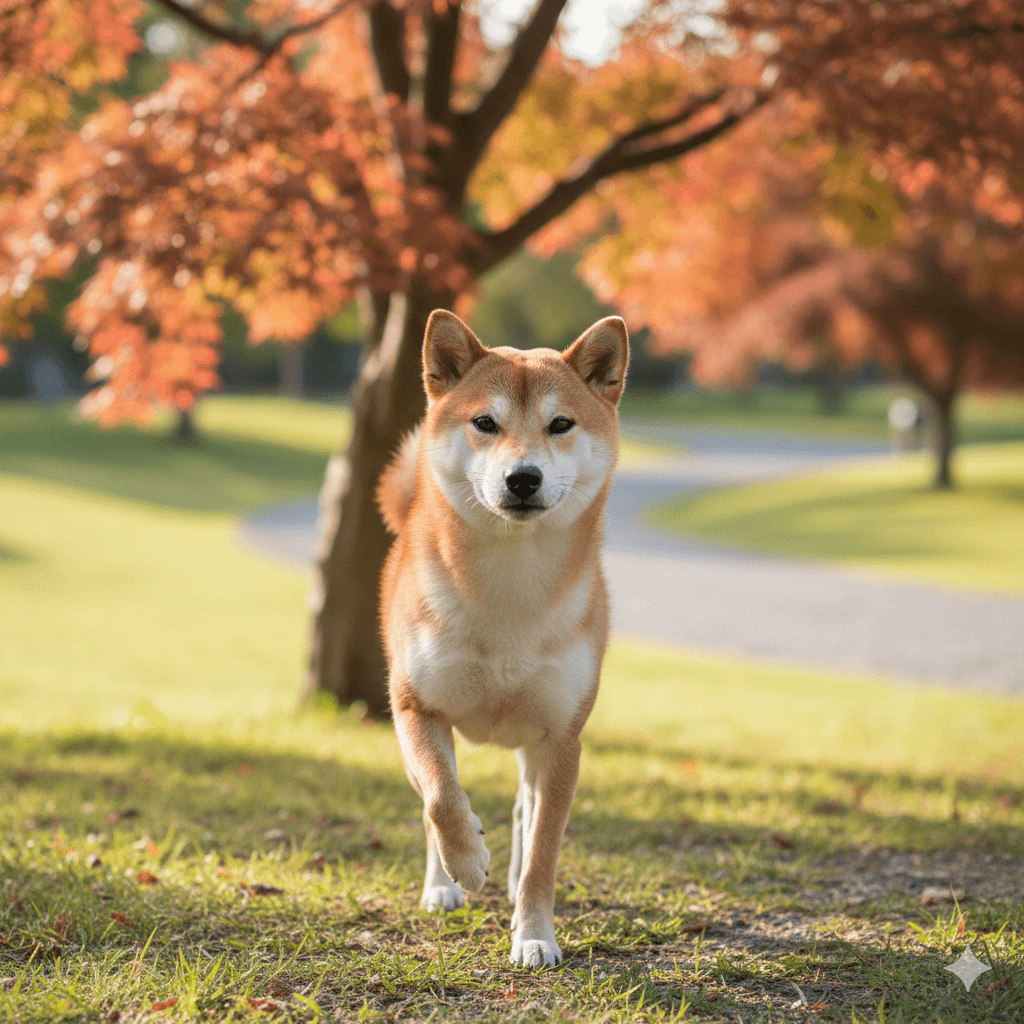
The Shiba Inu’s Social Behavior Explained
Shiba Inus are known for their distinct social behaviors, which can vary depending on their environment and upbringing. Unlike many other breeds, they are not overly eager to please and often prioritize their own interests. Understanding these tendencies ensures a smoother relationship with your Shiba Inu.
- Bonding with Family Members:
Shiba Inus form strong bonds with their immediate family but may show favoritism toward one person. They thrive on companionship but dislike being overly handled or smothered. - Interaction with Children:
While generally good with older, respectful children, Shiba Inus may become impatient with rough handling or loud behavior from younger kids. - Relationship with Other Pets:
Early socialization is crucial for coexisting with other pets. Without proper training, their territorial nature and prey drive can cause conflicts. - Behavior Around Strangers:
Shiba Inus are naturally wary of unfamiliar people. Proper introductions and positive reinforcement help them overcome this reserve over time. - Pack Dynamics:
As descendants of solitary hunters, Shiba Inus are less inclined to view humans as “pack leaders.” Instead, they see themselves as equals, which influences their interactions.
Their social quirks make them a breed that requires thoughtful handling to ensure harmonious relationships with everyone in the household.
Check this guide 👉Saint Bernard Shiba Inu Mix: Best 7 Expert Tips!
Check this guide 👉Shiba Inu Dachshund Mix: Best 7 Expert Tips!
Check this guide 👉Shiba Inu vs Corgi: Best 7 Expert Tips!
Key Traits of Shiba Inus | Training and Care Tips |
|---|---|
Independent and self-reliant | Use positive reinforcement consistently |
Reserved with strangers | Socialize early and frequently |
High prey drive | Supervise interactions with small animals |
Playful but mischievous | Provide mental stimulation through games |
Strong-willed and stubborn | Keep training sessions short and engaging |
Training Challenges with Shiba Inus
Training a Shiba Inu can be both rewarding and frustrating due to their independent and stubborn nature. However, with the right approach, they can learn commands and exhibit good behavior. Patience, consistency, and positive reinforcement are essential when working with this intelligent breed.
- Stubborn Streak:
Shiba Inus often test boundaries and may ignore commands if they find them unappealing. Owners must remain firm and consistent to establish authority. - Short Attention Span:
Their high energy and curiosity mean they can lose focus quickly during training sessions. Keeping sessions short and engaging is key to success. - Positive Reinforcement Works Best:
Rewards like treats, praise, or playtime motivate Shiba Inus far better than punishment-based methods, which can damage trust. - Crate Training Benefits:
Crate training provides a safe space for Shiba Inus and helps manage destructive behaviors, especially during puppyhood. - Socialization Is Critical:
Exposing Shiba Inus to various environments, people, and animals early on prevents fear-based aggression or anxiety later in life.
Understanding their learning style ensures a smoother training process, even when faced with their occasional defiance.
Energy Levels and Exercise Needs of Shiba Inus
Shiba Inus are active and energetic dogs that require regular physical and mental stimulation to stay happy and healthy. Their exercise needs align with their history as agile hunters, so providing outlets for their energy is vital.
- Daily Walks and Playtime:
At least one hour of exercise per day, including walks and off-leash play, satisfies their need for movement and exploration. - Mental Stimulation:
Puzzle toys, scent games, and obedience challenges engage their sharp minds and prevent boredom-related behaviors like chewing or digging. - Agility Training:
Shiba Inus excel in agility courses, which cater to their athleticism and love for problem-solving. - Managing High Energy Indoors:
Without sufficient exercise, Shiba Inus may become restless or destructive inside the home. Providing indoor enrichment keeps them entertained. - Avoid Overexertion:
While energetic, Shiba Inus are still small dogs and can overheat or tire easily in extreme weather conditions.
Balancing physical activity with mental engagement ensures your Shiba Inu remains content and well-behaved.
Common Behavioral Issues in Shiba Inus
Shiba Inus are prone to certain behavioral issues stemming from their independent and spirited nature. Addressing these challenges early prevents frustration for both the dog and owner.
- Escape Attempts:
Their curious and adventurous spirit drives them to explore beyond fences or enclosures, leading to potential escapes. - Resource Guarding:
Shiba Inus may guard food, toys, or sleeping areas aggressively if not taught to share from an early age. - Separation Anxiety:
While independent, some Shiba Inus struggle with being left alone, resulting in destructive behaviors or excessive vocalization. - Stubbornness During Training:
Their refusal to follow commands can escalate into power struggles if not handled calmly and consistently. - Excessive Barking:
Though not typically barkers, Shiba Inus use their distinctive “Shiba scream” to express excitement, frustration, or displeasure.
Proactive management and clear boundaries minimize these issues, fostering a peaceful household dynamic.
Health Considerations Linked to Shiba Inu Temperament
A Shiba Inu’s temperament can sometimes reflect underlying health concerns. Physical discomfort or medical conditions may exacerbate behavioral quirks, making routine vet care essential.
- Allergies and Skin Issues:
Itchy skin or allergies can make Shiba Inus irritable or anxious, impacting their overall mood and behavior. - Hip Dysplasia Concerns:
Joint problems affect mobility and energy levels, potentially altering their usual lively demeanor. - Dental Health Importance:
Poor dental hygiene leads to pain or infection, which can cause irritability or reluctance to eat. - Eye Conditions:
Glaucoma or cataracts impair vision, increasing stress and affecting their confidence in unfamiliar settings. - Hypothyroidism Effects:
Thyroid imbalances influence metabolism and temperament, causing lethargy or mood swings.
Regular veterinary check-ups ensure any health-related changes are addressed promptly, preserving their characteristic spunk and vitality.
Building a Strong Bond with Your Shiba Inu
Developing a strong bond with a Shiba Inu requires understanding their unique needs and respecting their individuality. These dogs value trust and mutual respect above all else, thriving in environments where they feel secure and appreciated.
- Consistent Routine:
Establishing a predictable daily schedule reduces anxiety and fosters a sense of security for your Shiba Inu. - Quality Time Together:
Engaging in activities they enjoy, such as walks, play, or cuddles, strengthens your connection and deepens their loyalty. - Respect Their Independence:
Allowing them space to explore and make choices builds trust and prevents resentment. - Positive Reinforcement:
Rewarding desired behaviors reinforces your role as a fair and supportive leader in their eyes. - Patience and Understanding:
Accepting their quirks and limitations demonstrates empathy, creating a foundation for lifelong companionship.
With dedication and insight, you can cultivate a loving and fulfilling relationship with your Shiba Inu, celebrating their vibrant personality every step of the way.
“The Shiba Inu overall tends to have a reserved personality but can be quite affectionate and attentive with their family. High intelligence and some stubbornness are generally components of the breed’s temperament.” – Gemma Johnstone
Frequently Asked Questions About Shiba Inu Temperament
Are Shiba Inus good family dogs?
Yes, they can be great companions for families who understand their independent nature and provide proper training and socialization.
Do Shiba Inus get along with other pets?
With early socialization, they can coexist with other pets, though their prey drive may lead to chasing smaller animals.
Why are Shiba Inus so difficult to train?
Their intelligence and stubbornness make them challenging, but patience, consistency, and rewards-based methods yield results.
Are Shiba Inus aggressive?
Not inherently, but poor socialization or mishandling can lead to fear-based aggression. Proper care ensures a balanced temperament.
How much exercise do Shiba Inus need daily?
They require at least 1 hour of physical activity, including walks and playtime, plus mental stimulation to prevent boredom.
Building a Lifelong Bond with Your Shiba Inu
The Shiba Inu’s temperament is a blend of independence, loyalty, and charm that makes them truly one-of-a-kind companions. While their strong-willed nature and unique quirks can present challenges, understanding their needs fosters a harmonious relationship. By providing consistent training, ample exercise, and plenty of love, you create an unbreakable bond with this spirited breed. Remember, patience and respect are the keys to unlocking the heart of your Shiba Inu—a partnership that will bring joy and laughter into your life for years to come.

Is Rawhide Bad for Cats? Best 7 Expert Tips! – Discover the risks, safe alternatives, and expert advice to keep your feline friend healthy and happy.

Is Rawhide Bad for Dogs? Best 7 Expert Tips! – Discover the risks, benefits, and safer alternatives to rawhides for your dog’s chewing needs.

Understanding Anorexia in Cats: Best 7 Expert Tips! – Learn why cats stop eating, spot warning signs, and discover how to help your feline regain appetite safely.

Understanding Anorexia in Dogs: Best 7 Expert Tips! – Learn causes, symptoms, and solutions to help your dog regain appetite and stay healthy.