
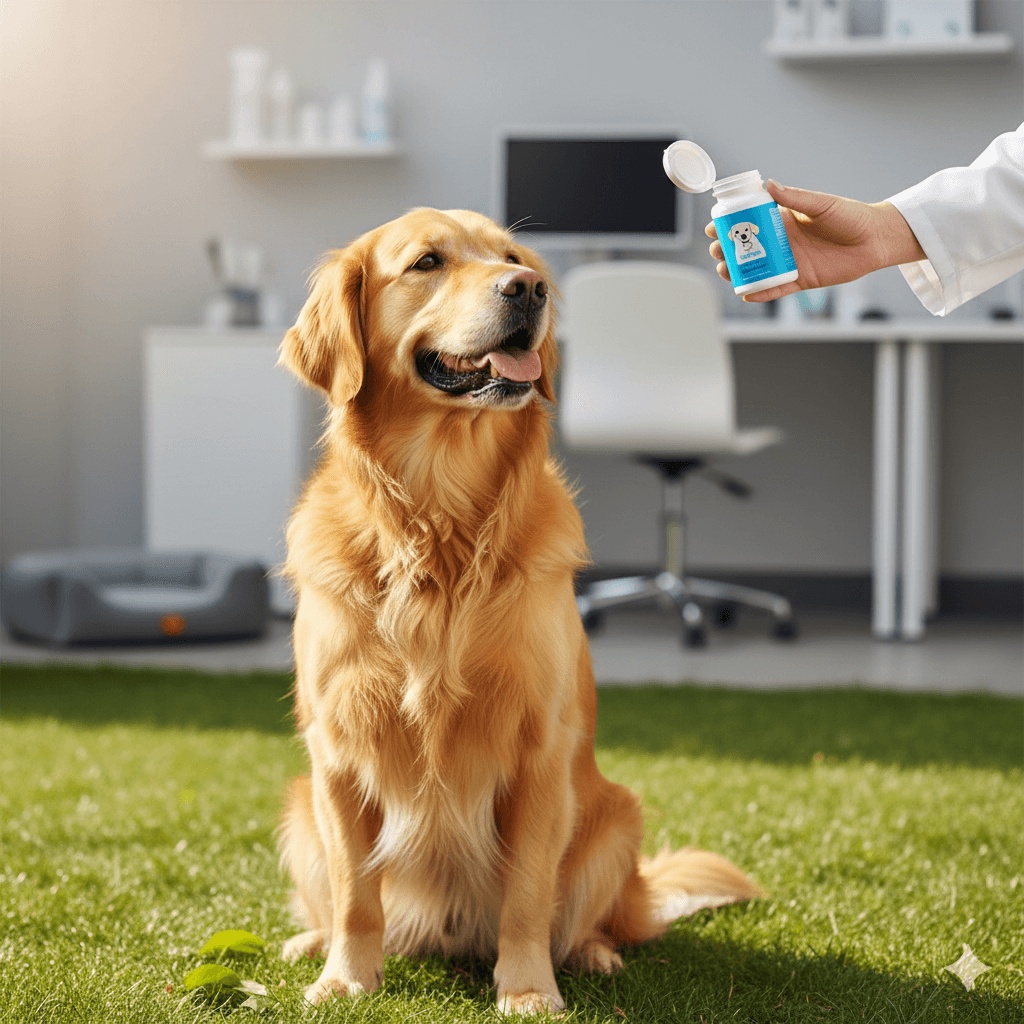

Sarolaner for Dogs: Best 7 Expert Tips!

Sarolaner for Dogs: Best 7 Expert Tips!

Understanding Sarolaner for Dogs: Best 7 Expert Tips!

If your dog is battling fleas or ticks, you’ve likely heard of sarolaner—a powerful, once-a-month oral treatment trusted by veterinarians worldwide. This isoxazoline-class parasiticide offers fast, long-lasting protection against common external parasites that can cause discomfort and disease. While highly effective, using it wisely ensures your dog stays safe and comfortable. With the right knowledge, you can maximize its benefits while minimizing risks. Here’s what every dog owner should know about sarolaner.

How Sarolaner Works to Protect Your Dog

Sarolaner disrupts the nervous system of fleas and ticks, leading to rapid paralysis and death. Once absorbed into your dog’s bloodstream, it remains active for a full month, offering continuous defense. Understanding its mechanism helps you appreciate why timing and dosage matter so much:

 
  • Targets Key Parasites:
    Sarolaner effectively kills fleas (Ctenocephalides felis) and several tick species, including the lone star tick, American dog tick, and black-legged tick.
     
  • Rapid Onset of Action:
    It begins killing fleas within 3 hours and achieves over 90% effectiveness within 8 hours—faster than many topical alternatives.
     
  • Monthly Oral Dosage:
    Administered as a flavored chewable tablet, it’s convenient, mess-free, and unaffected by bathing or swimming.
     
  • Systemic Protection:
    Unlike topical treatments that sit on the skin, sarolaner circulates internally, ensuring full-body coverage—even in hard-to-reach areas.
     
  • Long-Lasting Results:
    A single dose provides 30 days of continuous protection, helping break the parasite life cycle in your home environment.
 

This consistent, internal action makes sarolaner a reliable cornerstone in comprehensive parasite prevention plans.

Sarolaner for Dogs: Best 7 Expert Tips!

Potential Side Effects and Safety Considerations

While generally safe, sarolaner isn’t risk-free—especially for dogs with certain health conditions. Vigilance and veterinary guidance are essential to ensure your dog tolerates it well:

 
  • Neurological Reactions:
    Rarely, dogs may experience tremors, ataxia (loss of coordination), or seizures—particularly those with a history of neurological disorders.
     
  • Gastrointestinal Upset:
    Vomiting, diarrhea, or decreased appetite can occur shortly after dosing but usually resolve quickly.
     
  • Lethargy or Itching:
    Some dogs may seem unusually tired or scratch more temporarily as parasites die off.
     
  • Breed-Specific Sensitivities:
    Though not directly linked to the MDR1 gene like some other isoxazolines, caution is still advised in herding breeds (e.g., Australian Shepherds).
     
  • Not for Puppies Under 8 Weeks:
    Safety hasn’t been established in very young or underweight puppies (<4.4 lbs / 2 kg); always confirm age and weight with your vet.
 

When used correctly under veterinary supervision, serious side effects are uncommon—but never ignore unusual behavior after dosing.

Prevention Benefits
Important Safety Notes
Kills fleas within hours
Avoid in dogs with seizure history
Controls 4+ tick species
Use only in dogs ≥8 weeks old
Waterproof & bath-safe
Give with food to reduce GI upset
Monthly convenience
Store securely—keep away from children
Reduces risk of vector-borne diseases
Report adverse events to your vet immediately

When to Choose Sarolaner Over Other Treatments

Not all parasite preventives are equal. Sarolaner stands out in specific scenarios where speed, reliability, or ease of use matter most. Consider it when:

 
  • Your Dog Hates Topicals:
    If your pet licks off spot-ons or has sensitive skin, an oral option like sarolaner avoids irritation and messy application.
     
  • You Live in High-Tick Areas:
    Regions with lone star or deer ticks benefit from sarolaner’s broad tick coverage and rapid kill time.
     
  • You Have Young Children:
    Oral tablets eliminate residue concerns on your dog’s fur, making cuddles safer for little hands.
     
  • Your Dog Swims Frequently:
    Unlike topical treatments that wash off, sarolaner’s systemic action remains effective regardless of water exposure.
     
  • You’ve Had Treatment Failures:
    If fleas persist despite using other products, sarolaner’s fast, high-efficacy profile may break the reinfestation cycle.
 

Discuss your dog’s lifestyle and local parasite pressure with your vet to determine if sarolaner is the optimal choice.

Proper Administration Tips for Maximum Effectiveness

Giving sarolaner correctly is just as important as choosing it. A few simple practices ensure your dog gets the full benefit without complications:

 
  • Administer with Food:
    Always give the chewable tablet with a meal to enhance absorption and reduce the chance of stomach upset.
     
  • Stick to the Schedule:
    Dose on the same day each month—using reminders or auto-ship services helps maintain consistent protection.
     
  • Don’t Split or Crush:
    Use the exact dose prescribed for your dog’s weight; splitting tablets can lead to under- or overdosing.
     
  • Monitor After First Dose:
    Watch your dog for 24–48 hours after the initial treatment to catch any rare adverse reactions early.
     
  • Avoid Double-Dosing:
    If you miss a dose, give it as soon as you remember—but never give two doses at once without vet approval.
 

Consistency and correct usage turn sarolaner into a highly reliable shield against external parasites.


Combining Sarolaner with Other Preventatives

Many dogs need protection beyond fleas and ticks—such as heartworm or intestinal worms. Sarolaner can often be part of a broader health strategy:

 
  • Heartworm Prevention:
    Sarolaner does not protect against heartworms; pair it with a monthly heartworm preventive like milbemycin or ivermectin.
     
  • Intestinal Parasite Control:
    Since it doesn’t target worms, regular fecal exams and deworming (e.g., with fenbendazole) may still be needed.
     
  • Combination Products:
    Some brands combine sarolaner with other agents (e.g., sarolaner + moxidectin for heartworm), offering streamlined dosing.
     
  • Avoid Duplicate Ingredients:
    Never combine sarolaner with other isoxazoline drugs (e.g., fluralaner, afoxolaner) due to increased seizure risk.
     
  • Consult Your Vet Before Mixing:
    Always review your dog’s full medication list with a veterinarian to avoid dangerous interactions.
 

A tailored, multi-layered approach ensures comprehensive protection without compromising safety.

Special Considerations for At-Risk Dogs

While sarolaner is safe for most dogs, certain individuals need extra caution or alternative solutions:

 
  • Dogs with Epilepsy or Seizure History:
    The FDA has noted rare neurologic events with isoxazolines; discuss risks vs. benefits thoroughly with your vet.
     
  • Senior or Frail Dogs:
    Older pets may metabolize medications differently—baseline blood work can help assess liver and kidney function beforehand.
     
  • Pregnant or Nursing Dogs:
    Safety data is limited; use only if clearly needed and under direct veterinary supervision.
     
  • Dogs on Other Medications:
    Anticonvulsants, sedatives, or certain antibiotics may interact; full disclosure is critical during vet consultations.
     
  • Multi-Pet Households:
    Ensure each pet receives their correct dose—never share tablets, as underdosing leaves gaps in protection.
 

Personalized veterinary guidance is non-negotiable for these sensitive groups.

Additional Considerations When Using Sarolaner for Dogs

Beyond dosing and safety, several practical and lifestyle-related factors can influence how well sarolaner works for your dog—and how smoothly it fits into your routine. These often-overlooked details can make a meaningful difference in long-term parasite prevention success:

 
  • Storage and Handling:
    Keep sarolaner tablets in their original blister pack at room temperature, away from moisture and direct sunlight to preserve potency.

     
  • Travel Readiness:
    Because it’s an oral treatment unaffected by water, sarolaner is ideal for dogs who travel, swim, or get frequent baths—no reapplication needed.

     
  • Environmental Control:
    Even with effective medication, treat your home and yard for fleas if an infestation occurs, as immature stages can survive off the host for weeks.

     
  • Seasonal Adjustments:
    While year-round use is recommended, peak flea and tick seasons (spring through fall) may require extra vigilance in high-risk areas.

     
  • Record Keeping:
    Maintain a simple log of dosing dates and any observed side effects—this helps your vet spot patterns and adjust your prevention plan if needed.
 

Integrating these subtle but important habits ensures sarolaner delivers consistent, reliable protection month after month.

Frequently Asked Questions About Sarolaner for Dogs

Is sarolaner the same as Simparica?

Yes—sarolaner is the active ingredient in Simparica, a popular brand-name oral flea and tick treatment for dogs.

It starts killing fleas in as little as 3 hours and ticks within 8–12 hours after administration.

Yes, and it’s recommended—many parasites remain active in warmer indoor environments or mild winters.

If vomiting occurs within 1–2 hours, redosing may be needed; contact your vet for instructions.

No—sarolaner is formulated only for dogs. Never give dog-specific parasite treatments to cats.

Keeping Your Dog Safe, Comfortable, and Parasite-Free

Choosing sarolaner is more than a convenience—it’s a commitment to your dog’s long-term health and comfort. By stopping fleas and ticks fast, you’re not just preventing itchy bites; you’re shielding your pet from dangerous diseases like Lyme, ehrlichiosis, and tapeworms. Yet, like all powerful tools, it works best when paired with knowledge, vigilance, and partnership with your veterinarian. Stay consistent, stay informed, and always observe your dog closely after any new treatment. In doing so, you create a safer, happier life—one free from the hidden threats lurking in grass, carpets, and even your backyard.

Newfoundland Dog Personality: Best 7 Expert Tips!

Newfoundland Dog Personality: Best 7 Expert Tips! – Discover the gentle, loyal, and protective nature of this giant breed perfect for families.

Can Hot Pavement Burn Your Cats Paws? Best 7 Expert Tips!

Can Hot Pavement Burn Your Cats Paws? Best 7 Expert Tips! – Learn how to protect your cat’s paws from hot surfaces and prevent painful burns this summer.

Can Hot Pavement Burn Your Dogs Paws? Best 7 Expert Tips!

Can Hot Pavement Burn Your Dogs Paws? Best 7 Expert Tips! – Learn how to protect your dog’s paws from hot surfaces and ensure safe summer walks.

Irish Wolfhound Size: Best 7 Expert Tips!

Irish Wolfhound Size: Best 7 Expert Tips! – Discover the ideal height, weight, and care tips for this majestic giant breed. Learn how to manage their impressive stature responsibly.

Leave a Reply

Your email address will not be published. Required fields are marked *


