
Understanding Sarcoptic Mange in Cats: What You Need to Know
Sarcoptic mange, caused by the Sarcoptes scabiei mite, is a highly contagious skin condition that can affect cats, leading to intense itching and discomfort. While more commonly associated with dogs, cats exposed to infected animals or environments may also develop symptoms. Early recognition and treatment are crucial to alleviate suffering and prevent the spread of this persistent parasite.
Symptoms of Sarcoptic Mange in Cats
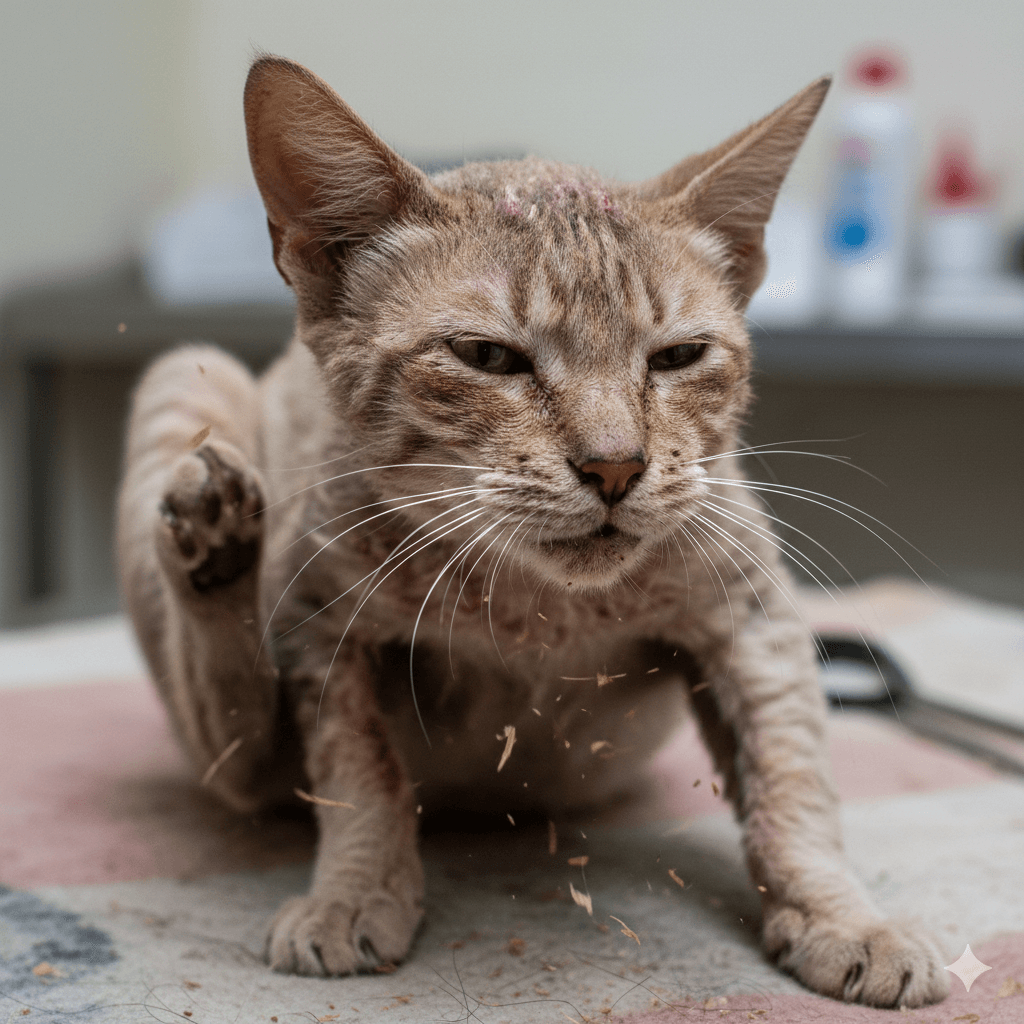
Sarcoptic mange manifests through a range of skin-related symptoms that progressively worsen if left untreated. These signs can vary depending on the severity of the infestation and your cat’s individual immune response. Recognizing these symptoms early helps you seek timely veterinary care and alleviate your cat’s discomfort.
- Intense Itching and Scratching:
The mites burrow into the skin, causing severe pruritus (itching). Cats may scratch incessantly, leading to self-inflicted wounds and secondary infections. - Hair Loss (Alopecia):
Patchy hair loss often begins around the ears, face, and legs but can spread across the body as the infestation progresses. Bald spots are a key indicator of mange. - Crusty or Scaly Skin:
Infected areas develop a crusty, scaly appearance due to inflammation and the cat’s constant scratching. The skin may also appear red and irritated. - Thickened or Wrinkled Skin:
Chronic cases lead to thickened, leathery skin as the body attempts to heal itself. This change is most noticeable in advanced stages of the condition. - Behavioral Changes:
Cats with sarcoptic mange may become irritable, restless, or lethargic due to the constant discomfort caused by itching and skin irritation.
If you notice any combination of these symptoms, consult your veterinarian promptly for diagnosis and treatment. Early intervention prevents complications like secondary bacterial infections.
Causes and Transmission of Sarcoptic Mange
Sarcoptic mange is caused by the Sarcoptes scabiei mite, which thrives on warm, furry hosts. Understanding how these mites spread helps prevent outbreaks and protects your cat from exposure.
- Direct Contact with Infected Animals:
Cats can contract sarcoptic mange through close contact with infected dogs, foxes, or other wildlife. Stray cats are particularly at risk due to their outdoor lifestyle. - Indirect Transmission via Contaminated Objects:
Mites can survive briefly off-host, spreading through shared bedding, grooming tools, or surfaces like carpets and furniture. - Environmental Exposure:
Areas frequented by infected animals, such as parks or shelters, pose a transmission risk. Even indoor cats can be exposed if another pet brings mites home. - Weakened Immune Systems:
Cats with compromised immune systems are more susceptible to infestations, as their bodies struggle to fight off the mites naturally. - Overcrowded Living Conditions:
Multi-cat households or shelters increase the likelihood of outbreaks, as close quarters facilitate rapid mite transmission.
Preventing exposure requires vigilance, especially if your cat interacts with other animals or spends time outdoors.
Check this guide 👉Understanding Cat Skin Colors: Best 7 Expert Tips!
Check this guide 👉Common Cat Skin Infections: Best 7 Expert Tips!
Check this guide 👉Understanding Cat Skin Cancer: Best 7 Expert Tips!
| Symptoms of Sarcoptic Mange | Treatment Options |
|---|---|
| Intense itching and scratching | Topical medications (e.g., selamectin) |
| Hair loss around ears, face, and legs | Oral anti-parasitic drugs (e.g., ivermectin) |
| Crusty or scaly skin | Medicated shampoos or lime sulfur dips |
| Thickened or wrinkled skin | Antibiotics for secondary infections |
| Behavioral changes (irritability, restlessness) | Environmental cleaning and disinfection |
Diagnosis of Sarcoptic Mange in Cats
Diagnosing sarcoptic mange involves careful examination and testing to rule out other skin conditions with similar symptoms. Veterinarians use multiple methods to confirm the presence of mites.
- Physical Examination:
The vet inspects the cat’s skin for characteristic lesions, crusts, and areas of hair loss. They may also inquire about recent exposure to infected animals. - Skin Scraping Tests:
A small sample of skin is scraped and examined under a microscope to identify mites, eggs, or fecal matter. However, false negatives can occur due to low mite numbers. - Response to Treatment Trials:
If diagnostic tests are inconclusive, vets may initiate treatment for sarcoptic mange and monitor the cat’s response. Improvement indicates a correct diagnosis. - Elimination of Other Conditions:
Conditions like flea allergy dermatitis, ringworm, or food allergies must be ruled out before confirming mange. - Owner Observations:
Details about the cat’s behavior, environment, and symptom progression help veterinarians narrow down potential causes.
Accurate diagnosis ensures appropriate treatment, reducing recovery time and preventing further complications.
Treatment Options for Sarcoptic Mange
Treating sarcoptic mange requires a multi-faceted approach to eliminate mites, soothe symptoms, and prevent reinfestation. Veterinary guidance ensures safe and effective management of this condition.
- Topical Medications:
Prescription spot-on treatments containing selamectin or moxidectin kill mites and provide ongoing protection against reinfestation. - Oral Medications:
Anti-parasitic drugs like ivermectin or milbemycin oxime target mites systemically, though dosing must be carefully controlled to avoid toxicity. - Medicated Shampoos and Dips:
Shampoos containing benzoyl peroxide or lime sulfur dips cleanse the skin and reduce mite populations. These treatments require repeated applications. - Antibiotics for Secondary Infections:
Scratching often leads to open sores and bacterial infections. Antibiotics address these complications while the primary infestation is treated. - Environmental Cleaning:
Thoroughly washing bedding, vacuuming carpets, and disinfecting living spaces prevent reinfestation and protect other pets in the household.
Consistent follow-up care ensures complete eradication of mites and promotes healing of damaged skin.
Preventing Sarcoptic Mange in Cats
Prevention is always better than cure when it comes to sarcoptic mange. Proactive measures minimize the risk of infestation and keep your cat healthy.
- Regular Parasite Prevention:
Monthly flea and tick preventatives often offer some protection against mites, reducing the likelihood of mange outbreaks. - Limit Outdoor Exposure:
Keeping cats indoors minimizes contact with infected wildlife or environments where mites thrive. - Isolate Infected Animals:
If one pet contracts mange, isolate them temporarily to prevent spreading mites to other animals in the household. - Clean Shared Spaces Regularly:
Disinfect common areas, wash bedding frequently, and vacuum thoroughly to eliminate mites from your home environment. - Monitor for Early Signs:
Regularly check your cat’s skin and coat for abnormalities, addressing issues before they escalate into full-blown infestations.
Preventive habits safeguard not only your cat’s health but also the well-being of other pets and family members.
Long-Term Effects of Untreated Sarcoptic Mange
Untreated sarcoptic mange can lead to serious health issues, affecting both your cat’s physical condition and overall quality of life. Chronic infestations require extensive care and rehabilitation.
- Severe Skin Damage:
Prolonged scratching causes deep wounds, scarring, and permanent changes to the texture and appearance of the skin. - Secondary Infections:
Open sores become breeding grounds for bacteria, leading to painful abscesses or systemic infections requiring aggressive antibiotic therapy. - Weight Loss and Malnutrition:
Constant discomfort reduces appetite, resulting in weight loss and malnutrition over time. - Behavioral Changes:
Chronic pain and stress make cats withdrawn, aggressive, or excessively anxious, impacting their bond with humans and other pets. - Spread to Humans and Pets:
Untreated mange poses a zoonotic risk, potentially infecting humans and other animals within the household.
Addressing the issue early prevents these long-term consequences and ensures your cat remains happy and healthy.
Managing Recovery After Sarcoptic Mange
Recovery from sarcoptic mange requires patience, consistent care, and ongoing monitoring to ensure complete healing and prevent recurrence. Supporting your cat during this phase fosters resilience and restores their well-being.
- Nutritional Support:
Provide a balanced diet rich in omega-3 fatty acids to promote skin healing and boost the immune system during recovery. - Regular Vet Check-Ups:
Frequent follow-ups allow the vet to assess progress, adjust treatment plans, and confirm the absence of remaining mites. - Hydration and Comfort Measures:
Ensure access to fresh water and create a calm, stress-free environment to aid healing and reduce anxiety. - Gentle Grooming Practices:
Use soft brushes to remove loose fur and debris without irritating sensitive skin during the recovery period. - Monitor for Recurrence:
Stay alert for signs of reinfestation, as untreated environmental sources can reintroduce mites to your cat.
With proper aftercare, most cats recover fully, regaining their playful personalities and glossy coats.
Sarcoptic mange in cats is a highly unpleasant skin disease caused by tiny mites. It results in extreme itchiness, scratching, rashes, hair loss and sores.” — Small Door Veterinary Medical Experts
Frequently Asked Questions About Sarcoptic Mange in Cats
Can sarcoptic mange kill a cat?
While sarcoptic mange itself is rarely fatal, untreated cases can lead to severe complications like systemic infections or extreme debilitation.
How long does it take to cure sarcoptic mange?
Treatment typically lasts 4–6 weeks, depending on the severity of the infestation and the cat’s response to medication.
Is sarcoptic mange contagious to humans?
Yes, sarcoptic mange is zoonotic, meaning it can spread to humans, causing temporary itching and skin irritation until treated.
Can indoor cats get sarcoptic mange?
Indoor cats are less likely to contract mange but can still be exposed through contact with infected animals or contaminated objects.
What happens if sarcoptic mange is left untreated?
Untreated mange leads to worsening skin damage, secondary infections, weight loss, and significant discomfort for the cat.
A Lifeline in Every Moment of Recovery
Sarcoptic mange is undoubtedly distressing, but with timely intervention and consistent care, your cat can fully recover and return to their playful, affectionate self. Understanding the causes, symptoms, and treatment options empowers you to act decisively and compassionately during this challenging time. Prevention remains key—by maintaining a clean environment, limiting exposure to infected animals, and staying vigilant about your cat’s health, you create a safer, happier life for your feline companion. Remember, your dedication and love are the ultimate safeguards against conditions like sarcoptic mange, ensuring your cat thrives for years to come.

Is Rawhide Bad for Cats? Best 7 Expert Tips! – Discover the risks, safe alternatives, and expert advice to keep your feline friend healthy and happy.

Is Rawhide Bad for Dogs? Best 7 Expert Tips! – Discover the risks, benefits, and safer alternatives to rawhides for your dog’s chewing needs.

Understanding Anorexia in Cats: Best 7 Expert Tips! – Learn why cats stop eating, spot warning signs, and discover how to help your feline regain appetite safely.

Understanding Anorexia in Dogs: Best 7 Expert Tips! – Learn causes, symptoms, and solutions to help your dog regain appetite and stay healthy.