
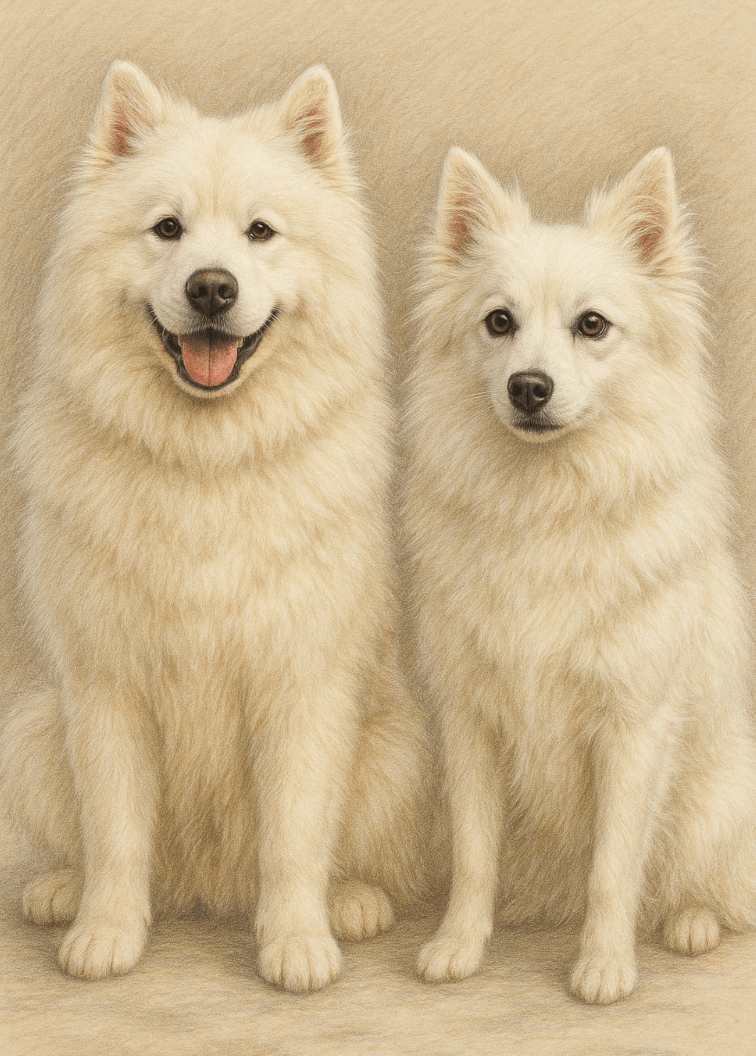
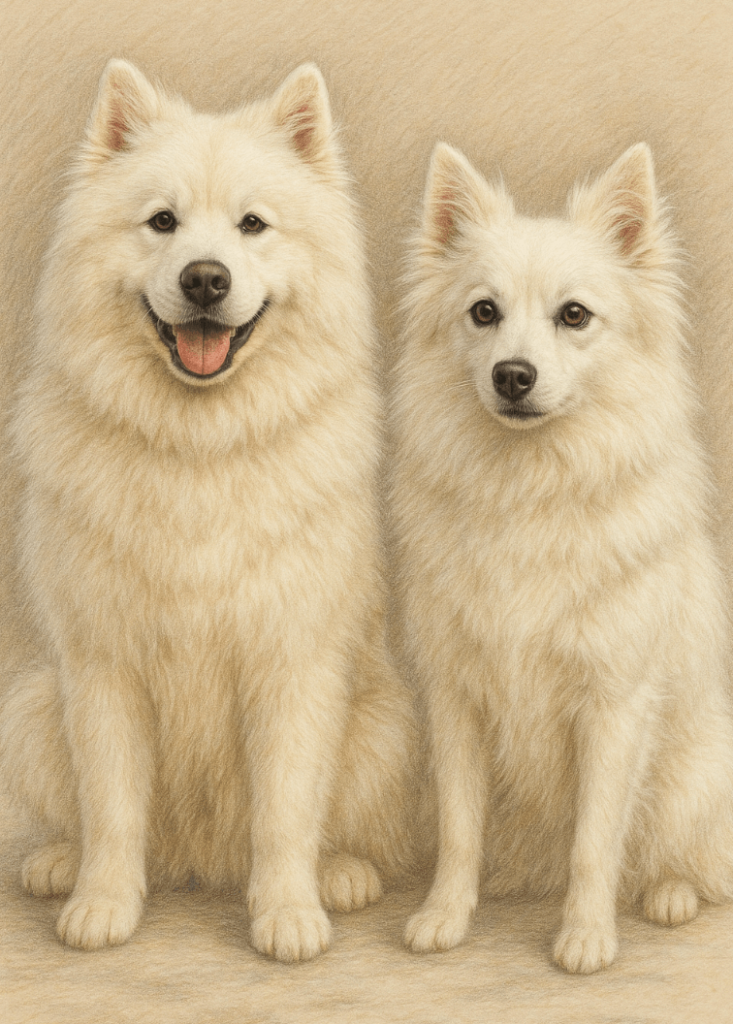

Samoyed vs American Eskimo: Which Fluffy Companion is Right for You?
When it comes to choosing a dog breed, few are as captivating as the Samoyed and the American Eskimo. Both breeds are known for their stunning white coats, friendly personalities, and playful nature, making them popular choices for families and individuals alike. However, while these two breeds share some similarities, they also have distinct differences in size, temperament, grooming needs, and energy levels. Whether you’re drawn to the majestic Samoyed or the spunky American Eskimo, understanding their unique traits is essential to finding the perfect furry companion for your lifestyle. In this blog post, we’ll explore everything you need to know about the Samoyed vs American Eskimo to help you make an informed decision.
Key Differences Between Samoyed and American Eskimo
While both breeds are undeniably adorable, there are several key differences that set the Samoyed and American Eskimo apart. These distinctions can help you determine which breed aligns better with your preferences and living situation.
Size and Build:
The Samoyed is a medium to large breed, standing 19-23 inches tall and weighing 35-65 pounds. In contrast, the American Eskimo is smaller, ranging from 9-19 inches in height and 6-30 pounds in weight.Coat Type and Maintenance:
Both breeds have thick double coats, but the Samoyed’s coat is longer and requires more extensive grooming, including regular brushing to prevent matting.Temperament and Personality:
Samoyeds are known for their calm and gentle demeanor, making them excellent family pets. American Eskimos, on the other hand, tend to be more energetic and vocal, often excelling in agility and obedience training.Exercise Needs:
While both breeds are active, Samoyeds require longer walks and outdoor playtime due to their larger size and working-dog heritage.Lifespan:
American Eskimos typically live 13-15 years, slightly longer than Samoyeds, who have an average lifespan of 12-14 years.
These differences highlight the unique qualities of each breed, helping you decide which one suits your household best.
Physical Characteristics of Samoyed and American Eskimo
Both the Samoyed and American Eskimo are celebrated for their striking appearances, but their physical traits differ in subtle yet significant ways.
Coat Color Variations:
Samoyeds are almost exclusively white or cream, while American Eskimos can also have biscuit-colored markings.Facial Expressions:
The Samoyed’s signature “Sammy smile” gives them a perpetually happy look, whereas American Eskimos often appear alert and curious.Ear Shape and Placement:
Both breeds have pricked ears, but the Samoyed’s ears are slightly rounded at the tips, giving them a softer appearance.Tail Carriage:
Samoyeds typically carry their tails over their backs, forming a distinctive curl, while American Eskimos’ tails are plumed and may hang lower when relaxed.Overall Stature:
Samoyeds have a sturdy, robust build suited for cold climates, while American Eskimos are more compact and agile.
Their physical characteristics reflect not only their beauty but also their adaptability to different environments and lifestyles.
Check this guide 👉Serbian Rottweiler vs German Rottweiler: Best 7 Tips!
Check this guide 👉Rottweiler vs Mastiff: Best 7 Expert Tips!
Check this guide 👉Belgian Laekenois vs Belgian Malinois: Best 7 Expert Tips!
Samoyed Traits | American Eskimo Traits |
|---|---|
Larger size (35-65 lbs) | Smaller size (6-30 lbs) |
Requires heavy grooming | Moderate grooming needs |
Calm and affectionate temperament | Energetic and highly trainable |
Lifespan: 12-14 years | Lifespan: 13-15 years |
Best suited for colder climates | Adaptable to various climates |
Training and Socialization Needs
Training and socialization are crucial for both the Samoyed and American Eskimo, but their approaches may vary based on their temperaments and intelligence levels.
Samoyed Training Tips:
Use positive reinforcement techniques, as Samoyeds respond well to rewards and praise but can become stubborn if forced.American Eskimo Training Tips:
Their eagerness to please makes them highly trainable, especially in agility and obedience courses.Socialization Importance:
Early exposure to people, animals, and environments helps both breeds develop into well-rounded adults.Handling Stubbornness:
Samoyeds may test boundaries, so consistent rules and patience are essential during training sessions.Mental Stimulation Needs:
Both breeds thrive on mental challenges—puzzle toys and interactive games keep them engaged and prevent boredom.
Proper training and socialization ensure these intelligent breeds grow into loving, obedient companions.
Living with a Samoyed or American Eskimo
Deciding between a Samoyed and an American Eskimo involves considering how each breed fits into your daily life. Here are some factors to keep in mind.
Space Requirements:
Samoyeds need more room to roam, making them better suited for homes with yards. American Eskimos adapt well to apartments if given enough exercise.Family Compatibility:
Both breeds are great with children, but Samoyeds’ calm nature makes them ideal for households with young kids.Barking Tendencies:
American Eskimos are more vocal and prone to barking, which can be managed with proper training.Climate Adaptability:
Samoyeds thrive in colder weather, while American Eskimos tolerate a wider range of temperatures.Time Commitment:
Both breeds require attention and companionship, but Samoyeds may demand more time due to their grooming needs.
Understanding these lifestyle considerations ensures a harmonious relationship with your chosen breed.
Common Misconceptions About Samoyeds and American Eskimos
Several myths surround these breeds, leading to misunderstandings among potential owners. Clarifying these misconceptions ensures realistic expectations.
“They Don’t Need Much Grooming”:
Both breeds shed heavily and require regular brushing to maintain their coats.“They’re Low-Energy Dogs”:
Despite their calm appearances, both breeds are active and need plenty of exercise.“They’re Naturally Quiet”:
While Samoyeds are less vocal, American Eskimos are known for their barking tendencies.“All White Dogs Are the Same”:
Each breed has distinct personalities, histories, and care requirements.“They’re Easy to Train”:
While intelligent, Samoyeds can be stubborn, and American Eskimos need consistent guidance.
Dispelling these myths helps you appreciate the true nature of these remarkable breeds.
Health Considerations for Samoyeds and American Eskimos
Both breeds are generally healthy, but they are prone to certain genetic conditions that prospective owners should be aware of.
Hip Dysplasia:
A common issue in both breeds; regular vet check-ups and proper exercise can help mitigate risks.Progressive Retinal Atrophy (PRA):
This eye condition can lead to blindness; genetic testing is recommended for breeding dogs.Diabetes:
Samoyeds are particularly susceptible to diabetes, requiring careful diet management.Patellar Luxation:
More common in smaller breeds like the American Eskimo, causing kneecap dislocation.Allergies:
Both breeds may suffer from skin or food allergies, necessitating hypoallergenic diets or medications.
Proactive healthcare ensures a longer, healthier life for your beloved pet.
Fun Activities to Enjoy with Your Samoyed or American Eskimo
Living with these energetic breeds means embracing an active lifestyle. These fun activities will strengthen your bond while keeping them physically and mentally stimulated.
Agility Courses:
Both breeds excel in agility training, showcasing their speed, focus, and athleticism.Winter Adventures:
Samoyeds especially love snow sports like sledding or pulling sleds, thanks to their Arctic heritage.Interactive Playtime:
Games like fetch, tug-of-war, and hide-and-seek provide mental and physical stimulation.Obedience Challenges:
Teaching new tricks or mastering advanced commands keeps their sharp minds engaged.Leash Walks in Nature:
Exploring trails or parks allows them to sniff, run, and burn off excess energy.
Engaging in these activities ensures a fulfilling life for your adventurous companion.
Frequently Asked Questions About Samoyeds and American Eskimos
Are Samoyeds good for first-time owners?
Yes, but their grooming and exercise needs require commitment.
Do American Eskimos shed a lot?
Yes, they blow their coats twice a year, requiring frequent brushing during shedding seasons.
How much exercise do Samoyeds need?
At least 1-2 hours of daily activity, including walks and playtime.
Can American Eskimos live in apartments?
Yes, as long as they receive sufficient exercise and mental stimulation.
Are these breeds hypoallergenic?
No, neither breed is hypoallergenic, as they shed heavily and produce dander.
Finding Your Perfect Fluffy Companion
Choosing between a Samoyed and an American Eskimo ultimately depends on your lifestyle, preferences, and ability to meet their unique needs. Both breeds bring joy, loyalty, and endless fluffiness into your home, but they thrive in different environments and under varying conditions. By carefully evaluating their size, temperament, grooming requirements, and energy levels, you can select the breed that complements your household perfectly. Whether you fall in love with the regal Samoyed or the spirited American Eskimo, either choice promises a lifetime of love and unforgettable memories.
Is Rawhide Bad for Cats? Best 7 Expert Tips! – Discover the risks, safe alternatives, and expert advice to keep your feline friend healthy and happy.

Is Rawhide Bad for Dogs? Best 7 Expert Tips! – Discover the risks, benefits, and safer alternatives to rawhides for your dog’s chewing needs.

Understanding Anorexia in Cats: Best 7 Expert Tips! – Learn why cats stop eating, spot warning signs, and discover how to help your feline regain appetite safely.

Understanding Anorexia in Dogs: Best 7 Expert Tips! – Learn causes, symptoms, and solutions to help your dog regain appetite and stay healthy.