
Understanding Salt Poisoning in Dogs: A Serious Health Threat
Salt poisoning, also known as hypernatremia, occurs when a dog ingests excessive amounts of sodium, leading to dangerous imbalances in their body. This condition can cause severe dehydration, neurological symptoms, and even organ failure if left untreated. Recognizing the signs early and seeking prompt veterinary care is crucial to protecting your dog’s health and preventing long-term damage.
Common Symptoms of Salt Poisoning in Dogs
Salt poisoning affects multiple systems in a dog’s body, with symptoms ranging from mild to life-threatening depending on the amount ingested. Early recognition of these signs is critical for timely intervention. If you suspect your dog has consumed excessive salt, watch closely for the following symptoms, which often develop within hours of ingestion.
- Excessive Thirst and Urination:
Dogs with salt poisoning may drink large amounts of water in an attempt to compensate for dehydration caused by high sodium levels. However, excessive urination can worsen electrolyte imbalances if not monitored closely. - Vomiting and Diarrhea:
Gastrointestinal distress is one of the first signs of salt toxicity. Vomiting may help expel some of the sodium, but persistent episodes lead to further dehydration and weakness. - Lethargy and Weakness:
As sodium levels rise, cells lose water, leading to cellular dehydration. This process causes fatigue, muscle weakness, and reluctance to move, even during activities your dog normally enjoys. - Neurological Symptoms:
High sodium concentrations affect the brain, causing tremors, seizures, or disorientation. These neurological issues arise because water leaves brain cells, leading to swelling and pressure on sensitive tissues. - Loss of Appetite:
Dogs experiencing salt poisoning often refuse food due to nausea or discomfort. Prolonged appetite loss exacerbates dehydration and weakens their overall condition.
These symptoms highlight the urgency of addressing salt poisoning promptly. Even mild cases require veterinary evaluation to prevent complications like kidney damage or permanent neurological deficits.
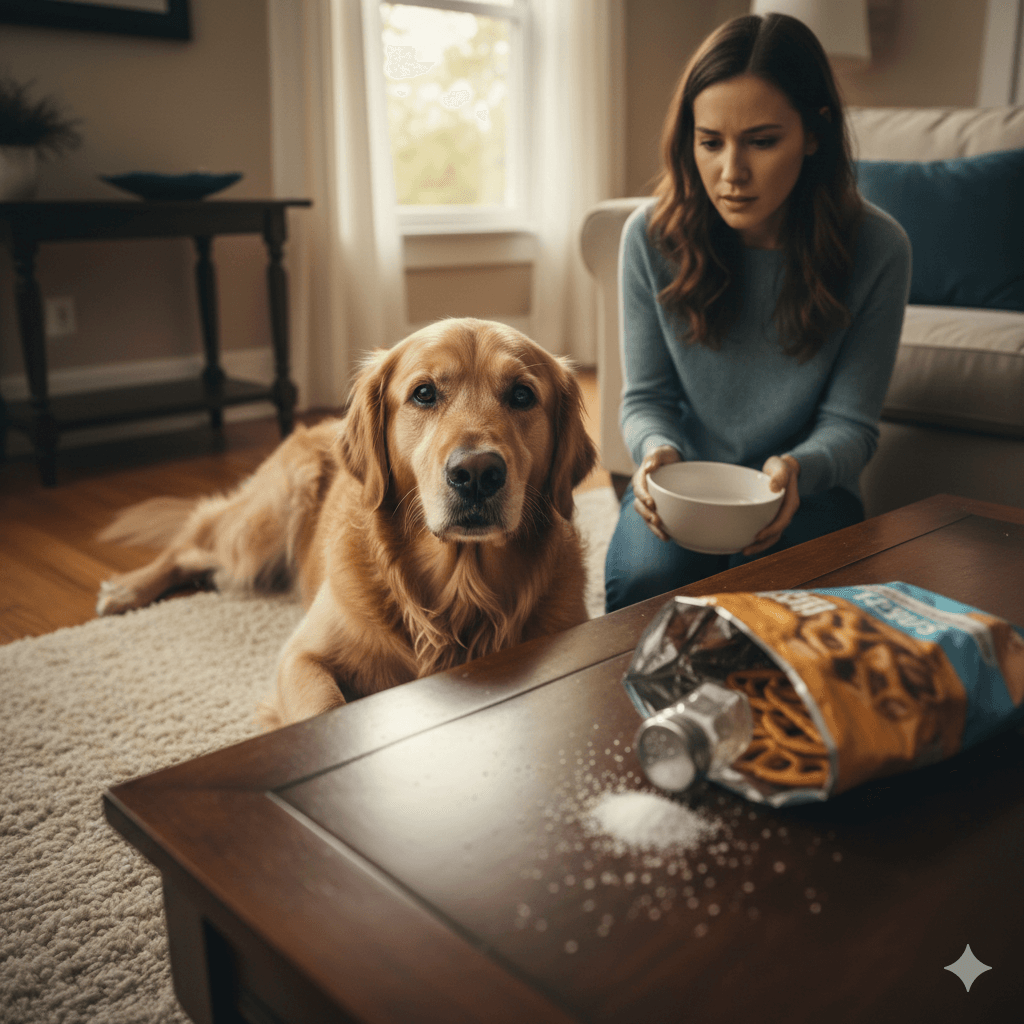
Causes of Salt Poisoning in Dogs
Salt poisoning can occur through accidental ingestion or exposure to high-sodium substances. Understanding common sources helps pet owners minimize risks and create safer environments for their dogs.
- Consumption of Salty Foods:
Table scraps containing salty snacks like chips, pretzels, or cured meats are frequent culprits. Dogs may also ingest homemade playdough, which contains significant amounts of salt. - Drinking Saltwater:
Dogs playing near oceans or pools with saltwater features risk ingesting harmful quantities while trying to quench their thirst. This is especially dangerous during hot weather when dehydration increases thirst. - Ingestion of De-Icing Products:
Rock salt used on icy roads or sidewalks sticks to paws and fur. Dogs may lick it off, consuming toxic levels unknowingly. - Overuse of Electrolyte Solutions:
While oral rehydration solutions are safe in moderation, improper dosing or overuse can overwhelm a dog’s system, particularly in small breeds. - Accidental Access to High-Sodium Treatments:
Some medications or topical treatments contain sodium compounds that pose risks if ingested in large amounts. Always store such items securely out of reach.
Identifying these potential sources allows proactive prevention and reduces the likelihood of accidental exposure.
Check this guide 👉Cyanide Poisoning in Dogs: Best 7 Expert Tips!
Check this guide 👉Antifreeze Poisoning in Dogs: Best 7 Expert Tips!
Check this guide 👉Food Poisoning Symptoms in Dogs: Best 7 Expert Tips!
| Early Warning Signs | Immediate Actions to Take |
|---|---|
| Excessive thirst and urination | Offer small sips of water gradually |
| Vomiting or diarrhea | Monitor hydration and contact your vet |
| Lethargy or weakness | Restrict movement and keep your dog calm |
| Tremors or seizures | Seek emergency veterinary care immediately |
| Loss of appetite | Avoid forcing food; consult your vet |
Immediate First Aid Steps for Salt Poisoning
If you suspect your dog has ingested excessive salt, quick action can make a significant difference in their recovery. Follow these steps carefully until professional help is available.
- Do Not Induce Vomiting Without Guidance:
Forcing vomiting can worsen dehydration or cause aspiration pneumonia unless specifically advised by a veterinarian. - Offer Fresh Water Gradually:
Encourage small sips of water every few minutes to rehydrate slowly. Avoid giving large amounts at once, as rapid dilution can lead to brain swelling. - Monitor for Neurological Changes:
Watch for tremors, seizures, or unusual behavior, as these indicate worsening sodium imbalances requiring immediate attention. - Keep Your Dog Calm and Restrict Movement:
Physical activity accelerates dehydration and stresses already compromised organs. Provide a quiet space away from distractions. - Contact Emergency Veterinary Services:
Call your vet or a pet poison hotline immediately, providing details about the incident, including estimated sodium intake and timing.
These measures stabilize your dog temporarily but do not replace professional treatment.
Treatment Options for Salt Poisoning
Veterinarians employ various strategies to manage salt poisoning, focusing on stabilizing sodium levels and preventing long-term damage. Early intervention improves outcomes significantly.
- IV Fluid Therapy:
Intravenous fluids restore hydration and gradually lower sodium levels to prevent sudden shifts that could harm brain cells. - Monitoring Sodium Levels:
Blood tests track sodium concentrations, guiding adjustments to fluid therapy and ensuring safe recovery. - Anti-Seizure Medications:
If seizures occur, veterinarians administer drugs to control them and protect the brain from further injury. - Supportive Care:
Oxygen therapy, nutritional support, and medications address secondary complications like kidney stress or gastrointestinal irritation. - Hospitalization for Severe Cases:
Prolonged observation ensures sodium levels normalize safely and complications are managed effectively.
Each case varies, but modern veterinary care offers excellent chances of full recovery with timely treatment.
Long-Term Effects of Salt Poisoning
While many dogs recover fully, severe cases of salt poisoning can result in lasting health challenges. Understanding these possibilities prepares owners for ongoing care needs.
- Chronic Kidney Issues:
Dehydration and sodium imbalances strain kidneys, potentially leading to reduced function over time. - Neurological Damage:
Brain swelling or prolonged seizures may cause permanent cognitive or motor impairments, requiring rehabilitation or behavioral adjustments. - Behavioral Changes:
Trauma from the experience may make dogs more anxious or cautious around food or unfamiliar environments. - Increased Sensitivity to Sodium:
Dogs recovering from salt poisoning may need lifelong dietary restrictions to avoid recurrence. - Frequent Veterinary Check-Ups:
Regular monitoring detects lingering effects early, ensuring prompt treatment for any emerging issues.
Early recognition and consistent care mitigate long-term impacts, allowing your dog to thrive despite past challenges.
Preventing Future Salt Poisoning Incidents
Prevention is key to safeguarding your dog’s health. Simple precautions reduce the risk of accidental ingestion and ensure a safer environment.
- Secure Hazardous Substances:
Store salty snacks, de-icing products, and other high-sodium items in dog-proof containers or cabinets. - Supervise Outdoor Activities:
Keep dogs away from saltwater sources and areas treated with rock salt during winter months. - Educate Family Members:
Ensure everyone in the household understands the dangers of feeding table scraps or leaving salty foods unattended. - Provide Fresh Water Always:
Ensure your dog has constant access to clean water, especially during hot weather or after exercise, to prevent dehydration. - Train “Leave It” Commands:
Teaching this command prevents your dog from eating dropped or unknown items, reducing exposure risks.
Proactive measures minimize risks and promote a healthier, happier life for your furry companion.
How Sodium Affects a Dog’s Body
Sodium plays a vital role in maintaining fluid balance, nerve function, and muscle contractions. However, excessive sodium disrupts these processes, leading to severe health consequences. Understanding its impact highlights the importance of prompt action.
- Disruption of Fluid Balance:
Excess sodium draws water out of cells, causing dehydration and impairing organ function. - Nerve and Muscle Dysfunction:
Electrolyte imbalances interfere with nerve signals, leading to tremors, weakness, or paralysis. - Kidney Strain:
The kidneys work overtime to excrete excess sodium, risking damage if overloaded repeatedly. - Brain Swelling:
Rapid shifts in sodium levels cause water to enter brain cells, leading to swelling and pressure that trigger seizures or coma. - Cumulative Toxicity Risk:
Small, repeated exposures over time can build up in your dog’s system, increasing the likelihood of severe reactions.
Recognizing these effects emphasizes the need for vigilance and immediate veterinary care if salt poisoning is suspected.
“Rapid development of hypernatremia results in cerebral dehydration and neuronal cell shrinkage, with the brain then pulling away from the calvarium, which disrupts the blood supply to the brain and can cause tearing of vessels and hemorrhage.”
— Larry J. Thompson, DVM, PhD, DABVT
Frequently Asked Questions About Salt Poisoning in Dogs
What should I do if my dog drinks saltwater?
If your dog consumes saltwater, offer fresh water immediately and monitor for symptoms like vomiting or lethargy. Contact your vet for further guidance.
How much salt is toxic to dogs?
Toxicity depends on size and breed, but as little as 2-3 grams of salt per kilogram of body weight can be dangerous. Smaller dogs are at higher risk.
Can salt poisoning cause permanent damage?
Severe cases may lead to kidney issues, neurological damage, or chronic health problems if not treated promptly. Early intervention minimizes risks.
Is it safe to give my dog electrolyte solutions?
Electrolyte solutions are safe only when prescribed by a vet. Overuse or improper dosing can worsen sodium imbalances.
What foods should I avoid to prevent salt poisoning?
Avoid salty snacks like chips, pretzels, cured meats, and homemade playdough, which contains high sodium levels. Stick to dog-safe diets.
A Lifeline in Every Moment of Crisis
Salt poisoning in dogs is a serious condition that demands immediate attention, but with knowledge and quick action, you can protect your furry friend from harm. By recognizing the signs, acting swiftly, and working closely with your veterinarian, you give your dog the best chance at recovery. Prevention remains the cornerstone of safety—simple precautions like securing salty foods, supervising outdoor activities, and providing fresh water ensure a healthier, happier life for your companion. Remember, your vigilance and love are the ultimate safeguards against accidental poisoning, paving the way for countless joyful moments together.

Is Rawhide Bad for Cats? Best 7 Expert Tips! – Discover the risks, safe alternatives, and expert advice to keep your feline friend healthy and happy.

Is Rawhide Bad for Dogs? Best 7 Expert Tips! – Discover the risks, benefits, and safer alternatives to rawhides for your dog’s chewing needs.

Understanding Anorexia in Cats: Best 7 Expert Tips! – Learn why cats stop eating, spot warning signs, and discover how to help your feline regain appetite safely.

Understanding Anorexia in Dogs: Best 7 Expert Tips! – Learn causes, symptoms, and solutions to help your dog regain appetite and stay healthy.