
Understanding Salt Poisoning in Cats: A Serious Health Risk
Salt poisoning, also known as hypernatremia, occurs when a cat ingests excessive amounts of sodium, disrupting their body’s delicate electrolyte balance. This condition can lead to severe dehydration, neurological symptoms, and even life-threatening complications if left untreated. Recognizing the signs early and knowing how to respond can make all the difference in protecting your feline companion’s health.
Common Causes of Salt Poisoning in Cats
Salt poisoning in cats can arise from accidental ingestion or exposure to high-sodium substances. While cats are naturally drawn to certain flavors or textures, their bodies are not equipped to handle excessive sodium. Understanding the common causes helps prevent this dangerous condition and ensures a safer environment for your pet.
- Consumption of Salty Human Foods:
Foods like chips, pretzels, popcorn, or processed meats often contain alarming levels of salt. Cats may sneak bites from countertops or plates, unaware of the risks. - Ingestion of Household Products:
Certain cleaning agents, detergents, or de-icing salts used during winter can contain sodium compounds. Curious cats may lick these substances off surfaces or paws after contact. - Exposure to Salt-Based Treatments:
Pet owners sometimes use salt-based solutions for flea control or as home remedies without realizing the potential harm. Even small amounts can overwhelm a cat’s system. - Accidental Consumption of Playdough:
Homemade or store-bought playdough often contains high levels of salt. Cats, especially kittens, may mistake it for a toy and ingest toxic quantities while playing. - Overhydration with Saline Solutions:
While rare, improper use of saline solutions (e.g., during at-home care) can lead to sodium imbalances. Overzealous administration disrupts electrolyte levels and triggers poisoning.
Each of these scenarios highlights the importance of vigilance in safeguarding your cat’s environment. By identifying and eliminating potential sources of sodium exposure, you significantly reduce the risk of salt poisoning.
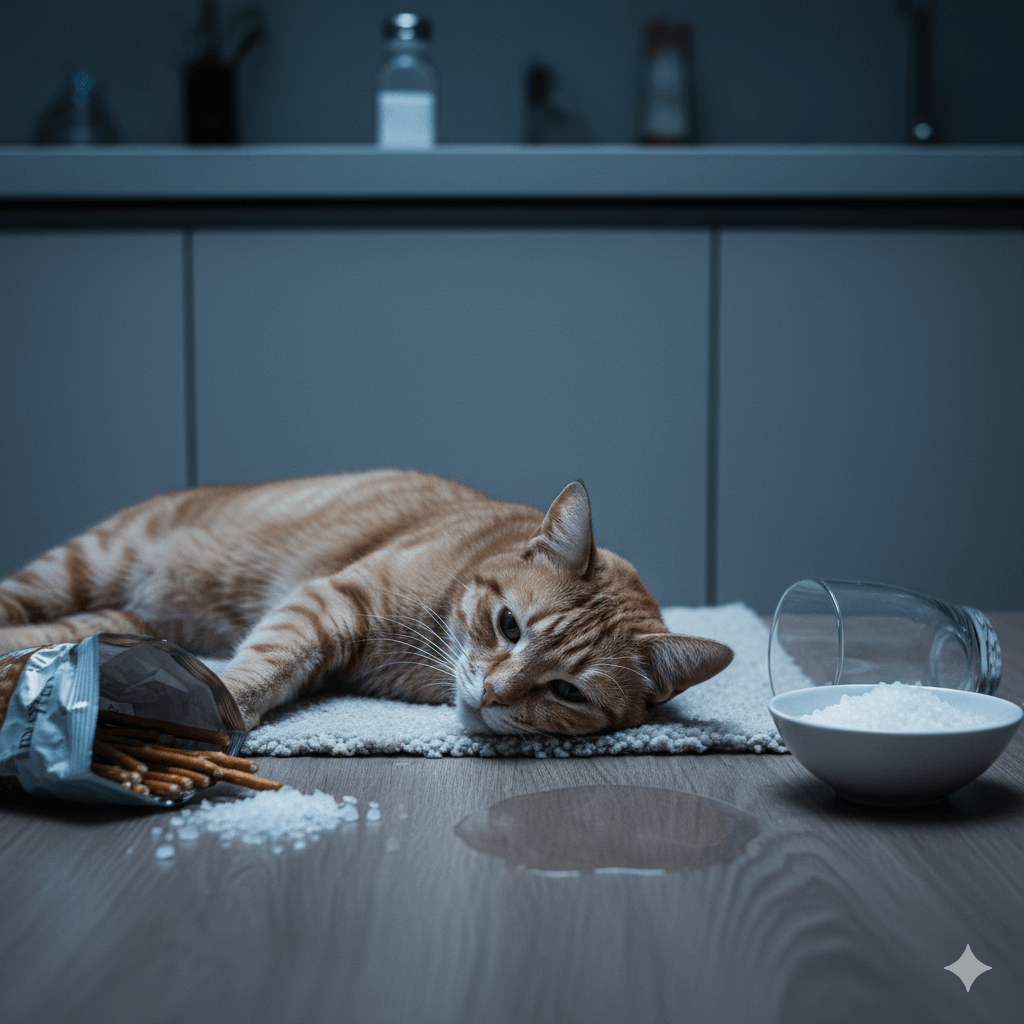
Symptoms of Salt Poisoning in Cats
Salt poisoning manifests through a range of symptoms, many of which escalate quickly if untreated. Recognizing these signs early allows you to intervene promptly and seek veterinary care before complications arise.
- Increased Thirst and Urination:
Excessive sodium draws water out of cells, causing dehydration and prompting your cat to drink more water than usual. Increased urination follows as their body attempts to restore balance. - Lethargy and Weakness:
High sodium levels disrupt cellular function, leading to fatigue and an inability to engage in normal activities. Your cat may appear unusually sluggish or uninterested in surroundings. - Neurological Symptoms:
Severe cases result in tremors, seizures, or disorientation due to swelling in the brain caused by osmotic imbalances. These symptoms indicate advanced toxicity requiring immediate attention. - Vomiting and Diarrhea:
Gastrointestinal distress is common as the body tries to expel excess sodium. Vomiting may be accompanied by diarrhea, further exacerbating dehydration risks. - Loss of Appetite:
Nausea and discomfort make eating unappealing. Prolonged refusal to eat worsens overall health and delays recovery from sodium imbalance.
Monitoring these symptoms closely ensures timely intervention. If you notice any combination of these signs, contact your veterinarian immediately to address potential salt poisoning.
Check this guide 👉Cat Cyanide Poisoning Symptoms: Best 7 Expert Tips!
Check this guide 👉Antifreeze Poisoning in Cats: Best 7 Expert Tips!
Check this guide 👉Signs of Plant Poisoning in Cats: Best 7 Expert Tips!
Lorem ipsum dolor sit amet, consectetur adipiscing elit. Ut elit tellus, luctus nec ullamcorper mattis, pulvinar dapibus leo.
Immediate First Aid Steps for Salt Poisoning
If you suspect your cat has ingested excessive salt, quick action can mitigate damage and stabilize their condition until professional help arrives. Follow these steps carefully to minimize risks and provide comfort.
- Do Not Induce Vomiting Without Advice:
Forcing vomiting can worsen dehydration or cause aspiration pneumonia unless explicitly instructed by a vet. Always consult a professional first. - Provide Fresh Water Gradually:
Offer small amounts of fresh water frequently to rehydrate your cat slowly. Rapid rehydration can shock the system; moderation is key. - Monitor Behavior Closely:
Observe changes in energy levels, coordination, or breathing patterns. Document these details to share with your vet for accurate diagnosis. - Call a Pet Poison Helpline:
Experts on poison hotlines provide tailored guidance based on your cat’s weight, breed, and estimated sodium intake. Keep packaging or product details handy for reference. - Prepare for Emergency Care:
Bring your cat to the vet immediately if symptoms worsen. Transport them calmly to avoid stress, which could exacerbate neurological issues.
These steps bridge the gap between discovery and treatment, giving your cat the best chance at recovery.
Diagnosis and Treatment at the Vet
Veterinarians use a combination of clinical evaluation and diagnostic tools to confirm salt poisoning and develop a treatment plan. Early intervention improves outcomes significantly.
- Physical Examination:
The vet assesses hydration status, gum color, heart rate, and neurological responses to gauge severity. Symptoms like tremors or seizures signal advanced toxicity. - Blood Tests and Urinalysis:
Laboratory tests measure sodium levels, kidney function, and electrolyte balance. Elevated sodium confirms hypernatremia and guides treatment decisions. - IV Fluid Therapy:
Intravenous fluids gradually lower sodium levels and restore hydration. Rapid correction risks cerebral edema, so controlled administration is critical. - Monitoring Neurological Status:
Continuous observation ensures no secondary complications arise. Seizures or coma require immediate intervention to stabilize the brain. - Hospitalization for Severe Cases:
Prolonged care ensures gradual recovery and addresses lingering effects of dehydration or organ stress.
Modern veterinary techniques offer excellent chances of full recovery with timely treatment.
Long-Term Effects of Salt Poisoning
Even with prompt treatment, some cats experience lingering effects from salt poisoning. Understanding these possibilities prepares you for ongoing management needs.
- Chronic Kidney Issues:
Dehydration and sodium imbalance strain kidneys, potentially leading to long-term dysfunction requiring regular monitoring. - Neurological Damage:
Severe cases may result in permanent brain injuries, affecting mobility, behavior, or cognitive function. Rehabilitation therapy supports recovery. - Behavioral Changes:
Some cats become more anxious or cautious after traumatic health episodes. Patience and reassurance help rebuild trust. - Heightened Sensitivity to Sodium:
Future exposure to even small amounts of salt poses greater risks. Strict dietary control becomes mandatory. - Increased Veterinary Visits:
Regular check-ups ensure early detection of complications or underlying conditions stemming from salt poisoning.
Proactive care minimizes long-term impacts, allowing your cat to thrive despite past challenges.
Preventing Future Salt Poisoning Incidents
Prevention is the most effective way to protect your cat from salt poisoning. Simple precautions reduce risks and create a safer environment for your feline friend.
- Secure Hazardous Substances:
Store salty foods, cleaning products, and de-icing salts out of reach in pet-proof containers. - Educate Family Members:
Ensure everyone understands which items are unsafe for cats to consume or interact with. - Avoid Feeding Table Scraps:
Many human foods contain hidden sodium; stick to species-appropriate diets instead. - Use Pet-Safe Alternatives:
Opt for pet-friendly cleaning agents and de-icing products during winter months. - Train “Leave It” Commands:
Teaching this command prevents your cat from investigating dropped or unknown items.
These measures safeguard your cat’s health and promote a worry-free household.
Special Considerations for High-Risk Cats
Certain cats face heightened susceptibility to salt poisoning due to age, breed, or preexisting conditions. Extra caution ensures their safety and well-being.
- Kittens and Senior Cats:
Younger and older cats have weaker systems, making them more vulnerable to sodium imbalances and dehydration. - Brachycephalic Breeds:
Flat-faced cats like Persians struggle with respiratory distress, which worsens during salt poisoning episodes. - Cats with Kidney Disease:
Preexisting renal issues compound the effects of sodium overload, necessitating tailored prevention strategies. - Outdoor Cats:
Exposure to road salts or other environmental hazards increases poisoning risks for adventurous outdoor felines. - Curious or Food-Motivated Cats:
Some cats are naturally inquisitive or prone to scavenging, requiring closer supervision around potential toxins.
Understanding breed-specific nuances allows for targeted prevention and informed responses during emergencies.
“Salt poisoning in dogs and cats results in signs of vomiting, diarrhea, decreased appetite, lethargy, incoordination, excessive thirst or urination. In severe cases, tremors, seizures, coma, and even death are possible.”
– petpoisonhelpline
Frequently Asked Questions About Salt Poisoning in Cats
What should I do if my cat eats something salty?
Remove the item immediately, monitor your cat for symptoms like excessive thirst or lethargy, and contact your vet for advice on next steps.
How much salt is toxic to cats?
Even small amounts, such as a teaspoon of salt, can be dangerous depending on your cat’s size and overall health. Always err on the side of caution.
Can salt poisoning be fatal?
Yes, severe cases can lead to seizures, coma, or death if untreated. Early intervention significantly improves survival chances.
Are certain foods more likely to cause salt poisoning?
Foods like chips, pretzels, processed meats, and salty snacks pose the highest risks due to their concentrated sodium content.
How long does it take for symptoms to appear?
Symptoms typically emerge within hours but may take up to 24 hours in milder cases. Delayed onset makes early detection challenging.
A Lifeline in Every Moment of Crisis
Salt poisoning in cats is a frightening experience, but understanding its causes, symptoms, and treatments empowers you to act swiftly and decisively. By recognizing potential hazards in your home and taking preventive measures, you create a safer environment for your feline companion. Remember, your quick thinking and calm response can make all the difference in protecting your cat from this life-threatening condition. With proper care and vigilance, you ensure that even accidental exposures don’t jeopardize the bond you share with your beloved pet. Together, let’s keep our furry friends safe, healthy, and thriving.

Is Rawhide Bad for Cats? Best 7 Expert Tips! – Discover the risks, safe alternatives, and expert advice to keep your feline friend healthy and happy.

Is Rawhide Bad for Dogs? Best 7 Expert Tips! – Discover the risks, benefits, and safer alternatives to rawhides for your dog’s chewing needs.

Understanding Anorexia in Cats: Best 7 Expert Tips! – Learn why cats stop eating, spot warning signs, and discover how to help your feline regain appetite safely.

Understanding Anorexia in Dogs: Best 7 Expert Tips! – Learn causes, symptoms, and solutions to help your dog regain appetite and stay healthy.