

Salmonella Infection Symptoms in Dogs: Best 7 Expert Tips!

Salmonella Infection Symptoms in Dogs: Best 7 Expert Tips!

Recognizing Salmonella Infection Symptoms in Dogs

Salmonella infections in dogs, though uncommon, can lead to serious health issues if left untreated. This bacterial infection often stems from contaminated food or water and affects the gastrointestinal tract. Spotting the symptoms early is crucial for timely veterinary care and preventing complications.

Common Symptoms of Salmonella Infection in Dogs

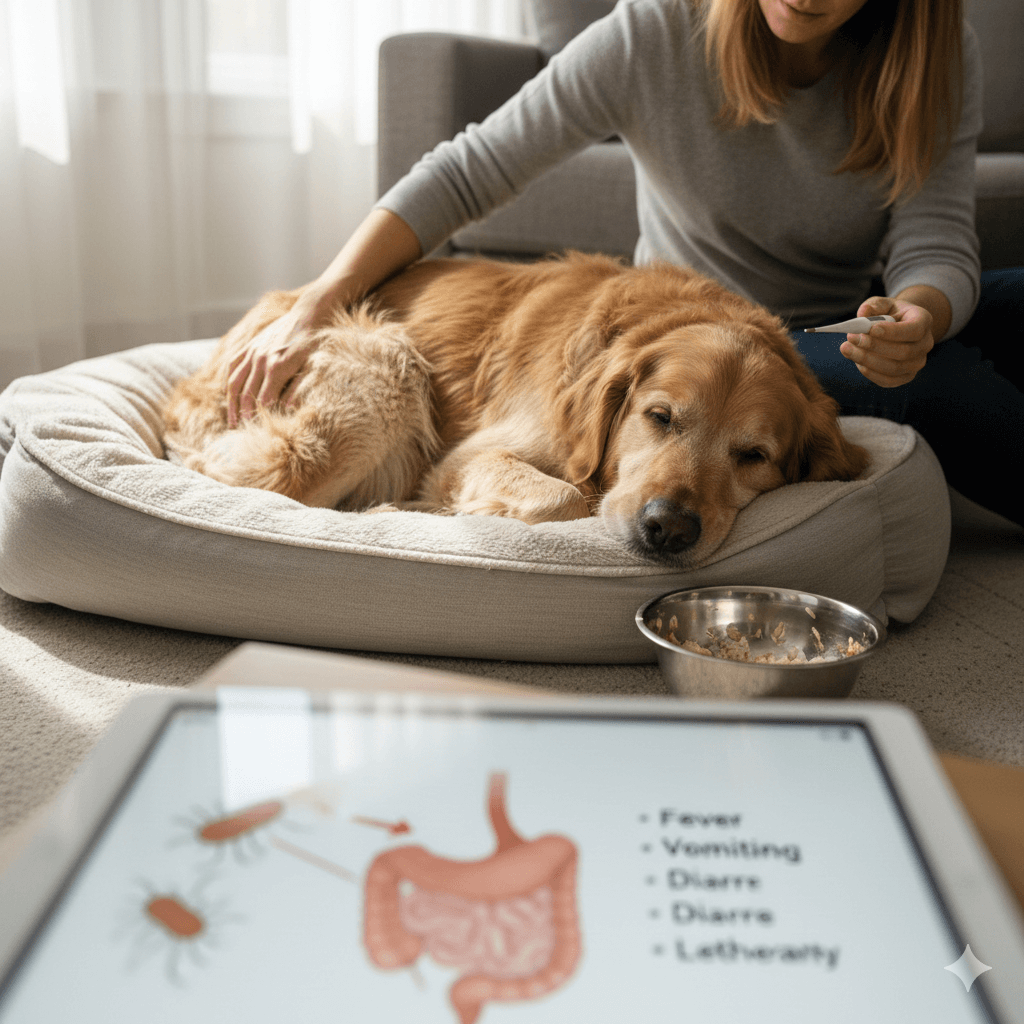
Salmonella infections in dogs can manifest through a range of symptoms, primarily affecting the gastrointestinal system. These signs often appear within 6 to 72 hours after exposure to the bacteria and vary in severity depending on your dog’s immune system and overall health. Early recognition of these symptoms is vital for prompt treatment and recovery.
 
  • Diarrhea (Often Bloody):
    Frequent loose stools are one of the hallmark signs of salmonella infection; blood or mucus may be present due to intestinal inflammation.
     
  • Vomiting and Nausea:
    Dogs with salmonella often vomit repeatedly, sometimes expelling bile or undigested food as their stomach tries to rid itself of toxins.
     
  • Lethargy and Weakness:
    The infection can cause extreme fatigue, leaving your dog unwilling to engage in normal activities like playing, walking, or eating.
     
  • Loss of Appetite:
    A sudden refusal to eat meals or treats they normally enjoy signals digestive distress and systemic illness caused by salmonella.
     
  • Fever or Subnormal Temperature:
    An elevated body temperature above 103°F (39.4°C) or unusually low temperature below 99°F (37.2°C) indicates a severe immune response to the infection.
 
These symptoms often overlap with other illnesses, so veterinary testing is essential to confirm salmonella as the underlying cause.
Salmonella Infection Symptoms in Dogs: Best 7 Expert Tips!

How Salmonella Infects Dogs

Salmonella bacteria thrive in contaminated environments and enter a dog’s system through ingestion or contact with infected materials. Understanding how dogs contract this infection helps you take preventive measures and minimize risks.
 
  • Contaminated Food or Water:
    Raw diets, undercooked meats, or water sources exposed to fecal matter are common entry points for salmonella bacteria.
     
  • Exposure to Infected Animals:
    Direct contact with infected dogs, livestock, or wildlife increases the likelihood of transmission through saliva, feces, or shared spaces.
     
  • Contact with Contaminated Surfaces:
    Items like food bowls, toys, or bedding that harbor salmonella bacteria pose risks if not cleaned regularly.
     
  • Ingestion of Feces:
    Dogs prone to coprophagia (eating feces) may ingest salmonella from contaminated stool, especially in multi-pet households.
     
  • Environmental Exposure:
    Soil, ponds, or areas frequented by wildlife can harbor salmonella, particularly in rural or outdoor settings.
 
By identifying potential sources of contamination, you can reduce your dog’s exposure and create a safer living environment.
Early Warning Signs Preventive Measures
Diarrhea (often bloody) Avoid feeding raw meat or eggs
Vomiting and nausea Wash food bowls daily with hot water
Lethargy or weakness Keep your dog away from wildlife droppings
Fever or low body temperature Practice good hygiene after handling pets
Loss of appetite Schedule regular vet check-ups

Diagnosing Salmonella Infections in Dogs

Veterinarians rely on clinical evaluations and diagnostic tests to confirm salmonella infections in dogs. Accurate diagnosis ensures appropriate treatment and prevents mismanagement of symptoms.
 
  • Physical Examination:
    The vet checks for dehydration, abdominal tenderness, gum color, and overall demeanor to assess the severity of the infection.
     
  • Fecal Culture Testing:
    A stool sample is analyzed in a lab to detect salmonella bacteria, providing definitive proof of infection.
     
  • Blood Tests:
    Complete blood counts and serum chemistry panels reveal anemia, elevated white blood cells, or organ dysfunction linked to salmonella.
     
  • Urine Analysis:
    Urinalysis helps rule out urinary tract infections or kidney damage caused by systemic bacterial spread.
     
  • Imaging Studies:
    X-rays or ultrasounds may be used to identify intestinal blockages, inflammation, or secondary complications like abscesses.
 
Proper diagnosis guides treatment decisions and ensures your dog receives the care they need to recover fully.

Treatment Options for Salmonella Infections

Treating salmonella infections requires a combination of supportive care and targeted interventions to eliminate the bacteria and restore your dog’s health. Veterinary guidance is critical throughout the process.
 
  • Antibiotic Therapy:
    Prescribed antibiotics like enrofloxacin or amoxicillin target salmonella bacteria, though overuse can lead to antibiotic resistance.
     
  • Fluid Therapy:
    Intravenous or subcutaneous fluids combat dehydration caused by vomiting and diarrhea, ensuring proper hydration and electrolyte balance.
     
  • Probiotic Supplementation:
    Beneficial bacteria help restore gut flora disrupted by salmonella and antibiotic use, promoting faster recovery.
     
  • Anti-Nausea Medications:
    Drugs like maropitant (Cerenia) alleviate nausea and vomiting, improving appetite and comfort during recovery.
     
  • Nutritional Support:
    A bland diet of boiled chicken and rice or prescription gastrointestinal food aids digestion while avoiding further irritation.
 
With timely and comprehensive treatment, most dogs recover fully from salmonella infections within days to weeks.

Preventing Salmonella Infections in Dogs

Prevention is key to protecting your dog from salmonella infections. Simple hygiene practices and dietary choices significantly reduce the risk of exposure.
 
  • Avoid Raw Diets:
    Feeding raw meat increases salmonella risks; opt for high-quality, commercially prepared dog foods instead.
     
  • Clean Food and Water Bowls Regularly:
    Wash bowls daily with hot, soapy water and disinfect them weekly to prevent bacterial buildup.
     
  • Practice Good Hygiene:
    Wash hands thoroughly after handling pet food, cleaning up feces, or interacting with animals in high-risk environments.
     
  • Limit Exposure to Wildlife:
    Restrict access to ponds, soil, or areas where wildlife may have left contaminated droppings.
     
  • Regular Veterinary Check-Ups:
    Routine exams ensure early detection of underlying conditions that could weaken your dog’s immune system.
 
Consistent preventive measures safeguard your dog’s health and minimize salmonella risks in everyday life.

Long-Term Effects of Salmonella Infections

While most dogs recover fully from salmonella infections, some cases result in lingering effects that require ongoing management. Understanding these possibilities prepares you for long-term care needs.
 
  • Chronic Gastrointestinal Issues:
    Persistent diarrhea, vomiting, or irritable bowel syndrome may develop due to prolonged intestinal inflammation.
     
  • Weakened Immune System:
    Severe infections compromise immune function, making dogs more susceptible to future illnesses or infections.
     
  • Organ Damage:
    Kidneys, liver, or other organs may suffer lasting harm if salmonella spreads systemically during severe cases.
     
  • Behavioral Changes:
    Some dogs become anxious or withdrawn after experiencing pain and discomfort from salmonella poisoning.
     
  • Increased Veterinary Costs:
    Long-term monitoring and treatments add financial strain, emphasizing the importance of prevention.
 
Early intervention and consistent follow-up care mitigate long-term impacts, helping your dog return to optimal health.

Special Considerations for High-Risk Dogs

Certain dogs are more vulnerable to salmonella infections due to age, breed, or underlying health conditions. Extra precautions are necessary to protect these at-risk groups.
 
  • Puppies Under Six Months:
    Immature immune systems make young dogs highly susceptible to severe salmonella infections requiring urgent care.
     
  • Senior Dogs:
    Older dogs with weakened immunity or preexisting conditions struggle to fight off salmonella effectively.
     
  • Brachycephalic Breeds:
    Flat-faced breeds like Bulldogs or Pugs face higher risks of respiratory complications during systemic infections.
     
  • Dogs with Chronic Illnesses:
    Diabetes, cancer, or autoimmune diseases impair the body’s ability to combat salmonella bacteria.
     
  • Small or Toy Breeds:
    Tiny dogs lose fluids quickly, making dehydration and shock more likely during severe salmonella episodes.
 
Understanding breed-specific vulnerabilities allows for tailored prevention and swift responses during emergencies.

Frequently Asked Questions About Salmonella Infections in Dogs

What should I do if I suspect my dog has salmonella?

Contact your veterinarian immediately for advice; avoid self-treatment, as improper care can worsen the condition.

Yes, salmonella is zoonotic, meaning it can spread from dogs to humans through contact with feces or contaminated surfaces.

Most dogs recover within 7–10 days with proper treatment, though severe cases may take longer to resolve fully.

Yes, infected dogs can spread salmonella to other pets through direct contact or shared items like food bowls and toys.

Cooked diets are safer for dogs, as raw foods carry a higher risk of salmonella contamination. Always discuss dietary changes with your vet.

A Lifeline in Every Moment of Crisis

Salmonella infections in dogs can be alarming, but early recognition and prompt veterinary care make all the difference. By understanding the symptoms, risks, and preventive measures, you empower yourself to protect your furry companion from this potentially serious illness. Remember, prevention is always better than cure—simple hygiene practices and mindful dietary choices go a long way in safeguarding your dog’s health. With vigilance, compassion, and informed decisions, you ensure your dog lives a happy, healthy life by your side.
Pemphigus Erythematosus in Cats: Best 7 Expert Tips!

Pemphigus Erythematosus in Cats: Best 7 Expert Tips! – Learn to recognize symptoms, manage flare-ups, and improve your cat’s quality of life.

Pemphigus Erythematosus in Dogs: Best 7 Expert Tips!

Pemphigus Erythematosus in Dogs: Best 7 Expert Tips! – Discover causes, symptoms, and treatment options to manage this autoimmune skin condition effectively.

Cat Tympanic Membrane: Best 7 Expert Tips!

Cat Tympanic Membrane: Best 7 Expert Tips! – Learn how to protect your cat’s eardrum, spot issues early, and ensure lifelong auditory health.

Dog Tympanic Membrane: Best 7 Expert Tips!

Dog Tympanic Membrane: Best 7 Expert Tips! – Learn how to protect your dog’s eardrum, spot issues early, and ensure lifelong ear health with expert advice.

Leave a Reply

Your email address will not be published. Required fields are marked *

Post Category


