
Understanding Rhodesian Ridgeback Size: A Comprehensive Overview
Physical Characteristics of the Rhodesian Ridgeback
- Height and Proportion:
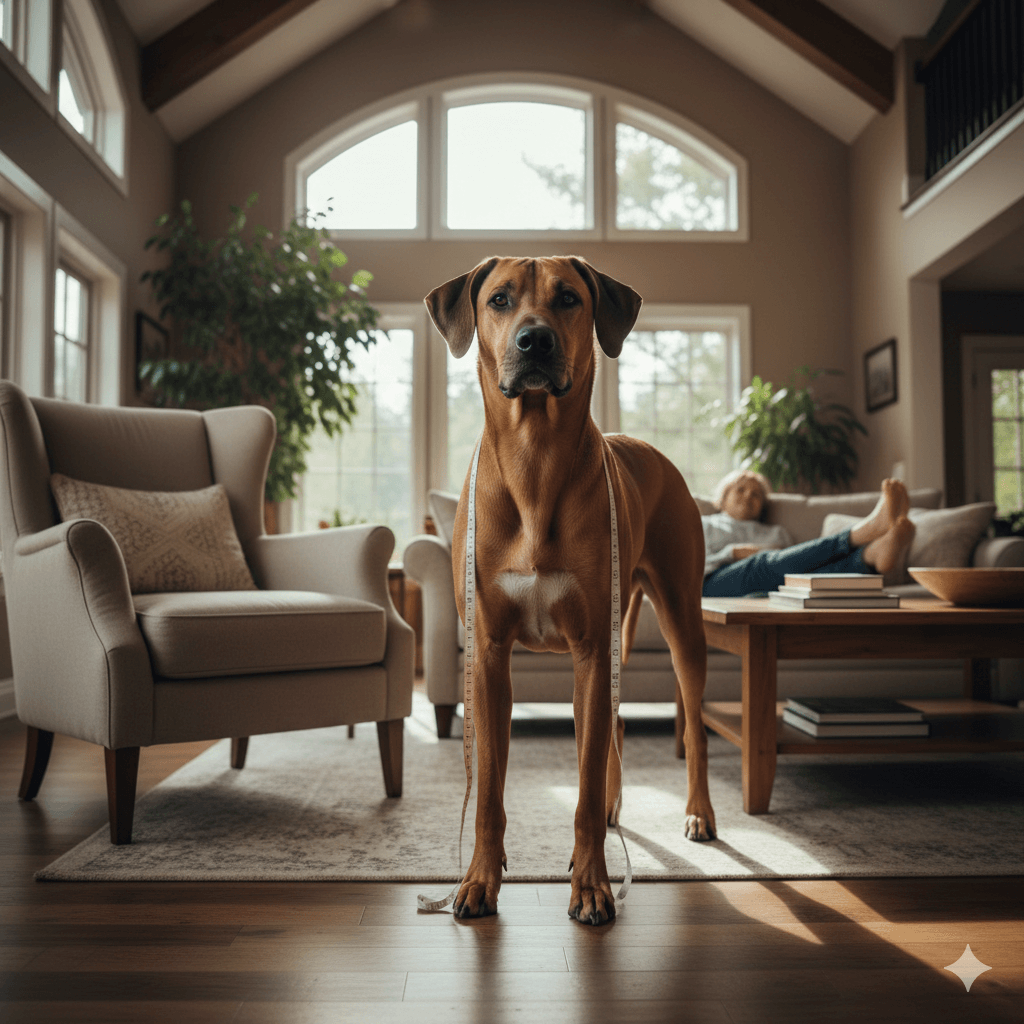
Male Rhodesian Ridgebacks typically stand between 25 to 27 inches (63–69 cm) at the shoulder, while females range from 24 to 26 inches (61–66 cm). Their height-to-length ratio gives them a balanced, rectangular silhouette. - Weight Range by Gender:
Males weigh between 80 to 90 pounds (36–41 kg), whereas females are slightly lighter, weighing 65 to 75 pounds (29–34 kg). This weight difference reflects their roles as hunters and protectors in historical contexts. - Muscular Build:
Their powerful muscles allow them to run long distances at high speeds, a trait inherited from their origins as lion hunters in Africa. The Ridgeback’s lean yet robust frame supports endurance and agility. - Distinctive Ridge on the Back:
The hallmark feature of this breed is the ridge of hair growing backward along their spine. This ridge does not affect size but accentuates their athletic appearance and symmetry. - Coat and Color Variations:
Their short, dense coat comes in a light wheaten to red wheaten color, complementing their muscular physique. While the coat doesn’t impact size directly, it enhances their sleek, streamlined look.
Growth Stages of a Rhodesian Ridgeback Puppy
- Newborn Stage (0–3 Months):
At birth, Ridgeback puppies weigh around 1 pound (0.45 kg) and double their size within weeks. During this stage, they rely entirely on their mother’s milk for nourishment and rapid early growth. - Juvenile Phase (4–6 Months):
By four months, puppies weigh approximately 30–40 pounds (14–18 kg) and begin transitioning to solid food. Their energy levels increase significantly, requiring controlled playtime to prevent overexertion. - Adolescent Phase (7–12 Months):
Between seven and twelve months, Ridgebacks continue gaining height and weight, often reaching 70% of their adult size. This phase is critical for bone and muscle development, so calcium-rich diets are recommended. - Young Adult Phase (12–18 Months):
Most Ridgebacks reach their full height by one year, though they may continue filling out and gaining muscle mass until 18 months. Proper training ensures they adapt well to their larger bodies. - Mature Phase (18+ Months):
Once fully grown, Ridgebacks settle into their adult size and maintain it throughout their lifespan. Regular veterinary check-ups help monitor joint health and overall fitness.
Check this guide 👉Rhodesian Ridgeback Dog Temperament: Best 7 Expert Tips!
Check this guide 👉Rhodesian Ridgeback Boerboel Mix: Best 7 Expert Tips!
Check this guide 👉Rhodesian Ridgeback Dalmatian Mix: Best 7 Expert Tips!
Key Traits of Rhodesian Ridgebacks | Comparison to Other Large Breeds |
|---|---|
Height: 25–27 inches (males), 24–26 inches (females) | Taller than Boxers but shorter than Great Danes |
Weight: 80–90 lbs (males), 65–75 lbs (females) | Leaner than Labs, stockier than Vizslas |
Lifespan: 10–12 years | Longer-lived than some giant breeds like Mastiffs |
Activity Level: High-energy, requires daily exercise | More agile than Saint Bernards, less bulky than Newfoundlands |
Temperament: Loyal, gentle, protective | Calmer indoors than Huskies, more independent than Golden Retrievers |
Factors Influencing Rhodesian Ridgeback Size
- Genetic Inheritance:
A puppy inherits its size potential from its parents; larger parents tend to produce larger offspring. Responsible breeders select mates based on desired traits, including ideal size. - Nutrition During Growth:
High-quality protein, balanced fats, and essential vitamins support healthy growth. Overfeeding can lead to excessive weight gain, which strains developing joints and bones. - Exercise Levels:
Moderate exercise strengthens muscles and promotes proper skeletal alignment. Excessive activity before maturity, however, risks stunted growth or injury. - Health Conditions:
Certain illnesses, such as hypothyroidism or growth plate disorders, can hinder optimal growth. Early detection through routine vet visits mitigates these risks. - Living Environment:
Dogs raised in spacious environments with ample room to move often develop stronger muscles compared to those confined to small spaces.
Ideal Weight Management for Rhodesian Ridgebacks
- Balanced Diet Plan:
Feed your Ridgeback high-protein, low-carb kibble designed for large breeds. Portion control prevents overeating while meeting nutritional needs. - Daily Exercise Routine:
Engage your Ridgeback in activities like jogging, hiking, or agility training to burn excess calories and maintain muscle tone. Aim for at least 60 minutes of exercise daily. - Avoid Table Scraps:
Human foods are calorie-dense and lack the nutrients Ridgebacks need. Feeding scraps encourages weight gain and disrupts dietary balance. - Regular Weigh-Ins:
Weigh your dog monthly to track fluctuations. A sudden increase or decrease signals underlying health issues requiring veterinary attention. - Consult Your Vet:
Veterinarians can recommend tailored meal plans and supplements to keep your Ridgeback at a healthy weight throughout its life.
Comparing Rhodesian Ridgebacks to Other Large Breeds
- Labrador Retriever:
Labs are similar in height but tend to be stockier, with males weighing up to 80 pounds (36 kg). They have shorter lifespans compared to Ridgebacks. - German Shepherd:
German Shepherds are slightly taller than Ridgebacks, standing up to 26 inches (66 cm), but their build is more angular and less muscular. - Boxer:
Boxers are medium-large dogs, averaging 21–25 inches (53–64 cm) tall. Their compact size makes them better suited for smaller homes than Ridgebacks. - Great Dane:
Great Danes dwarf Ridgebacks in both height (up to 32 inches/81 cm) and weight (up to 175 pounds/79 kg), requiring significantly more space and resources. - Vizsla:
Vizslas share the Ridgeback’s lean build and athleticism but are smaller, standing 21–24 inches (53–61 cm) tall and weighing 45–65 pounds (20–29 kg).
Common Myths About Rhodesian Ridgeback Size
- Myth: Ridgebacks Are Too Big for Apartments:
While Ridgebacks are large, their calm demeanor indoors makes them adaptable to apartment living if given sufficient daily exercise. - Myth: Larger Dogs Mean Higher Aggression Levels:
Despite their imposing size, Ridgebacks are gentle giants known for their loyalty and patience, especially with children. - Myth: Ridgebacks Grow Quickly Without Issues:
Rapid growth increases the risk of joint problems like hip dysplasia, so careful monitoring during puppyhood is essential. - Myth: All Ridgebacks Are the Same Size:
Individual variation exists due to genetics, gender, and regional breeding standards, resulting in slight differences in size. - Myth: Ridgebacks Don’t Need Much Space Indoors:
Even though they’re not overly demanding, Ridgebacks still require enough room to stretch out comfortably, particularly when resting.
How Size Impacts Care Requirements for Rhodesian Ridgebacks
- Space Considerations:
Ridgebacks thrive in homes with yards where they can roam freely. Small apartments may feel cramped unless ample outdoor time is provided. - Grooming Needs:
Their short coats require minimal grooming, but their size means shedding can spread quickly. Regular brushing keeps loose fur under control. - Transportation Challenges:
Due to their size, transporting Ridgebacks in cars or planes requires proper equipment, such as reinforced crates or harnesses. - Feeding Costs:
Large breeds consume more food, so budgeting for premium kibble and occasional treats is necessary to meet their caloric demands. - Training and Socialization:
Their imposing size necessitates early obedience training to prevent behaviors like jumping or pulling on leashes, which could harm others.
“Size: Large. Height: Males – 25 to 27 inches, Females – 24 to 26 inches. Weight: Males – 85 pounds, Females – 70 pounds.”
– Purina
Frequently Asked Questions About Rhodesian Ridgeback Size
What is the average height of a Rhodesian Ridgeback?
Male Ridgebacks typically stand 25–27 inches (63–69 cm) tall, while females are slightly smaller at 24–26 inches (61–66 cm).
How much does a Rhodesian Ridgeback weigh?
Males usually weigh between 80–90 pounds (36–41 kg), and females range from 65–75 pounds (29–34 kg).
When do Rhodesian Ridgebacks stop growing?
Most Ridgebacks reach their full height by 12–18 months but may continue filling out in muscle mass until they are about two years old.
Are Rhodesian Ridgebacks too big for apartments?
While they are large dogs, their calm indoor demeanor makes them adaptable to apartment living if given sufficient exercise and space.
Do male or female Ridgebacks make better pets based on size?
Both genders are equally suited as pets; the choice depends on your preference for size and temperament rather than practicality.
A Perfect Fit: Living with a Rhodesian Ridgeback

Is Rawhide Bad for Cats? Best 7 Expert Tips! – Discover the risks, safe alternatives, and expert advice to keep your feline friend healthy and happy.

Is Rawhide Bad for Dogs? Best 7 Expert Tips! – Discover the risks, benefits, and safer alternatives to rawhides for your dog’s chewing needs.

Understanding Anorexia in Cats: Best 7 Expert Tips! – Learn why cats stop eating, spot warning signs, and discover how to help your feline regain appetite safely.

Understanding Anorexia in Dogs: Best 7 Expert Tips! – Learn causes, symptoms, and solutions to help your dog regain appetite and stay healthy.