


Rat Hunting Dogs: Best 7 Expert Tips!

Rat Hunting Dogs: Best 7 Expert Tips!

Rat Hunting Dogs: The Unsung Heroes of Pest Control


When it comes to pest control, rat hunting dogs have been trusted companions for centuries. These skilled canines combine their natural instincts with impressive training to help manage rodent populations in homes, farms, and urban areas. From their sharp sense of smell to their relentless determination, rat hunting dogs are uniquely suited for the task. But what makes these dogs so effective at hunting rats? And how do you choose the right breed for the job?

In this blog post, we’ll explore the world of rat hunting dogs, uncover their unique traits, and provide practical tips for working with these remarkable animals. Whether you’re dealing with a rat problem or simply fascinated by working dogs, this guide will shed light on their invaluable contributions.

Top Breeds Known for Rat Hunting


Not all dogs are created equal when it comes to rat hunting. Certain breeds stand out for their agility, intelligence, and strong prey drive, making them ideal for this type of work. Below are some of the most popular rat hunting dog breeds:

 
  • Jack Russell Terrier : Known for their boundless energy and fearless nature

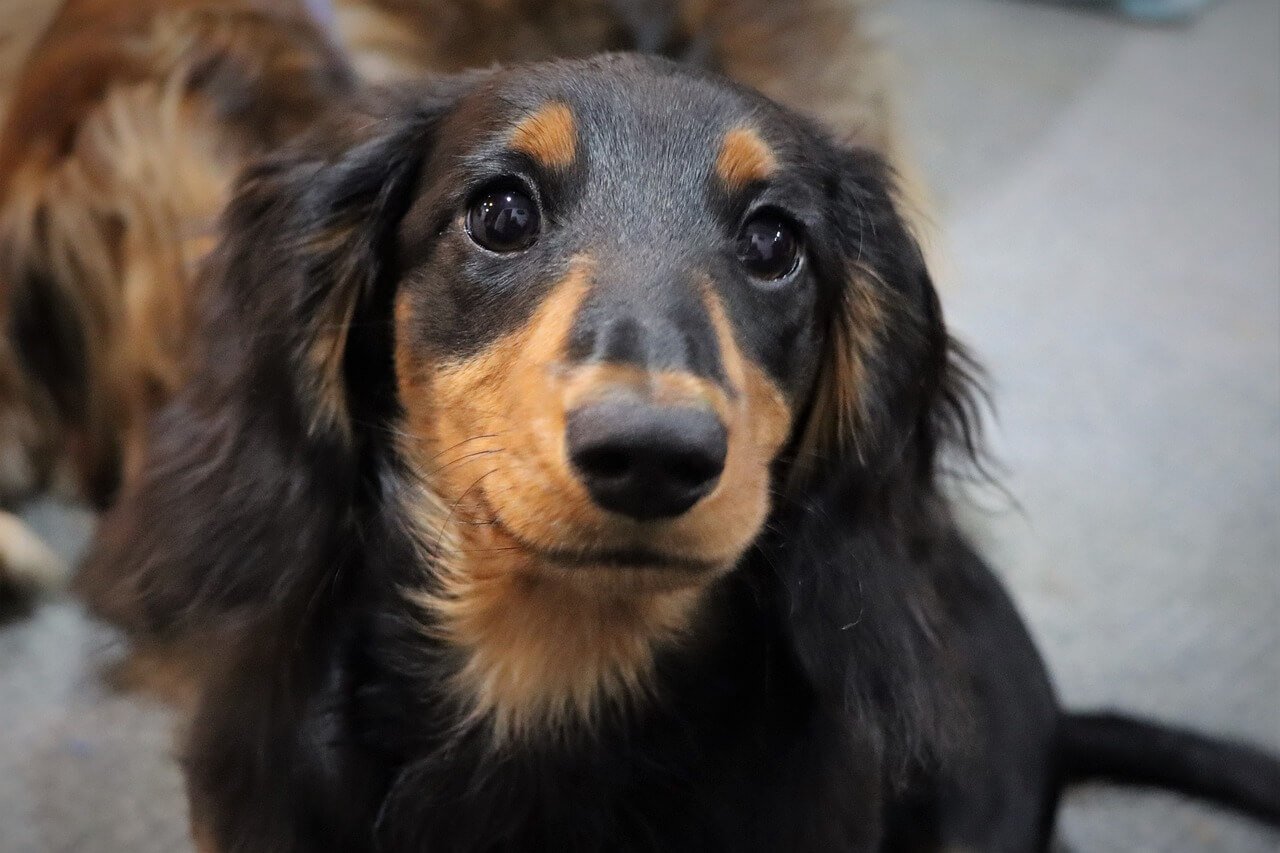
  • Dachshund : Their long bodies and keen sense of smell make them excellent hunters

  • Rat Terrier : Specifically bred for vermin control, they’re quick and efficient

  • Border Terrier : Agile and determined, they excel in tight spaces

  • Yorkshire Terrier : Small but mighty, they were originally bred to catch rats in mills


Each of these breeds brings something unique to the table, but all share a natural instinct for hunting rodents. Choosing the right breed depends on your specific needs and environment.


Key Traits of Effective Rat Hunting Dogs


What sets rat hunting dogs apart from other working dogs? These traits are essential for success in the field and contribute to their effectiveness as pest controllers. Here’s what to look for in a rat hunting dog:

 
  • Exceptional sense of smell to track and locate rats

  • High energy levels to sustain prolonged activity

  • Fearlessness when confronting larger or aggressive rodents

  • Intelligence to learn commands and adapt to different environments

  • Compact size for maneuvering in tight spaces like barns or crawl spaces


These qualities ensure that rat hunting dogs can perform their duties efficiently and safely. When combined with proper training, these traits make them indispensable allies in pest control.

Rat Hunting Dogs: Best 7 Expert Tips!
Advantages of Using Rat Hunting Dogs
Challenges to Consider
Environmentally friendly alternative to poisons
Requires time and effort to train effectively
Can access hard-to-reach areas easily
Not all dogs are suited for rat hunting
Provides long-term pest control solutions
May need ongoing supervision during hunts
Builds a strong bond between owner and dog
Some dogs may get injured during confrontations
Cost-effective compared to professional exterminators
Noise or disruption during hunts

Training Tips for Rat Hunting Dogs


Training a rat hunting dog requires patience, consistency, and a clear understanding of their instincts. Proper preparation ensures they’re ready to tackle the task while staying safe. Here are some tips to guide you through the process:

 
  • Start with basic obedience training to establish control and trust

  • Introduce scent training using rat-scented objects or live rats in a controlled setting

  • Gradually expose your dog to different environments like barns, basements, or fields

  • Reward successful hunts with treats or praise to reinforce positive behavior

  • Monitor your dog closely during early hunts to prevent injuries


With the right training, your dog will develop the skills and confidence needed to become an effective rat hunter. Remember, progress takes time, so celebrate small victories along the way.

Safety Precautions for Rat Hunting Dogs


While rat hunting dogs are incredibly skilled, their work can sometimes put them at risk. Taking precautions ensures their safety and well-being during hunts. Here are some important measures to consider:

 
  • Inspect hunting areas for hazards like sharp objects or toxic substances

  • Keep your dog’s vaccinations up to date to prevent disease transmission

  • Use protective gear like vests or boots if necessary

  • Avoid areas with aggressive or diseased rodents

  • Provide regular vet check-ups to monitor for any health issues


Prioritizing safety not only protects your dog but also ensures they can continue their work for years to come. A healthy dog is a happy and effective hunter.

Signs Your Dog Has a Natural Talent for Rat Hunting

Some dogs are born with an innate ability to hunt rats, and recognizing these signs can help you identify if your pup has the potential for this work. While training is essential, natural instincts play a significant role in determining success. Here are some indicators that your dog might be a natural rat hunter:

 
  • Shows intense interest in small animals or rodents

  • Frequently sniffs around corners, crevices, or other hiding spots

  • Exhibits a strong prey drive, such as chasing squirrels or birds

  • Displays persistence when focused on a task or target

  • Enjoys playing games that involve searching or retrieving


If your dog exhibits these behaviors, they may have the instincts needed for rat hunting. Encouraging and nurturing these traits through training can help them reach their full potential.

How to Maintain Your Rat Hunting Dog’s Health

A healthy dog is a successful hunter, and maintaining your rat hunting dog’s well-being is crucial for their performance. Regular care ensures they remain physically fit and mentally sharp for the demands of the job. Here are some tips to keep your dog in top condition:

 
  • Feed a balanced diet rich in protein to support muscle development

  • Provide plenty of exercise to maintain stamina and agility

  • Schedule routine grooming to prevent skin issues or parasites

  • Ensure they get enough rest between hunts to recover energy

  • Stay consistent with dental care to avoid infections or discomfort


By prioritizing your dog’s health, you’re not only extending their lifespan but also enhancing their effectiveness as a rat hunter. A happy, healthy dog is always ready to work.

Fun Ways to Bond with Your Rat Hunting Dog

Beyond pest control, rat hunting dogs thrive on companionship and interaction with their owners. Strengthening your bond through fun activities not only keeps them engaged but also reinforces their trust in you. Here are some enjoyable ways to connect with your rat hunting dog:

 
  • Play scent-based games like hide-and-seek with treats

  • Go on nature walks to explore new environments together

  • Practice obedience drills with rewards for motivation

  • Introduce agility courses to challenge their physical abilities

  • Spend quiet moments cuddling or grooming to build trust


Engaging in these activities creates a deeper connection between you and your dog, making them more responsive during hunts. A strong bond is the foundation of a successful partnership.

FAQ

Are rat hunting dogs suitable for indoor use?

Yes, many rat hunting dogs are small and agile, making them perfect for indoor pest control.


Training duration varies, but most dogs require several weeks to months of consistent practice.

While any dog can learn, breeds with a strong prey drive and high energy levels tend to excel.

Proper training and socialization minimize the risk of aggression toward other animals.

There are risks, such as bites or exposure to diseases, but these can be mitigated with precautions.

Conclusion: Celebrating the Role of Rat Hunting Dogs


Rat hunting dogs are more than just working animals—they’re intelligent, dedicated, and highly effective partners in pest control. From their unique traits to their unwavering determination, these dogs play a vital role in managing rodent populations safely and sustainably. By understanding their strengths, providing proper training, and prioritizing their safety, you can harness their natural talents to tackle even the toughest rat problems. Whether you’re a farmer, homeowner, or simply an admirer of working dogs, there’s no denying the invaluable contributions of rat hunting dogs. So next time you see one in action, take a moment to appreciate these incredible canine heroes.

 
Understanding Cryptosporidium in Cats: Best 7 Expert Tips!

Understanding Cryptosporidium in Cats: Best 7 Expert Tips! – Spot symptoms, treat safely, and stop parasite spread in your home.

Understanding Cryptosporidium in Dogs: Best 7 Expert Tips!

Understanding Cryptosporidium in Dogs: Best 7 Expert Tips! – Learn symptoms, treatment & prevention for this stubborn gut parasite.

Understanding Syringomyelia in Cats: Best 7 Expert Tips!

Understanding Syringomyelia in Cats: Best 7 Expert Tips! – Recognize signs, manage pain, and support your cat’s neurological health with vet-backed guidance.

Understanding Syringomyelia in Dogs: Best 7 Expert Tips!

Understanding Syringomyelia in Dogs: Best 7 Expert Tips! – Expert insights on symptoms, MRI diagnosis, pain management & quality of life.

Leave a Reply

Your email address will not be published. Required fields are marked *


