
Understanding Pustular Dermatitis in Cats
Pustular dermatitis is a skin condition characterized by the formation of pus-filled blisters, often causing discomfort and irritation for affected cats. This inflammatory response can result from infections, allergies, or underlying health issues, making it essential to identify the root cause promptly. With proper care and veterinary guidance, most cats recover fully, but early intervention is key to preventing complications.
Common Causes of Pustular Dermatitis in Cats
Pustular dermatitis in cats can arise from a variety of triggers, ranging from infections to environmental factors. Identifying the underlying cause is crucial for effective treatment and long-term management. Each potential trigger affects the skin differently, leading to inflammation and the formation of pus-filled lesions.
- Bacterial Infections:
Bacteria such as Staphylococcus are common culprits, often entering through minor wounds or scratches. These infections thrive in warm, moist environments, worsening the condition if left untreated. - Fungal Infections:
Ringworm or other fungal pathogens can irritate the skin, leading to pustules as the immune system attempts to combat the invasion. Fungal infections are highly contagious and require thorough cleaning of the environment. - Parasitic Infestations:
Fleas, mites, or lice cause intense itching, prompting cats to scratch excessively. This self-trauma damages the skin barrier, creating an entry point for secondary infections that result in pustular dermatitis. - Allergic Reactions:
Food allergies, environmental allergens (like pollen or dust), or flea saliva hypersensitivity can trigger an immune response, manifesting as inflamed, pus-filled lesions on the skin. - Underlying Health Conditions:
Immune-mediated diseases, hormonal imbalances, or systemic illnesses like diabetes weaken the skin’s defenses, making cats more susceptible to pustular dermatitis. Addressing these root causes is essential for complete recovery.
Understanding these causes helps guide diagnostic efforts and ensures targeted treatment plans that address both symptoms and underlying issues.
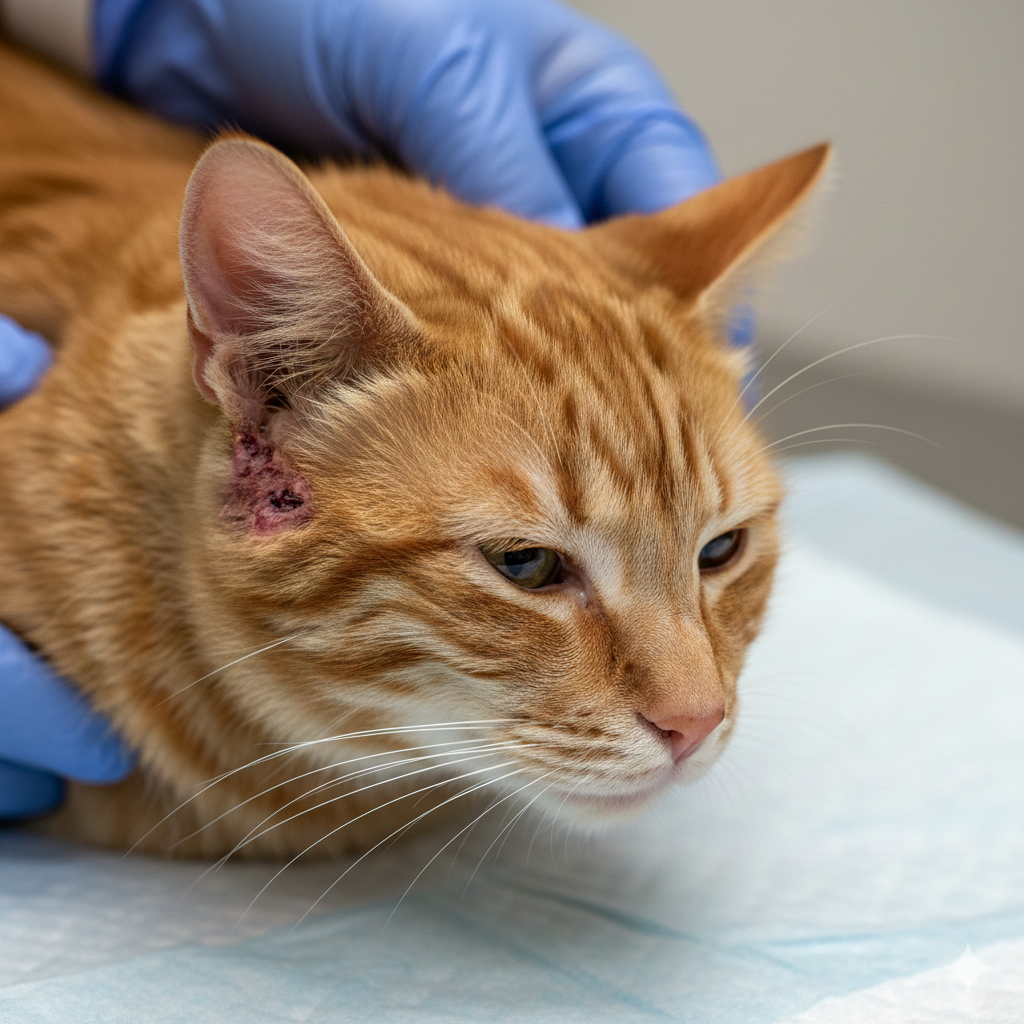
Symptoms of Pustular Dermatitis in Cats
Recognizing the symptoms of pustular dermatitis early allows for prompt intervention, preventing further discomfort and complications. These signs often appear suddenly and vary in severity depending on the underlying cause.
- Pus-Filled Blisters:
Small, raised blisters filled with yellowish or whitish pus are the hallmark of this condition. They may rupture, leading to crusting or scabbing on the affected areas. - Intense Itching and Scratching:
Cats frequently scratch, bite, or lick the irritated areas, exacerbating the condition and increasing the risk of secondary infections. - Hair Loss and Redness:
Inflamed skin often becomes red and swollen, accompanied by patchy hair loss due to constant irritation or self-trauma. - Unpleasant Odor:
Infected pustules emit a foul smell, especially if bacteria or fungi are involved. This odor can worsen as the infection progresses. - Lethargy and Behavioral Changes:
Chronic discomfort may cause cats to become less active, irritable, or withdrawn, indicating systemic distress beyond just skin-level issues.
Monitoring these symptoms closely and seeking veterinary care promptly ensures timely diagnosis and treatment, minimizing long-term effects.
Check this guide 👉Understanding Cat Skin Colors: Best 7 Expert Tips!
Check this guide 👉Siamese Cat Skin Problems: Best 7 Expert Tips!
Check this guide 👉Understanding Cat Skin Cancer: Best 7 Expert Tips!
| Potential Causes | Treatment Approaches |
|---|---|
| Bacterial infections (e.g., Staphylococcus) | Topical or oral antibiotics |
| Fungal infections (e.g., ringworm) | Antifungal shampoos or medications |
| Parasitic infestations (fleas, mites) | Flea prevention products, anti-mite treatments |
| Allergic reactions (food, environment) | Hypoallergenic diets, antihistamines |
| Underlying health conditions (diabetes, immune disorders) | Systemic treatments, immunomodulatory therapies |
Diagnosis Process for Pustular Dermatitis
Diagnosing pustular dermatitis involves a combination of physical examination, laboratory tests, and detailed history-taking to pinpoint the exact cause. This process ensures accurate treatment tailored to your cat’s specific needs.
- Physical Examination:
The vet inspects the skin for visible signs of pustules, redness, or hair loss, noting patterns and locations to identify potential triggers. - Skin Scrapings and Cytology:
Samples of skin cells or pus are examined under a microscope to detect bacteria, fungi, or parasites responsible for the condition. - Culture and Sensitivity Tests:
If bacterial infection is suspected, cultures determine the specific strain and its antibiotic sensitivity, guiding effective treatment choices. - Allergy Testing:
Intradermal or blood tests help identify allergens contributing to the dermatitis, enabling avoidance strategies or immunotherapy options. - Blood Work and Urinalysis:
These tests rule out systemic diseases like diabetes or hormonal imbalances that could predispose cats to recurrent skin issues.
A thorough diagnostic approach ensures comprehensive care, addressing both immediate symptoms and underlying health concerns.
Treatment Options for Pustular Dermatitis
Treating pustular dermatitis focuses on alleviating symptoms, eliminating infections, and addressing the root cause to prevent recurrence. A multi-faceted approach ensures optimal recovery and comfort for your cat.
- Topical Treatments:
Antibacterial or antifungal shampoos, creams, or ointments reduce inflammation and clear localized infections without systemic side effects. - Oral Medications:
Antibiotics target bacterial infections, while antifungals address fungal overgrowth. Steroids or antihistamines may be prescribed to reduce severe itching. - Parasite Control:
Flea prevention products and anti-mite treatments eliminate parasitic infestations, breaking the cycle of irritation and infection. - Dietary Adjustments:
Hypoallergenic diets or novel protein sources help manage food allergies, reducing flare-ups and promoting overall skin health. - Environmental Management:
Regular cleaning, vacuuming, and minimizing exposure to allergens like pollen or dust improve skin condition and prevent relapses.
Consistent adherence to the prescribed regimen ensures lasting relief and restores your cat’s quality of life.
Preventing Future Episodes of Pustular Dermatitis
Prevention plays a critical role in managing pustular dermatitis, as recurring episodes can significantly impact your cat’s well-being. Proactive measures reduce risks and promote healthier skin.
- Maintain Regular Grooming:
Brushing and bathing remove dirt, debris, and potential irritants, keeping the skin clean and healthy. Use hypoallergenic products designed for sensitive feline skin. - Control Parasites Effectively:
Year-round flea and tick prevention minimizes the risk of parasitic infestations that trigger dermatitis. - Monitor Diet Carefully:
Feed high-quality, balanced diets free of common allergens to support skin integrity and overall health. - Minimize Stressors:
Stress weakens the immune system, increasing susceptibility to skin issues. Provide a calm, stable environment to boost resilience. - Schedule Routine Vet Check-Ups:
Regular exams catch early signs of skin problems, allowing timely intervention before they escalate into full-blown dermatitis.
Preventive care not only reduces the likelihood of recurrence but also enhances your cat’s overall happiness and comfort.
Long-Term Management of Chronic Cases
For cats with chronic or recurrent pustular dermatitis, long-term management becomes essential to maintain their quality of life. A holistic approach addresses ongoing symptoms and prevents complications.
- Immunomodulatory Therapies:
Medications like cyclosporine regulate the immune system, reducing excessive inflammatory responses in chronic cases. - Supplements for Skin Health:
Omega-3 fatty acids and vitamins support skin barrier function, reducing dryness and susceptibility to infections. - Environmental Modifications:
Using air purifiers, hypoallergenic bedding, and non-toxic cleaning products minimizes exposure to irritants. - Behavioral Training:
Discourage excessive licking or scratching through training, distraction techniques, or protective clothing like e-collars during flare-ups. - Ongoing Monitoring:
Track skin condition, diet, and environmental factors to identify patterns and adjust preventive strategies accordingly.
Long-term commitment to these practices ensures sustained improvement and minimizes the impact of chronic dermatitis on your cat’s life.
When to Seek Emergency Veterinary Care
While many cases of pustular dermatitis can be managed at home, certain situations require immediate veterinary attention to prevent severe complications. Recognizing these red flags ensures timely intervention.
- Widespread Lesions or Ulceration:
Extensive skin damage indicates a severe infection or systemic illness requiring urgent care. - Signs of Systemic Illness:
Fever, lethargy, or loss of appetite suggest the infection has spread beyond the skin, necessitating hospitalization. - Sudden Worsening of Symptoms:
Rapid progression despite treatment signals uncontrolled infection or an underlying undiagnosed condition. - Difficulty Breathing or Swelling:
Facial swelling or respiratory distress indicates anaphylaxis or severe allergic reactions, requiring emergency stabilization. - No Improvement After Treatment:
If symptoms persist or worsen after several days of therapy, reevaluation is necessary to adjust the treatment plan.
Early recognition of these warning signs saves lives and prevents irreversible damage to your cat’s health.
“Pyoderma is an umbrella term for any purulent skin disease; it means, literally, ‘pus in the skin.’ […] The term ‘bacterial impetigo’ is used especially if infection is confined to nonfollicular areas of skin and the predominant lesions are pustules.”
— Mitzi D. Clark, DVM, Dip. ACVD
Frequently Asked Questions About Pustular Dermatitis in Cats
What does pustular dermatitis look like on cats?
Pustular dermatitis appears as small, pus-filled blisters on the skin, often accompanied by redness, swelling, and crusting after the blisters rupture.
Is pustular dermatitis contagious to other cats or pets?
If caused by parasites or fungal infections, it can be contagious. Bacterial cases are typically not transmissible but may indicate poor hygiene or immune issues.
Can I treat pustular dermatitis at home?
Mild cases may improve with topical treatments and flea control, but veterinary consultation is essential to rule out underlying causes and prevent complications.
How long does it take for pustular dermatitis to heal?
With proper treatment, symptoms often improve within 1–2 weeks, but chronic or severe cases may require months of management.
Are certain cat breeds more prone to this condition?
Breeds with sensitive skin, such as Sphynx or Devon Rex, or those predisposed to allergies, like Siamese, are more susceptible to pustular dermatitis.
Supporting Your Cat Through Pustular Dermatitis Recovery
Managing pustular dermatitis in cats requires patience, vigilance, and a proactive approach to both treatment and prevention. By understanding the causes, recognizing early symptoms, and working closely with your veterinarian, you can provide your cat with the care they need to heal and thrive. Remember, even chronic cases can be managed effectively with consistent effort and a focus on long-term skin health. Your dedication ensures your feline companion remains comfortable, happy, and free from the discomfort of recurring skin issues—a true testament to the bond you share.

Is Rawhide Bad for Cats? Best 7 Expert Tips! – Discover the risks, safe alternatives, and expert advice to keep your feline friend healthy and happy.

Is Rawhide Bad for Dogs? Best 7 Expert Tips! – Discover the risks, benefits, and safer alternatives to rawhides for your dog’s chewing needs.

Understanding Anorexia in Cats: Best 7 Expert Tips! – Learn why cats stop eating, spot warning signs, and discover how to help your feline regain appetite safely.

Understanding Anorexia in Dogs: Best 7 Expert Tips! – Learn causes, symptoms, and solutions to help your dog regain appetite and stay healthy.