
Purina Dog Food Ingredients: What’s Really in Your Pup’s Bowl?
When it comes to choosing the best food for your dog, few names are as widely recognized as Purina. With decades of research and a broad range of formulas, Purina promises nutrition tailored to every life stage, size, and breed. But as a caring pet parent, you might wonder: what exactly goes into those kibble pieces or wet food cans? Understanding Purina dog food ingredients helps you make informed decisions that support your dog’s long-term health, energy, and happiness—without marketing fluff or guesswork.
The Role of Core Ingredients in Purina Formulas
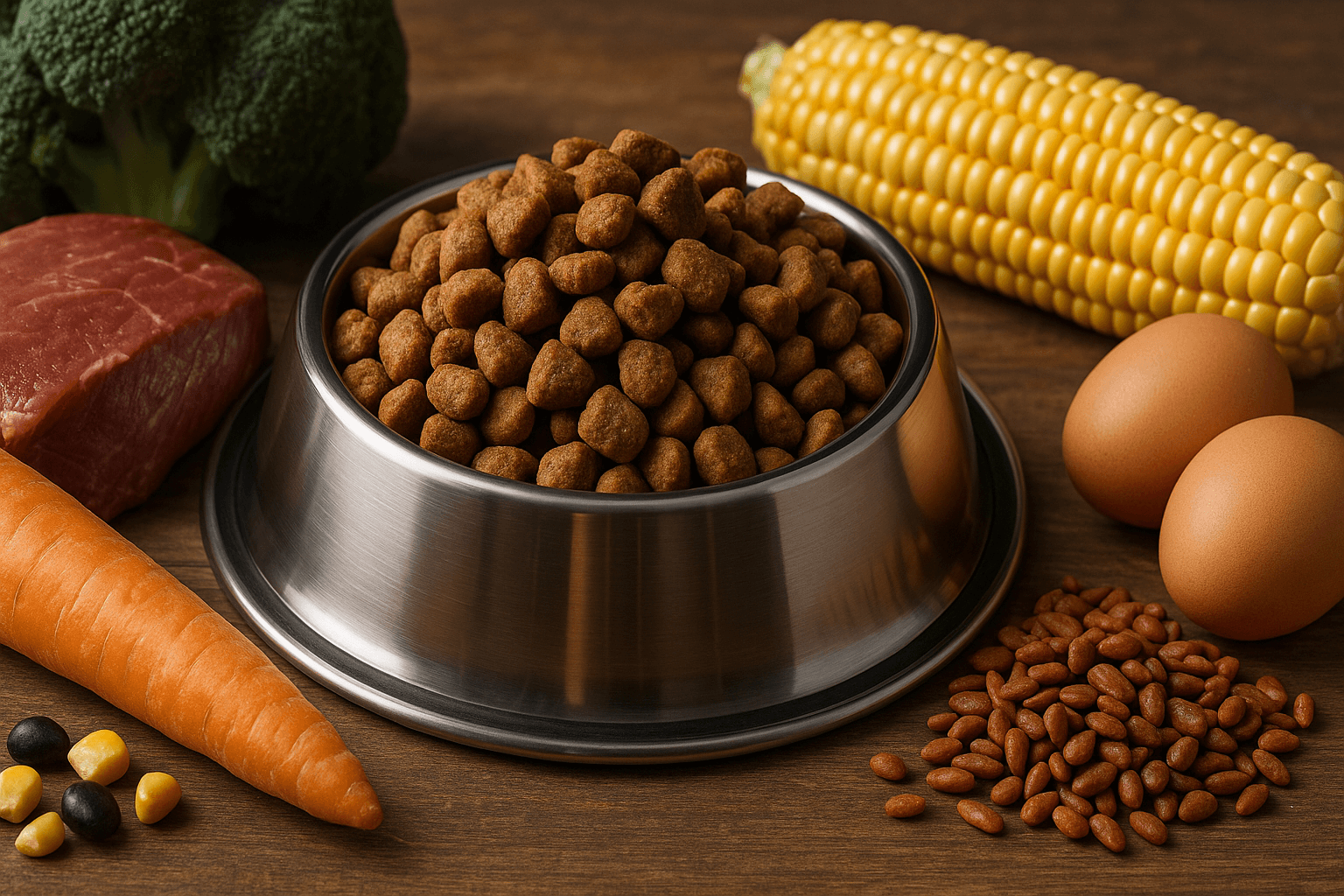
Purina formulates its dog food using a balance of proteins, carbohydrates, fats, vitamins, and minerals designed to meet AAFCO nutritional standards. Each ingredient serves a specific purpose, whether it’s fueling your dog’s muscles, supporting digestion, or promoting a glossy coat. Below are the foundational components you’ll commonly find across Purina’s product lines.
- High-Quality Animal Proteins
Real meat—such as chicken, beef, or lamb—is often listed first, ensuring your dog gets essential amino acids for muscle maintenance and growth. - Whole Grains and Alternative Carbs
Ingredients like corn, rice, or barley provide digestible energy, while grain-free options may use peas, sweet potatoes, or lentils for sensitive stomachs. - Healthy Fats from Natural Sources
Chicken fat, fish oil, or flaxseed supply omega-6 and omega-3 fatty acids crucial for skin health and a shiny coat. - Vitamins and Chelated Minerals
Purina adds vitamins A, E, and B-complex, along with minerals like zinc and iron in bioavailable forms to support immune function and metabolism. - Natural Fiber Sources
Beet pulp, chicory root, or prebiotics help nourish gut bacteria and promote consistent digestion and stool quality.
These core ingredients work together to create complete, balanced meals that meet your dog’s daily nutritional needs—backed by veterinary nutrition science.
Common Purina Ingredient Sources Explained
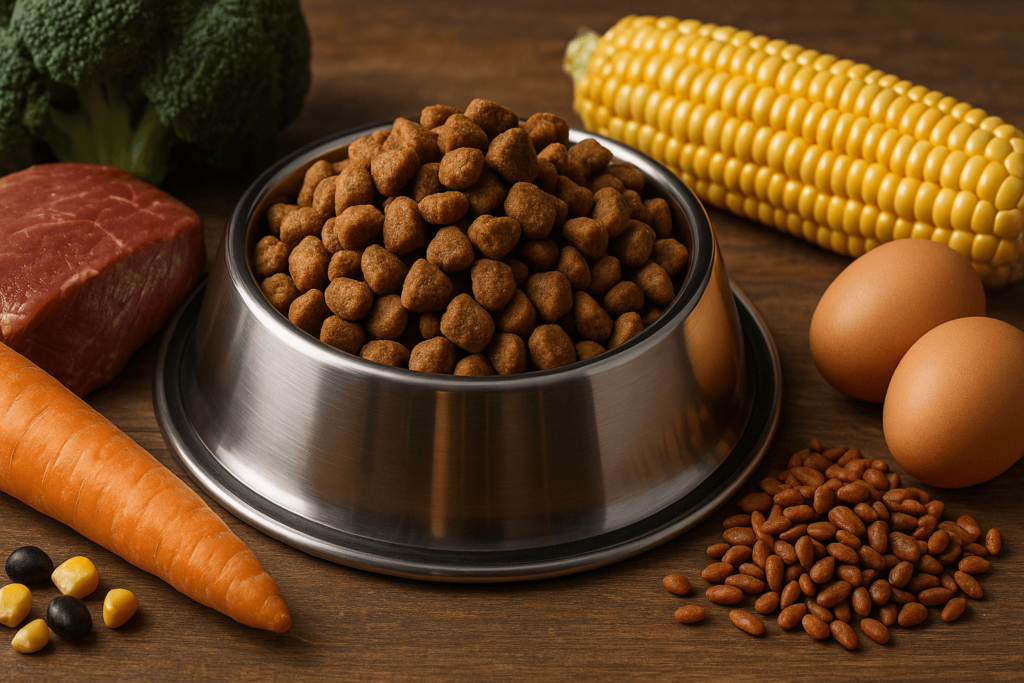
Not all ingredients sound appetizing to human ears, but many serve vital roles in canine diets. Purina uses both whole-food components and scientifically validated supplements to ensure optimal nutrition. Understanding these helps demystify labels and build confidence in your choice.
- Chicken By-Product Meal
A concentrated protein source made from clean parts like liver, heart, and lungs—highly digestible and rich in nutrients, not “filler.” - Corn Gluten Meal
A plant-based protein that complements animal proteins and provides amino acids like methionine; often misunderstood but nutritionally valuable. - Dried Yeast and Fermentation Products
These act as natural probiotics or flavor enhancers while supporting gut health and palatability. - Animal Digest
A digestible liquid or powder created by breaking down animal protein, used in small amounts to boost flavor and encourage picky eaters. - Mixed Tocopherols
A natural form of vitamin E used as a preservative instead of artificial options like BHA or BHT, ensuring freshness without synthetics.
When evaluated in context—not isolation—these ingredients reflect Purina’s commitment to safety, digestibility, and nutritional completeness.
Check this guide 👉Is Science Diet a Good Dog Food? Best 7 Expert Tips!
Check this guide 👉Kibble vs Canned Dog Food: Best 7 Expert Tips!
Check this guide 👉Is It Bad to Switch Dog Food? Best 7 Expert Tips!
Understanding the Purpose of Additives and Preservatives
While “additives” may sound concerning, many are essential for nutrition, safety, or shelf life. Purina uses approved, regulated substances in minimal, effective amounts—prioritizing both quality and safety over sensational “clean label” trends.
- Natural Preservatives Only
Purina avoids BHA, BHT, and ethoxyquin in most modern formulas, opting instead for mixed tocopherols (vitamin E) and rosemary extract. - Chelated Minerals for Better Absorption
Minerals like zinc or copper are often bound to amino acids (e.g., zinc proteinate), making them easier for your dog to absorb and utilize. - Probiotics in Targeted Lines
Strains like Enterococcus faecium are added to support gut flora balance, especially in Purina Pro Plan Sensitive Skin & Stomach varieties. - Antioxidant Blends
Vitamins C and E, along with selenium, help combat oxidative stress and support long-term cellular health in aging dogs. - Amino Acid Supplementation
Taurine and L-carnitine are sometimes added—particularly in grain-free formulas—to support heart health, addressing FDA DCM concerns.
These thoughtful additions reflect Purina’s science-first approach, ensuring food isn’t just palatable but truly nourishing.
Grain-Inclusive vs. Grain-Free: What Purina Offers
The grain debate has left many pet owners confused. Purina addresses this by offering both grain-inclusive and grain-free options—but with important distinctions based on current veterinary guidance.
- Grain-Inclusive Formulas Are Nutrient-Dense
Ingredients like brown rice and barley provide sustained energy, fiber, and B vitamins without triggering allergies in most dogs. - Corn Is Not a “Filler”
Contrary to popular belief, corn is highly digestible and a source of linoleic acid (an essential omega-6 fatty acid) and antioxidants like lutein. - Grain-Free Options Use Legumes Cautiously
While peas and lentils offer protein and fiber, Purina has adjusted recipes in response to FDA DCM reports, often adding taurine. - Veterinary Recommendation Matters
Unless your dog has a confirmed grain allergy (rare), most vets still recommend grain-inclusive diets for balanced nutrition. - Limited Ingredient Diets Serve Specific Needs
Purina’s veterinary line (like HA Hypoallergenic) uses hydrolyzed proteins and single carb sources for true food-allergy management.
Choosing between grain types should be based on your dog’s health history—not trends—and Purina provides science-backed options for both paths.
Protein Sources Across Purina Product Lines
Protein is the cornerstone of any dog food, and Purina uses a variety of animal-based sources depending on the formula’s purpose—from everyday maintenance to therapeutic support.
- Chicken and Chicken Meal Dominate Mainstream Lines
Affordable, highly digestible, and rich in essential amino acids, making them ideal for most healthy dogs. - Novel Proteins in Sensitive Formulas
Lamb, salmon, or venison appear in hypoallergenic or limited-ingredient diets to reduce reaction risk in food-sensitive pups. - By-Product Meals Are Nutrient-Rich
Contrary to myths, chicken by-product meal contains organ meats that are more nutrient-dense than muscle meat alone. - Fish-Based Proteins for Skin & Coat Health
Salmon or ocean fish meals provide natural omega-3s, often featured in Purina Pro Plan Bright Mind or Sensitive Skin lines. - Plant Proteins Play a Supporting Role
Peas, soy, or chickpeas add complementary amino acids but never replace animal protein as the primary source in quality formulas.
Purina’s protein strategy prioritizes digestibility, amino acid balance, and life-stage appropriateness over marketing-driven exclusivity.
Specialized Formulas and Their Ingredient Adjustments
Not all dogs have the same needs—puppies, seniors, working breeds, or those with health conditions require tailored nutrition. Purina adjusts ingredients accordingly across its sub-brands like Pro Plan, ONE, and veterinary diets.
- Puppy Formulas Boost DHA and Calcium
Enhanced with fish oil for brain development and precise calcium levels for safe bone growth in large breeds. - Senior Recipes Include Joint Support Compounds
Glucosamine, chondroitin, and omega-3s are added to maintain mobility and comfort in aging joints. - Weight Management Lines Control Calories Wisely
Higher fiber (from beet pulp or pea fiber) and lean proteins help dogs feel full without excess calories. - Performance & Active Dog Formulas Ramp Up Fat
Increased fat content from chicken fat or fish oil fuels endurance for working or highly active dogs. - Veterinary Clinical Diets Use Hydrolyzed or Elemental Ingredients
For allergies or kidney disease, proteins are broken down or replaced with synthetic amino acids to reduce immune triggers.
These targeted adjustments show how ingredient lists evolve based on physiological needs—not just a one-size-fits-all approach.
Potential Concerns and How Purina Addresses Them
No brand is perfect, and informed owners rightly ask tough questions. Purina has responded to common concerns with transparency, reformulation, and ongoing research.
- Past Use of Artificial Preservatives
Older formulas once contained BHT, but modern lines have phased these out in favor of natural alternatives like vitamin E. - Corn and Soy Allergy Misconceptions
True allergies to these are rare; Purina offers alternatives but emphasizes that grains aren’t inherently bad for most dogs. - Grain-Free and DCM Link
In line with FDA guidance, Purina added taurine to grain-free recipes and continues to monitor heart health data. - Sustainability and Sourcing Ethics
Purina partners with certified suppliers and invests in responsibly sourced fish and poultry through traceable supply chains. - Palatability Enhancers Like Animal Digest
Used minimally and safely, these help ensure dogs actually eat their food—especially critical in sick or senior pets.
Acknowledging these concerns doesn’t mean rejection—it means choosing a brand that listens, adapts, and prioritizes canine well-being.
Frequently Asked Questions About Purina Dog Food Ingredients
Is Purina dog food safe for my dog?
Yes—Purina meets or exceeds AAFCO nutritional standards and conducts extensive feeding trials. Millions of dogs thrive on its formulas daily.
Does Purina use “fillers” like corn or wheat?
Corn and wheat are not fillers; they’re digestible sources of energy, protein, and essential fatty acids. True fillers (like sawdust) are not used.
Are Purina ingredients human-grade?
While some ingredients originate from human food supply chains, pet food regulations differ. Purina meets strict pet food safety standards set by the FDA and AAFCO.
Why does Purina use by-products?
By-products like liver or heart are nutrient-dense organ meats often preferred by dogs in the wild. They’re clean, regulated, and highly nutritious.
Can I trust Purina’s grain-free options?
Purina adjusted its grain-free formulas in response to DCM concerns, adding taurine and monitoring outcomes. Still, consult your vet before choosing grain-free.
Choosing with Confidence: More Than Just a Label
Deciphering Purina dog food ingredients isn’t about hunting for buzzwords—it’s about understanding how science, nutrition, and real-world canine needs intersect. Behind every bag or can is decades of research, feeding trials, and veterinary collaboration aimed at one goal: helping your dog live a longer, healthier, happier life. While no single brand suits every dog, Purina’s transparency, variety, and commitment to nutritional balance make it a reliable choice for countless pet parents. When you read the label with knowledge—not fear—you’ll see not just ingredients, but intentions: to nourish, protect, and delight your loyal companion, one bowl at a time.
Spleen Cancer in Cats: Best 7 Expert Tips! – Expert insights on symptoms, care, treatment & quality of life for feline spleen cancer.

Dog Mastitis Treatment: Best 7 Expert Tips! – Safe, vet-approved care for nursing moms & prevention strategies.

The Shikoku Ken Dog: Best 7 Expert Tips! – Discover expert care, training & health advice for this rare, loyal Japanese mountain breed.

The Cairn Terrier Dog Breed: Best 7 Expert Tips! – Discover care, training & health advice for this spirited, loyal Scottish terrier.