
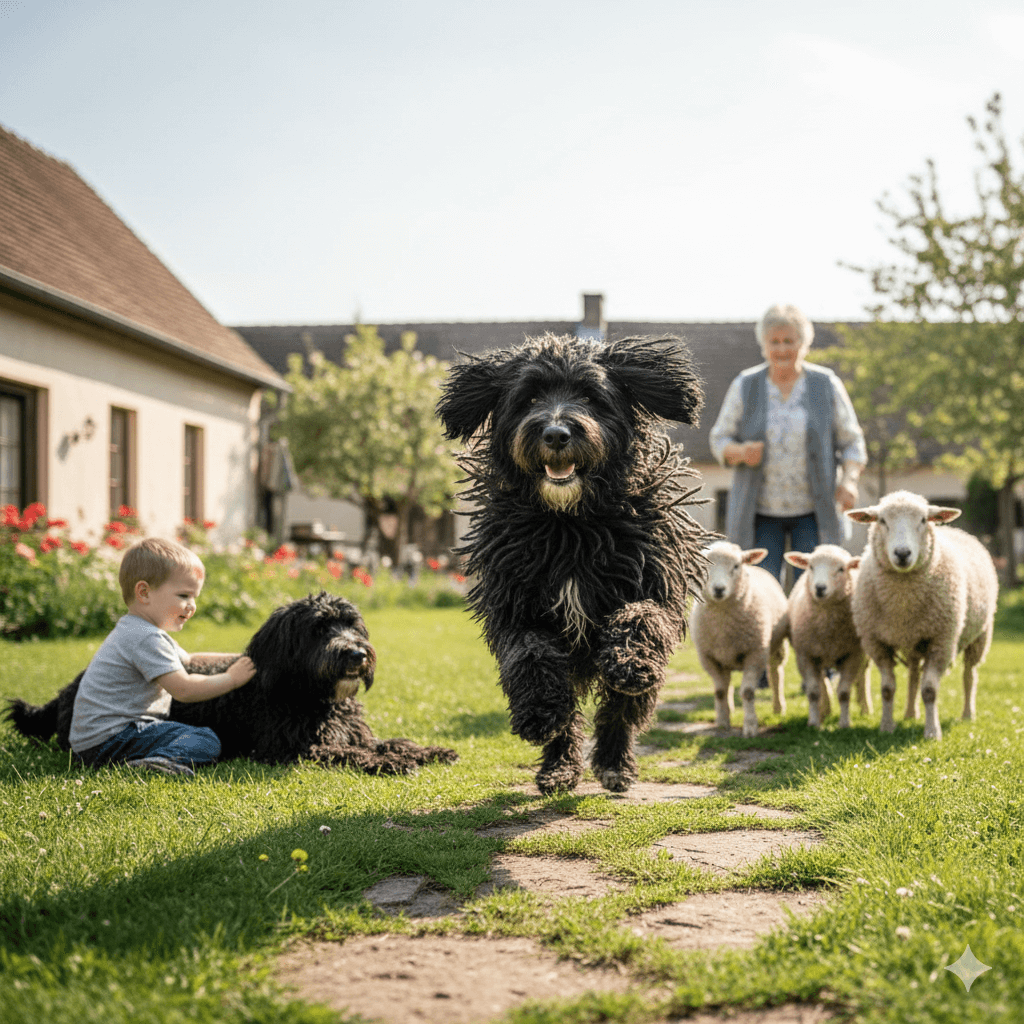

Understanding Puli Dog Temperament: Best 7 Expert Tips!
Few breeds blend intelligence, loyalty, and quirky charm like the Puli—a Hungarian herding dog wrapped in iconic, corded dreadlocks. Beneath that unusual coat lies a quick-witted, deeply devoted companion with a lively spirit and strong work ethic. Originally bred to manage flocks across vast pastures, the Puli brings alertness, agility, and emotional sensitivity into the home. While not the easiest breed for first-time owners, those who understand its unique temperament will be rewarded with unwavering affection and joyful partnership. If you’re curious about what truly drives this mop-like marvel, read on for expert insights into the Puli’s remarkable personality.
Origins and Working Heritage Behind the Puli’s Temperament
The Puli’s behavior today is deeply rooted in centuries of selective breeding for pastoral excellence in the Carpathian Basin. As a true herding dog—not just a show novelty—its temperament reflects the demands of guiding, protecting, and problem-solving alongside humans in rugged rural settings.
- Ancient Hungarian Herding Roots:
The Puli has worked alongside Magyar shepherds since at least the 9th century, developing keen judgment and independence to manage livestock without constant direction. - Natural Guardian Instincts:
Bred to watch over both sheep and property, Pulis are naturally wary of strangers and quick to alert their owners to anything unusual. - Highly Intelligent Problem-Solvers:
Their herding role required split-second decisions—making today’s Pulis exceptionally clever, though sometimes too clever for obedience-only training. - Strong Bond with Handlers:
Unlike aloof working breeds, the Puli forms intense, almost shadow-like attachments to their primary person, thriving on collaboration. - Preserved Authentic Temperament:
Unlike many breeds altered for show, the Puli retains much of its original working temperament due to continued use in Hungarian agriculture.
This heritage explains why modern Pulis are not “just cute cords”—they’re alert, emotionally attuned, and mentally active dogs who need purpose.
Core Personality Traits of the Puli
At home, the Puli’s temperament shines through a blend of exuberance, sensitivity, and steadfast loyalty. They’re neither hyperactive nor sedentary, but rather “on alert” in a joyful, engaged way that keeps families smiling—and sometimes laughing out loud.
- Energetic Yet Calm Indoors:
When properly exercised, Pulis are surprisingly composed inside the home, often choosing to lie nearby while staying mentally aware of household activity. - Affectionate with Family:
They offer deep, quiet devotion—often following one person closely, leaning against legs, or resting their head on laps for connection. - Reserved Around Strangers:
While not aggressive, Pulis tend to observe newcomers with cautious curiosity, warming up only after trust is earned. - Playful with a Silly Side:
Known for “dancing” on hind legs or leaping with surprising agility, Pulis often express joy through acrobatic bursts of fun. - Highly Sensitive to Tone and Mood:
Harsh voices or tense environments can upset them; they respond best to calm, consistent communication and positive energy.
Their emotional intelligence makes them excellent companions—but only in homes that respect their depth of feeling.
Check this guide 👉Husky Dog Temperament: Best 7 Expert Tips!
Check this guide 👉Understanding Carolina Dog Temperament: Best 7 Expert Tips!
Check this guide 👉Karelian Bear Dog Temperament: Best 7 Expert Tips!
Temperament Strengths | Behavioral Considerations |
|---|---|
Deeply loyal and attached | Can develop separation anxiety |
Quick learner with sharp focus | May ignore commands if bored |
Excellent natural watchdog | Tendency to bark at novel sights/sounds |
Gentle with respectful children | Overstimulation leads to nipping or herding |
Thrives on mental challenges | Needs daily engagement to prevent mischief |
Training Approach for the Puli Mind
Training a Puli isn’t about dominance—it’s about partnership. Their intelligence demands respect, and their sensitivity requires patience. The right approach turns this clever herder into a responsive, confident companion.
- Start Early with Positive Methods:
Use treats, praise, and play—never punishment. Pulis shut down or become stubborn if scolded harshly. - Keep Sessions Short and Varied:
Their attention span is sharp but brief; 5–10 minute sessions with rotating tasks prevent boredom. - Emphasize Recall and Impulse Control:
Their prey drive and herding instinct mean they may chase bikes, cats, or joggers—solid off-leash control is essential. - Incorporate Puzzle Toys and Games:
Hide-and-seek, scent work, or agility taps into their problem-solving roots and satisfies mental hunger. - Socialize Consistently Beyond Puppyhood:
Continue exposing them to new people, dogs, and environments well into adulthood to maintain confidence.
When trained with empathy and creativity, the Puli excels—not just in obedience, but in true teamwork.
Living with a Puli: Ideal Home Environment
The Puli adapts to many lifestyles—but thrives only in homes that match its emotional and intellectual needs. Size aside, this is not a low-maintenance pet.
- Best for Active, Engaged Owners:
They flourish with people who enjoy training, hiking, or dog sports—not those seeking a passive, couch-potato companion. - Good in Houses or Apartments (With Exercise):
While they can live in cities, daily physical and mental activity is non-negotiable to prevent barking or destructive chewing. - Sensitive to Household Stress:
Loud arguments, chaotic routines, or frequent absences can trigger anxiety—calm, predictable homes suit them best. - Not Ideal for Very Young Children:
Their herding instinct may lead to nipping at running toddlers; they do better with older, gentle kids who understand boundaries. - Loves Being Included in Family Life:
Whether you’re cooking, gardening, or watching TV, your Puli wants to be near you—exclusion leads to distress.
This breed doesn’t just share your space—they share your emotional world.
Grooming and Temperament Connection
The Puli’s famous cords aren’t just aesthetic—they influence daily interactions and even mood. Neglect here can cause physical discomfort that affects behavior.
- Cording Begins Early:
Around 8–12 months, the coat must be separated by hand into cords; skipping this leads to painful mats that irritate the skin. - Regular Maintenance Builds Trust:
Daily or weekly grooming sessions become bonding rituals—handling feet, ears, and face gently builds cooperation. - Wet Cords Require Drying:
A damp coat can mildew or cause skin infections, making the dog irritable; always towel-dry and air thoroughly after rain or baths. - Beard and Paw Trimming for Comfort:
Long cords on paws collect debris; facial cords can trap food—trimming enhances comfort and reduces stress. - Positive Association with Grooming:
Pair sessions with treats and calm talk to ensure your Puli sees care as loving, not invasive.
A well-groomed Puli is not only healthier—but happier and more relaxed in daily life.
Potential Challenges of Puli Temperament
Even admirers must acknowledge the breed’s complexities. Awareness prevents frustration and fosters a stronger bond.
- Tendency Toward Stubbornness:
If they decide a task is pointless, they may simply sit and stare—consistency and motivation are key. - Vocal Alertness Can Become Nuisance Barking:
Their watchdog nature means they’ll announce every delivery van—training is needed to curb excessive noise. - Prone to Separation Distress:
Left alone for long hours, they may howl, chew, or attempt escape; dog walkers or pet cameras help. - Overthinking in New Situations:
Their intelligence can lead to hesitation or anxiety in unfamiliar settings—patience and encouragement ease the process. - Strong Herding Drive:
They may try to “gather” children, pets, or even bicycles by circling or nipping heels—redirect with commands early.
With understanding and structure, these traits become manageable—even endearing—parts of their personality.
Fun and Engaging Activities Perfect for the Puli
The Puli’s herding heritage and sharp mind crave stimulation—both physical and mental. Boredom is the enemy of this vibrant breed, but the right activities turn excess energy into joyful connection and skill-building.
- Herding Trials or Instinct Tests:
Even as pets, many Pulis light up when given the chance to channel their natural instincts in controlled, safe environments like AKC herding tests. - Agility Training:
Their agility, speed, and focus make them natural stars on the course—tunnels, weave poles, and jumps satisfy both body and brain. - Interactive Puzzle Toys:
Food-dispensing puzzles or treat mazes keep them occupied indoors and prevent destructive chewing from mental underload. - Daily “Jobs” or Tasks:
Asking your Puli to carry a small backpack on walks, fetch specific toys by name, or “help” with laundry builds purpose and confidence. - Canine Freestyle (Dog Dancing):
Their rhythm, attention to handler cues, and playful spirit make them ideal for musical obedience routines full of spins and leaps.
Engaging your Puli in meaningful activities isn’t just fun—it’s essential for a balanced, happy dog who channels their intelligence positively.
“By nature an affectionate, intelligent and home-loving companion, the Puli is sensibly suspicious and therefore an excellent watchdog.” – American Kennel Club
Frequently Asked Questions About Puli Dog Temperament
Are Pulis good with other dogs?
Yes, especially if socialized early—but their herding instinct may cause them to chase or “organize” smaller or fast-moving dogs.
Do Pulis like to cuddle?
They enjoy close contact on their terms—often leaning or lying beside you rather than full lap-sitting, unless deeply bonded.
Is the Puli aggressive?
Not typically. They’re watchful and protective but rarely aggressive without provocation or poor socialization.
Can Pulis be left alone during the workday?
Not easily. Most develop anxiety or destructive habits if left more than 3–4 hours regularly without enrichment or supervision.
Are Pulis easy to train?
They’re quick to learn but selective about compliance—motivation, consistency, and mutual respect make all the difference.
A Heart Wrapped in Cords
The Puli may look like a walking mop, but within that unique coat beats the heart of a devoted partner, a vigilant guardian, and a joyful performer. Their temperament—bright, sensitive, and deeply loyal—makes them unforgettable to those who earn their trust. But this breed asks for more than love; it asks for engagement, understanding, and daily connection. In return, you’ll gain not just a dog, but a thoughtful, expressive companion who dances through life with you, cord by cord, step by step.
Is Rawhide Bad for Cats? Best 7 Expert Tips! – Discover the risks, safe alternatives, and expert advice to keep your feline friend healthy and happy.

Is Rawhide Bad for Dogs? Best 7 Expert Tips! – Discover the risks, benefits, and safer alternatives to rawhides for your dog’s chewing needs.

Understanding Anorexia in Cats: Best 7 Expert Tips! – Learn why cats stop eating, spot warning signs, and discover how to help your feline regain appetite safely.

Understanding Anorexia in Dogs: Best 7 Expert Tips! – Learn causes, symptoms, and solutions to help your dog regain appetite and stay healthy.