
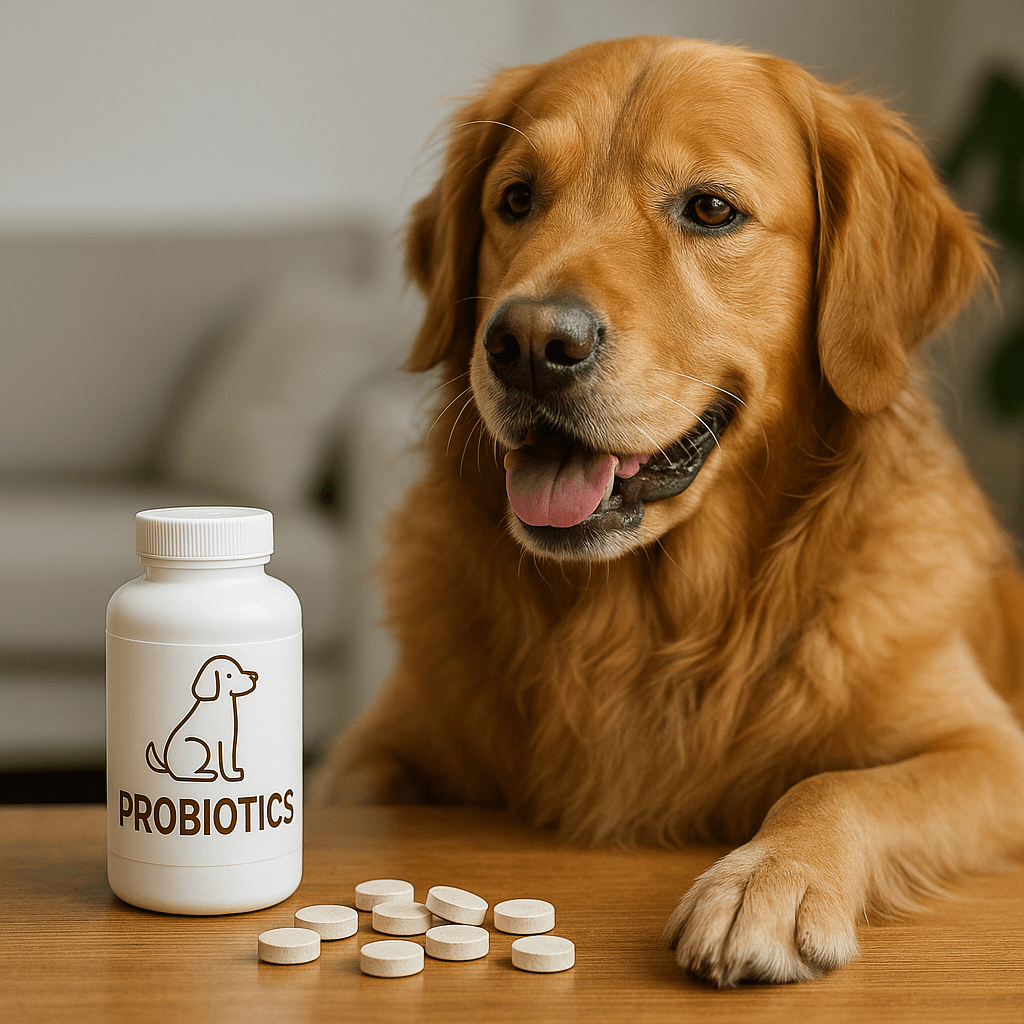

Probiotics for Dogs: Unlocking Better Digestion and Immune Health
Dogs are more than pets—they’re family. And just like us, their well-being starts in the gut. Probiotics for dogs have surged in popularity as pet parents seek natural, science-backed ways to support digestion, immunity, and overall vitality. Far from being a passing trend, these beneficial bacteria play a vital role in your dog’s internal ecosystem. Understanding how and when to use them can make a meaningful difference in your dog’s quality of life—without unnecessary supplements or guesswork.
Why Gut Health Matters for Your Dog
A healthy gut isn’t just about avoiding upset stomachs—it’s the foundation of your dog’s entire immune and metabolic function. Nearly 70% of a dog’s immune system resides in the gastrointestinal tract, making gut balance essential for long-term wellness.
Immune System Support:
A balanced gut microbiome helps regulate immune responses, reducing the risk of allergies, infections, and chronic inflammation.Nutrient Absorption:
Beneficial bacteria aid in breaking down food and absorbing vitamins, minerals, and amino acids more efficiently.Mood and Behavior Regulation:
The gut-brain axis in dogs links digestive health to anxiety, stress, and even cognitive function—often called the “second brain.”Digestive Regularity:
Probiotics help maintain consistent stool quality, reducing episodes of diarrhea, constipation, or gas.Protection Against Harmful Bacteria:
Good bacteria crowd out pathogens like Salmonella or E. coli, acting as a natural defense barrier.
When your dog’s gut is in harmony, everything else tends to fall into place—from shiny coats to steady energy levels. Probiotics aren’t a cure-all, but they’re a powerful ally in preventive care.
The Science Behind Probiotics for Dogs
Probiotics are live microorganisms that, when administered in adequate amounts, confer a health benefit to the host—your dog. Not all strains are created equal, and understanding the science helps you choose wisely.
Strain-Specific Benefits:
Different probiotic strains (like Lactobacillus acidophilus or Bifidobacterium animalis) target specific issues—from diarrhea to skin allergies.Colony-Forming Units (CFUs):
Effective probiotics contain billions of CFUs to ensure enough live bacteria survive the journey through the stomach to the gut.Survivability Matters:
High-quality supplements use microencapsulation or freeze-dried technology to protect bacteria from heat, moisture, and stomach acid.Natural Sources Exist:
Fermented foods like plain kefir or unsweetened yogurt can offer probiotics—but many dogs are lactose intolerant, so supplements are often safer.Veterinary-Backed Research:
Studies show certain probiotics reduce antibiotic-associated diarrhea in dogs by up to 60%, proving their clinical relevance.
Choosing a probiotic isn’t just about slapping a “gut health” label on a bottle. It’s about matching the right strain, dose, and delivery method to your dog’s unique needs.
Check this guide 👉Dog Probiotics Side Effects: Best 7 Expert Tips!
Check this guide 👉Can I Give My Dog Human Probiotics? Best 7 Expert Tips!
Check this guide 👉Pepto Bismol for Dogs: Best 7 Expert Tips!
| Signs Your Dog May Need Probiotics | Benefits of Regular Probiotic Use |
|---|---|
| Frequent diarrhea or loose stools | Improved digestion and nutrient uptake |
| Recent antibiotic treatment | Stronger immune system response |
| Chronic gas or bloating | Reduced skin and ear infections |
| Food sensitivities or allergies | Better stool consistency and odor |
| Stress-related digestive upset (e.g., travel, boarding) | Enhanced mood and reduced anxiety |
When to Give Your Dog Probiotics
Timing and context are everything. Probiotics aren’t always necessary daily—but they shine during key moments in your dog’s life.
After Antibiotic Use:
Antibiotics wipe out both harmful and beneficial bacteria. Probiotics help repopulate the gut within 24–48 hours post-treatment.During Diet Changes:
Switching foods can disrupt gut flora. Introducing probiotics a few days before and after eases the transition.Before Stressful Events:
Boarding, vet visits, or moving homes can trigger digestive upset. Start probiotics 3–5 days in advance to buffer stress effects.For Puppies and Seniors:
Young dogs are building their microbiome; older dogs often have weaker digestion—both benefit from targeted support.Chronic Health Conditions:
Dogs with IBD, allergies, or recurring ear infections often show marked improvement with consistent probiotic use.
Use probiotics strategically, not randomly. Think of them as a tool—not a daily ritual—unless your vet recommends otherwise.
Choosing the Right Probiotic Supplement
Not all probiotic products are equal. With so many options on shelves, knowing what to look for saves money and protects your dog’s health.
Look for Defined Strains:
Avoid vague labels like “proprietary blend.” Reputable brands list specific strains (e.g., Enterococcus faecium SF68®).Check Expiration and Storage:
Live bacteria degrade over time. Choose products with clear expiration dates and refrigeration instructions if needed.Avoid Fillers and Additives:
Steer clear of artificial colors, sugars, or xylitol—which is toxic to dogs—even in “natural” supplements.Third-Party Testing:
Brands that undergo independent lab verification for potency and purity offer greater reliability.Form Matters:
Powders mix easily into food; chews are great for picky eaters; capsules ensure precise dosing for medical use.
When in doubt, consult your veterinarian. They can recommend veterinary-formulated probiotics—often more potent and targeted than over-the-counter versions.
Natural Sources of Probiotics for Dogs
While supplements offer precision, some pet parents prefer whole-food approaches. Several natural options can gently support gut health.
Plain, Unsweetened Kefir:
Rich in multiple probiotic strains—but introduce slowly and monitor for lactose intolerance.Fermented Vegetables (in tiny amounts):
Sauerkraut or kimchi contain beneficial bacteria, but avoid garlic, onions, or high-salt versions.Bone Broth with Fermented Additives:
Some bone broths include probiotics—just ensure no added seasonings or preservatives.Pumpkin + Probiotic Combos:
Some brands blend pumpkin (a prebiotic) with probiotics for dual-action digestive support.Goat Milk Ferments:
Raw, unpasteurized goat milk kefir is easier to digest than cow dairy and often well-tolerated.
Natural doesn’t always mean safer. Always introduce new foods gradually and discontinue if your dog shows signs of intolerance.
Common Mistakes to Avoid with Probiotics
Even well-intentioned efforts can backfire if done incorrectly. These pitfalls can reduce effectiveness or cause unnecessary stress.
Giving Probiotics with Hot Food:
Heat kills live bacteria. Always mix into cool or room-temperature meals.Using Human Probiotics:
Human strains aren’t optimized for dogs and may lack the right pH tolerance or colonization ability.Expecting Instant Results:
It takes 2–4 weeks for gut flora to rebalance. Consistency is key—don’t quit after three days.Ignoring Prebiotics:
Prebiotics (like inulin or chicory root) feed good bacteria. Look for synbiotic formulas that include both.Over-Supplementing:
More isn’t better. Stick to the recommended dose—excess probiotics can cause bloating or gas.
Smart supplementation is about balance, not abundance. Respect the biology, and results will follow.
How to Introduce Probiotics Safely
Patience and observation are your best tools when starting a new regimen. A gentle approach prevents digestive upset.
Start with Half the Dose:
Give half the recommended amount for the first 3–5 days to assess tolerance.Monitor Stool and Appetite:
Watch for changes in consistency, frequency, or eating habits—positive or negative.Administer with Meals:
Food buffers stomach acid, helping more bacteria survive the journey to the intestines.Keep a Health Journal:
Note energy levels, coat shine, stool quality, and behavior weekly to track subtle improvements.Consult Your Vet for Chronic Issues:
If your dog has kidney disease, pancreatitis, or immune disorders, get professional guidance before starting.
A thoughtful introduction sets the stage for long-term success—without trial, error, or tummy troubles.
Frequently Asked Questions About Probiotics for Dogs
Can puppies take probiotics?
Yes! Puppies can benefit from age-appropriate probiotics, especially during weaning, vaccinations, or diet changes. Always choose a formula labeled for puppies.
How long does it take for probiotics to work in dogs?
Most dogs show digestive improvements within 3–7 days, but immune or skin benefits may take 2–4 weeks of consistent use.
Can I give probiotics every day?
Many veterinary probiotics are safe for daily use, especially for dogs with chronic conditions. For healthy dogs, intermittent use (e.g., during stress) may be sufficient.
Do probiotics help with dog allergies?
Yes—by strengthening the gut barrier and modulating immune responses, probiotics can reduce the severity of environmental and food allergies over time.
What’s the difference between prebiotics and probiotics?
Probiotics are live beneficial bacteria; prebiotics are fibers that feed those bacteria. Together (as synbiotics), they work synergistically for better results.
Trust Your Dog’s Gut—It Knows Best
Your dog’s digestive system is a complex, living ecosystem—and probiotics for dogs are one of the simplest yet most powerful ways to nurture it. Whether you’re managing a sensitive stomach, supporting immunity, or simply investing in long-term wellness, the right probiotic can make a profound difference. Remember: the goal isn’t to eliminate natural fluctuations but to build resilience from the inside out. By listening to your dog’s cues, choosing quality products, and using them wisely, you’re not just feeding their body—you’re honoring their biology. And that’s the truest form of care.
Understanding Cryptosporidium in Cats: Best 7 Expert Tips! – Spot symptoms, treat safely, and stop parasite spread in your home.
Understanding Cryptosporidium in Dogs: Best 7 Expert Tips! – Learn symptoms, treatment & prevention for this stubborn gut parasite.
Understanding Syringomyelia in Cats: Best 7 Expert Tips! – Recognize signs, manage pain, and support your cat’s neurological health with vet-backed guidance.
Understanding Syringomyelia in Dogs: Best 7 Expert Tips! – Expert insights on symptoms, MRI diagnosis, pain management & quality of life.


