
Understanding the Role of Prebiotics for Cats
Prebiotics are a vital yet often overlooked component of feline nutrition, supporting gut health by nourishing beneficial bacteria. These non-digestible fibers help maintain a balanced microbiome, which is essential for digestion, immunity, and overall well-being. By incorporating prebiotics into your cat’s diet, you can promote a healthier, happier life for your furry companion.
How Prebiotics Benefit Your Cat’s Digestive System
Prebiotics play a crucial role in maintaining your cat’s digestive health by promoting the growth of beneficial gut bacteria. These fibers act as food for probiotics, ensuring a balanced microbiome that supports digestion and nutrient absorption. Understanding the specific benefits helps you make informed decisions about incorporating prebiotics into your cat’s diet.
- Improved Nutrient Absorption:
Prebiotics enhance the breakdown of complex carbohydrates, proteins, and fats, allowing your cat to extract more nutrients from their food. This is especially important for older cats or those with sensitive stomachs. - Reduction of Harmful Bacteria:
By feeding beneficial bacteria like bifidobacteria and lactobacilli, prebiotics help suppress the growth of harmful pathogens such as E. coli and Salmonella, reducing the risk of gastrointestinal infections. - Enhanced Stool Quality:
Cats fed prebiotics often produce firmer, less odorous stools due to improved gut flora balance. This is particularly helpful for cats prone to diarrhea or constipation. - Support for Immune Function:
A significant portion of your cat’s immune system resides in the gut. Prebiotics strengthen this defense mechanism by fostering a healthy microbial environment, making your cat less susceptible to illnesses. - Alleviation of Chronic Conditions:
For cats with conditions like inflammatory bowel disease (IBD) or colitis, prebiotics can reduce inflammation and improve symptoms, contributing to long-term comfort and health.
The multifaceted benefits of prebiotics make them an essential addition to any cat’s diet, supporting both immediate digestive needs and long-term wellness.
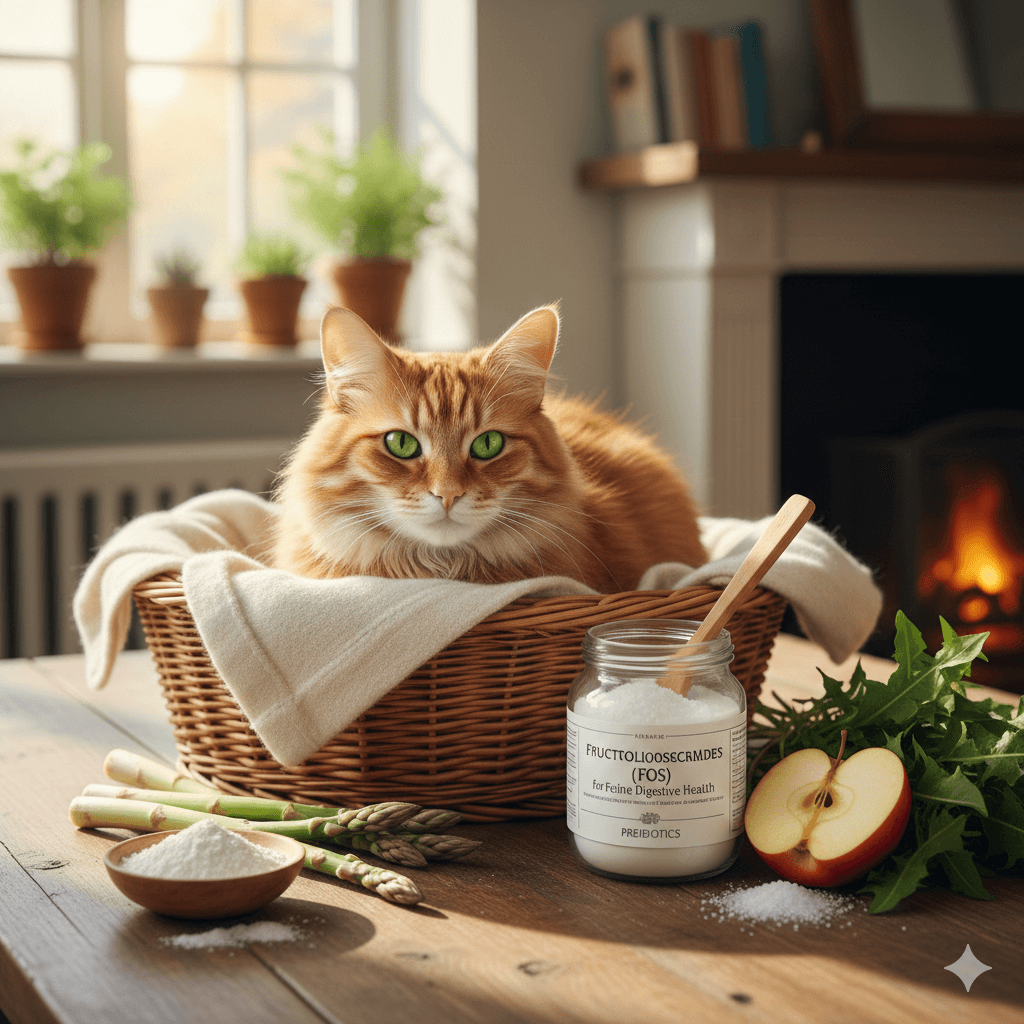
Common Sources of Prebiotics for Cats
Prebiotics are naturally found in various foods and supplements, making it easy to incorporate them into your cat’s diet. Knowing which sources are safe and effective ensures you provide the best care for your feline friend.
- Chicory Root:
Rich in inulin, chicory root is one of the most common prebiotic sources used in cat foods and supplements. It promotes the growth of beneficial bacteria while improving stool consistency. - Psyllium Husk:
This soluble fiber not only acts as a prebiotic but also aids in managing hairballs and promoting regular bowel movements, making it ideal for cats with digestive issues. - Pumpkin:
Fresh or canned pumpkin contains natural fibers that serve as prebiotics. It’s gentle on the stomach and helps regulate digestion, especially during times of stress or dietary changes. - Green Bananas:
Green bananas are a rich source of resistant starch, which ferments in the gut to feed beneficial bacteria. They’re a safe, natural option for cats who enjoy fruit-based treats. - Seaweed and Algae:
Marine-based prebiotics like seaweed and algae contain unique fibers that support gut health while providing additional vitamins and minerals for overall well-being.
Incorporating these sources into your cat’s diet ensures they receive a steady supply of prebiotics to maintain a healthy gut microbiome.
Check this guide 👉Cat Probiotics After Antibiotics: Best 7 Expert Tips!
Check this guide 👉Probiotics for Cats: Best 7 Expert Tips!
Check this guide 👉Cat Antibiotics Side Effects: Best 7 Expert Tips!
Benefits of Prebiotics | Signs Your Cat May Need Them |
|---|---|
Promote healthy gut bacteria | Frequent diarrhea or constipation |
Improve nutrient absorption | Excessive gas or bloating |
Support immune system function | Poor coat condition or hair loss |
Reduce inflammation in the gut | Weight loss despite normal appetite |
Enhance overall digestion | Stress-related digestive upset |
Signs Your Cat May Need Prebiotics
Certain behaviors and symptoms indicate that your cat’s digestive system may benefit from prebiotic supplementation. Recognizing these signs allows you to address potential issues before they escalate.
- Frequent Diarrhea or Constipation:
Irregular bowel movements suggest an imbalance in gut bacteria, which prebiotics can help correct by promoting a healthier microbial environment. - Excessive Gas or Bloating:
Unpleasant gas or a bloated abdomen often points to poor digestion or an overgrowth of harmful bacteria, both of which prebiotics can alleviate. - Poor Coat Condition:
A dull or dry coat may signal malabsorption of nutrients, as a compromised gut struggles to process essential vitamins and minerals. - Weight Loss Despite Normal Appetite:
If your cat eats well but fails to gain weight, their digestive system may not be absorbing nutrients effectively—a problem prebiotics can address. - Stress-Related Digestive Upset:
Environmental changes, travel, or loud noises upset the gut-brain axis, leading to temporary digestive issues that prebiotics can help stabilize.
These signs highlight the importance of supporting your cat’s gut health with prebiotics to prevent further complications.
How Prebiotics Work in Your Cat’s Gut
Understanding the science behind prebiotics helps you appreciate their role in feline health. These fibers undergo fermentation in the colon, producing short-chain fatty acids (SCFAs) that nourish the gut lining and promote overall wellness.
- Fermentation Process:
Prebiotics are fermented by beneficial bacteria, producing SCFAs like butyrate, which fuel colon cells and maintain intestinal barrier integrity. - pH Balance Regulation:
The fermentation process lowers the pH of the gut, creating an inhospitable environment for harmful bacteria while encouraging the growth of beneficial strains. - Enhanced Mucus Production:
Prebiotics stimulate the production of protective mucus in the gut lining, shielding it from irritation and reducing the risk of inflammatory conditions. - Improved Gut Motility:
By regulating the movement of food through the digestive tract, prebiotics prevent issues like constipation or diarrhea, ensuring smooth digestion. - Synergy with Probiotics:
Prebiotics work hand-in-hand with probiotics, acting as “fuel” for these live bacteria to thrive and perform their functions effectively.
This intricate process underscores the importance of prebiotics in maintaining a healthy gut ecosystem.
Best Practices for Adding Prebiotics to Your Cat’s Diet
Introducing prebiotics to your cat’s diet requires careful consideration to ensure safety and effectiveness. Following best practices maximizes their benefits without overwhelming your cat’s system.
- Start with Small Amounts:
Begin with minimal doses to avoid digestive upset, gradually increasing the quantity as your cat adjusts to the new supplement. - Choose High-Quality Products:
Opt for vet-recommended prebiotic supplements or foods containing natural sources like chicory root or psyllium husk for optimal results. - Mix with Familiar Foods:
Combine prebiotics with your cat’s regular meals to encourage acceptance, especially if they’re picky eaters. - Monitor for Reactions:
Watch for changes in stool quality, appetite, or behavior after introducing prebiotics to ensure they’re well-tolerated. - Consult Your Veterinarian:
Before making significant dietary changes, consult your vet to determine the appropriate type and dosage of prebiotics for your cat’s unique needs.
These steps ensure a smooth transition and maximize the positive impact of prebiotics on your cat’s health.
Potential Risks of Overusing Prebiotics
While prebiotics offer numerous benefits, excessive use can lead to adverse effects. Balancing supplementation is key to avoiding complications and ensuring your cat’s digestive system remains healthy.
- Gastrointestinal Upset:
Too many prebiotics can cause bloating, gas, or diarrhea as the gut struggles to process the excess fiber. Moderation is essential to prevent discomfort. - Nutrient Imbalance:
Overloading on prebiotics may interfere with the absorption of certain nutrients, potentially leading to deficiencies over time. - Overgrowth of Certain Bacteria:
While prebiotics promote beneficial bacteria, excessive amounts can disrupt the delicate balance, favoring overgrowth of specific strains and causing dysbiosis. - Allergic Reactions:
Some cats may be sensitive to specific prebiotic sources, such as seaweed or chicory root, resulting in allergic reactions or intolerance. - Interaction with Medications:
Prebiotics may interact with certain medications, such as antibiotics, altering their efficacy or causing unintended side effects.
Awareness of these risks ensures you use prebiotics responsibly and prioritize your cat’s well-being.
Long-Term Benefits of Prebiotics for Cats
Incorporating prebiotics into your cat’s diet offers lasting advantages that extend beyond immediate digestive health. Consistent use fosters resilience, supporting your cat’s overall quality of life as they age.
- Stronger Immune System:
A balanced gut microbiome strengthens immunity, reducing susceptibility to infections and chronic diseases throughout your cat’s life. - Reduced Risk of Obesity:
Prebiotics promote satiety and regulate metabolism, helping maintain a healthy weight and lowering the risk of obesity-related conditions. - Improved Mental Health:
The gut-brain connection means a healthy microbiome positively impacts mood and behavior, reducing anxiety and stress-related issues. - Longevity and Vitality:
By supporting organ function and overall wellness, prebiotics contribute to a longer, more active life for your feline companion. - Cost-Effective Preventive Care:
Investing in prebiotics reduces the likelihood of costly veterinary interventions for digestive or immune-related issues down the line.
These long-term benefits highlight why prebiotics are a worthwhile addition to your cat’s daily routine, ensuring a lifetime of health and happiness.
“Prebiotics are a food source for the friendly bacteria in your cat’s gut that make up their microbiome. They help the good bacteria flourish and keep the bad bacteria at bay.” – Kirsten McCarthy
Frequently Asked Questions About Prebiotics for Cats
Are prebiotics safe for all cats?
Yes, most cats tolerate prebiotics well, but it’s important to introduce them gradually and consult your vet, especially for cats with existing health conditions.
Can I give my cat human prebiotic supplements?
No—human supplements may contain ingredients unsafe for cats. Always choose products specifically formulated for felines.
How long does it take to see results from prebiotics?
Most cats show improvements in digestion and stool quality within 1–2 weeks, though full benefits may take up to a month of consistent use.
Do prebiotics replace probiotics?
No, prebiotics and probiotics work best together. Prebiotics feed beneficial bacteria, while probiotics introduce live strains to the gut.
What if my cat refuses foods with prebiotics?
Try mixing prebiotic powders or supplements into wet food, using treats, or administering liquid forms directly for picky eaters.
Supporting Your Cat’s Health with Prebiotics
Incorporating prebiotics into your cat’s diet is a simple yet powerful way to support their long-term health and happiness. By nourishing beneficial gut bacteria, prebiotics lay the foundation for improved digestion, stronger immunity, and enhanced overall well-being. Whether you’re addressing existing digestive issues or taking preventive measures, these natural fibers offer lasting benefits that grow over time. Remember, every small step you take to care for your cat’s gut health contributes to a lifetime of vitality and joy—a testament to the love and dedication you share with your furry companion.

Is Rawhide Bad for Cats? Best 7 Expert Tips! – Discover the risks, safe alternatives, and expert advice to keep your feline friend healthy and happy.

Is Rawhide Bad for Dogs? Best 7 Expert Tips! – Discover the risks, benefits, and safer alternatives to rawhides for your dog’s chewing needs.

Understanding Anorexia in Cats: Best 7 Expert Tips! – Learn why cats stop eating, spot warning signs, and discover how to help your feline regain appetite safely.

Understanding Anorexia in Dogs: Best 7 Expert Tips! – Learn causes, symptoms, and solutions to help your dog regain appetite and stay healthy.