
Understanding the Portuguese Hunting Dog: Best 7 Expert Tips!
The Portuguese Hunting Dog—also known as the Perdigueiro Português—is a versatile, athletic gundog steeped in Iberian tradition and bred for stamina, intelligence, and close cooperation with hunters. With its expressive eyes, weather-resistant coat, and natural pointing instinct, this breed excels in both upland bird work and water retrieval. Though still relatively rare outside Portugal, the Perdigueiro is gaining admirers for its balanced temperament, trainability, and deep loyalty. If you’re seeking a capable field companion or an active family dog with noble roots, this historic breed offers timeless appeal and remarkable adaptability.
Origins and History of the Portuguese Hunting Dog
The Perdigueiro Português is one of the oldest pointing breeds in Europe, with roots tracing back centuries in Portugal’s rural hunting culture. Developed long before modern kennel clubs, it evolved through natural selection and careful breeding by farmers and gamekeepers who valued function over form.
- Ancient Iberian Lineage:
Historical records and artwork suggest the breed existed in recognizable form by the 18th century, likely descending from old Spanish and French pointing dogs brought to the region. - Purpose-Bred for Diverse Terrain:
Portuguese hunters needed a dog that could work dense brush, rocky hills, and wetlands—leading to a rugged, agile dog with keen scenting ability and endurance. - Near Extinction and Revival:
By the mid-20th century, mechanized farming and changing hunting practices threatened the breed, but dedicated enthusiasts in the 1970s launched preservation efforts that saved it. - Official Recognition:
The Portuguese Kennel Club recognized the breed in the 1980s, and the FCI (Fédération Cynologique Internationale) granted full international status in 2014, boosting global awareness. - Two Coat Varieties:
Traditionally, the breed comes in smooth and wire-haired types—both accepted, with the wirehaired version offering extra protection in harsh cover.
Though rarely seen on international show rings, the Perdigueiro remains a cherished national treasure in Portugal, valued more for its working heart than its pedigree papers.
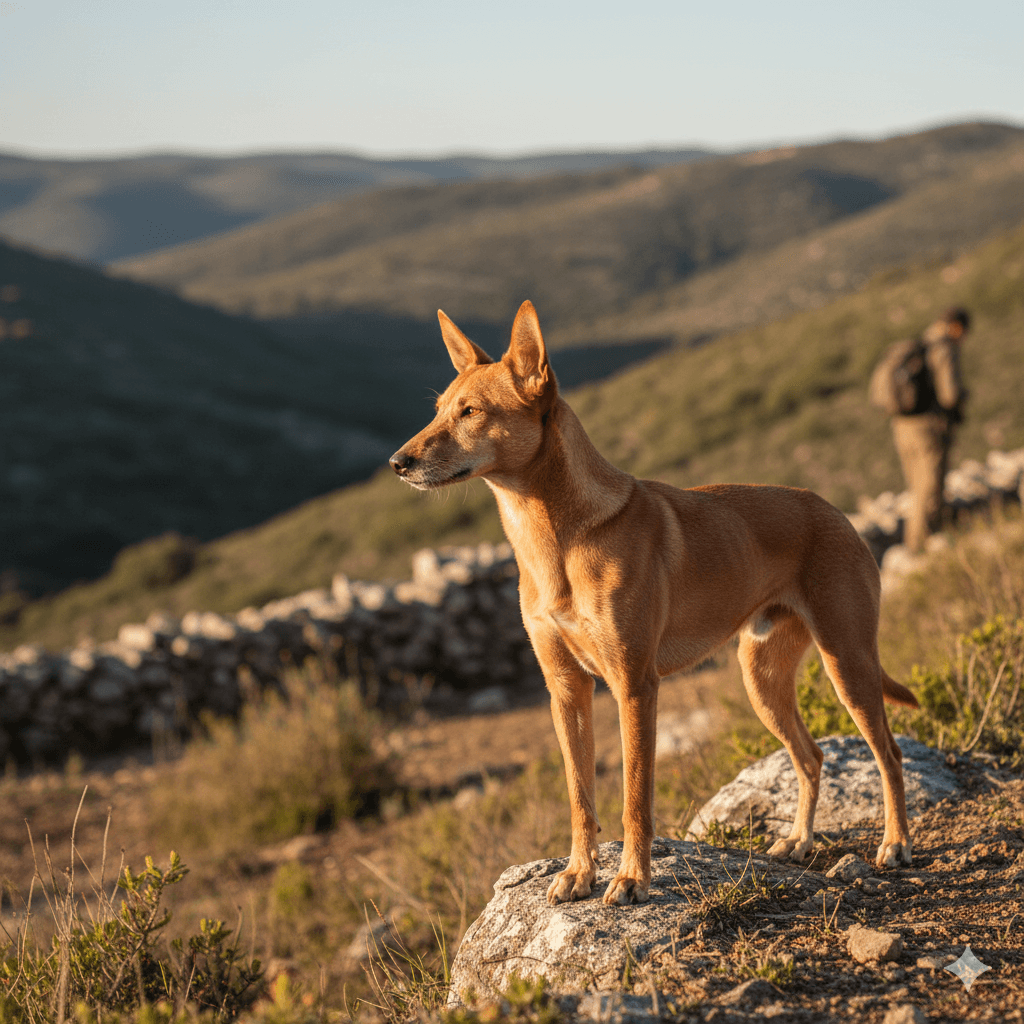
Distinctive Physical Traits of the Portuguese Hunting Dog
Built for function over flash, the Portuguese Hunting Dog combines strength, grace, and resilience in a medium-sized frame. Every feature—from its coat to its stance—reflects its role as a tireless field partner in demanding conditions.
- Athletic and Balanced Build:
Standing 20–24 inches tall and weighing 44–66 pounds, it’s robust yet agile, with strong bone and well-angulated limbs for quick turns and sustained trotting. - Weather-Resistant Coat:
The smooth variety has short, dense fur; the wirehaired type sports a rougher, slightly longer coat with a distinctive mustache and eyebrows, both providing protection from thorns and cold water. - Expressive Head and Eyes:
Almond-shaped eyes in hazel or brown convey intelligence and focus, while a broad muzzle and well-developed nostrils enhance scent detection. - Tail and Carriage:
Traditionally docked to two-thirds length in working lines (though often left natural today), the tail is carried level or slightly raised when moving. - Color Palette:
Acceptable colors include solid liver/brown, brown-and-white, or roan—always with a brown nose and no black pigmentation, a key breed hallmark.
These traits make the Perdigueiro instantly recognizable to seasoned hunters and a testament to centuries of selective, purpose-driven breeding.
Check this guide 👉Wolf Hunting Dogs: Best 7 Expert Tips!
Check this guide 👉British Hunting Dogs: Best 7 Expert Tips!
Check this guide 👉Japanese Hunting Dog: Best 7 Expert Tips!
Field Performance Strengths | Daily Care Essentials |
|---|---|
Natural pointing and retrieving instinct | Weekly brushing (more during shedding seasons) |
Excellent scenting ability in dense cover | Regular ear checks—prone to moisture buildup after water work |
Strong swimming and waterfowl retrieval | Nail trimming every 3–4 weeks to maintain gait |
Calm, methodical hunting style | Balanced diet rich in protein to support high activity levels |
Deep handler focus and cooperation | Year-round parasite prevention, especially in rural or wooded areas |
Personality and Temperament: Loyal, Calm, and Eager to Please
In the field, the Portuguese Hunting Dog is intense and focused—but at home, it transforms into a gentle, affectionate companion. Known for its emotional intelligence, it bonds closely with its family and thrives on inclusion in daily life.
- Gentle Family Member:
Despite its hunting drive, it’s typically patient and kind with respectful children, often forming protective, nurturing bonds. - Calm Indoors, Driven Outdoors:
This breed settles quietly in the home after exercise but springs to life in the field, making it ideal for active households. - Highly Trainable with Positive Methods:
Eager to please and sensitive to tone, it responds beautifully to reward-based training—harsh corrections can shut it down emotionally. - Reserved with Strangers:
Not overly shy but not instantly gregarious, it takes time to warm up to new people, reflecting its thoughtful nature. - Low Tendency for Unwanted Barking:
Unlike many gundogs, it’s relatively quiet at home unless alerted—making it well-suited to suburban or rural living.
This blend of steadiness and drive makes the Perdigueiro not just a hunter’s ally, but a harmonious family dog for the right home.
Training and Socialization Tips for Portuguese Hunting Dog Owners
Training a Perdigueiro Português requires patience, consistency, and an understanding of its sensitive yet willing personality. Early socialization and positive reinforcement lay the foundation for a confident, well-rounded adult.
- Start Socialization by 8–12 Weeks:
Introduce your puppy to varied people, sounds, surfaces, and other dogs to build confidence and prevent field shyness. - Use Low-Pressure Training:
This breed shuts down under harsh methods—opt for gentle corrections, treats, and praise to maintain enthusiasm. - Focus on Recall Early:
Given its strong prey drive and hunting focus, a rock-solid recall is non-negotiable for off-leash safety. - Introduce Birds Gradually:
For hunting lines, expose puppies to bird scent and movement slowly to nurture instinct without overwhelming them. - Incorporate Mental Challenges:
Puzzle toys, scent games, and obedience drills keep its intelligent mind engaged, preventing boredom-related behaviors.
With the right approach, your Perdigueiro will grow into a responsive, reliable partner—whether in the field, the backyard, or on the couch.
Grooming and Health Needs of the Portuguese Hunting Dog
While relatively low-maintenance compared to other gundogs, the Perdigueiro still requires consistent grooming and proactive health care to thrive across its 12–14 year lifespan.
- Coat Care by Type:
Smooth-coated dogs need weekly brushing; wirehaired types benefit from hand-stripping 2–3 times a year to maintain texture and prevent matting. - Ear and Paw Maintenance:
After field work or swimming, clean ears to prevent infection and check paws for cuts, burrs, or embedded debris. - Dental and Nail Hygiene:
Brush teeth 2–3 times weekly and trim nails regularly—long nails can alter gait and cause joint stress over time. - Common Health Considerations:
Generally healthy, but watch for hip dysplasia, ear infections, and hypothyroidism; responsible breeders screen for these. - Seasonal Shedding:
Both varieties shed moderately year-round, with heavier loss in spring and fall—increase brushing during these periods.
Preventive care and routine checks go a long way in keeping your Perdigueiro sound, comfortable, and ready for adventure.
Living with a Portuguese Hunting Dog: Ideal Home and Lifestyle Fit
This breed flourishes in homes that honor its dual nature: a hardworking hunter and a devoted companion. It’s adaptable—but only with the right balance of activity, mental engagement, and emotional connection.
- Best for Active or Rural Households:
Daily off-leash exercise in safe areas is essential; it’s not suited for sedentary or strictly urban lifestyles without ample outlet. - Thrives with a Job or Purpose:
Whether hunting, scent work, or advanced obedience, it needs mental and physical challenges to stay fulfilled. - Good with Other Dogs When Socialized:
Generally sociable, especially if raised with other pets, though may chase small animals due to prey drive. - Not Ideal for First-Time Owners Without Guidance:
Its sensitivity and field intensity require an owner who understands gundog behavior or is willing to seek training support. - Moderate Climate Preference:
Tolerates cold and heat reasonably well thanks to its coat, but should never be left outdoors in extreme weather.
Give a Perdigueiro purpose, partnership, and patience, and you’ll earn a dog whose loyalty and versatility know no bounds.
Potential Challenges of Owning a Portuguese Hunting Dog
Despite its many virtues, the Perdigueiro isn’t for everyone. Prospective owners should thoughtfully consider these realities before bringing one home.
- High Exercise Needs:
Without sufficient physical and mental stimulation, it may develop anxiety, pacing, or destructive chewing. - Sensitivity to Harsh Treatment:
Yelling or punishment can lead to withdrawal or loss of confidence—positive, calm leadership is essential. - Prey Drive Around Small Animals:
Its instinct to chase birds, squirrels, or cats is strong, requiring secure fencing and careful introductions. - Limited Availability Outside Portugal:
Finding a reputable breeder can be difficult; international waitlists or travel may be necessary. - Not a “Backyard” Dog:
It bonds deeply with its people and suffers when isolated—this is a house dog, not a kennel pet.
Acknowledging these challenges ensures you’re prepared to meet the breed’s needs—and build a truly rewarding partnership.
“Portuguese Podengos are lively, agile, playful, alert, highly intelligent but not always easy to train, independent yet loving with the family and sometimes suspicious of strangers.” – American Kennel Club
Frequently Asked Questions About the Portuguese Hunting Dog
Is the Portuguese Hunting Dog good with children?
Yes, especially with older, respectful kids. Its gentle nature shines in family settings, though supervision is always wise with young children.
How much exercise does it need daily?
At least 1–2 hours of vigorous activity—ideally including off-leash running, scent work, or structured play in a secure area.
Does it shed a lot?
Moderately. Weekly brushing manages loose hair, with increased shedding during seasonal transitions.
Can it live in an apartment?
Only if the owner provides extensive daily exercise and mental enrichment—otherwise, it’s better suited to a home with outdoor access.
Is it difficult to train?
Not if you use positive methods. It’s highly intelligent and eager to cooperate, but resists forceful or inconsistent handling.
A Noble Companion from the Heart of Portugal
The Portuguese Hunting Dog carries the spirit of its homeland in every sinew and stride—resilient, graceful, and deeply attuned to its human. More than just a gundog, it’s a thinking partner who thrives on trust, teamwork, and shared purpose. For hunters, athletes, or active families seeking a dog of substance and soul, the Perdigueiro Português offers a rare blend of heritage, heart, and quiet confidence. In a world of flashy trends, this ancient breed remains a steadfast reminder that true excellence lies in function, loyalty, and the quiet bond between dog and handler.

Is Rawhide Bad for Cats? Best 7 Expert Tips! – Discover the risks, safe alternatives, and expert advice to keep your feline friend healthy and happy.

Is Rawhide Bad for Dogs? Best 7 Expert Tips! – Discover the risks, benefits, and safer alternatives to rawhides for your dog’s chewing needs.

Understanding Anorexia in Cats: Best 7 Expert Tips! – Learn why cats stop eating, spot warning signs, and discover how to help your feline regain appetite safely.

Understanding Anorexia in Dogs: Best 7 Expert Tips! – Learn causes, symptoms, and solutions to help your dog regain appetite and stay healthy.