
Discovering the Polish Lowland Sheepdog: A Hidden Gem
The Polish Lowland Sheepdog, or Polski Owczarek Nizinny, is a charming and intelligent herding breed known for its shaggy coat and lively personality. Originally bred to work alongside shepherds in Poland, this medium-sized dog combines agility, loyalty, and a strong work ethic. Whether you’re considering adding one to your family or simply curious, understanding their unique traits will help you appreciate this remarkable breed even more.
Origins and History of the Polish Lowland Sheepdog
The Polish Lowland Sheepdog, or Polski Owczarek Nizinny (PON), has a rich history that dates back centuries. This breed’s development was influenced by both practical needs and cultural traditions, making it a symbol of Polish heritage. Understanding their origins provides insight into their temperament, skills, and suitability as companions today.
- Ancient Roots in Poland:
The PON’s ancestors were brought to Poland by migrating tribes around the 13th century. These early herding dogs were crossbred with local breeds to create a versatile working dog. - Influence of the Hungarian Puli:
Historians believe the Hungarian Puli played a role in shaping the PON’s appearance and herding instincts, explaining their shared shaggy coats and energetic personalities. - Role in Agriculture:
For centuries, PONs worked alongside shepherds in Poland’s lowland regions, guarding flocks, herding livestock, and protecting farms from predators. Their intelligence and independence made them invaluable workers. - Near Extinction During World War II:
Like many European breeds, the PON faced near extinction during WWII. Dedicated breeders in Poland revived the breed through careful breeding programs after the war. - Modern Recognition Worldwide:
Today, the Polish Lowland Sheepdog is recognized by kennel clubs worldwide, including the AKC and FCI. While still rare outside Poland, their popularity continues to grow among dog enthusiasts.
The PON’s journey from humble herder to beloved companion reflects its adaptability and enduring charm—a testament to its loyal and hardworking nature.
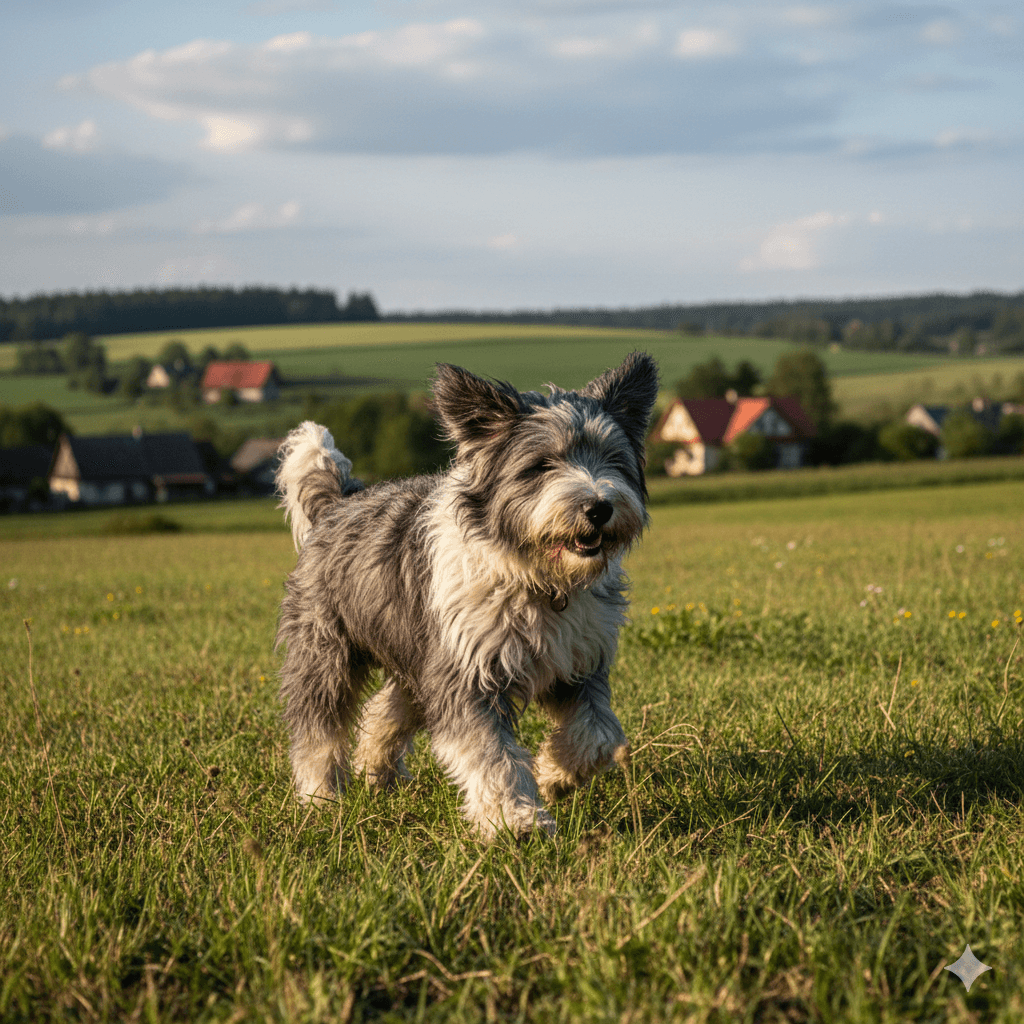
Distinctive Physical Traits of the Polish Lowland Sheepdog
The Polish Lowland Sheepdog’s appearance is as unique as its personality, characterized by a thick, shaggy coat and sturdy build. These traits not only contribute to their striking looks but also serve practical purposes for their original herding duties.
- Shaggy Double Coat:
Their dense, weather-resistant double coat protects against harsh climates while allowing freedom of movement during work. The outer layer is coarse, while the undercoat is soft and insulating. - Medium Size with Athletic Build:
Standing 18–20 inches tall at the shoulder and weighing 30–50 pounds, PONs are medium-sized dogs with muscular frames suited for agility and endurance. - Expressive Eyes and Ears:
Their dark, almond-shaped eyes convey intelligence and alertness, while heart-shaped ears hang close to the cheeks, adding to their endearing expression. - Tail Carriage and Length:
The tail is typically long and carried low, often with a slight curve upward. Some PONs are born with naturally short tails, though docking is no longer common practice. - Variety in Coat Colors:
While white with gray, black, or sandy patches is most common, PONs can also have solid-colored coats or other combinations, each adding to their individuality.
These physical characteristics make the Polish Lowland Sheepdog both functional and visually captivating, embodying the perfect blend of beauty and utility.
Check this guide 👉Shetland Sheepdog Corgi Mix: Best 7 Expert Tips!
Check this guide 👉The Kuvasz Dog: Best 7 Expert Tips!
Check this guide 👉Herding Dog Breeds: Best 7 Expert Tips!
Key Traits of Polish Lowland Sheepdogs | Care Requirements |
|---|---|
Medium-sized herding breed | Daily brushing to prevent matting |
Shaggy, weather-resistant coat | Monthly nail trimming and ear checks |
Intelligent and loyal temperament | At least 60 minutes of exercise daily |
Lifespan of 12–15 years | High-quality diet tailored to activity level |
Reserved with strangers, protective of family | Regular vet visits for health monitoring |
Temperament and Personality Highlights
The Polish Lowland Sheepdog is known for its lively, intelligent, and affectionate nature, making it an excellent companion for active families. However, their strong herding instincts and independent streak require understanding and consistent training.
- Loyal and Protective:
PONs form deep bonds with their families and are naturally protective, often acting as watchdogs without excessive aggression. - Intelligent and Trainable:
Highly intelligent, they excel in obedience, agility, and herding trials but may exhibit stubbornness if not properly motivated during training. - Playful and Energetic:
Their playful nature makes them great companions for children, though supervision is necessary due to their herding tendencies, which can include nipping at heels. - Reserved with Strangers:
While friendly once acquainted, PONs tend to be cautious around unfamiliar people, making socialization crucial from an early age. - Strong Herding Instincts:
This breed’s natural drive to herd extends beyond livestock—they may attempt to “herd” family members, pets, or even moving objects like cars.
Understanding these traits ensures you provide the right environment, training, and care to nurture your PON’s best qualities.
Grooming Needs for a Healthy Polish Lowland Sheepdog
The Polish Lowland Sheepdog’s luxurious coat requires regular grooming to maintain its health and appearance. Proper care prevents matting, reduces shedding, and keeps your PON comfortable year-round.
- Daily Brushing Routine:
Their long, shaggy coat tangles easily, so daily brushing with a slicker brush or comb removes debris, prevents mats, and distributes natural oils. - Bathing Every 6–8 Weeks:
Bathe your PON every 1–2 months using a gentle shampoo designed for dogs to avoid skin irritation and maintain coat shine. - Trimming Around Sensitive Areas:
Trim hair around the eyes, ears, paws, and sanitary areas regularly to prevent discomfort and infections. Professional grooming may be helpful for intricate trims. - Dental Hygiene Practices:
Brush your PON’s teeth 2–3 times weekly to prevent tartar buildup and gum disease, ensuring their overall health remains optimal. - Nail Care and Ear Checks:
Trim nails monthly and inspect ears weekly for signs of infection, such as redness, odor, or discharge, keeping them clean with vet-approved solutions.
Consistent grooming not only enhances your PON’s appearance but also strengthens your bond and promotes their well-being.
Exercise and Activity Requirements for Polish Lowland Sheepdogs
As a working breed, the Polish Lowland Sheepdog thrives on physical and mental stimulation. Meeting their exercise needs ensures they remain happy, healthy, and well-behaved companions.
- Daily Walks and Playtime:
At least 60 minutes of exercise daily, including walks, runs, or play sessions, satisfies their energy levels and prevents boredom-related behaviors. - Mental Stimulation Through Training:
Engage their sharp minds with puzzle toys, obedience drills, or scent work to challenge them intellectually and curb destructive tendencies. - Herding Activities and Sports:
Participating in herding trials, agility courses, or flyball taps into their natural instincts and provides an outlet for their boundless energy. - Supervised Outdoor Time:
Ensure your yard is securely fenced, as PONs are curious explorers prone to wandering off if left unsupervised. - Interaction with Family Members:
They crave companionship and thrive when included in family activities; isolation can lead to anxiety and behavioral issues.
Balancing physical activity with mental engagement keeps your Polish Lowland Sheepdog content and prevents frustration or restlessness.
Health Considerations for Polish Lowland Sheepdogs
While generally healthy, the Polish Lowland Sheepdog is prone to certain genetic conditions and health concerns. Awareness and proactive care help mitigate risks and ensure a long, fulfilling life.
- Hip Dysplasia Risk:
A common issue in medium to large breeds, hip dysplasia can cause lameness; reputable breeders screen for this condition before breeding. - Progressive Retinal Atrophy (PRA):
This inherited eye disorder leads to gradual vision loss; regular veterinary eye exams help detect early signs. - Gastric Torsion (Bloat):
Deep-chested breeds like PONs are susceptible to bloat, a life-threatening condition requiring immediate treatment. - Allergies and Skin Issues:
Food or environmental allergies may cause itching, rashes, or ear infections; hypoallergenic diets and proper grooming reduce flare-ups. - Patellar Luxation:
Kneecap dislocation affects some PONs, causing limping or lameness; surgery may be needed in severe cases.
Routine vet check-ups, a balanced diet, and responsible breeding practices minimize these risks and promote lifelong wellness.
Finding and Choosing a Reputable Polish Lowland Sheepdog Breeder
If you’re considering adding a Polish Lowland Sheepdog to your family, finding a reputable breeder is essential. Responsible breeders prioritize health, temperament, and adherence to breed standards, ensuring you bring home a well-adjusted puppy.
- Research Breeder Credentials:
Look for breeders affiliated with recognized organizations like the AKC or UKC, which uphold ethical breeding practices and standards. - Visit the Breeding Facility:
Tour the facility to assess living conditions, cleanliness, and how puppies interact with their mother and littermates. - Ask About Health Testing:
Reputable breeders conduct genetic testing for conditions like hip dysplasia and PRA, providing documentation to verify results. - Observe Puppy Temperament:
Healthy, well-socialized puppies should display curiosity, playfulness, and comfort around humans during interactions. - Prepare for Long Wait Times:
Due to the breed’s rarity, waitlists are common; patience ensures you receive a puppy from a trusted source rather than settling for convenience.
Choosing a responsible breeder sets the foundation for a loving, lifelong partnership with your Polish Lowland Sheepdog.
The Polish Lowland Sheepdog is “a shaggy, medium-sized herding breed known for their intelligence, loyalty, and lively temperament”
Erica Vasquez
Frequently Asked Questions About Polish Lowland Sheepdogs
What is the lifespan of a Polish Lowland Sheepdog?
The average lifespan of a Polish Lowland Sheepdog is 12–15 years with proper care, diet, and regular veterinary check-ups.
Are Polish Lowland Sheepdogs good with children?
Yes, they are excellent family dogs due to their playful and protective nature, but supervision is recommended because of their herding instincts.
Do Polish Lowland Sheepdogs shed a lot?
They shed moderately throughout the year and more heavily during seasonal changes; regular grooming helps manage shedding.
How much exercise does a Polish Lowland Sheepdog need daily?
They require at least 60 minutes of physical activity daily, including walks, playtime, and mental stimulation to stay happy and healthy.
Are Polish Lowland Sheepdogs easy to train?
While intelligent and eager to please, they can be stubborn; consistent, positive reinforcement training works best for this breed.
A Loyal Companion for Life
The Polish Lowland Sheepdog is more than just a herding dog—it’s a devoted partner, a playful companion, and a living piece of Polish heritage. Their intelligence, loyalty, and unique charm make them a joy to have around, but they thrive best in homes that understand their needs and provide ample love, structure, and care. Whether you’re drawn to their shaggy appearance or their spirited personality, welcoming a PON into your life means embracing an enduring bond filled with laughter, adventure, and unwavering devotion. With the right preparation and commitment, this remarkable breed will reward you with a lifetime of unconditional love and cherished memories.

Is Rawhide Bad for Cats? Best 7 Expert Tips! – Discover the risks, safe alternatives, and expert advice to keep your feline friend healthy and happy.

Is Rawhide Bad for Dogs? Best 7 Expert Tips! – Discover the risks, benefits, and safer alternatives to rawhides for your dog’s chewing needs.

Understanding Anorexia in Cats: Best 7 Expert Tips! – Learn why cats stop eating, spot warning signs, and discover how to help your feline regain appetite safely.

Understanding Anorexia in Dogs: Best 7 Expert Tips! – Learn causes, symptoms, and solutions to help your dog regain appetite and stay healthy.