
Understanding Poisonous Mushrooms for Cats: A Hidden Danger
Common Poisonous Mushrooms That Are Dangerous for Cats
- Amanita Species (e.g., Death Cap):
These mushrooms contain amatoxins, which target the liver and kidneys, causing acute organ failure within hours of ingestion. Symptoms include vomiting, diarrhea, and jaundice. - Galerina Marginata:
Also known as the “deadly skullcap,” this mushroom produces similar toxins to Amanita species, leading to severe gastrointestinal distress and liver damage. - Psilocybe Cubensis (Magic Mushrooms):
While not deadly, these hallucinogenic mushrooms affect the central nervous system, causing disorientation, seizures, and behavioral changes in cats. - Inocybe Species:
These mushrooms release muscarine, a toxin that disrupts the parasympathetic nervous system, resulting in excessive drooling, vomiting, and difficulty breathing. - Chlorophyllum Molybdites:
Often found in lawns, this mushroom causes intense gastrointestinal upset, including vomiting, diarrhea, and dehydration, within 1–3 hours of ingestion.
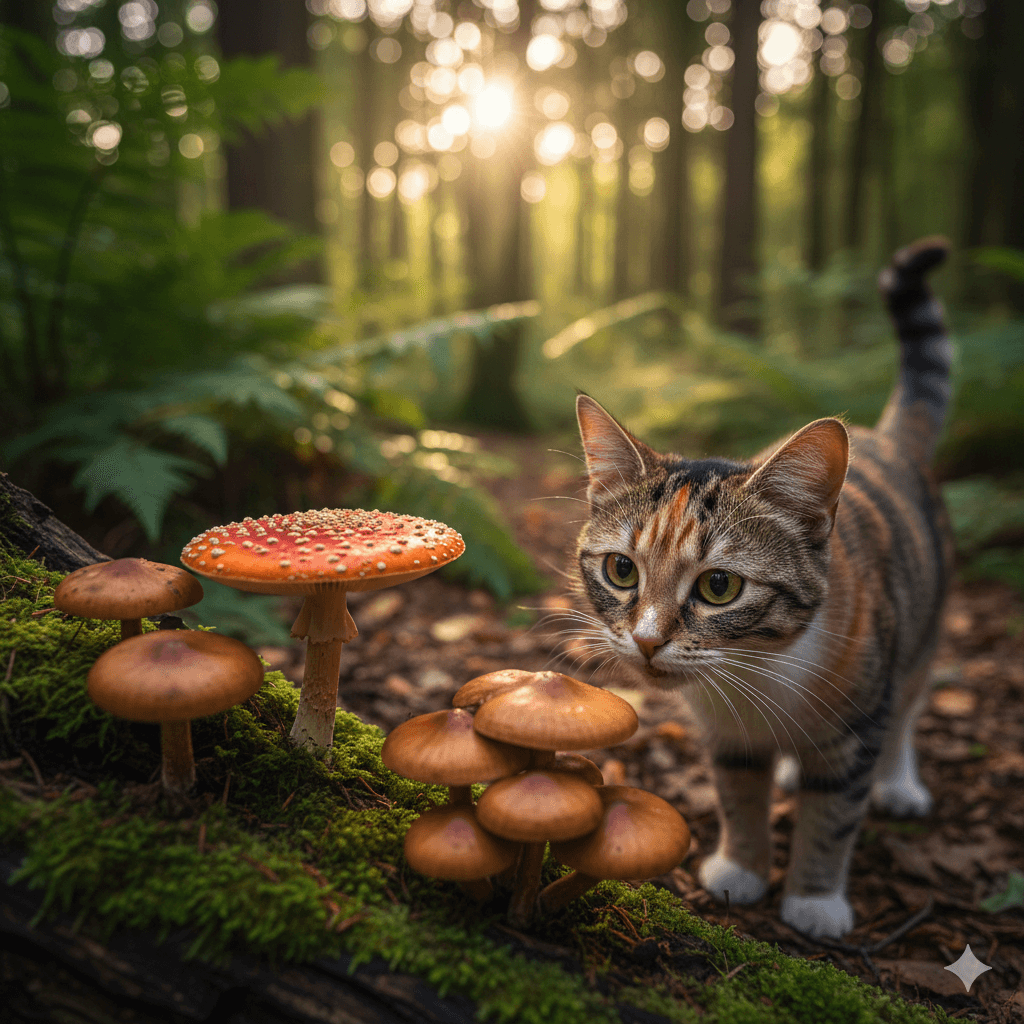
Symptoms of Mushroom Poisoning in Cats
- Vomiting and Diarrhea:
Gastrointestinal distress is one of the first indicators of mushroom toxicity, often accompanied by abdominal pain and dehydration. - Neurological Symptoms:
Hallucinations, seizures, disorientation, or unusual behavior may occur if your cat consumes psychoactive mushrooms like Psilocybe species. - Liver or Kidney Damage:
Toxins from Amanita or Galerina species lead to jaundice, lethargy, and loss of appetite as the liver and kidneys struggle to function properly. - Excessive Drooling and Sweating:
Muscarine-containing mushrooms cause overstimulation of the nervous system, resulting in hypersalivation, watery eyes, and sweating-like symptoms. - Collapse or Coma:
In severe cases, advanced poisoning leads to shock, collapse, or unconsciousness due to systemic organ failure or neurotoxin effects.
Check this guide 👉Are Poinsettias Poisonous to Cats? Best 7 Expert Tips!
Check this guide 👉Salt Poisoning in Cats: Best 7 Expert Tips!
Check this guide 👉Cyanide Poisoning in Cats: Best 7 Expert Tips!
| Poisonous Mushroom Species | Common Symptoms in Cats |
|---|---|
| Amanita (Death Cap) | Vomiting, diarrhea, jaundice, liver failure |
| Galerina Marginata | Lethargy, abdominal pain, kidney damage |
| Psilocybe Cubensis (Magic Mushrooms) | Hallucinations, seizures, disorientation |
| Inocybe Species | Excessive drooling, vomiting, difficulty breathing |
| Chlorophyllum Molybdites | Gastrointestinal upset, dehydration |
How Poisonous Mushrooms Affect a Cat’s Body
- Hepatotoxic Compounds (e.g., Amatoxins):
These toxins inhibit RNA polymerase II, preventing protein synthesis in liver cells and leading to cell death, inflammation, and eventual organ failure. - Nephrotoxic Effects:
Some mushrooms damage kidney tissues directly, impairing filtration and waste removal, which results in toxin buildup and systemic illness. - Neurotoxins and Hallucinogens:
Psychoactive compounds disrupt neurotransmitter balance, affecting brain function and causing erratic behavior, tremors, or seizures. - Muscarinic Toxins:
Mushrooms containing muscarine overstimulate acetylcholine receptors, triggering excessive salivation, urination, defecation, and respiratory distress. - Gastrointestinal Irritants:
Non-lethal but unpleasant, these toxins irritate the stomach lining, causing vomiting, diarrhea, and dehydration without long-term consequences.
First Aid Steps If Your Cat Eats a Poisonous Mushroom
- Remove Remaining Mushroom Pieces:
Prevent further ingestion by removing any remaining pieces from your cat’s mouth or surrounding area, wearing gloves to avoid self-exposure. - Do Not Induce Vomiting Without Guidance:
Forcing vomiting can worsen irritation or aspiration risks unless explicitly instructed by a veterinarian or poison control expert. - Call a Pet Poison Helpline:
Experts provide tailored advice based on the type of mushroom, quantity ingested, and your cat’s size and breed. - Monitor for Symptoms:
Watch for changes in behavior, appetite, or physical condition over the next 24–48 hours, noting any new developments. - Prepare for Vet Visit:
Bring a sample of the mushroom (if possible) or take clear photos to help the vet identify the species and assess toxicity levels accurately.
Treatment Options for Mushroom Poisoning in Cats
- Activated Charcoal Administration:
Charcoal binds to toxins in the stomach, reducing their absorption into the bloodstream and limiting systemic spread. - IV Fluid Therapy:
Intravenous fluids support hydration, flush toxins from the body, and maintain organ function during recovery. - Liver Support Medications:
Drugs like SAMe or silymarin protect liver cells and promote regeneration in cases of hepatotoxicity. - Anticonvulsants for Seizures:
If neurotoxins trigger seizures, medications such as diazepam or phenobarbital help control convulsions and stabilize brain activity. - Hospitalization for Monitoring:
Severe cases require extended observation to manage complications like organ failure, dehydration, or secondary infections.
Preventing Mushroom Exposure for Outdoor Cats
- Inspect Your Yard Regularly:
Check for wild mushrooms after rain or humid weather, removing any suspicious growths immediately and disposing of them safely. - Supervise Outdoor Time:
Keep outdoor cats under supervision or restrict access to wooded areas where mushrooms commonly grow. - Use Pet-Safe Barriers:
Install fences or barriers around garden beds or shaded areas prone to fungal growth to block access. - Educate Family Members:
Ensure everyone in the household understands the dangers of mushrooms and knows how to identify potentially toxic varieties. - Train Recall Commands:
Teaching commands like “come” or “leave it” helps redirect your cat away from hazardous items during walks or playtime.
Long-Term Effects of Mushroom Poisoning in Cats
- Chronic Liver or Kidney Disease:
Severe hepatotoxicity or nephrotoxicity may lead to permanent organ damage, necessitating dietary changes, supplements, or medication. - Neurological Impairment:
Cats exposed to neurotoxins may experience lingering tremors, seizures, or cognitive deficits requiring specialized care. - Behavioral Changes:
Traumatic experiences from poisoning can make cats more anxious or cautious, altering their personality temporarily or permanently. - Increased Veterinary Costs:
Frequent check-ups, blood tests, and treatments add financial strain, emphasizing the importance of pet insurance or savings. - Heightened Sensitivity to Toxins:
Recovered cats may become more vulnerable to other toxins, requiring stricter environmental controls and supervision.
“If your pet is exposed to toxic mushrooms, seek the advice of your veterinarian or ASPCA Poison Control immediately as a delay in treatment can be dangerous with some mushrooms.”
— ASPCA Poison Control Team
Frequently Asked Questions About Poisonous Mushrooms for Cats
Are all mushrooms toxic to cats?
No, not all mushrooms are toxic, but it’s best to assume any wild mushroom could be dangerous and avoid exposure altogether.
How soon will symptoms appear after ingestion?
Symptoms typically emerge within 1–6 hours, depending on the type of mushroom and its toxins, though some effects may take longer to manifest.
What should I do if I find my cat eating a mushroom?
Remove the mushroom immediately, call a pet poison hotline or your vet, and monitor your cat closely for symptoms like vomiting, diarrhea, or lethargy.
Can indoor cats be exposed to poisonous mushrooms?
Yes, indoor cats can be exposed if mushrooms are brought indoors (e.g., in potted plants or on shoes) or if they encounter toxic varieties in the home.
Is there an antidote for mushroom poisoning in cats?
There is no universal antidote; treatment focuses on decontamination, supportive care, and managing symptoms based on the specific toxin involved.
A Lifeline in Every Moment of Crisis

Is Rawhide Bad for Cats? Best 7 Expert Tips! – Discover the risks, safe alternatives, and expert advice to keep your feline friend healthy and happy.

Is Rawhide Bad for Dogs? Best 7 Expert Tips! – Discover the risks, benefits, and safer alternatives to rawhides for your dog’s chewing needs.

Understanding Anorexia in Cats: Best 7 Expert Tips! – Learn why cats stop eating, spot warning signs, and discover how to help your feline regain appetite safely.

Understanding Anorexia in Dogs: Best 7 Expert Tips! – Learn causes, symptoms, and solutions to help your dog regain appetite and stay healthy.