
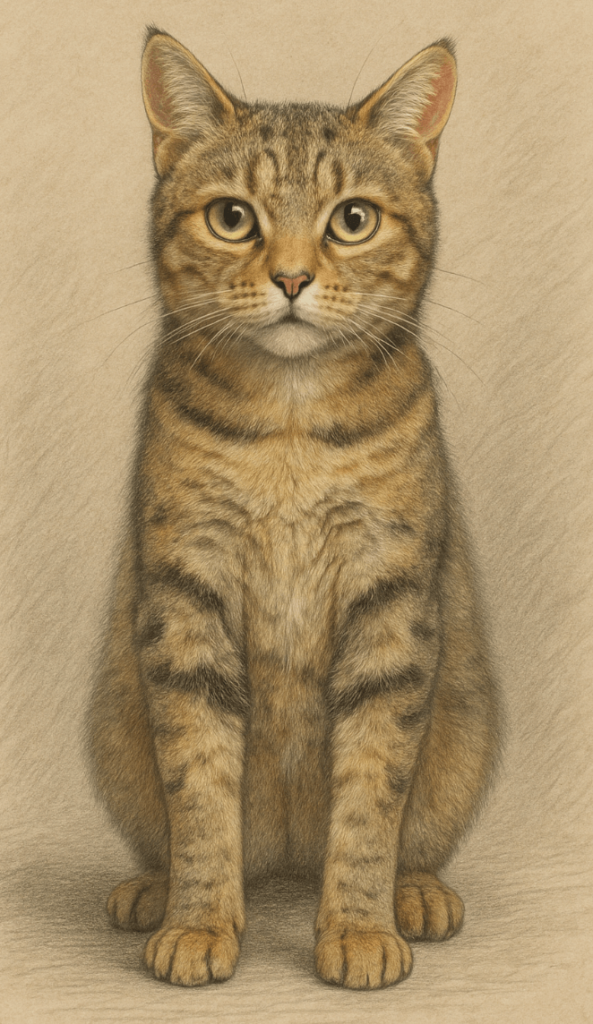

Understanding the Plantigrade Stance in Cats
The way animals move and carry themselves is often a fascinating subject, especially when it comes to our feline companions. While cats are typically known for their digitigrade stance—walking on their toes—they can sometimes adopt a plantigrade stance, where they walk flat-footed on the entire sole of their paw. This unusual posture may raise questions about its causes, implications, and whether it’s normal or a sign of an underlying issue. In this blog post, we’ll explore everything you need to know about the plantigrade stance in cats, from its biological basis to potential health concerns. Whether you’re a curious cat owner or simply intrigued by animal behavior, this guide will provide valuable insights into this unique phenomenon.
What Causes a Plantigrade Stance in Cats?
A plantigrade stance in cats can occur for various reasons, ranging from temporary factors to more serious medical conditions. Understanding these causes is key to determining whether intervention is necessary.
Injury or Trauma:
Pain or damage to a cat’s paws, legs, or joints may force them to shift their weight onto their heels as a way to alleviate discomfort.Nerve Damage:
Conditions affecting the nervous system, such as neuropathy, can impair a cat’s ability to walk normally, leading to a flat-footed gait.Muscle Weakness:
Weakness in the muscles supporting the legs and paws may cause a cat to adopt a plantigrade stance due to reduced strength and coordination.Arthritis or Joint Issues:
Chronic conditions like arthritis can make walking painful, prompting cats to adjust their posture to minimize strain on affected areas.Congenital Disorders:
Some cats may be born with structural abnormalities that affect their gait, resulting in a naturally plantigrade stance.
Identifying the root cause of a plantigrade stance is crucial for addressing any underlying issues and ensuring your cat’s well-being.
Signs Your Cat May Be Experiencing Discomfort
If your cat suddenly adopts a plantigrade stance, it could be a sign of discomfort or distress. Look out for these accompanying symptoms that may indicate an underlying problem.
Limping or Favoring Certain Limbs:
A noticeable limp suggests pain or injury in one or more legs, which may explain the altered gait.Reluctance to Jump or Climb:
Cats with mobility issues often avoid activities that require agility, such as jumping onto furniture.Swelling or Visible Wounds:
Check your cat’s paws and legs for signs of swelling, cuts, or other injuries that might be causing pain.Excessive Licking or Chewing at Paws:
Persistent grooming of specific areas may indicate irritation or discomfort in those regions.Changes in Behavior or Appetite:
Cats in pain may become withdrawn, lethargic, or lose interest in food, signaling a need for veterinary attention.
Recognizing these signs early allows you to seek professional help promptly, preventing further complications.
Check this guide 👉Cyst in Dog Paw: Best 7 Health Tips!
Check this guide 👉Salt Burns on Dog Paws: Best 7 Health Tips!
Check this guide 👉Understanding Dog Paw Bleeding: Best 7 Expert Tips!
Potential Causes of Plantigrade Stance | Possible Solutions or Treatments |
|---|---|
Injury or trauma to paws or legs | Rest, pain management, and wound care |
Nerve damage or neuropathy | Veterinary diagnosis and specialized care |
Muscle weakness or fatigue | Physical therapy and nutritional support |
Arthritis or joint inflammation | Anti-inflammatory medications and supplements |
Congenital or structural abnormalities | Surgical correction (if necessary) |
How to Support Your Cat’s Recovery
If your cat has adopted a plantigrade stance due to an injury or illness, there are several steps you can take to support their recovery and improve their quality of life.
Consult a Veterinarian:
Schedule an appointment with your vet to diagnose the underlying cause and develop a tailored treatment plan.Provide Comfortable Rest Areas:
Ensure your cat has soft, supportive bedding to rest and recover without additional strain on their body.Limit Physical Activity:
Restrict strenuous activities like running or jumping to allow time for healing and prevent further injury.Administer Medication as Prescribed:
Follow your vet’s instructions carefully when giving pain relievers or anti-inflammatory drugs.Monitor Progress Regularly:
Keep track of changes in your cat’s gait and overall condition, reporting any concerns to your vet immediately.
By taking these proactive measures, you can help your cat regain their normal gait and live a happy, healthy life.
Preventing Mobility Issues in Cats
Prevention is always better than cure, especially when it comes to your cat’s mobility. These tips can help reduce the risk of conditions that may lead to a plantigrade stance.
Maintain a Healthy Weight:
Obesity puts extra strain on your cat’s joints, increasing the likelihood of mobility problems.Encourage Regular Exercise:
Provide opportunities for play and movement to keep your cat’s muscles strong and flexible.Inspect Paws Regularly:
Check your cat’s paws for cuts, swelling, or foreign objects that could cause pain or injury.Schedule Routine Vet Checkups:
Regular veterinary visits can catch potential issues early before they escalate into serious problems.Provide a Safe Environment:
Minimize hazards in your home, such as sharp objects or slippery surfaces, to prevent accidents.
Taking preventive action ensures your cat stays agile and comfortable throughout their life.
Common Misconceptions About Plantigrade Stance in Cats
There are several misconceptions surrounding the plantigrade stance in cats. Clearing up these myths helps foster a better understanding of this condition.
It’s Always a Sign of Serious Illness:
While it can indicate health problems, minor injuries or temporary fatigue may also cause a plantigrade stance.Cats Will Outgrow It Naturally:
Without proper intervention, underlying issues won’t resolve on their own and may worsen over time.Only Older Cats Are Affected:
Younger cats and kittens can also develop a plantigrade stance due to injuries or congenital conditions.It’s Normal for Certain Breeds:
No breed naturally walks flat-footed; any deviation from a digitigrade stance warrants investigation.Home Remedies Are Enough:
Self-treatment can delay proper diagnosis and potentially harm your cat if the root cause isn’t addressed.
Dispelling these myths ensures you approach the situation with accurate information and appropriate care.
Dietary Considerations for Cats with Mobility Issues
Nutrition plays a vital role in maintaining your cat’s overall health, particularly when dealing with mobility challenges. These dietary tips can support their recovery and long-term well-being.
High-Quality Protein Sources:
Protein supports muscle repair and maintenance, crucial for cats recovering from injuries or weakness.Omega-3 Fatty Acids:
Found in fish oil, Omega-3s have anti-inflammatory properties that benefit joint health.Glucosamine and Chondroitin Supplements:
These compounds promote cartilage repair and reduce joint stiffness, often recommended for arthritis.Controlled Calorie Intake:
Avoid overfeeding to prevent excessive weight gain, which strains joints and exacerbates mobility issues.Hydration is Key:
Proper hydration keeps tissues lubricated and aids in the absorption of nutrients.
A balanced diet tailored to your cat’s needs can significantly impact their mobility and overall vitality.
Behavioral Changes to Watch For in Cats with Mobility Issues
Mobility issues often manifest in subtle behavioral changes. Recognizing these shifts can help you identify problems early and seek timely care.
Reduced Playfulness:
Cats with mobility challenges may lose interest in toys or interactive games they once enjoyed.Difficulty Using the Litter Box:
Pain or stiffness may make it hard for cats to enter or exit the litter box, leading to accidents outside it.Increased Vocalization:
Whining or meowing more than usual can indicate discomfort or frustration due to limited movement.Hiding or Avoidance Behaviors:
Cats in pain may isolate themselves to avoid interaction or hide their vulnerability.Altered Sleep Patterns:
Discomfort may disrupt sleep, causing restlessness or frequent position changes during the night.
Observing these behaviors allows you to intervene promptly and provide the care your cat needs.
Frequently Asked Questions About Plantigrade Stance in Cats
Is a plantigrade stance normal for cats?
No, most cats walk on their toes (digitigrade). A plantigrade stance is usually a sign of discomfort or an underlying issue.
Can kittens grow out of a plantigrade stance?
If caused by developmental issues, some kittens may improve with age, but veterinary guidance is essential.
Does arthritis cause a plantigrade stance?
Yes, arthritis can lead to changes in gait, including walking flat-footed, as cats try to relieve joint pain.
When should I see a vet?
If your cat suddenly adopts a plantigrade stance or shows signs of pain, consult a vet as soon as possible.
Can physical therapy help?
Yes, physical therapy can strengthen muscles and improve mobility in cats with certain conditions.
Supporting Your Cat Through Every Step
A plantigrade stance in cats may seem unusual, but it often serves as a signal that something requires attention. Whether caused by injury, illness, or congenital factors, understanding the reasons behind this posture empowers you to take the right steps toward helping your feline friend. By staying vigilant, seeking professional advice, and providing a nurturing environment, you can ensure your cat remains comfortable and mobile. Remember, even small changes in your cat’s behavior or gait warrant investigation—because every step they take matters.
How Cats Develop Lymphoma: Best 7 Expert Tips! – Learn about causes, symptoms, and prevention to protect your cat from this common cancer.
How Dogs Develop Lymphoma: Best 7 Expert Tips! – Learn causes, symptoms, and prevention strategies to protect your dog from this common cancer.
Diphenhydramine Safe for Dogs? Best 7 Expert Tips! – Learn proper dosing, uses, and precautions to keep your dog safe while using Benadryl.
Is Milk in Cat Food Safe? Best 7 Expert Tips! – Discover the truth about milk in cat food, its risks, and how to keep your feline healthy and happy.


