
Understanding Pica in Dogs: A Concerning Behavior
Common Causes of Pica in Dogs
- Nutritional Deficiencies:
Dogs lacking essential nutrients like iron, vitamins, or minerals may instinctively consume non-food items to compensate for their dietary gaps. - Underlying Medical Conditions:
Conditions such as gastrointestinal disorders, diabetes, or thyroid imbalances can lead to pica as a secondary symptom. - Parasitic Infections:
Intestinal parasites like roundworms or hookworms may cause nutrient malabsorption, driving dogs to eat unusual substances in an attempt to self-medicate. - Boredom or Lack of Stimulation:
Dogs with insufficient mental or physical exercise may develop pica as a way to alleviate boredom or anxiety. - Genetic or Breed Predispositions:
Certain breeds, particularly those prone to obsessive behaviors like Labrador Retrievers or Border Collies, may be more likely to exhibit pica tendencies.
Symptoms and Warning Signs of Pica
- Frequent Chewing on Non-Food Items:
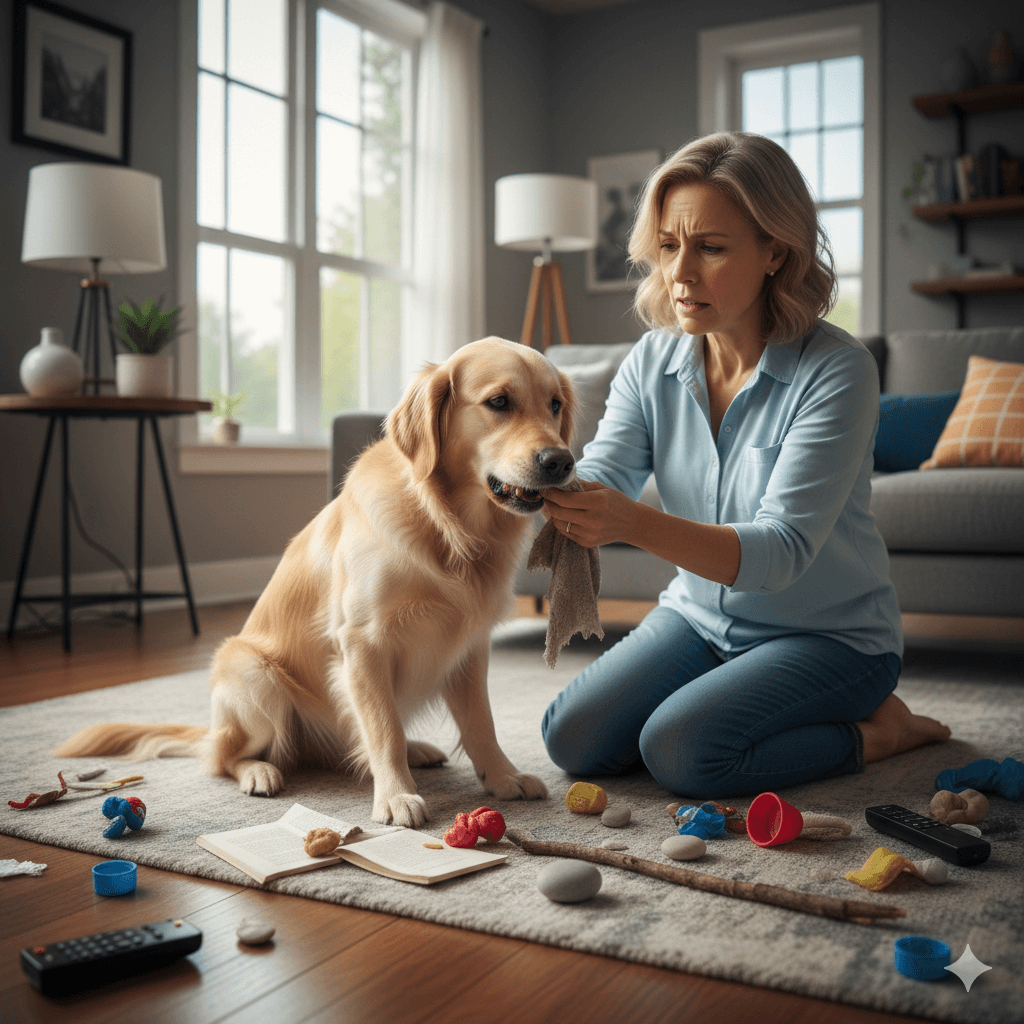
Dogs with pica often chew or swallow rocks, dirt, fabric, plastic, or even metal objects found around the house. - Digestive Upset:
Vomiting, diarrhea, or constipation may occur if indigestible materials irritate the stomach or intestines. - Weight Loss or Lethargy:
Chronic pica can lead to malnutrition or blockages, resulting in noticeable weight loss and decreased energy levels. - Excessive Drooling:
Drooling or gagging after chewing unusual items could signal discomfort or ingestion of harmful substances. - Behavioral Changes:
Anxiety, restlessness, or obsessive focus on specific objects may accompany pica-related behaviors.
Check this guide 👉Vacuolar Hepatopathy in Dogs: Best 7 Expert Tips!
Check this guide 👉Pemphigus Erythematosus in Dogs: Best 7 Expert Tips!
Check this guide 👉Epilepsy in Dogs: Best 7 Expert Tips!
| Preventive Measures for Pica | Signs Your Dog Needs Immediate Help |
|---|---|
| Feed a balanced, nutrient-rich diet | Vomiting repeatedly after eating non-food items |
| Provide interactive toys and puzzles | Refusal to eat or drink for over 24 hours |
| Secure hazardous items out of reach | Excessive drooling or gagging |
| Schedule regular vet check-ups | Lethargy or abdominal swelling |
| Train commands like “leave it” | Blood in stool or vomit |
Health Risks Associated with Pica in Dogs
- Gastrointestinal Blockages:
Swallowed objects like rocks or socks can obstruct the intestines, leading to severe pain, vomiting, and emergency surgery. - Toxicity from Consumed Items:
Ingesting toxic substances like batteries, cleaning products, or poisonous plants can cause chemical burns, poisoning, or organ damage. - Dental Damage:
Chewing hard objects like stones or metal can crack teeth, damage gums, or lead to costly dental repairs. - Parasite Exposure:
Eating soil or feces increases the risk of parasitic infections, which can further exacerbate nutritional deficiencies. - Psychological Stress:
Persistent pica often reflects underlying anxiety or stress, impacting your dog’s overall well-being and quality of life.
How to Diagnose Pica in Dogs
- Comprehensive Physical Exam:
The vet checks for signs of malnutrition, dehydration, or other physical abnormalities linked to pica. - Blood Tests and Urinalysis:
These tests identify nutritional deficiencies, hormonal imbalances, or systemic illnesses contributing to the behavior. - Fecal Analysis:
Examining stool samples detects parasites or undigested materials that may explain pica tendencies. - Behavioral Assessment:
A detailed history of your dog’s habits, environment, and routines helps pinpoint psychological triggers. - Imaging Studies:
X-rays or ultrasounds reveal foreign objects lodged in the digestive tract or structural abnormalities causing discomfort.
Treatment Options for Managing Pica
- Dietary Adjustments:
Switching to a balanced, nutrient-rich diet ensures your dog receives all essential vitamins and minerals. - Medications for Underlying Conditions:
Prescribed treatments address medical issues like thyroid disorders, diabetes, or parasite infections contributing to pica. - Behavioral Training:
Positive reinforcement techniques redirect your dog’s focus away from non-food items toward safe toys or activities. - Environmental Enrichment:
Providing interactive toys, puzzles, and regular exercise reduces boredom and curbs compulsive behaviors. - Supervised Access to Problem Areas:
Limiting access to areas with tempting non-food items prevents accidental ingestion and reinforces training efforts.
Preventing Pica in Dogs
- Balanced Nutrition:
Feeding high-quality dog food tailored to your pet’s age, size, and activity level prevents cravings for non-food items. - Regular Vet Check-Ups:
Routine exams catch nutritional deficiencies or medical conditions early, minimizing pica risks. - Secure Hazardous Items:
Storing small objects, chemicals, and toxic materials out of reach reduces temptation and potential harm. - Mental and Physical Stimulation:
Daily walks, playtime, and interactive toys keep your dog engaged and less likely to seek out inappropriate items. - Training and Socialization:
Teaching commands like “leave it” and exposing your dog to diverse environments fosters confidence and reduces anxiety-driven behaviors.
Long-Term Management of Pica in Dogs
- Ongoing Nutritional Support:
Supplements or specialized diets continue supporting your dog’s nutritional needs, especially if deficiencies persist. - Behavioral Counseling:
Working with a certified animal behaviorist provides tailored solutions for persistent or severe cases of pica. - Regular Monitoring:
Keeping track of your dog’s habits and health status helps detect relapses or new triggers early. - Creating a Safe Environment:
Dog-proofing your home and yard eliminates access to hazardous materials, reinforcing preventative measures. - Building a Routine:
Establishing predictable daily schedules for feeding, exercise, and playtime reduces stress and promotes stability.
“Pica is not the occasional taste of something to test it out, it’s consistently eating substances that provide zero nutrition or physical benefit to the dog.” – Stephanie Gibeault, MSc, CPDT
Frequently Asked Questions About Pica in Dogs
Can pica be cured completely?
While some cases of pica can be resolved entirely with proper treatment, others may require ongoing management, especially if linked to chronic conditions or genetic predispositions.
Is pica dangerous for my dog?
Yes—pica can lead to gastrointestinal blockages, poisoning, dental damage, or exposure to parasites, all of which pose serious health risks.
What should I do if my dog eats something toxic?
Contact your veterinarian or a pet poison hotline immediately. Do not induce vomiting unless instructed by a professional.
How can I stop my dog from eating rocks?
Redirect their attention with interactive toys, provide plenty of mental stimulation, and supervise outdoor activities closely.
Are certain breeds more prone to pica?
Yes—breeds like Labrador Retrievers, Border Collies, and Greyhounds are more likely to develop pica due to their high energy levels and tendency toward obsessive behaviors.
A Lifeline in Every Moment of Crisis

Is Rawhide Bad for Cats? Best 7 Expert Tips! – Discover the risks, safe alternatives, and expert advice to keep your feline friend healthy and happy.

Is Rawhide Bad for Dogs? Best 7 Expert Tips! – Discover the risks, benefits, and safer alternatives to rawhides for your dog’s chewing needs.

Understanding Anorexia in Cats: Best 7 Expert Tips! – Learn why cats stop eating, spot warning signs, and discover how to help your feline regain appetite safely.

Understanding Anorexia in Dogs: Best 7 Expert Tips! – Learn causes, symptoms, and solutions to help your dog regain appetite and stay healthy.