
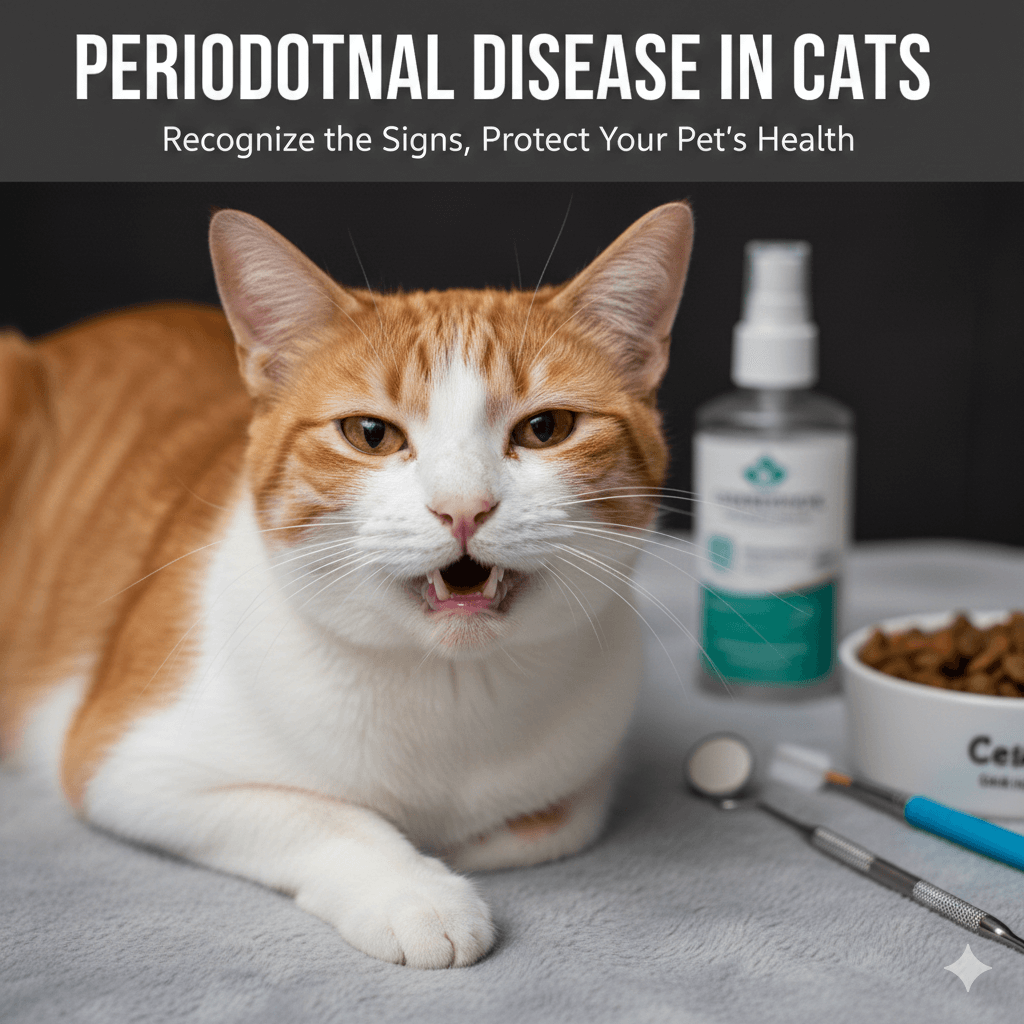

Periodontal Disease in Cats: Best 7 Expert Tips!

Periodontal Disease in Cats: Best 7 Expert Tips!

Understanding Periodontal Disease in Cats: Best 7 Expert Tips!

Periodontal disease is the most common dental condition affecting cats—and often goes unnoticed until it’s advanced. Unlike humans, cats rarely show obvious pain, yet this progressive illness can lead to tooth loss, infection, and even organ damage. Early detection and consistent oral care are your best defenses. With simple daily habits and vet-guided strategies, you can protect your feline’s smile and overall health. Here’s how to recognize, prevent, and manage this silent but serious condition.

Common Signs Your Cat May Have Periodontal Disease

Cats are masters at hiding discomfort, so subtle behavioral and physical changes are often the only clues to dental trouble. Watch for these early indicators—especially in cats over three years old, as most show some degree of periodontal disease by then:

 
  • Bad Breath (Halitosis):
    Persistent foul odor from the mouth is often the first noticeable sign of bacterial buildup and gum inflammation.
     
  • Red or Swollen Gums:
    Healthy gums are pale pink and firm; inflamed gums appear bright red, puffy, or may bleed easily during eating.
     
  • Difficulty Chewing or Dropping Food:
    Your cat may chew on one side of the mouth, avoid dry kibble, or drop food due to pain or loose teeth.
     
  • Excessive Drooling or Pawing at the Mouth:
    Unusual saliva (sometimes tinged with blood) or frequent face-rubbing can signal oral discomfort.
     
  • Receding Gums or Visible Tartar:
    Yellow-brown crust along the gumline or exposed tooth roots indicate advancing disease.
 

If you notice any of these signs, schedule a veterinary dental exam—early intervention can prevent irreversible damage.

 
Periodontal Disease in Cats: Best 7 Expert Tips!

When to Worry: Advanced Symptoms Requiring Immediate Care

While mild gingivitis may be reversible, untreated periodontal disease progresses silently and can cause severe complications. These red flags suggest advanced infection or systemic impact and demand urgent veterinary attention:

 
  • Loose or Missing Teeth:
    Tooth mobility or sudden tooth loss signals destruction of supporting bone and ligaments.
     
  • Facial Swelling or Discharge:
    Swelling below the eye or nasal discharge may indicate a tooth root abscess spreading to surrounding tissues.
     
  • Loss of Appetite or Weight Loss:
    Chronic mouth pain leads to reduced food intake, risking malnutrition and organ stress.
     
  • Reluctance to Be Touched Near the Face:
    Your cat may hiss, flinch, or withdraw when you approach their head—a sign of significant pain.
     
  • Bleeding from the Mouth:
    Visible blood in saliva, water bowls, or on toys indicates severe gum erosion or ulceration.
 

These symptoms reflect more than just dental issues—they threaten your cat’s entire well-being and require immediate professional care.

Early Warning Signs
Advanced Complications to Monitor
Mild bad breath
Foul, persistent halitosis
Slight gum redness
Bleeding or receding gums
Hesitation with dry food
Refusing all food or weight loss
Minimal tartar buildup
Heavy calculus or visible tooth roots
Occasional pawing at face
Facial swelling or nasal discharge

Causes Behind Periodontal Disease in Cats

Periodontal disease doesn’t appear overnight—it develops over months or years due to plaque accumulation and immune response. Understanding root causes helps you take targeted preventive action:

 
  • Plaque and Tartar Buildup:
    Bacteria in saliva form plaque within hours of eating; if not removed, it hardens into tartar that irritates gums.
     
  • Poor Oral Hygiene:
    Most cats never receive toothbrushing, allowing plaque to accumulate unchecked along the gumline.
     
  • Diet and Food Texture:
    Soft or sticky foods cling to teeth, while dry kibble alone rarely provides enough abrasive action to clean effectively.
     
  • Genetic Predisposition:
    Breeds like Siamese, Abyssinian, and Maine Coon are more prone to severe periodontal disease due to jaw structure or immune traits.
     
  • Underlying Health Conditions:
    Diseases like feline leukemia (FeLV), FIV, or calicivirus can weaken immunity and worsen oral inflammation.
 

Addressing these factors—especially daily plaque control—is essential to breaking the cycle of inflammation and destruction.

At-Home Care Strategies for Prevention and Early Management

Daily oral care at home is the single most effective way to prevent or slow periodontal disease. Start early and stay consistent, even if your cat resists at first—most adapt with patience and positive reinforcement:

 
  • Brush Teeth Daily:
    Use a cat-specific toothbrush and enzymatic toothpaste (never human toothpaste) to gently clean outer tooth surfaces.
     
  • Use Veterinary-Approved Dental Treats:
    Look for VOHC (Veterinary Oral Health Council)–approved treats designed to reduce plaque through mechanical action.
     
  • Add Water Additives or Gels:
    Oral rinses or gels with chlorhexidine or enzymes can help reduce bacteria when brushing isn’t possible.
     
  • Offer Dental-Friendly Toys:
    Chew toys made of safe, textured materials encourage natural gnawing that helps scrape away soft plaque.
     
  • Schedule Regular Home Checks:
    Lift your cat’s lips weekly to inspect gums, teeth, and breath—early changes are easier to manage.
 

Even 30 seconds of daily brushing can dramatically reduce your cat’s risk of advanced dental disease.

Preventing Future Progression Through Veterinary Support

Professional care complements your home efforts and catches problems before they escalate. Regular vet involvement is non-negotiable for long-term oral health:

 
  • Annual Dental Exams:
    Include oral checks during every wellness visit; many issues are only visible under anesthesia.
     
  • Professional Dental Cleanings:
    Most cats need a full scaling and polishing under anesthesia every 1–3 years, depending on individual risk.
     
  • Dental X-Rays:
    Up to 60% of dental disease occurs below the gumline—only X-rays reveal hidden abscesses, resorptive lesions, or bone loss.
     
  • Early Intervention for Gingivitis:
    Reversible gum inflammation can be halted with cleaning and home care before it damages tooth support structures.
     
  • Personalized Prevention Plans:
    Your vet can tailor diet, products, and monitoring frequency based on your cat’s age, breed, and health status.
 

Prevention isn’t optional—it’s a core part of responsible cat ownership that directly impacts longevity and quality of life.

Special Considerations for Senior Cats and High-Risk Breeds

Older cats and certain breeds face higher risks and may need more aggressive monitoring. Their unique needs require proactive, compassionate care:

 
  • Senior Cats (7+ Years):
    Natural wear, reduced immunity, and years of plaque buildup make them prime candidates for advanced disease—don’t assume “it’s just old age.”
     
  • Brachycephalic Breeds (e.g., Persians):
    Crowded or misaligned teeth trap more food debris and bacteria, accelerating plaque formation.
     
  • Cats with Chronic Illness:
    Conditions like kidney disease or diabetes increase susceptibility to infections, including oral ones.
     
  • FIV/FeLV-Positive Cats:
    Compromised immune systems struggle to control oral bacteria, leading to rapid disease progression.
     
  • Cats with Resorptive Lesions:
    Extremely common in adult cats, these painful tooth erosions often coexist with periodontal disease and require extraction.
 

For these vulnerable groups, biannual dental check-ups and rigorous home care are essential, not optional.

What to Expect During a Feline Dental Procedure

If your vet recommends a professional cleaning or treatment, here’s what typically happens—designed for safety, thoroughness, and comfort:

 
  • Pre-Anesthetic Blood Work:
    Ensures liver and kidney function are adequate to process anesthesia safely.
     
  • Full Mouth X-Rays:
    Taken while under anesthesia to assess bone health, root integrity, and hidden pathology.
     
  • Ultrasonic Scaling and Polishing:
    Plaque and tartar are removed above and below the gumline, followed by polishing to smooth enamel.
     
  • Tooth Extractions (if needed):
    Severely damaged or infected teeth are removed to eliminate pain and infection sources.
     
  • Pain Management and Recovery Plan:
    Your cat receives pain relief and antibiotics if necessary, plus instructions for post-op care at home.
 

Modern veterinary dentistry prioritizes both comfort and long-term oral health—most cats return home the same day feeling better than they have in months.

Frequently Asked Questions About Periodontal Disease in Cats

Can periodontal disease in cats be reversed?

Gingivitis (early stage) can be reversed with cleaning and home care, but once bone loss occurs (periodontitis), it’s irreversible—only manageable.

No. While mild odor may occur, persistent halitosis is a red flag for dental or systemic disease and should never be ignored.

Yes—often severe pain—but they rarely vocalize it. Changes in eating, grooming, or behavior are their way of signaling distress.

Never. Human toothpaste contains xylitol and fluoride, which are toxic to cats. Always use veterinary-formulated cat toothpaste.

It varies by individual, but most cats benefit from a professional cleaning every 1–3 years, starting as early as age 2–3.

Protecting Your Cat’s Smile for a Healthier, Happier Life

Your cat’s oral health is far more than just clean teeth—it’s a window into their overall well-being. Periodontal disease doesn’t just threaten their smile; it can silently burden their heart, kidneys, and liver with chronic inflammation. But with your vigilance, daily care, and veterinary partnership, you can spare your feline friend from pain and preserve their quality of life for years to come. Start today: lift those lips, offer a gentle brush, and schedule that dental check-up. Because every purr deserves a pain-free mouth—and every cat deserves to eat, play, and nuzzle without hidden suffering.

 
Newfoundland Dog Personality: Best 7 Expert Tips!

Newfoundland Dog Personality: Best 7 Expert Tips! – Discover the gentle, loyal, and protective nature of this giant breed perfect for families.

Can Hot Pavement Burn Your Cats Paws? Best 7 Expert Tips!

Can Hot Pavement Burn Your Cats Paws? Best 7 Expert Tips! – Learn how to protect your cat’s paws from hot surfaces and prevent painful burns this summer.

Can Hot Pavement Burn Your Dogs Paws? Best 7 Expert Tips!

Can Hot Pavement Burn Your Dogs Paws? Best 7 Expert Tips! – Learn how to protect your dog’s paws from hot surfaces and ensure safe summer walks.

Irish Wolfhound Size: Best 7 Expert Tips!

Irish Wolfhound Size: Best 7 Expert Tips! – Discover the ideal height, weight, and care tips for this majestic giant breed. Learn how to manage their impressive stature responsibly.

Leave a Reply

Your email address will not be published. Required fields are marked *


