
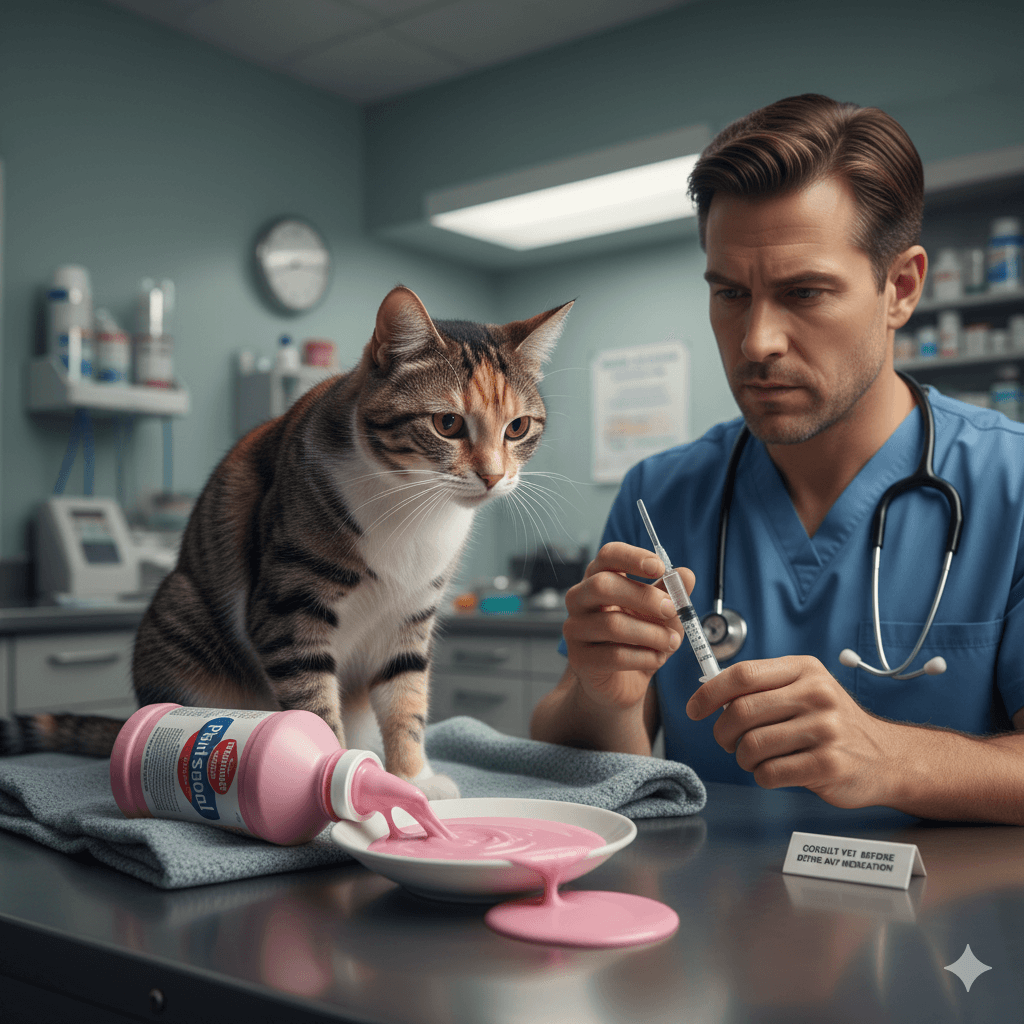

Understanding Pepto Bismol for Cats: Best 7 Expert Tips!
Pepto Bismol is a common household remedy for human upset stomachs—but is it safe for cats? The short answer is: generally, no. While it may seem helpful in a moment of digestive distress, Pepto Bismol contains salicylates (related to aspirin), which are highly toxic to felines. Even small doses can lead to serious complications like stomach ulcers, liver damage, or methemoglobinemia. Before reaching for that pink bottle, it’s crucial to understand why this medication poses such a risk and what safer alternatives exist. Your cat’s delicate metabolism demands species-specific care—never assume human remedies are safe without veterinary guidance.
Why Pepto Bismol Is Dangerous for Cats
Cats lack certain liver enzymes needed to metabolize salicylates safely, making common over-the-counter remedies like Pepto Bismol potentially life-threatening. This sensitivity means even a single dose can trigger severe reactions. Understanding the specific risks helps prevent accidental poisoning:
- Salicylate Toxicity:
Pepto Bismol contains bismuth subsalicylate, a form of aspirin that cats cannot process effectively, leading to toxic buildup. - Gastrointestinal Damage:
Rather than soothing the stomach, it can cause ulcers, vomiting with blood, or internal bleeding in cats. - Impaired Oxygen Delivery:
Salicylates may trigger methemoglobinemia—a condition where red blood cells can’t carry oxygen properly—causing weakness or blue-tinged gums. - Kidney and Liver Stress:
The compound is filtered through organs already vulnerable in cats, especially seniors or those with preexisting conditions. - Delayed Symptoms:
Signs of toxicity may not appear for hours, by which time dangerous levels have already accumulated in the system.
Because of these serious risks, most veterinarians strongly advise never giving Pepto Bismol to cats under any circumstances.
Common Misconceptions About Human Medications and Cats
Many well-meaning pet owners assume that if a drug is safe for humans or even dogs, it might be okay in small doses for cats. This belief is dangerously misleading. Cats have unique biochemistry that makes them exceptionally sensitive to many substances:
- “A Tiny Dose Won’t Hurt”:
Even minuscule amounts of salicylates can be toxic—there is no safe dose of Pepto Bismol for cats. - “It Helped My Dog, So It’ll Help My Cat”:
Dogs metabolize medications differently; what’s tolerable for them can be fatal for felines. - “Natural or OTC Means Safe”:
Over-the-counter does not equal pet-safe. Many OTC drugs contain hidden ingredients harmful to cats. - “My Cat Looks Fine After Taking It”:
Symptoms can be delayed. Apparent normalcy doesn’t rule out internal damage or impending crisis. - “It’s Just for Diarrhea—How Harmful Can It Be?”:
Diarrhea in cats often signals underlying issues (parasites, infection, stress) that require diagnosis—not symptomatic masking with risky drugs.
Always consult your vet before giving any medication, no matter how benign it seems.
Check this guide 👉Understanding Ivermectin for Cats: Best 7 Expert Tips!
Check this guide 👉Maropitant Citrate for Cats: Best 7 Expert Tips!
Check this guide 👉Understanding Rapamycin for Cats: Best 7 Expert Tips!
Safe Approaches | Dangerous Myths |
|---|---|
Veterinary-prescribed anti-diarrheals | Using Pepto Bismol “just once” |
Hydration with fresh water or electrolyte support | Assuming human meds are safe in small doses |
Bland diet under vet guidance | Giving leftover dog medication to cats |
Probiotics formulated for felines | Treating symptoms without diagnosing cause |
Immediate vet call for GI upset | Waiting to see if symptoms “go away” |
Recognizing Signs of Salicylate Toxicity in Cats
If your cat accidentally ingests Pepto Bismol—even by licking a spilled drop—watch closely for these clinical signs. Early detection can be lifesaving:
- Lethargy or Collapse:
Your cat may become unusually weak, unresponsive, or struggle to stand. - Vomiting (Sometimes Bloody):
Gastrointestinal irritation often leads to vomiting, which may contain blood or appear dark and coffee-ground-like. - Rapid or Labored Breathing:
Methemoglobinemia reduces oxygen delivery, causing panting, open-mouth breathing, or pale/blue gums. - Loss of Appetite and Dehydration:
Refusing food and water is common, worsening the risk of organ stress. - Neurological Changes:
In severe cases, tremors, seizures, or disorientation may occur due to systemic toxicity.
If you suspect exposure, contact your vet or a pet poison helpline immediately—do not wait for symptoms to appear.
Safe Alternatives for Treating Cat Digestive Upset
When your cat has diarrhea or nausea, there are vet-approved ways to support recovery without risking toxicity. Always start with professional advice:
- Veterinary Diagnostics First:
Diarrhea can stem from parasites, infections, dietary changes, or stress—treatment depends on the cause. - Prescription Medications:
Drugs like maropitant (for nausea) or metronidazole (for certain infections) are formulated for feline safety. - Hydration Support:
Offer fresh water, or in mild cases, unflavored pediatric electrolyte solutions (only if vet-approved). - Temporary Diet Adjustment:
A short fast (4–6 hours for adults) followed by a bland, easily digestible meal like boiled chicken may help—under guidance. - Feline-Specific Probiotics:
Products like FortiFlora support gut health and are safe for long-term use with veterinary approval.
Never self-treat—what looks like simple diarrhea could be a sign of something far more serious.
Preventing Accidental Exposure to Human Medications
Keeping your cat safe means making your home a medication-secure zone. Prevention is far easier than emergency treatment:
- Store All Medications Out of Reach:
Use locked cabinets—cats can jump onto counters and knock over bottles. - Never Leave Pills Unattended:
Even a single dropped tablet on the floor can be fatal if ingested. - Dispose of Medications Safely:
Use drug take-back programs; don’t toss bottles in accessible trash bins. - Educate All Household Members:
Ensure everyone knows that “human-safe” does not mean “cat-safe.” - Keep Poison Control Numbers Handy:
Save the ASPCA Animal Poison Control (888-426-4435) or Pet Poison Helpline (855-764-7661) in your phone.
A few proactive steps can prevent a life-threatening accident.
What to Do If Your Cat Ingests Pepto Bismol
Time is critical in cases of accidental ingestion. Quick, informed action can dramatically improve outcomes:
- Note the Time and Amount:
If possible, record how much was consumed and when—this helps vets determine urgency. - Do Not Induce Vomiting:
Never use hydrogen peroxide or other emetics without direct vet instruction—it can worsen damage. - Call Your Veterinarian Immediately:
Even if your cat seems fine, early intervention may include activated charcoal or blood tests. - Bring the Product Packaging:
Take the Pepto Bismol bottle to the clinic so the vet can identify exact ingredients and concentration. - Monitor Closely During Transport:
Keep your cat calm and warm, and watch for breathing changes or collapse en route to care.
Prompt veterinary care is the single best chance for full recovery after exposure.
Essential Do’s and Don’ts When Managing Cat Digestive Issues
Navigating your cat’s stomach upset can be stressful—especially when you’re unsure what’s safe or harmful. To help you make confident, informed choices, here’s a clear list of key do’s and don’ts rooted in veterinary best practices:
- Do Call Your Vet at the First Sign of Distress:
Even mild vomiting or diarrhea warrants a quick check-in, especially in kittens, seniors, or cats with chronic conditions. - Don’t Give Human Medications Like Pepto Bismol, Aspirin, or Imodium:
These contain ingredients that are toxic to cats and can cause organ failure or life-threatening complications. - Do Prioritize Hydration Over Food Initially:
Offer fresh water frequently or use a vet-approved electrolyte solution—never force food during active vomiting. - Don’t Assume Diarrhea Is “Just Stress”:
While stress can trigger GI upset, parasites, infections, or inflammatory conditions may be the real cause and need diagnosis. - Do Keep a Symptom Journal:
Note the time, frequency, color, and consistency of vomiting or stool—this helps your vet assess severity and potential causes quickly.
Following these guidelines ensures you support your cat’s recovery without unintentionally causing harm—and sets the stage for safer, more effective care.
Frequently Asked Questions About Pepto Bismol for Cats
Can I give my cat a tiny drop of Pepto Bismol for diarrhea?
No—even a small amount contains salicylates toxic to cats. There is no safe dose.
What should I do if my cat licks Pepto Bismol off the floor?
Contact your vet or a pet poison helpline immediately, even if no symptoms are present.
Are there any antacids safe for cats?
Some, like famotidine (Pepcid AC), may be used under strict veterinary direction—never self-administer.
Why is aspirin dangerous for cats but sometimes used in dogs?
Cats lack the liver enzyme (glucuronyl transferase) needed to metabolize salicylates, making them far more vulnerable.
What’s the safest way to treat my cat’s upset stomach at home?
Offer fresh water, withhold food for a few hours (not for kittens), and call your vet before giving anything.
Protecting Your Cat from Well-Meaning Mistakes
It’s natural to want to comfort your cat when they’re unwell—but human medications like Pepto Bismol belong in a “never-use” category for felines. Their unique biology makes them exquisitely sensitive to compounds most other animals tolerate. By resisting the urge to reach for familiar remedies and instead partnering with your veterinarian, you give your cat the best chance at safe, effective care. Remember, a moment of caution can prevent a lifetime of regret. Keep all human medicines securely stored, stay informed about feline-specific treatments, and always—always—ask your vet before giving anything new. Your cat’s trust in you is their lifeline; honor it with knowledge, vigilance, and love.
Cat Flu Shot Side Effects: Best 7 Expert Tips! – Learn about common reactions, rare risks, and how to keep your cat safe after vaccination.
Dog Flu Shot Side Effects: Best 7 Expert Tips! – Learn about common reactions, rare risks, and how to keep your dog safe after vaccination.
Rhodesian Ridgeback Dog Temperament: Best 7 Expert Tips! – Discover their loyal, intelligent, and energetic nature, plus expert advice on training and care.
Cat Food Intolerance: Best 7 Expert Tips! – Learn to spot symptoms, identify trigger foods, and manage your cat’s diet for optimal health and comfort.


