
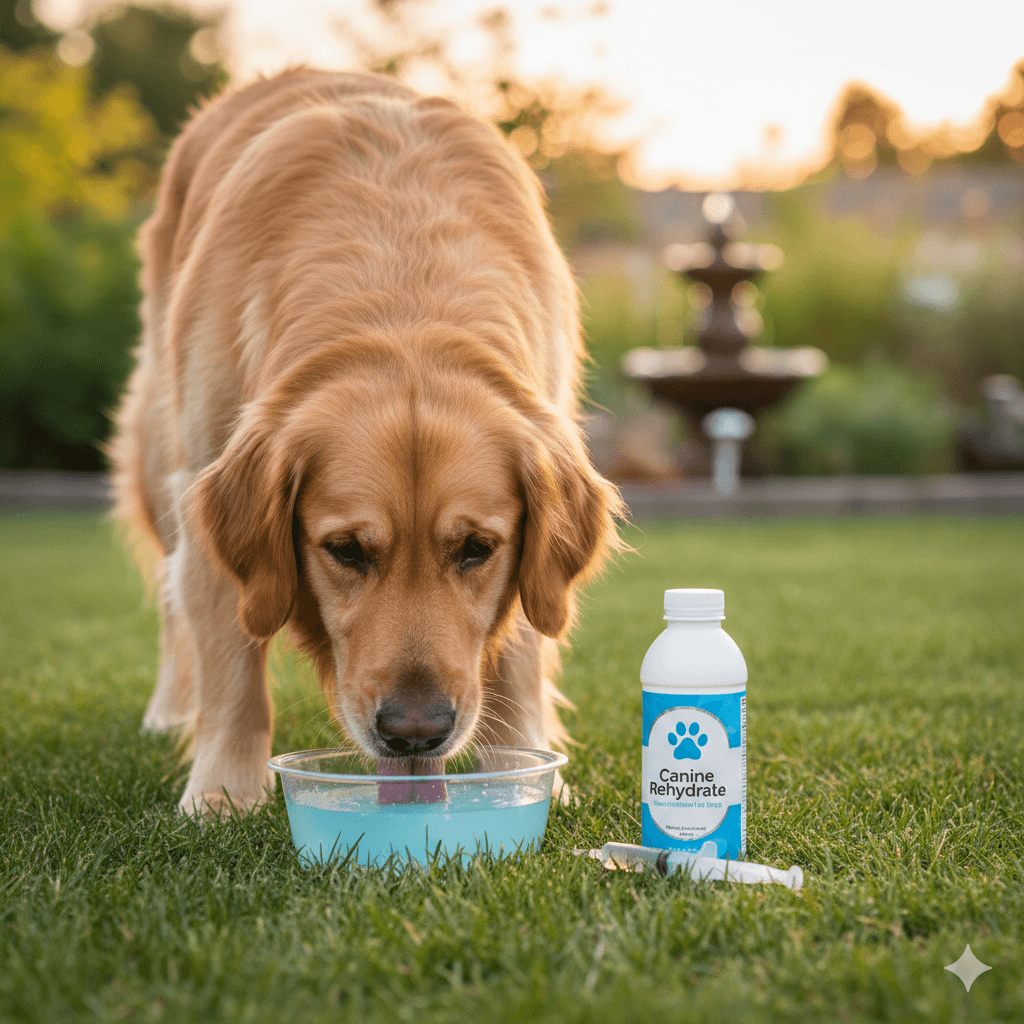

Pedialyte for Dogs: Best 7 Expert Tips!

Pedialyte for Dogs: Best 7 Expert Tips!

Understanding Pedialyte for Dogs: Best 7 Expert Tips!


If your dog is dehydrated from vomiting, diarrhea, or heat exposure, you might wonder whether Pedialyte—a common human electrolyte solution—can help. While it’s not formulated for pets, many vets consider it a temporary hydration aid in mild cases. Used wisely, it can replenish essential minerals and support recovery. However, not all formulations are safe, and dosage matters greatly—especially for small or vulnerable dogs. With the right knowledge, you can make an informed choice that prioritizes your dog’s health without causing harm.

When and Why Pedialyte Might Help Dogs


Pedialyte can be useful in specific situations where your dog loses fluids and electrolytes faster than they can be replaced through water alone. It’s not a cure, but a supportive tool during short-term dehydration. Always consult your vet first, especially if symptoms persist—but in mild cases, it may offer gentle relief:

 
  • Mild Dehydration After Gastroenteritis:
    When vomiting or diarrhea lasts less than 24 hours, diluted Pedialyte can help restore lost sodium, potassium, and chloride.
     
  • Post-Exercise or Heat Exposure:
    Dogs that overheat during walks or play may benefit from electrolyte replacement if they’re panting heavily and refusing water.
     
  • Recovery from Mild Illness:
    During convalescence from a minor virus, small sips can encourage hydration when plain water seems unappealing.
     
  • Pre-Surgery or Fasting Periods (Vet-Approved):
    In rare cases, vets may suggest a small amount to maintain electrolyte balance before procedures—never without guidance.
     
  • Support for Senior or Chronically Ill Dogs:
    Older dogs with kidney issues or diabetes may lose electrolytes more easily, though Pedialyte use must be carefully monitored.
 

While helpful in select scenarios, Pedialyte is never a substitute for veterinary care in moderate to severe dehydration.

Pedialyte for Dogs: Best 7 Expert Tips!

Risks and Ingredients to Avoid in Pedialyte


Not all Pedialyte products are safe for dogs. Some contain ingredients that can be toxic or cause serious complications. Always read labels thoroughly—and when in doubt, opt for plain water or a vet-recommended alternative:

 
  • Added Sugar or Artificial Sweeteners:
    High sugar content can worsen diarrhea; xylitol (in some “sugar-free” versions) is deadly to dogs—even in tiny amounts.
     
  • Artificial Colors and Flavors:
    Unnecessary dyes like Red 40 or Blue 1 offer no benefit and may trigger sensitivities in some dogs.
     
  • Zinc or Other Added Minerals:
    Certain “immune support” versions include zinc, which can cause vomiting, diarrhea, or even red blood cell damage in dogs.
     
  • Caffeine or Stimulants (Rare but Possible):
    Specialty energy or “sport” variants may contain caffeine—strictly avoid these for pets.
     
  • High Sodium in Concentrated Forms:
    Undiluted or “Plus” formulas may overload a dog’s system, especially small breeds or those with heart/kidney conditions.
 

Always choose unflavored, original Pedialyte—and even then, use it cautiously and in moderation.

Safe Usage Guidelines
Ingredients to Avoid
Use only unflavored, original formula
Any version with xylitol or artificial sweeteners
Dilute 50/50 with water
Flavored varieties (cherry, grape, etc.)
Offer in small amounts (1–2 tsp per 10 lbs)
“Immune support” or “Plus” versions with added zinc
Use only for short-term dehydration
Products with artificial colors (Red 40, Yellow 6, etc.)
Stop if vomiting worsens
Caffeinated or “energy” electrolyte drinks

How to Safely Administer Pedialyte to Your Dog


If your vet approves its use, correct administration ensures safety and effectiveness. Never force-feed—gentle, patient offering is key to avoiding stress or aspiration:

 
  • Dilute It First:
    Mix equal parts Pedialyte and fresh water to reduce sugar and sodium concentration, especially for small dogs.
     
  • Offer Small, Frequent Amounts:
    Use a syringe (no needle) or shallow bowl to give 1–2 teaspoons every 20–30 minutes for a 10-pound dog.
     
  • Monitor for Vomiting:
    If your dog vomits after drinking, stop immediately and contact your vet—you may need IV fluids instead.
     
  • Use Only for 24–48 Hours Max:
    Prolonged use can upset electrolyte balance; transition back to plain water once hydration improves.
     
  • Never Replace Meals with Pedialyte:
    It provides no nutrition—resume a bland diet as soon as your dog can keep fluids down.
 

When used correctly, this approach can bridge the gap until your dog’s system stabilizes.

Pedialyte vs. Dog-Specific Electrolyte Alternatives


While Pedialyte is accessible, purpose-made pet electrolyte solutions are often safer and better balanced for canine physiology. Consider these differences before choosing:

 
  • Formulation Differences:
    Dog-specific products (like K9 Thirst Quencher or Rebound) match a dog’s natural electrolyte needs without excess sugar.
     
  • Palatability:
    Many canine formulas include meat-based flavorings that encourage voluntary drinking—unlike bland or sweet human versions.
     
  • Veterinary Endorsement:
    Brands like Pet-A-Lyte are developed with vets and tested for safety across breeds and life stages.
     
  • No Risk of Toxic Additives:
    Pet formulas avoid xylitol, dyes, and unnecessary minerals that lurk in human products.
     
  • Cost vs. Safety Trade-Off:
    Though slightly more expensive, pet-specific options eliminate guesswork and reduce risk of complications.
 

If you frequently travel with your dog or have a senior pet, keeping a dog-formulated electrolyte on hand is a smart precaution.


When to Skip Pedialyte and Call the Vet Immediately


Some signs signal that home remedies aren’t enough—and delay could be dangerous. Pedialyte is only for mild, temporary dehydration in otherwise stable dogs:

 
  • No Improvement After 12 Hours:
    If your dog still won’t drink or shows worsening lethargy, seek help—dehydration can escalate quickly.
     
  • Vomiting Continues or Worsens:
    Offering fluids orally when vomiting is active can lead to aspiration or further irritation.
     
  • Dry Gums or Skin Tenting:
    These are clinical signs of moderate to severe dehydration requiring IV or subcutaneous fluids.
     
  • Underlying Health Conditions:
    Dogs with kidney disease, heart failure, or diabetes may be harmed by electrolyte shifts—even from diluted Pedialyte.
     
  • Puppies or Very Small Breeds:
    Their tiny bodies dehydrate rapidly; even mild symptoms warrant prompt professional evaluation.
 

Never gamble with dehydration in high-risk cases—timely veterinary care saves lives.

Special Considerations for Puppies, Seniors, and At-Risk Dogs


Vulnerable dogs need extra caution when it comes to electrolyte support. Their systems are less resilient, and dosing errors can have outsized consequences:

 
  • Puppies Under 6 Months:
    Their kidneys can’t process excess sodium well; even diluted Pedialyte may be too strong without vet supervision.
     
  • Senior Dogs with Chronic Illness:
    Conditions like Cushing’s or renal disease alter fluid balance—electrolyte supplementation must be medically guided.
     
  • Brachycephalic Breeds (e.g., Pugs, Bulldogs):
    These dogs overheat easily and may need cooling + hydration, but their anatomy makes oral administration tricky.
     
  • Dogs on Medications:
    Diuretics, NSAIDs, or steroids can interact with electrolyte shifts—always check with your vet first.
     
  • Toy Breeds (Under 10 lbs):
    A few extra milligrams of sodium or sugar can overwhelm their system; precision matters more than convenience.
 

For these groups, prevention (like access to fresh water and climate control) is far safer than reactive treatment.

What Your Veterinarian Might Recommend Instead


If you call your vet about dehydration, they may suggest alternatives that are more effective and safer than human Pedialyte:

 
  • Subcutaneous Fluids at Home:
    Many vets teach owners to administer sterile saline under the skin—highly effective for chronic or recurring dehydration.
     
  • Prescription Electrolyte Solutions:
    Veterinarian-formulated products ensure the right balance without unnecessary additives.
     
  • IV Fluid Therapy in Clinic:
    For moderate to severe cases, IV fluids provide rapid, controlled rehydration with full electrolyte correction.
     
  • Probiotics with Hydration Support:
    Some vets recommend gut-supportive supplements alongside fluids to restore intestinal balance faster.
     
  • Customized Hydration Plans:
    For dogs with ongoing issues (like kidney disease), vets may prescribe specific fluid types and schedules.
 

These options address the root cause, not just the symptom—making recovery faster and safer.


Frequently Asked Questions About Pedialyte for Dogs

Can I give my dog flavored Pedialyte?

No—flavored versions often contain artificial sweeteners like xylitol (toxic to dogs) or excessive sugar that worsens diarrhea.

A general guideline: 1–2 teaspoons per 10 pounds of body weight every 20–30 minutes—but only if vomiting has stopped and your vet approves.

Only in mild cases where electrolytes are lost. For most dogs, fresh water is sufficient; Pedialyte is not needed for routine hydration.

Don’t force it. Try ice chips, low-sodium broth, or a dog-specific electrolyte. If they refuse all fluids, contact your vet immediately.

Yes—especially if given undiluted or in excess. The sugar content can draw water into the intestines, worsening loose stools.

Hydrating Your Dog Safely and Compassionately


Seeing your dog weak and dehydrated tugs at your heart—but your calm, informed response makes all the difference. While Pedialyte can be a helpful short-term aid in very specific situations, it’s not a one-size-fits-all solution. True care means knowing when to reach for a safe home remedy and when to seek professional help without delay. By prioritizing dog-specific products, watching for warning signs, and keeping your vet in the loop, you protect your companion from unnecessary risks. In the end, the goal isn’t just to rehydrate your dog—it’s to restore their spark, their wag, and their trust in you as their guardian. And that begins with choices made out of both love and wisdom.

Newfoundland Dog Personality: Best 7 Expert Tips!

Newfoundland Dog Personality: Best 7 Expert Tips! – Discover the gentle, loyal, and protective nature of this giant breed perfect for families.

Can Hot Pavement Burn Your Cats Paws? Best 7 Expert Tips!

Can Hot Pavement Burn Your Cats Paws? Best 7 Expert Tips! – Learn how to protect your cat’s paws from hot surfaces and prevent painful burns this summer.

Can Hot Pavement Burn Your Dogs Paws? Best 7 Expert Tips!

Can Hot Pavement Burn Your Dogs Paws? Best 7 Expert Tips! – Learn how to protect your dog’s paws from hot surfaces and ensure safe summer walks.

Irish Wolfhound Size: Best 7 Expert Tips!

Irish Wolfhound Size: Best 7 Expert Tips! – Discover the ideal height, weight, and care tips for this majestic giant breed. Learn how to manage their impressive stature responsibly.

Leave a Reply

Your email address will not be published. Required fields are marked *


