
Homemade Peanut Butter Dog Bone Recipe: A Tail-Wagging Treat
Treat your furry friend to a delicious and healthy snack with this easy homemade peanut butter dog bone recipe. Packed with wholesome ingredients, these bones are not only tasty but also safe for your pup to enjoy. Whether you’re looking to spoil your dog or simply avoid store-bought treats, this recipe is perfect for any pet parent.
Why Peanut Butter Is a Great Ingredient for Dog Treats
Peanut butter is a popular choice for homemade dog treats due to its rich flavor and nutritional benefits. When used in moderation, it provides healthy fats, protein, and vitamins that support your dog’s overall health. However, not all peanut butter is created equal—some varieties contain harmful additives that can be toxic to dogs. Understanding the pros and cons of peanut butter ensures you choose the safest options for your pup.
- Healthy Fats for Energy:
Peanut butter contains monounsaturated and polyunsaturated fats, which provide a concentrated energy source for active dogs. These fats also support skin and coat health, keeping your pup looking their best. - Protein for Muscle Development:
As a plant-based protein source, peanut butter helps maintain lean muscle mass and supports tissue repair after exercise or injury. It’s an excellent addition to treats for growing puppies or senior dogs. - Vitamins and Minerals:
Peanut butter is rich in vitamin E, niacin, and magnesium, which contribute to immune function, nerve health, and bone strength. These nutrients make it a wholesome ingredient for homemade recipes. - Avoid Xylitol at All Costs:
Many sugar-free peanut butters contain xylitol, a sweetener highly toxic to dogs that can cause hypoglycemia and liver failure. Always check labels carefully before purchasing. - Moderation Is Key:
While peanut butter is nutritious, it’s calorie-dense and should be given sparingly to prevent weight gain. Limit portion sizes to ensure treats remain a small part of your dog’s daily diet.
By selecting natural, unsweetened peanut butter and using it in moderation, you can safely incorporate this beloved ingredient into your dog’s diet without compromising their health.
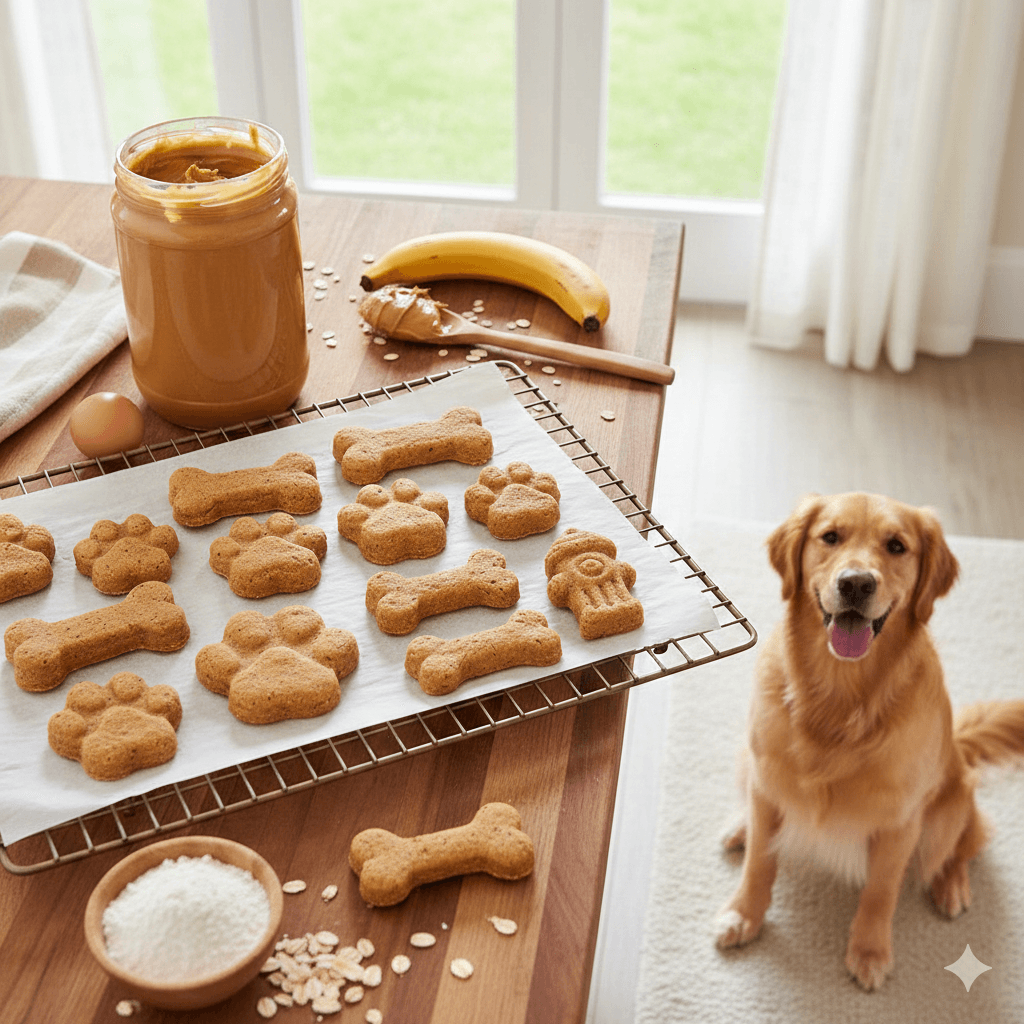
Ingredients You’ll Need for the Perfect Peanut Butter Dog Bone Recipe
Creating homemade peanut butter dog bones requires simple, dog-safe ingredients that are easy to find and budget-friendly. Each component plays a role in ensuring the treats are both delicious and nutritious. With these pantry staples, you can whip up a batch of treats your dog will adore.
- All-Natural Peanut Butter:
Choose unsalted, unsweetened peanut butter without added sugars or artificial flavors. This ensures your dog enjoys the taste without unnecessary additives. - Whole Wheat Flour:
Whole wheat flour provides fiber and essential nutrients while giving the treats structure. For gluten-sensitive dogs, substitute with oat flour or almond flour instead. - Eggs as a Binding Agent:
Eggs act as a natural binder, holding the dough together during baking. They also add extra protein and moisture to keep the treats soft and chewy. - Unsweetened Applesauce:
Applesauce adds natural sweetness and enhances the texture of the dough. Ensure it’s free from added sugars or artificial preservatives to keep it safe for dogs. - Optional Add-Ins Like Pumpkin Puree:
Pure pumpkin puree boosts fiber content and aids digestion. It pairs beautifully with peanut butter and makes the treats even more appealing to picky eaters.
With these wholesome ingredients on hand, you’re ready to bake a batch of peanut butter dog bones that are as healthy as they are tasty.
Check this guide 👉How Often Can I Give My Dog Peanut Butter? Best 7 Tips!
Check this guide 👉Peanut Butter Dog Cake Recipe: Best 7 Expert Tips!
Check this guide 👉Dog Peanut Allergy Symptoms: Best 7 Expert Tips!
Ingredient Substitutions | Benefits for Dogs |
|---|---|
Whole wheat flour → Oat flour | Gluten-free option for sensitive stomachs |
Eggs → Unsweetened applesauce | Safe alternative for dogs with egg allergies |
Peanut butter → Almond butter | Nut-free option for pups with nut sensitivities |
Plain yogurt → Coconut oil | Adds healthy fats for skin and coat health |
Honey → Pureed banana | Natural sweetness without added sugars |
Step-by-Step Instructions for Making Peanut Butter Dog Bones
Baking peanut butter dog bones is a fun and rewarding activity that strengthens the bond between you and your furry friend. Follow these detailed steps to create perfectly shaped, oven-baked treats your dog will love. The process is simple enough for beginners yet satisfying for experienced bakers.
- Prepare Your Ingredients First:
Measure out all ingredients before starting to streamline the process. Preheating the oven to 350°F (175°C) ensures consistent baking results. - Mix Dry and Wet Ingredients Separately:
Combine flour and any optional dry ingredients in one bowl, then whisk eggs, peanut butter, and applesauce in another. Gradually blend the wet mixture into the dry until a dough forms. - Knead the Dough Thoroughly:
Use your hands to knead the dough until smooth and pliable. If it feels too sticky, sprinkle in a little more flour; if too dry, add a teaspoon of water or applesauce. - Shape the Bones Using Cutters:
Roll the dough to about ¼-inch thickness and cut shapes using bone-shaped cookie cutters. Place them on a parchment-lined baking sheet with space between each treat. - Bake Until Golden Brown:
Bake the treats for 20–25 minutes until firm and lightly golden around the edges. Allow them to cool completely before serving to avoid burns or crumbling.
These straightforward instructions ensure your peanut butter dog bones turn out perfect every time—soft, chewy, and irresistibly aromatic.
Benefits of Homemade Treats Over Store-Bought Options
Homemade peanut butter dog bones offer numerous advantages over commercial treats, especially when it comes to safety, quality, and customization. By baking your own treats, you take control of what goes into your dog’s diet, avoiding questionable ingredients found in many store-bought products.
- Control Over Ingredients:
You decide exactly what goes into the treats, eliminating artificial colors, preservatives, and fillers commonly found in packaged snacks. - Customizable Recipes:
Tailor the recipe to suit your dog’s preferences or dietary needs—for example, swapping flours for gluten-free alternatives or adding calming herbs like chamomile. - Cost-Effective Solution:
Making treats at home is often cheaper than buying premium brands, especially if you already have most ingredients in your pantry. - Reduced Risk of Contaminants:
Recent recalls highlight potential contamination risks in factory-made treats. Baking at home minimizes exposure to harmful bacteria or toxins. - Strengthening the Human-Animal Bond:
The act of preparing something special for your dog fosters trust and affection, creating joyful memories for both of you.
Switching to homemade treats empowers you to prioritize your dog’s health while deepening your connection through thoughtful care.
Tips for Storing and Serving Peanut Butter Dog Bones
Proper storage extends the shelf life of your homemade peanut butter dog bones and keeps them fresh for longer. Following these guidelines ensures your treats remain safe and appetizing for your pup to enjoy over time.
- Cool Completely Before Storing:
Allow baked treats to cool fully on a wire rack to prevent condensation, which can lead to mold growth inside storage containers. - Use Airtight Containers:
Store the bones in airtight containers to block out moisture and air, preserving freshness and preventing staleness. Glass jars work well for short-term use. - Refrigerate for Extended Shelf Life:
For treats containing perishable ingredients like pumpkin puree, refrigeration extends usability to 1–2 weeks. Keep them sealed tightly to avoid absorbing odors. - Freeze for Long-Term Storage:
Freezing is ideal for large batches. Place treats in freezer-safe bags or containers, separating layers with parchment paper to prevent sticking. - Serve in Moderation:
Even healthy treats should only make up about 10% of your dog’s daily caloric intake. Stick to 1–2 bones per day, depending on size and activity level.
By following these storage tips, you can savor peace of mind knowing your homemade treats stay fresh and safe for your dog to enjoy.
Creative Variations to Spice Up Your Recipe
Once you’ve mastered the basic peanut butter dog bone recipe, experiment with creative variations to keep things exciting for your pup. Adding new flavors or textures not only delights your dog but also caters to their unique tastes and dietary requirements.
- Add Carrots for Crunch:
Grated carrots boost fiber content and add a satisfying crunch to the treats. They’re also rich in beta-carotene, promoting eye and skin health. - Incorporate Banana for Natural Sweetness:
Mashed banana complements peanut butter beautifully, enhancing the flavor profile while providing potassium and vitamin B6. - Sprinkle Cinnamon for Digestive Health:
A pinch of cinnamon aids digestion and has anti-inflammatory properties—but use sparingly, as too much can upset your dog’s stomach. - Try Different Shapes and Sizes:
Use various cookie cutters to create hearts, stars, or paw prints. Smaller shapes work better for toy breeds, while larger ones suit bigger dogs. - Make Them Gluten-Free:
Swap whole wheat flour for alternatives like coconut flour or chickpea flour to accommodate gluten-intolerant pups without sacrificing taste.
These creative twists allow you to personalize the recipe, ensuring your dog never gets bored of their favorite snack.
Common Mistakes to Avoid When Making Dog Treats
While baking peanut butter dog bones is relatively simple, certain pitfalls can compromise the quality or safety of the treats. Being aware of these common mistakes helps you avoid mishaps and achieve consistently great results.
- Using Toxic Ingredients Accidentally:
Never include chocolate, raisins, grapes, or anything sweetened with xylitol, as these are highly toxic to dogs. Double-check labels on all ingredients. - Overmixing the Dough:
Overworking the dough can make it tough and dense, resulting in hard, unappealing treats. Mix just until combined for optimal texture. - Underbaking the Treats:
Underbaked treats may spoil quickly or harbor harmful bacteria. Bake until firm and golden brown to ensure they’re fully cooked. - Overfeeding Treats:
Even healthy snacks can lead to weight gain if given excessively. Stick to recommended portion sizes based on your dog’s size and activity level. - Neglecting Proper Storage:
Improperly stored treats can grow mold or become stale. Always use airtight containers and follow storage guidelines for maximum freshness.
By steering clear of these mistakes, you’ll produce high-quality treats that are safe, nutritious, and loved by your furry friend.
“Always check labels if using peanut butter. It should be free of xylitol—a sweetener that’s toxic to dogs, even in small amounts.”
— Dr. Julie Buzby
Frequently Asked Questions About Peanut Butter Dog Bone Recipes
Can I use crunchy peanut butter instead of smooth?
Yes, crunchy peanut butter works just as well as smooth—just ensure it’s free from xylitol and other harmful additives.
How long do homemade dog treats last?
Stored in an airtight container, treats can last up to 1–2 weeks at room temperature, 2–3 weeks in the fridge, or several months in the freezer.
Are peanut butter dog treats safe for puppies?
Yes, as long as the ingredients are dog-safe and the treats are given in moderation to avoid excessive calories or digestive upset.
Can I substitute eggs if my dog has an allergy?
Absolutely! Replace eggs with mashed banana or unsweetened applesauce to act as a binding agent without compromising texture.
What if my dog doesn’t like the taste?
Try adding flavors your dog loves, such as pumpkin puree, grated carrots, or a sprinkle of cinnamon, to make the treats more appealing.
A Treat Worth Wagging For
Homemade peanut butter dog bones are more than just a snack—they’re a labor of love that shows how much you care about your furry companion. By choosing wholesome ingredients and tailoring recipes to suit their needs, you provide treats that are not only delicious but also safe and nutritious. Whether you’re celebrating a special occasion or simply spoiling your pup, these peanut butter bones are sure to bring joy and tail wags aplenty. Remember, every bite is a reminder of the bond you share, making the effort all the more rewarding.

Is Rawhide Bad for Cats? Best 7 Expert Tips! – Discover the risks, safe alternatives, and expert advice to keep your feline friend healthy and happy.

Is Rawhide Bad for Dogs? Best 7 Expert Tips! – Discover the risks, benefits, and safer alternatives to rawhides for your dog’s chewing needs.

Understanding Anorexia in Cats: Best 7 Expert Tips! – Learn why cats stop eating, spot warning signs, and discover how to help your feline regain appetite safely.

Understanding Anorexia in Dogs: Best 7 Expert Tips! – Learn causes, symptoms, and solutions to help your dog regain appetite and stay healthy.