

Paw Abscess in Dogs: Best 7 Expert Tips!

Paw Abscess in Dogs: Best 7 Expert Tips!

Understanding Paw Abscess in Dogs


A paw abscess in dogs is a painful and potentially serious condition that requires prompt attention. These localized infections often occur when bacteria enter the skin through cuts, punctures, or foreign objects lodged in the paw. If left untreated, a paw abscess can lead to complications such as lameness, systemic infection, or even sepsis. As a dog owner, recognizing the signs of a paw abscess early and understanding how to address it can make all the difference in your pet’s recovery. This guide will help you identify symptoms, explore treatment options, and learn preventive measures to keep your furry friend healthy and happy.

Expert Insight on Abscesses

“An abscess is a pocket of inflammation that typically has a ‘wall’ of tissue surrounding it. The center is filled with either thick liquid or solid material consisting of white blood cells, dead tissue, and sometimes bacteria.”

Heidi Kos-Barber, DVM

Signs Your Dog May Have a Paw Abscess


Detecting a paw abscess early is crucial for effective treatment. Here are some common signs that may indicate your dog is suffering from this painful condition.

 
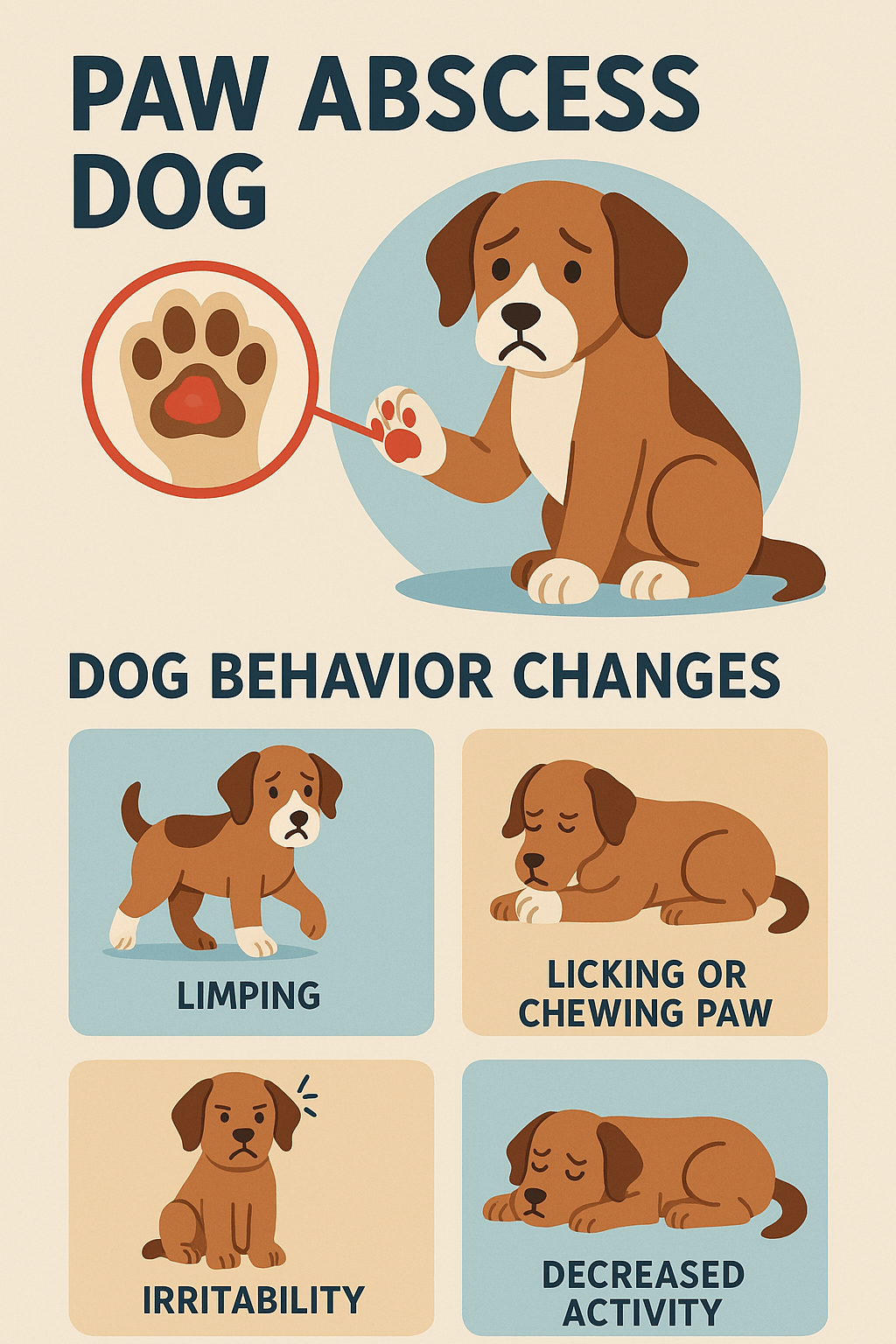
  • Limping or Favoring One Paw:
    If your dog suddenly starts limping or avoids putting weight on a specific paw, it could be a sign of discomfort caused by an abscess.

  • Swelling or Redness:
    Check for noticeable swelling, redness, or warmth around the affected area. These are typical indicators of inflammation or infection.

  • Excessive Licking or Chewing:
    Dogs often lick or chew at their paws to relieve pain or irritation. Persistent licking of one paw may signal an underlying issue.

  • Discharge or Pus:
    A paw abscess may rupture, releasing foul-smelling pus or fluid. This is a clear sign of infection that needs immediate care.

  • Behavioral Changes:
    Your dog may become irritable, lethargic, or reluctant to play due to the pain and discomfort caused by the abscess.


By staying vigilant and recognizing these symptoms early, you can seek timely veterinary care and prevent the condition from worsening.

Paw Abscess in Dogs: Best 7 Expert Tips!

Common Causes of Paw Abscesses in Dogs


Paw abscesses in dogs typically result from external factors that introduce bacteria into the skin. Understanding these causes can help you take preventive measures to protect your dog’s paws.

 
  • Puncture Wounds:
    Sharp objects like thorns, nails, or splinters can penetrate the skin, creating an entry point for bacteria.

  • Bites or Scratches:
    Fights with other animals or insect bites can lead to localized infections if not properly cleaned.

  • Foreign Objects Lodged in the Paw:
    Small stones, grass seeds, or debris trapped between the pads can cause irritation and infection over time.

  • Moisture and Poor Hygiene:
    Constant exposure to wet environments without proper drying can soften the skin, making it more susceptible to injury and infection.

  • Underlying Health Conditions:
    Dogs with weakened immune systems or pre-existing conditions like diabetes are more prone to developing abscesses.


Identifying and addressing these causes can significantly reduce the risk of paw abscesses in your dog.

Preventive Measures for Paw Abscesses
Actions to Take if You Suspect an Abscess
Regularly inspect your dog’s paws
Contact your veterinarian immediately
Keep your dog’s paws clean and dry
Avoid squeezing or bursting the abscess
Remove sharp objects from your yard
Prevent your dog from licking the affected area
Use protective booties during walks
Apply a warm compress (if advised by a vet)
Schedule routine vet check-ups
Follow prescribed antibiotics or treatments

How to Treat a Paw Abscess at Home (Under Veterinary Guidance)


While professional veterinary care is essential for treating a paw abscess, there are some steps you can take at home to support your dog’s recovery. Always consult your vet before attempting any treatment.

 
  • Clean the Affected Area Gently:
    Use a mild antiseptic solution recommended by your vet to clean the area around the abscess. Avoid harsh chemicals that could irritate the skin.

  • Apply Warm Compresses:
    Soak a clean cloth in warm water and apply it to the abscess for 10-15 minutes, 2-3 times daily. This can help draw out pus and reduce swelling.

  • Prevent Licking or Chewing:
    Use an Elizabethan collar (cone) to stop your dog from aggravating the wound. Excessive licking can delay healing and worsen the infection.

  • Administer Prescribed Medications:
    Follow your vet’s instructions carefully when giving antibiotics or pain relievers. Completing the full course of medication is vital for recovery.

  • Monitor for Improvements:
    Keep an eye on the abscess and note any changes. If the condition worsens or doesn’t improve within a few days, contact your vet again.


With proper care and follow-up, most dogs recover fully from paw abscesses without complications.

When to Seek Immediate Veterinary Attention


While some paw abscesses can be managed at home, certain situations require urgent veterinary intervention. Knowing when to act quickly can save your dog from severe complications.

 
  • High Fever or Lethargy:
    A fever or extreme tiredness may indicate that the infection has spread beyond the paw, requiring immediate medical attention.

  • Abscess Near the Face or Joints:
    Infections near sensitive areas like the face, neck, or joints can pose greater risks and should be treated promptly.

  • Rapid Swelling or Spreading Redness:
    If the swelling increases rapidly or red streaks appear around the paw, it could signify a spreading infection.

  • Refusal to Eat or Drink:
    Loss of appetite or dehydration may signal systemic illness caused by the abscess.

  • No Improvement After Home Care:
    If the abscess doesn’t show signs of healing after a few days of treatment, it’s time to revisit the vet for further evaluation.


Recognizing these warning signs ensures your dog receives the care they need before the condition escalates.

Complications of Untreated Paw Abscesses

If a paw abscess is left untreated, it can lead to several complications that may endanger your dog’s health. Being aware of these potential outcomes underscores the importance of prompt treatment.

 
  • Lameness or Mobility Issues:
    The pain from an untreated abscess can make it difficult for your dog to walk or run normally.

  • Systemic Infection:
    Bacteria from the abscess can enter the bloodstream, causing a widespread infection known as sepsis.

  • Tissue Damage:
    Prolonged inflammation can damage surrounding tissues, leading to permanent scarring or deformities.

  • Formation of Sinus Tracts:
    Chronic abscesses may create tunnels under the skin, complicating healing and increasing the risk of recurring infections.

  • Behavioral Changes Due to Chronic Pain:
    Persistent pain can make your dog anxious, aggressive, or withdrawn, affecting their overall quality of life.


Addressing a paw abscess early helps prevent these complications and ensures a smoother recovery process.

How to Inspect Your Dog’s Paws Regularly

Regular paw inspections are a simple yet effective way to catch problems like abscesses before they escalate. Here’s how to incorporate this habit into your routine.

 
  • Set Aside Time Weekly:
    Dedicate a few minutes each week to thoroughly examine your dog’s paws, especially after outdoor activities.

  • Check Between the Pads:
    Look for foreign objects, cuts, or signs of irritation in the spaces between the paw pads.

  • Feel for Abnormalities:
    Gently press on the paw to detect unusual lumps, swelling, or tenderness that might indicate an issue.

  • Trim Nails Regularly:
    Overgrown nails can snag on objects and increase the risk of injury or infection.

  • Reward Your Dog for Cooperation:
    Offer treats or praise to make the experience positive and encourage future cooperation.


Consistent inspections help you stay ahead of potential problems and maintain your dog’s paw health.

Alternative Remedies for Supporting Paw Health

In addition to conventional treatments, some natural remedies can complement veterinary care and promote faster healing. Always consult your vet before trying new methods.

 
  • Coconut Oil for Moisturizing:
    Applying a small amount of coconut oil can soothe irritated skin and promote healing, but avoid overuse to prevent softening the pads too much.

  • Apple Cider Vinegar Rinse:
    Diluted apple cider vinegar can act as a mild antiseptic rinse to cleanse minor wounds. Use sparingly and only on intact skin.

  • Turmeric Paste for Anti-Inflammation:
    Mixing turmeric powder with water creates a paste that may reduce inflammation, though it should not replace prescribed medications.

  • Epsom Salt Soaks:
    Soaking your dog’s paw in diluted Epsom salt water can help draw out infection and reduce swelling.

  • Herbal Supplements for Immune Support:
    Certain herbs like echinacea may boost your dog’s immune system, aiding in faster recovery from infections.


These remedies can enhance your dog’s healing process when used responsibly alongside professional care.

Frequently Asked Questions About Paw Abscess in Dogs

 
What does a paw abscess look like?

A paw abscess typically appears as a swollen, red, or tender area on the paw, sometimes accompanied by discharge or pus.

No, attempting to pop or drain the abscess yourself can worsen the infection and cause additional harm.

With proper treatment, most abscesses heal within 1-2 weeks, but recovery depends on the severity of the infection.

Breeds with hairy paws or those that spend a lot of time outdoors may be at higher risk due to increased exposure to debris and injuries.

Regular paw inspections, keeping your dog’s environment clean, and using protective gear during outdoor activities can reduce the risk.

Prioritizing Your Dog’s Paw Health


A paw abscess may seem like a minor issue at first, but ignoring it can lead to serious consequences for your dog’s health and well-being. By understanding the causes, recognizing the symptoms, and taking proactive steps to prevent and treat this condition, you can ensure your furry companion stays active and pain-free. Remember, your dog relies on you to notice when something isn’t right. With vigilance, care, and timely veterinary assistance, you can tackle paw abscesses effectively and keep those paws wagging happily.

Is Rawhide Bad for Cats? Best 7 Expert Tips!

Is Rawhide Bad for Cats? Best 7 Expert Tips! – Discover the risks, safe alternatives, and expert advice to keep your feline friend healthy and happy.

Is Rawhide Bad for Dogs? Best 7 Expert Tips!

Is Rawhide Bad for Dogs? Best 7 Expert Tips! – Discover the risks, benefits, and safer alternatives to rawhides for your dog’s chewing needs.

Understanding Anorexia in Cats: Best 7 Expert Tips!

Understanding Anorexia in Cats: Best 7 Expert Tips! – Learn why cats stop eating, spot warning signs, and discover how to help your feline regain appetite safely.

Understanding Anorexia in Dogs: Best 7 Expert Tips!

Understanding Anorexia in Dogs: Best 7 Expert Tips! – Learn causes, symptoms, and solutions to help your dog regain appetite and stay healthy.

Leave a Reply

Your email address will not be published. Required fields are marked *