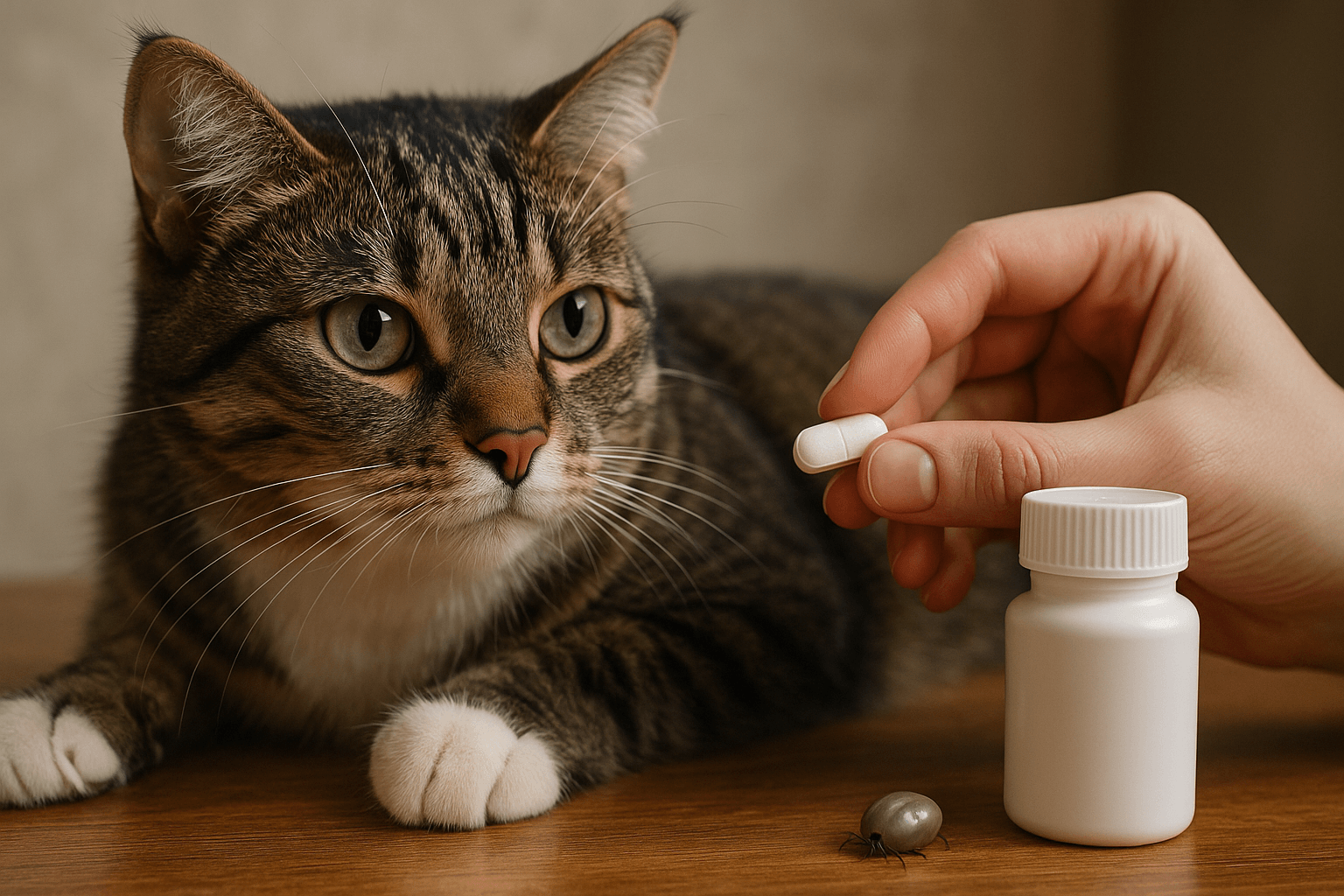

Parasite Medicine for Cats: Protecting Your Feline Friend with Care
Parasites are a silent threat to cats—both indoor and outdoor—and tackling them requires more than guesswork. From fleas skittering through fur to worms hiding in the gut, these unwelcome guests can cause everything from mild irritation to serious illness. The good news? Safe, effective parasite medicine for cats exists, but choosing the right one demands knowledge and caution. With so many options on the shelf, it’s easy to feel overwhelmed—or worse, accidentally harm your pet. In this guide, we’ll walk you through what works, what doesn’t, and how to keep your cat parasite-free the smart way.
Common Parasites That Affect Cats
Before selecting any treatment, it’s essential to know which parasites you’re up against. Cats can host a surprising variety—from external hitchhikers to internal invaders—each requiring a different approach.
- Fleas:
These tiny, fast-reproducing insects cause itching, allergic dermatitis, and can even transmit tapeworms if ingested during grooming. - Ticks:
Though less common in cats than dogs, ticks can still attach and spread diseases like cytauxzoonosis, which is often fatal. - Ear mites:
Highly contagious and itchy, these microscopic parasites live in the ear canal and cause dark, crumbly discharge and head shaking. - Roundworms and hookworms:
Intestinal worms picked up from soil, prey, or even a mother’s milk; they can cause vomiting, diarrhea, and anemia. - Heartworms:
Transmitted by mosquitoes, heartworms are less common in cats than dogs—but when present, they’re harder to diagnose and treat.
Understanding the enemy is the first step toward choosing the right parasite medicine for cats—and avoiding unnecessary risks.
Signs Your Cat Has a Parasite Infestation
Cats are masters of hiding discomfort, but subtle clues often reveal a parasitic problem. Early recognition leads to faster treatment and better outcomes.
- Excessive scratching or licking:
Persistent grooming, especially around the neck or base of the tail, may signal fleas or mites. - Visible bugs or “rice-like” segments:
Fleas look like pepper; tapeworm segments resemble sesame seeds near the anus or in bedding. - Weight loss with normal appetite:
Intestinal worms steal nutrients, leading to thinning despite regular eating. - Scooting or irritated rear end:
Cats rarely scoot like dogs, but if they do, it could indicate anal irritation from worms. - Coughing, wheezing, or lethargy:
These may point to heartworm or lungworm—especially in outdoor or hunting cats.
If you notice any of these signs, skip the guesswork and consult your vet before administering any parasite medicine for cats.
Check this guide 👉Can Dogs Get Ear Mites from Cats? Best 7 Expert Tips!
Check this guide 👉Understanding Cat Eye Mites: Best 7 Expert Tips!
Check this guide 👉How to Check for Ear Mites in Cats: Best 7 Expert Tips!
| Safe & Vet-Approved Options | Dangerous or Ineffective Choices |
|---|---|
| Prescription topical treatments (e.g., selamectin) | Dog flea products (often contain permethrin—toxic to cats) |
| Oral dewormers from your vet (e.g., praziquantel) | Over-the-counter “natural” drops with unproven ingredients |
| Monthly heartworm preventives (in high-risk areas) | Home remedies like garlic, essential oils, or vinegar rinses |
| Prescription ear mite treatments (e.g., ivermectin-based) | Cotton swabs to clean ears—can push debris deeper |
| Year-round prevention, even for indoor cats | “As-needed” dosing without vet guidance |
Top Prescription Parasite Medicines for Cats
Veterinarians rely on a few gold-standard treatments that are both safe and highly effective when used correctly. These are not interchangeable with dog products or human remedies.
- Selamectin (Revolution®):
A monthly topical that prevents fleas, heartworms, ear mites, roundworms, and hookworms—all in one application. - Emodepside + Praziquantel (Profender®):
A single-dose topical dewormer that treats tapeworms, roundworms, and hookworms with high efficacy. - Fluralaner (Bravecto® Topical):
Provides up to 12 weeks of flea and tick protection in a single dose—ideal for hard-to-pill cats. - Milbemycin oxime (Interceptor®):
An oral preventive that guards against heartworms, roundworms, hookworms, and whipworms. - Sarolaner (Revolution Plus®):
Combines selamectin with sarolaner for broader flea and tick coverage, including hard-to-kill species.
These medications undergo rigorous safety testing—always use them under veterinary supervision and never share between pets.
Over-the-Counter Options: What’s Worth It?
While some OTC products seem convenient, most lack the power or safety profile of prescription options. A few may help in low-risk situations—but with caveats.
- Nitenpyram (Capstar®):
An oral fast-acting flea killer that works in 30 minutes—but lasts only 24 hours, so it’s best for acute infestations. - Lufenuron (Program®):
A once-monthly pill that stops flea eggs from hatching; it doesn’t kill adult fleas, so it’s best paired with another product. - Pyrethrin-based sprays (cat-specific only):
Derived from chrysanthemums, these can kill fleas on contact—but must be labeled safe for cats and used cautiously. - Diatomaceous earth (food-grade, external use only):
May help in the environment (not on cats) by drying out flea exoskeletons—avoid inhalation and never use on skin. - Flea combs and environmental cleaning:
Not medicine, but essential allies—daily combing and washing bedding reduce parasite load significantly.
Even “natural” OTC products can irritate sensitive cats—always patch-test and consult your vet before use.
What NEVER to Use on Cats
Cats metabolize drugs differently than dogs or humans—and common household products can be deadly. Avoid these at all costs.
- Permethrin-based dog flea treatments:
Even tiny amounts can cause tremors, seizures, or death in cats—never apply dog products to felines. - Essential oils (tea tree, eucalyptus, peppermint):
Highly toxic when inhaled, licked, or absorbed through skin; can cause liver failure or neurological damage. - Garlic or onion supplements:
Promoted online as “natural dewormers,” they actually cause hemolytic anemia in cats. - Human antiparasitic drugs:
Ivermectin doses for humans or livestock are far too strong and can be fatal to cats. - Boric acid or insect foggers near cats:
These environmental treatments are toxic if inhaled or ingested during grooming.
When it comes to parasite medicine for cats, “natural” doesn’t mean safe—and “works for dogs” definitely doesn’t mean it works for cats.
Treating Kittens and Senior Cats Safely
Age changes everything. Kittens and older cats need gentler, carefully dosed parasite treatments due to immature or declining organ function.
- Kitten protocols:
Most prescription preventives are safe from 6–8 weeks old—never treat younger kittens without vet approval. - Weight-based dosing is critical:
Underdosing fails to protect; overdosing risks toxicity—always weigh your cat before treatment. - Avoid combination products in seniors:
Older cats with kidney or liver issues may tolerate single-ingredient meds better than broad-spectrum formulas. - Gentle application methods:
Topicals between the shoulder blades prevent licking; oral pastes or liquids may be easier than pills for frail cats. - Monitor closely after first dose:
Watch for drooling, lethargy, or vomiting—rare reactions can occur even with vet-approved products.
Tailoring treatment to your cat’s life stage ensures safety without sacrificing protection.
Preventing Parasites Year-Round
The best parasite medicine for cats is part of a consistent, proactive strategy—not just a reaction to an infestation.
- Monthly prevention is non-negotiable:
Even indoor cats can get fleas (via humans) or heartworms (via mosquitoes through windows). - Keep your home clean:
Vacuum weekly, wash bedding in hot water, and dispose of litter daily to disrupt parasite life cycles. - Avoid raw or wild prey diets:
Hunting or eating raw meat dramatically increases exposure to worms and protozoa like Toxoplasma. - Quarantine new pets:
Test and treat new cats before introducing them to your household to prevent cross-contamination. - Annual fecal exams:
Many worms aren’t visible—routine stool tests catch infestations early, even in asymptomatic cats.
Prevention isn’t just easier—it’s kinder, cheaper, and far safer than treating a full-blown infestation.
Frequently Asked Questions
Can I use dog parasite medicine on my cat?
Absolutely not. Dog formulas often contain permethrin or other ingredients that are lethal to cats—even in tiny amounts.
How often should I deworm my cat?
Kittens are typically dewormed every 2–3 weeks until 12 weeks old, then monthly. Adults need year-round prevention or fecal-based dosing as advised by a vet.
Are indoor cats at risk for parasites?
Yes. Fleas hitchhike on clothing, mosquitoes enter through screens, and humans can track in worm eggs—no cat is 100% safe.
What’s the safest parasite medicine for a pregnant cat?
Only use products explicitly labeled safe for pregnancy—many preventives lack data for this stage. Always consult your vet first.
Can parasites spread to humans?
Yes. Roundworms, hookworms, and toxoplasma can infect people—especially children or immunocompromised individuals—making prevention a public health issue too.
Final Thoughts – Protection Rooted in Love
Choosing parasite medicine for cats isn’t just about killing bugs—it’s about honoring your pet’s vulnerability with informed, compassionate care. Cats trust us to keep them safe, even from threats they can’t see. By using vet-approved treatments, avoiding dangerous myths, and committing to prevention, you give your feline companion the gift of long-term health and comfort. Because the purr of a parasite-free cat isn’t just quieter—it’s happier, healthier, and full of the quiet joy only a well-cared-for pet can offer.
Dog Seizure Symptoms: Best 7 Expert Tips! – Learn to spot signs, respond effectively, and manage seizures in dogs for a healthier, happier life.
Carprofen Dosage for Cats: Best 7 Expert Tips! – Learn safe dosing, risks, and alternatives to manage pain and inflammation in cats effectively.
Africanis Dog Breed: Best 7 Expert Tips! – Explore the resilience, loyalty, and adaptability of this ancient African breed, perfect for diverse lifestyles.
Cruciate Ligament Injury Symptoms in Dogs: Best 7 Tips! – Discover key signs like limping, swelling, and joint instability to ensure prompt treatment.