
Understanding Panacur Cat Side Effects: What You Need to Know
Panacur is a widely used deworming medication for cats, known for its effectiveness against various parasites. While generally safe, some cats may experience side effects that owners should be aware of to ensure their pet’s well-being. Recognizing these potential reactions helps you monitor your cat closely and seek veterinary advice if needed.
Common Side Effects of Panacur in Cats
While Panacur (fenbendazole) is generally considered safe for cats, some may experience mild to moderate side effects during or after treatment. These reactions are typically temporary and resolve on their own, but it’s important to monitor your cat closely to ensure their comfort and safety. Understanding these common side effects helps you differentiate between normal responses and signs of a more serious issue.
- Vomiting:
Vomiting is one of the most frequently reported side effects, often occurring shortly after administration. This reaction may be due to the taste of the medication or irritation of the stomach lining. - Diarrhea or Loose Stools:
Some cats develop diarrhea as their digestive system adjusts to the medication. While usually mild, persistent diarrhea can lead to dehydration if left untreated. - Loss of Appetite:
A temporary decrease in appetite is common, as the medication may cause nausea or general discomfort. Most cats regain their normal eating habits within 24–48 hours. - Lethargy or Fatigue:
Cats may appear unusually tired or less active during treatment. This lethargy is typically short-lived but should be monitored for any worsening symptoms. - Excessive Drooling:
Drooling can occur if your cat dislikes the taste of Panacur or experiences oral irritation. Mixing the medication with food often reduces this reaction.
These side effects are generally mild and resolve without intervention, but contact your vet if they persist or worsen over time.
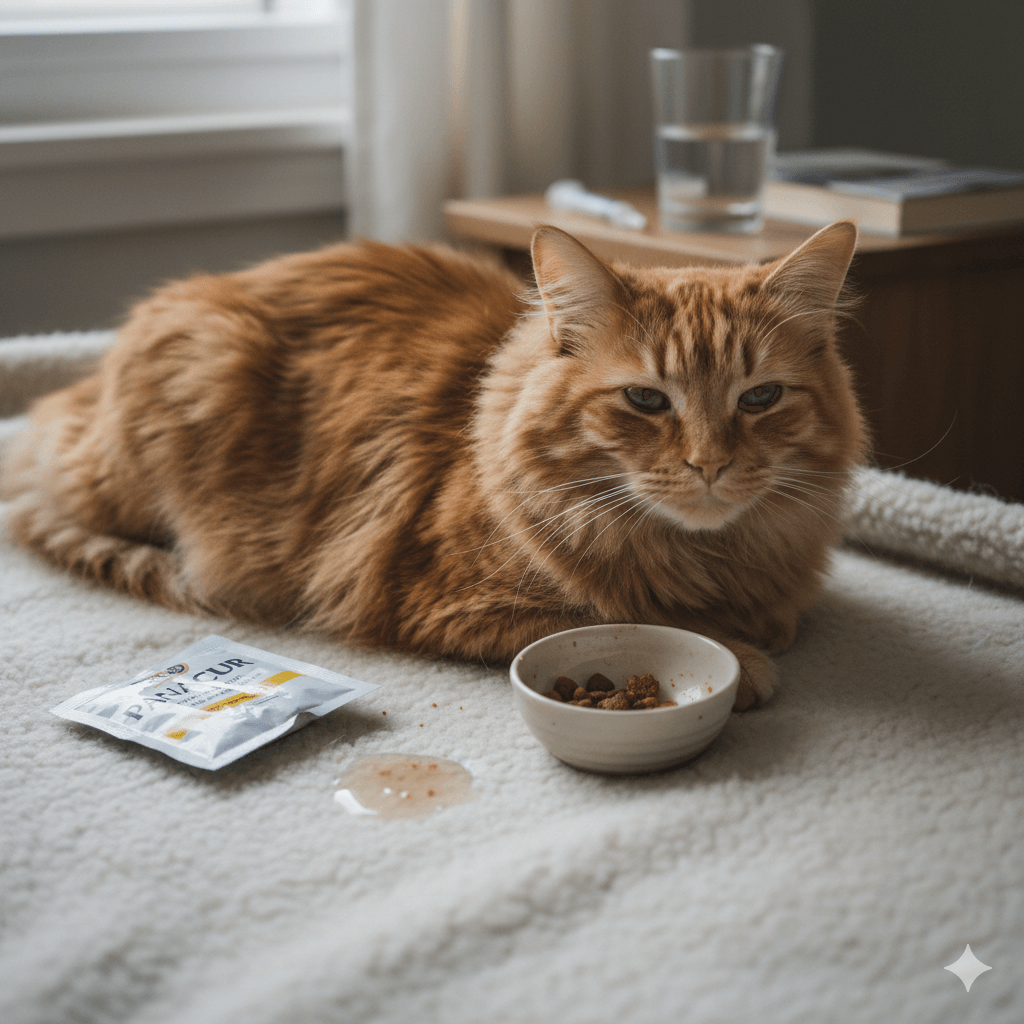
Rare but Serious Side Effects of Panacur
Although uncommon, some cats may experience severe reactions to Panacur that require immediate veterinary attention. Being aware of these rare side effects ensures you can act quickly if your cat shows unusual symptoms during treatment. Early recognition and intervention are crucial for preventing complications.
- Allergic Reactions:
Signs of an allergic reaction include swelling of the face, difficulty breathing, or hives. These symptoms indicate a hypersensitivity to the medication. - Severe Vomiting or Diarrhea:
Prolonged vomiting or diarrhea with blood may signal gastrointestinal damage or an underlying condition exacerbated by Panacur. - Jaundice or Liver Issues:
In extremely rare cases, Panacur may affect liver function, leading to yellowing of the gums, skin, or eyes—a condition known as jaundice. - Neurological Symptoms:
Uncoordinated movements, seizures, or extreme weakness could indicate toxicity or improper dosing of the medication. - Anemia or Pale Gums:
If your cat develops pale gums or seems excessively weak, it may be experiencing a severe adverse reaction requiring urgent care.
While these side effects are uncommon, they highlight the importance of consulting your veterinarian before starting treatment.
Check this guide 👉Meloxicam Cat Side Effects: Best 7 Expert Tips!
Check this guide 👉Cerenia Cat Side Effects: Best 7 Expert Tips!
Check this guide 👉Metronidazole Side Effects in Cats: Best 7 Expert Tips!
Common Side Effects | When to Contact the Vet |
|---|---|
Vomiting or nausea | Persistent vomiting lasting over 24 hours |
Diarrhea or loose stools | Bloody diarrhea or signs of dehydration |
Temporary loss of appetite | Refusal to eat for more than 48 hours |
Lethargy or fatigue | Extreme weakness or inability to stand |
Excessive drooling | Difficulty breathing or facial swelling |
How Panacur Works and Why Side Effects Occur
Panacar contains fenbendazole, an anthelmintic drug that disrupts the energy metabolism of parasites, ultimately killing them. While highly effective, its mechanism can sometimes impact your cat’s body, leading to side effects. Understanding how Panacur works provides insight into why certain reactions occur and how to mitigate them.
- Targeting Parasites:
Fenbendazole binds to specific receptors in parasitic cells, disrupting their ability to absorb glucose and causing their death. - Impact on Beneficial Gut Bacteria:
While targeting parasites, Panacur may also temporarily disrupt the balance of beneficial bacteria in your cat’s gut, contributing to digestive upset. - Metabolic Differences in Cats:
Cats metabolize medications differently than other animals, which can increase sensitivity to certain compounds in Panacur. - Dosage Sensitivity:
Overdosing or incorrect administration increases the risk of side effects, emphasizing the need for precise dosing based on your cat’s weight. - Underlying Health Conditions:
Cats with preexisting conditions like kidney disease or gastrointestinal disorders may be more prone to adverse reactions.
Understanding the science behind Panacur helps you better anticipate and manage potential side effects during treatment.
Managing Mild Side Effects at Home
For mild side effects, supportive care at home can help alleviate discomfort and speed up recovery. Monitoring your cat closely and providing a calm environment ensures their well-being throughout treatment. Simple interventions often make a significant difference in minimizing adverse reactions.
- Hydration Support:
Encourage water intake to prevent dehydration caused by vomiting or diarrhea. Fresh water or electrolyte solutions designed for pets can help. - Bland Diet Transition:
Offer small portions of boiled chicken and rice to soothe the digestive tract and encourage appetite without overwhelming the stomach. - Quiet Rest Area:
Provide a quiet, stress-free space where your cat can rest and recover away from noise or other pets. - Gradual Medication Introduction:
If possible, mix Panacur with food gradually to allow your cat’s system time to adjust to the medication’s presence. - Monitor Symptoms Daily:
Keep a symptom log noting changes in behavior, stool consistency, or energy levels to share with your vet if needed.
With proper care, most cats recover quickly from mild side effects without further complications.
When to Seek Veterinary Care for Panacur Reactions
Knowing when to seek professional help ensures your cat receives timely treatment for severe or persistent side effects. Some reactions require immediate attention to prevent long-term health issues or complications. Vigilance and quick action are key to safeguarding your pet’s health.
- Persistent Vomiting or Diarrhea:
If vomiting or diarrhea lasts more than 24–48 hours, dehydration and nutrient loss become significant concerns. - Signs of Pain or Distress:
Whining, panting, or excessive hiding may indicate pain or discomfort that needs veterinary evaluation. - Severe Lethargy:
Unresponsiveness or inability to stand suggests systemic issues requiring urgent care. - Blood in Stool or Vomit:
The presence of blood indicates gastrointestinal bleeding or damage, necessitating immediate attention. - Difficulty Breathing:
Labored breathing or wheezing signals a potential allergic reaction or respiratory distress.
Early veterinary involvement prevents minor issues from escalating into life-threatening conditions.
Preventing Side Effects During Panacur Treatment
Taking proactive steps minimizes the risk of side effects and ensures a smoother treatment process for your cat. Prevention focuses on proper administration, monitoring, and creating a supportive environment during deworming. Thoughtful preparation reduces stress for both you and your pet.
- Follow Dosage Instructions Precisely:
Administer the exact dose prescribed by your vet based on your cat’s weight to avoid overdosing or underdosing. - Mix with Food or Treats:
Hiding Panacur in wet food, tuna, or treats masks the taste and reduces the likelihood of drooling or refusal. - Avoid Stressful Situations:
Minimize environmental stressors during treatment to prevent exacerbating your cat’s discomfort or anxiety. - Monitor for Parasite Elimination:
Watch for signs of dead worms in vomit or stool, which confirms the medication is working but may require cleanup to prevent reinfection. - Schedule a Follow-Up Appointment:
Post-treatment check-ups ensure all parasites have been eliminated and address any lingering concerns about side effects.
Prevention and careful observation significantly improve your cat’s experience with Panacur.
Long-Term Considerations After Panacur Use
After completing Panacur treatment, ongoing care and monitoring help maintain your cat’s health and prevent future parasite infestations. Long-term strategies focus on preventive measures, regular check-ups, and addressing any lingering effects from the medication. A holistic approach ensures your cat remains healthy and happy in the months to come.
- Regular Deworming Schedule:
Establish a routine deworming protocol recommended by your vet to prevent reinfection or exposure to new parasites. - Maintain a Clean Environment:
Regularly clean litter boxes, bedding, and living areas to reduce the risk of parasite eggs or larvae. - Monitor for Recurrence:
Watch for signs of reinfestation, such as weight loss, diarrhea, or visible worms, and seek prompt treatment if needed. - Support Gut Health:
Probiotics or digestive supplements can restore beneficial bacteria and improve overall gut function after deworming. - Routine Veterinary Exams:
Annual wellness visits catch underlying issues early and ensure your cat remains parasite-free over time.
Long-term vigilance and preventive care protect your cat from future health challenges while promoting lasting well-being.
Frequently Asked Questions About Panacur Cat Side Effects
Can I give Panacur to my cat without a vet’s prescription?
While Panacur is available over-the-counter in some regions, it’s best to consult your vet first to ensure proper dosage and diagnosis.
How long do Panacur side effects last?
Mild side effects like vomiting or diarrhea typically resolve within 1–2 days. If symptoms persist beyond 48 hours, contact your vet.
Is Panacur safe for kittens?
Yes, Panacur is generally safe for kittens when administered at the correct dose. However, always confirm with your vet before treating young cats.
What should I do if my cat vomits after taking Panacur?
If vomiting occurs shortly after administration, withhold food for a few hours, then reintroduce a bland diet. Contact your vet if vomiting persists.
Can Panacur cause neurological issues in cats?
Neurological symptoms are extremely rare but possible with overdose or preexisting conditions. Seek immediate veterinary care if seizures or uncoordinated movements occur.
Supporting Your Cat Through Panacur Treatment
Administering Panacur to your cat can be a stressful experience, especially when side effects arise. However, understanding these reactions and knowing how to manage them empowers you to provide the best care for your feline friend. With proper monitoring, supportive care, and preventive measures, most cats recover quickly and return to their playful, healthy selves. Remember, your veterinarian is always there to guide you through any concerns—don’t hesitate to reach out if you notice anything unusual. By staying informed and proactive, you’re not just treating parasites; you’re ensuring your cat’s long-term well-being and happiness.

Is Rawhide Bad for Cats? Best 7 Expert Tips! – Discover the risks, safe alternatives, and expert advice to keep your feline friend healthy and happy.

Is Rawhide Bad for Dogs? Best 7 Expert Tips! – Discover the risks, benefits, and safer alternatives to rawhides for your dog’s chewing needs.

Understanding Anorexia in Cats: Best 7 Expert Tips! – Learn why cats stop eating, spot warning signs, and discover how to help your feline regain appetite safely.

Understanding Anorexia in Dogs: Best 7 Expert Tips! – Learn causes, symptoms, and solutions to help your dog regain appetite and stay healthy.