
Pain Management for Cats: Recognizing Silent Suffering and Restoring Comfort
Cats are masters of concealment. When they hurt, they rarely cry out — instead, they withdraw, quieten, and hide. This instinct, born from survival in the wild, makes recognizing pain in cats one of the most challenging tasks for even the most attentive owners. But pain is not normal. And managing it isn’t optional — it’s essential. Effective pain management for cats restores mobility, improves quality of life, and honors the silent strength of these beloved companions.
Why Cats Hide Pain — And Why It’s So Dangerous
Cats don’t scream when they’re in pain — they adapt. That silence isn’t strength; it’s a survival mechanism that can delay diagnosis and worsen outcomes. Understanding why they hide discomfort is the first step toward helping them.
Evolutionary Instinct: In the wild, showing weakness invites predators — so cats mask pain to survive.
Subtle Behavioral Shifts: A cat in pain may stop grooming, sleep more, or avoid jumping — changes easily mistaken for “just aging.”
Lack of Vocalization: Unlike dogs, cats rarely whine or cry — their pain is often communicated through stillness, not sound.
Delayed Diagnosis: Owners often wait weeks before seeking help, assuming the cat is just “slowing down.”
Underestimated Impact: Chronic pain reduces lifespan, suppresses immunity, and leads to depression — silently eroding well-being.
Ignoring these signs doesn’t make your cat “tough.” It makes them suffer. Recognizing hidden pain isn’t just compassionate — it’s lifesaving.
Common Causes of Pain in Cats — Beyond the Obvious
Pain in cats isn’t always tied to injury. Many conditions cause chronic discomfort that goes unnoticed — until it’s advanced. Here’s what you need to know.
Arthritis and Joint Degeneration: Over 90% of cats over age 12 show signs of osteoarthritis — but only 10% are diagnosed.
Dental Disease: Tooth resorption, gum inflammation, and broken teeth cause constant oral pain — often mistaken for picky eating.
Urinary Tract Issues: Cystitis and blockages are excruciatingly painful — and frequently misdiagnosed as behavioral problems.
Abdominal Conditions: Kidney disease, pancreatitis, and intestinal inflammation cause internal pain cats rarely vocalize.
Neurological and Cancer Pain: Tumors, nerve damage, and post-surgical discomfort are often overlooked due to vague symptoms.
Pain isn’t always loud. Sometimes, it’s a cat who no longer greets you at the door — or who avoids the litter box because standing hurts. Don’t wait for a cry. Look for the silence.
Check this guide 👉Pain Meds for Cats: Best 7 Health Tips!
Check this guide 👉Is My Cat in Pain? Best 7 Expert Tips!
Check this guide 👉Understanding Cat in Pain Posture: Best 7 Expert Tips!
| Signs of Pain | What It Means |
|---|---|
| Reduced grooming or matted fur | Pain makes movement uncomfortable — grooming is often the first behavior to decline. |
| Hiding more than usual | Isolation is a classic sign of distress — not just shyness. |
| Litter box avoidance | Painful urination or defecation leads to associative avoidance — not disobedience. |
| Decreased appetite or water intake | Chronic pain suppresses appetite and alters metabolism — especially with dental or abdominal issues. |
| Aggression or flinching when touched | A normally affectionate cat who snaps may be guarding a painful area — not being “bad.” |
How Veterinarians Diagnose Pain in Cats
Unlike dogs, cats don’t wag their tails or whine — so vets rely on specialized tools and behavioral assessments to detect pain.
Pain Scoring Systems: Tools like the Feline Grimace Scale assess facial expressions — ear position, muzzle tension, whisker posture — to quantify discomfort.
Mobility Analysis: Observing how your cat walks, jumps, or climbs stairs reveals joint or spinal pain invisible to the naked eye.
Palpation and Imaging: X-rays, ultrasounds, and blood tests identify inflammation, tumors, or organ dysfunction causing internal pain.
Response to Treatment Trials: If pain medication improves behavior, it confirms pain was present — even if no clear cause was found.
Owner Observation Logs: Your notes on appetite, litter habits, and activity levels are often more valuable than a 10-minute exam.
Don’t assume your vet “knows” your cat is in pain. Bring your observations. Document changes. Be their eyes — because cats won’t speak for themselves.
Safe and Effective Pain Medications for Cats
Cats are metabolically unique — many human pain relievers are deadly to them. Only use medications prescribed by a veterinarian.
NSAIDs (e.g., Meloxicam): The most common prescription pain relievers — safe when dosed correctly, but never for long-term use without monitoring.
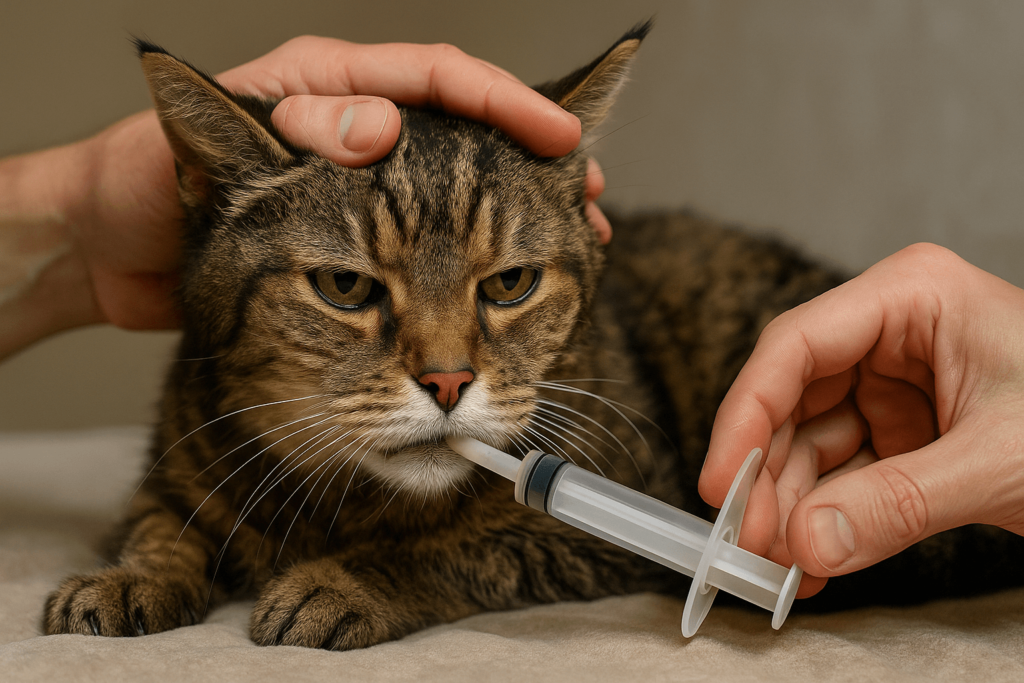
Gabapentin: Used for nerve pain, anxiety, and post-surgical discomfort — well-tolerated and often given as a liquid.
Buprenorphine: A potent opioid administered as a mouth spray or injection — excellent for acute or post-op pain.
Amantadine: An adjunct therapy for chronic pain, especially arthritis — enhances the effect of other medications.
Tramadol: Sometimes used off-label — effectiveness varies; always requires vet supervision.
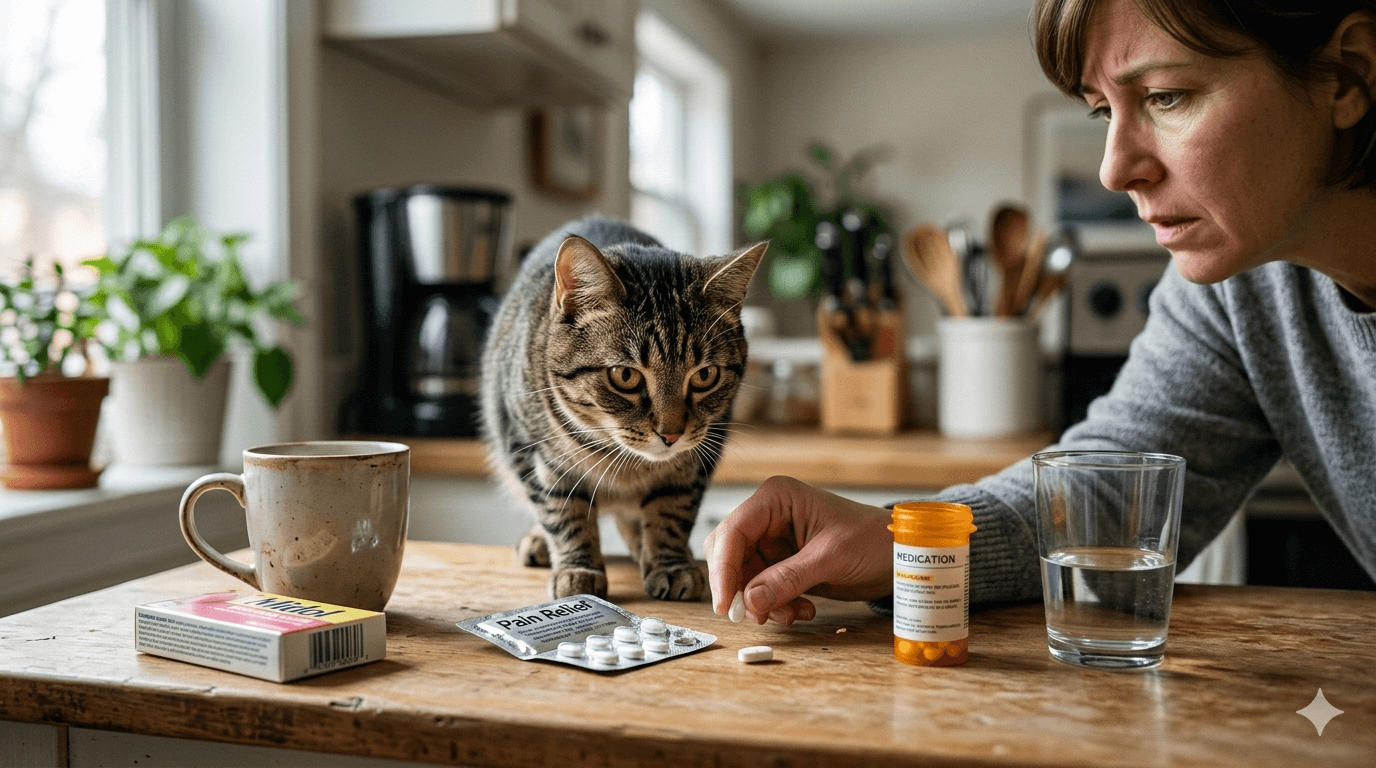
Never give ibuprofen, acetaminophen, or aspirin. Even small doses can cause kidney failure, liver damage, or death. Always consult your vet — and never guess.
Non-Medical Pain Management Strategies
Medication isn’t the only tool. Environmental and lifestyle changes can dramatically reduce discomfort — and often work best alongside treatment.
Orthopedic Beds: Memory foam or heated beds reduce pressure on arthritic joints and improve sleep quality.
Ramps and Steps: Help cats reach favorite perches without jumping — reducing strain on hips and spine.
Low-Sided Litter Boxes: Easier access for cats with stiff joints — prevents litter box avoidance.
Warm Compresses: Gentle heat (not hot) applied to sore areas can soothe muscle stiffness — always supervise.
Weight Management: Even a 10% weight loss in overweight cats significantly reduces joint pain and improves mobility.
Pain isn’t just treated — it’s prevented. Small environmental adjustments can mean the difference between suffering and comfort.
Creating a Pain-Friendly Home Environment
Your home should be a sanctuary — not a source of stress or strain. Redesigning spaces for comfort is a powerful form of pain management.
Keep Essentials Accessible: Place food, water, litter, and beds on the same level — no stairs required.
Eliminate Drafts and Cold Floors: Cats with arthritis feel cold more intensely — use rugs and warm blankets.
Reduce Noise and Crowds: Pain makes cats hypersensitive — quiet, predictable spaces reduce anxiety.
Maintain Routine: Cats thrive on predictability. Changes in feeding or schedule can heighten stress-induced pain.
Provide Vertical Space: Cats feel safer when they can observe from above — install shelves or cat trees with low jumps.
A pain-friendly home isn’t a luxury — it’s a necessity. It tells your cat: “You’re safe here. You’re not alone.”
When to Seek Emergency Care for Pain
Some signs of pain require immediate veterinary attention. Delaying can be fatal.
Straining to urinate with no output — signs of a life-threatening urinary blockage.
Sudden inability to use hind legs — possible spinal injury or blood clot.
Extreme lethargy or collapse — could indicate internal bleeding, organ failure, or severe infection.
Open wounds or swelling — especially if accompanied by fever or refusal to eat.
Continuous vocalization or aggression — unusual for cats, and often indicates acute, severe pain.
If you’re unsure — call your vet. Better to be cautious than to risk irreversible damage.
Frequently Asked Questions About Pain Management for Cats
Can cats feel pain the same way humans do?
Yes. Cats have the same pain receptors and nervous system pathways. They feel pain just as deeply — they just don’t express it the same way.
Is it normal for an older cat to slow down?
Slowing down isn’t normal — it’s a warning sign. Arthritis, dental disease, or organ decline may be the cause. Don’t assume it’s “just aging.”
How do I give my cat pain medication if they won’t take pills?
Many medications come in liquid, transdermal gel, or flavored forms. Ask your vet for alternatives — never force a pill.
Can I use CBD oil for my cat’s pain?
Research is limited. Some vets support low-dose, vet-approved CBD for anxiety or inflammation — but never use human products. Always consult your vet first.
Will pain medication make my cat “drunk” or sleepy?
Some cats experience mild sedation initially — especially with opioids or gabapentin. This usually improves within days. If your cat is overly lethargic, contact your vet.
Embracing Compassion in Every Step
Pain management for cats isn’t about fixing a symptom — it’s about restoring dignity. It’s about noticing the quiet cat who no longer leaps onto the windowsill, the one who sleeps more, eats less, and hides when you come home. It’s about choosing to see what they can’t say.
Every step — from recognizing the subtle signs to advocating for the right treatment — is an act of love. You don’t need to be a vet. You don’t need to be perfect. You just need to care enough to look closer, ask harder questions, and refuse to accept silence as normal.
Can I Give My Cat Midol? Best 7 Expert Tips! – Learn the risks, symptoms, and safe alternatives to keep your cat healthy and avoid toxic reactions.
Can I Give My Dog Midol? Best 7 Expert Tips! – Discover the risks, safe alternatives, and expert advice to keep your dog safe from accidental poisoning.
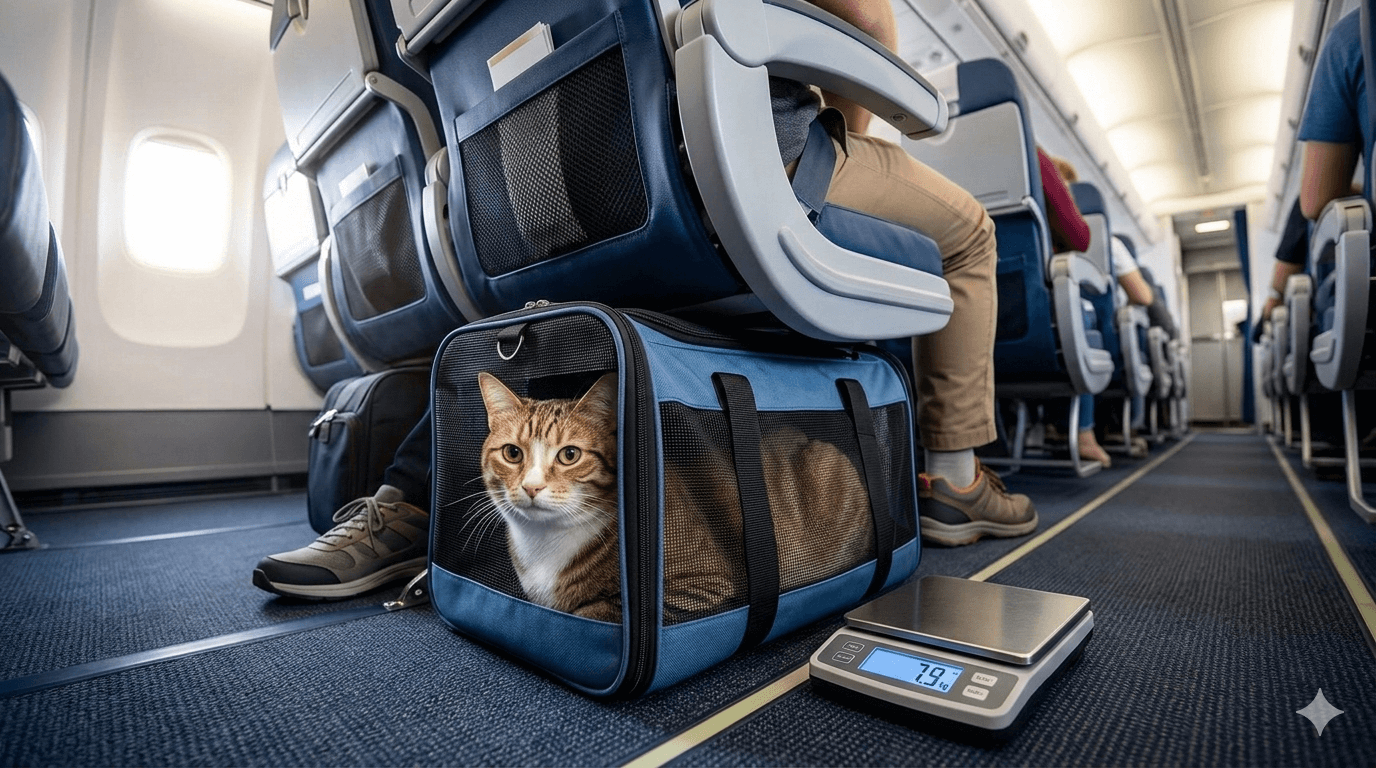
Maximum Weight for Cats on Planes: Best 7 Expert Tips! – Learn airline policies, tips to stay compliant, and ensure safe travels for your feline friend.

Max Weight for Dogs on Planes: Best 7 Expert Tips! – Discover airline weight limits, safe travel tips, and solutions for flying with your dog stress-free.