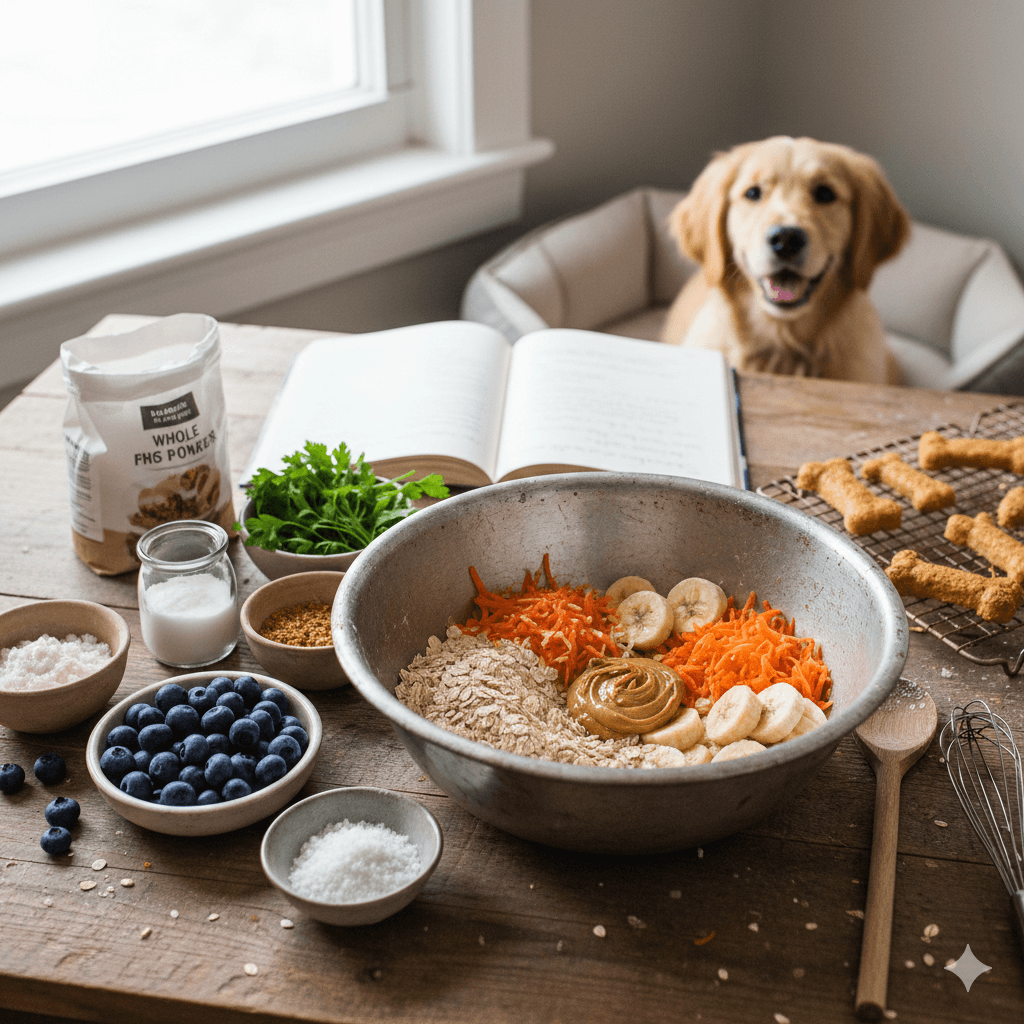
Organic Dog Treats Recipe: Best 7 Expert Tips!

Organic Dog Treats Recipe: Best 7 Expert Tips!

Organic Dog Treats Recipe: Best 7 Expert Tips!

Whipping up wholesome, organic dog treats at home is easier than you think—and far better than store-bought options packed with mystery ingredients. With fresh, natural components, you control exactly what goes into your pup’s snacks. Whether you’re avoiding allergens, supporting digestion, or simply showing love through food, homemade organic treats are a game-changer. Let’s explore how to make safe, tasty, and nutritionally smart recipes your dog will beg for.

Choosing the Right Organic Ingredients

Not all “natural” ingredients are safe—or beneficial—for dogs. Selecting truly organic, dog-friendly components ensures both flavor and health. Always prioritize whole foods without additives, and verify that your ingredients are certified organic when possible to avoid pesticides or GMOs:

 
  • Organic Oats:
    A gentle, fiber-rich grain that supports digestion and is usually well-tolerated, even by dogs with sensitivities.
     
  • Organic Sweet Potatoes:
    Packed with beta-carotene and vitamins, they’re a low-fat, naturally sweet base for baked treats.
     
  • Organic Peanut Butter (Xylitol-Free):
    A protein-rich favorite that adds flavor—but always check labels to ensure it contains no artificial sweeteners.
     
  • Organic Pumpkin Puree:
    Supports gut health and helps regulate digestion; use plain, unsweetened canned or fresh puree only.
     
  • Organic Eggs:
    A high-quality protein source that also helps bind ingredients together in baked recipes.
 

Using certified organic ingredients minimizes chemical exposure and maximizes nutritional value for your loyal companion.

Organic Dog Treats Recipe: Best 7 Expert Tips!

Essential Kitchen Tools for Homemade Treats

You don’t need a professional setup—but a few simple tools make the process smoother, safer, and more consistent. Keep your dog-treat station clean and dedicated to avoid cross-contamination with human foods that may be toxic to pets:

 
  • Silicone Baking Mats:
    Prevent sticking without the need for oil or non-stick sprays that may contain unhealthy additives.
     
  • Small Cookie Cutters:
    Choose bone, paw, or heart shapes in dog-appropriate sizes to make treats fun and portion-controlled.
     
  • Blender or Food Processor:
    Essential for pureeing pumpkin, sweet potatoes, or mixing dough to a uniform consistency.
     
  • Measuring Cups and Spoons:
    Accuracy matters—too much of even a safe ingredient (like peanut butter) can upset your dog’s stomach.
     
  • Airtight Glass Jars:
    Ideal for storing treats without plastic leaching; keeps them fresh for up to two weeks in the fridge.
 

Having the right tools transforms treat-making from a chore into a joyful, repeatable ritual.

Safe Organic Add-Ins
Ingredients to Avoid
Organic blueberries
Grapes or raisins
Chopped organic carrots
Onions or garlic
Unsweetened organic applesauce
Chocolate or cocoa
Cooked organic spinach (in moderation)
Xylitol or artificial sweeteners
Organic coconut oil (small amounts)
Macadamia nuts or walnuts

Simple Step-by-Step Baking Process

Even first-time bakers can create delicious, healthy treats with a clear, gentle method. The key is low heat, thorough mixing, and patience during cooling—rushing can lead to crumbly or undercooked results:

 
  • Preheat Low and Slow:
    Set your oven to 300–325°F (150–160°C) to preserve nutrients and avoid burning delicate ingredients.
     
  • Mix Wet and Dry Separately:
    Combine liquids (like pumpkin, egg, peanut butter) in one bowl and dry ingredients (oats, flour) in another before blending.
     
  • Roll to Consistent Thickness:
    Aim for ¼-inch thickness to ensure even baking—too thick, and the center stays doughy; too thin, and treats harden excessively.
     
  • Bake Until Edges Are Golden:
    Most treats take 20–30 minutes; they should be firm to the touch but not dark brown or brittle.
     
  • Cool Completely Before Storing:
    Trapped steam causes mold—let treats sit uncovered for at least 2 hours before transferring to storage.
 

Following these steps ensures crispy-on-the-outside, chewy-on-the-inside treats your dog will adore.

Storage and Shelf Life Guidelines

Freshly baked organic treats lack preservatives, so proper storage is critical to prevent spoilage and maintain safety. A little care goes a long way in extending freshness without compromising quality:

 
  • Refrigerate for Up to 2 Weeks:
    Store in an airtight container in the fridge to slow bacterial growth and preserve moisture.
     
  • Freeze for Long-Term Use:
    Portion treats into freezer bags and keep for up to 3 months; thaw at room temperature before serving.
     
  • Check Daily for Mold or Odor:
    Discard immediately if you notice fuzz, discoloration, or a sour smell—even if within the “safe” window.
     
  • Avoid Humid Areas:
    Never store treats near the stove, dishwasher, or sink where steam and heat accelerate spoilage.
     
  • Label with Date Baked:
    Use masking tape and a marker to track freshness—this helps you rotate batches and avoid waste.
 

Smart storage protects both your effort and your dog’s health.


Tailoring Recipes to Your Dog’s Needs

Every dog is unique—age, breed, allergies, and health status all influence which ingredients work best. Customizing recipes ensures your treats are not just tasty but truly supportive of your pup’s well-being:

 
  • For Puppies:
    Use smaller portions and softer textures; avoid hard or large treats that could pose choking risks.
     
  • For Senior Dogs:
    Add joint-supportive ingredients like turmeric (in tiny amounts) or omega-rich flaxseed, and keep treats low-calorie.
     
  • For Dogs with Allergies:
    Eliminate common triggers like wheat, chicken, or beef; opt for novel proteins like organic duck or lentils.
     
  • For Overweight Dogs:
    Focus on high-fiber, low-fat bases like zucchini or green beans to satisfy cravings without extra calories.
     
  • For Dogs with Sensitive Stomachs:
    Stick to bland, binding ingredients like cooked organic rice and boiled chicken—avoid strong flavors or spices.
 

Personalized treats show deep care and can complement veterinary dietary plans beautifully.

Common Mistakes to Avoid

Even well-intentioned recipes can go wrong if you overlook key safety or nutritional pitfalls. Awareness prevents accidents and ensures your treats are both safe and enjoyable:

 
  • Using “Natural” Peanut Butter with Xylitol:
    This sugar substitute is deadly to dogs—always read labels, even on organic brands.
     
  • Adding Too Much Fat or Sugar:
    Even organic honey or coconut oil should be used sparingly to avoid pancreatitis or weight gain.
     
  • Skipping Ingredient Research:
    Just because it’s organic doesn’t mean it’s dog-safe—avocado, for example, is toxic regardless of farming method.
     
  • Overbaking or Underbaking:
    Both ruin texture and digestibility; underbaked treats can harbor bacteria, while overbaked ones may splinter.
     
  • Ignoring Portion Control:
    Treats should never exceed 10% of your dog’s daily calories—measure batch sizes and serving counts accordingly.
 

Avoiding these errors keeps your kitchen a safe haven for canine culinary creativity.

Nutritional Considerations for Homemade Organic Dog Treats

While organic ingredients are a great start, it’s equally important to ensure your homemade treats support your dog’s overall diet—not disrupt it. Treats should complement balanced nutrition, not replace it, and certain nutrients can even enhance your dog’s coat, digestion, or joint health when used wisely:

 
  • Prioritize Whole Food Sources:
    Base your recipes on minimally processed ingredients like cooked vegetables, lean proteins, and whole grains to maximize bioavailability of nutrients.
     
  • Balance Protein and Fiber:
    Too much protein in treats can strain kidneys over time; aim for a mix that includes fiber-rich veggies like organic zucchini or green beans.
     
  • Limit Added Fats:
    Even healthy fats like coconut oil should be used sparingly—no more than ½ teaspoon per batch for small dogs—to avoid pancreatitis or weight gain.
     
  • Avoid Empty Calories:
    Skip honey, molasses, or fruit juice concentrates; natural sweetness from applesauce or mashed banana is sufficient and safer.
     
  • Consider Life Stage Needs:
    Puppies need more protein and calcium, seniors benefit from antioxidants like blueberries, and active dogs may appreciate a boost from organic flaxseed.
 

Thoughtful formulation ensures your organic treats are not just delicious—but truly nourishing.

Frequently Asked Questions About Organic Dog Treats Recipe

Can I use regular flour instead of organic?

You can, but organic flour avoids pesticide residues and often has fewer additives—opt for whole wheat or oat flour for extra fiber.

Watch for eager tail wagging, focused chewing, and returning for more—but also monitor for vomiting, itching, or diarrhea afterward.

Many contain fillers or preservatives even if labeled organic; homemade lets you guarantee purity and freshness.

Only under veterinary guidance—some supplements interact with medications or require precise dosing.

Generally, 1–3 small treats for small dogs, 2–5 for medium to large breeds—but adjust based on your dog’s weight and activity level.

Baking Love Into Every Bite

Creating organic dog treats at home is more than a kitchen project—it’s an act of love that deepens your bond and safeguards your dog’s health. With each batch, you’re choosing purity over profit, care over convenience, and trust over uncertainty. These simple recipes empower you to nourish your best friend with ingredients you’d feel good eating yourself. So preheat your oven, gather your organic staples, and let your kitchen fill with the warm, wholesome aroma of devotion. Because nothing says “I love you” quite like a treat made just for them—with your hands, your heart, and their well-being in mind.

Dog Seizure Symptoms: Best 7 Expert Tips!

Dog Seizure Symptoms: Best 7 Expert Tips! – Learn to spot signs, respond effectively, and manage seizures in dogs for a healthier, happier life.

Carprofen Dosage for Cats: Best 7 Expert Tips!

Carprofen Dosage for Cats: Best 7 Expert Tips! – Learn safe dosing, risks, and alternatives to manage pain and inflammation in cats effectively.

Africanis Dog Breed: Best 7 Expert Tips!

Africanis Dog Breed: Best 7 Expert Tips! – Explore the resilience, loyalty, and adaptability of this ancient African breed, perfect for diverse lifestyles.

Cruciate Ligament Injury Symptoms in Dogs: Best 7 Tips!

Cruciate Ligament Injury Symptoms in Dogs: Best 7 Tips! – Discover key signs like limping, swelling, and joint instability to ensure prompt treatment.

Leave a Reply

Your email address will not be published. Required fields are marked *

Post Category